Care for Damaged Fingernails vs Toenails: Easy Guide
Quick Answer
To care for damaged fingernails vs toenails, protect both from further injury, keep them clean, and let damaged sections grow out. Fingernails benefit from frequent moisturizing and protection from detergents. Toenails need careful straight-across trimming, dry footwear, and enough room inside your shoes. Fingernails generally regrow faster than toenails. Seek medical care for significant pain, swelling, bleeding, or unexplained discoloration.
You’ve noticed a fingernail peeling after your latest manicure, or perhaps a toenail has become cracked after weeks of wearing tight shoes. Both problems look like nail damage, but they don’t always need the same care.
Understanding how to care for damaged fingernails vs toenails helps you avoid making fragile nails worse. Your hands face water, chemicals, and everyday impacts. Your toes experience shoe pressure, moisture, and repeated friction.
Here’s how to recognize different types of damage, choose a gentle care routine, and understand what healthy regrowth actually involves.


What’s the Difference Between Damaged Fingernails and Toenails?
Fingernails and toenails are made primarily from keratin, a protective protein. Their underlying structure is similar, but their environments and growth rates create important differences.
Damaged Fingernails: More Exposure to Water and Products
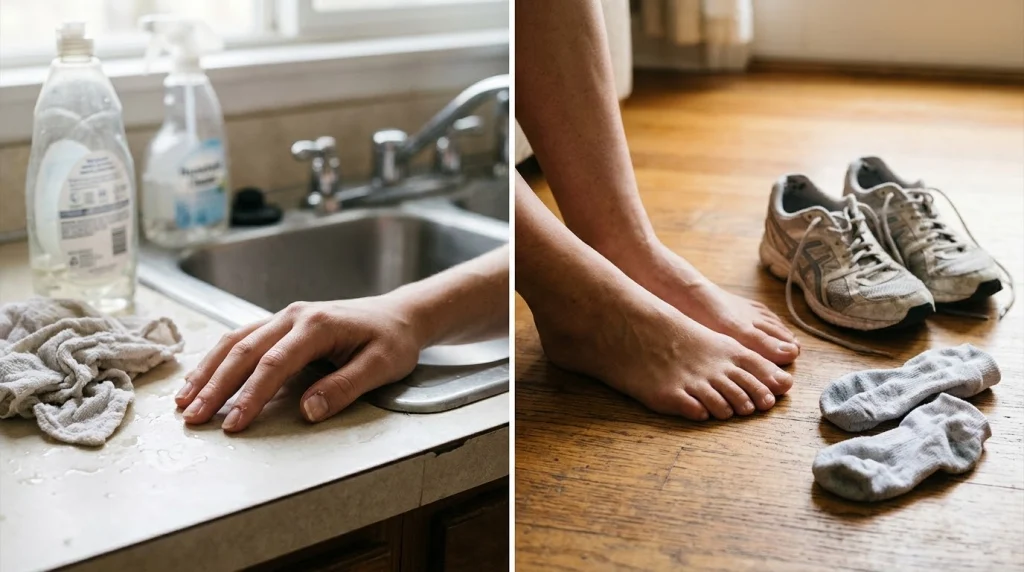
Your fingernails regularly encounter handwashing, cleaning supplies, manicures, and accidental impacts. These activities can contribute to peeling, splitting, dryness, and weak nail edges.
Common fingernail concerns include:
- Peeling layers after gel or acrylic removal.
- Splitting caused by repeated water exposure.
- Brittle tips that catch on clothing.
- Surface damage from aggressive filing or buffing.
- Cracks caused by using nails as tools.
Because your fingers remain visible and active throughout the day, even a small crack can become annoying quickly.
Damaged Toenails: More Pressure and Slower Growth
Toenails experience different challenges. Tight footwear, repeated exercise, accidental impacts, and prolonged moisture can affect their condition.
Common toenail concerns include:
- Cracking from repeated pressure inside shoes.
- Bruising after hitting or dropping something on a toe.
- Ingrown edges caused by improper trimming.
- Thickening or discoloration that may need medical evaluation.
- Brittleness associated with repeated trauma or nail conditions.
Toenails grow more slowly, so visible damage often takes much longer to disappear.
For a closer comparison of everyday weakness, explore our guide to weak fingernails vs toenails and their care differences.
Why Do Fingernails and Toenails Become Damaged?
Before choosing a treatment, consider what caused the problem. Not every damaged-looking nail is simply dry or weak.
Cosmetic Product Damage
Gel polish, acrylic enhancements, and traditional manicures can contribute to damage when preparation or removal is too aggressive. Peeling off enhancements may remove superficial layers from your natural nails.
Repeated buffing can also leave nails thinner and more vulnerable to splitting.
Physical Trauma
Slamming a finger in a drawer, stubbing a toe, or wearing shoes that repeatedly press against your nails can cause cracks, bruising, and separation.
Severe injuries may affect the nail bed or growth-producing tissue beneath the skin.
Environmental Exposure
Frequent handwashing and detergents can contribute to brittle fingernails. Meanwhile, sweaty shoes and damp socks create conditions that favor certain foot infections.
Some changes also result from fungal infections, psoriasis, eczema, or other medical conditions rather than external damage alone.
How Can You Tell Whether Nail Damage Is Minor or Serious?
Inspecting your nails helps you decide whether simple care is appropriate.
Signs of Minor Cosmetic Damage
- Small splits limited to the free nail edge.
- Mild peeling without pain or bleeding.
- Dry surrounding skin.
- Rough surfaces after cosmetic product removal.
- Occasional breakage without inflammation.
These concerns may improve in appearance when you reduce friction, moisturize, and protect new growth.
Warning Signs That Need Professional Attention
Warning
Seek prompt medical assessment for severe pain, extensive bruising beneath a nail, significant lifting, uncontrolled bleeding, or difficulty moving your finger or toe. Increasing redness, warmth, swelling, pus, or fever may indicate infection. A new or changing dark streak also requires professional evaluation. Don’t attempt to drill or drain a bruised nail yourself.
If you have diabetes, poor circulation, or reduced sensation in your feet, get medical guidance promptly for toenail injuries or signs of infection.
Home manicures and nail products cannot repair serious nail-bed injuries or replace treatment for infections.
How Should You Care for Damaged Fingernails?

For minor, painless cosmetic damage, focus on preventing further splitting while healthier nail material grows in.
1. Keep Your Nails Short and Smooth
Shorter nails are less likely to snag on clothing or catch against objects. Use clean, sharp clippers to remove only loose, painless free edges.
Follow with a fine-grit file to smooth rough corners. Avoid sawing aggressively across fragile layers or filing into attached, painful sections.
If you’re unsure how much to remove, our guide to safely filing and trimming split nails explains the difference between harmless free-edge damage and injuries that need attention.
2. Moisturize Your Nails and Surrounding Skin
Apply a fragrance-free hand cream after washing your hands. Massage a small amount over your nails, fingertips, and cuticles.
A lightweight cuticle oil can also help condition dry nail surfaces and surrounding skin. However, neither oil nor cream permanently rejoins a cracked nail plate.
Consistency matters more than applying large amounts occasionally.
3. Protect Your Hands From Excessive Water
Repeated cycles of soaking and drying can contribute to nail brittleness.
Wear suitable household gloves when washing dishes or handling cleaning products. If prolonged glove use makes your hands sweaty, take breaks and dry them thoroughly.
After washing, gently dry your fingers and apply moisturizer rather than allowing the surrounding skin to become repeatedly dry.
4. Take a Break From Aggressive Manicures
If your fingernails feel thin or peel after enhancement removal, avoid further scraping, heavy buffing, or immediately applying another set.
Give damaged sections time to grow out. You may enjoy a simple natural manicure, but avoid applying polish or enhancements over painful, infected, or detached nails.
For more focused advice, read our guide on caring for weak nails after gel or acrylic removal.
5. Stop Using Your Fingernails as Tools
Opening packages, scraping labels, and prying objects apart put pressure on already fragile nail tips.
Use an appropriate tool instead. This simple change reduces repeated mechanical stress while new nail material grows.
Pro Tip
Keep a small hand cream near the sink and a gentle nail file in your bag. Moisturizing immediately after handwashing and smoothing a snag before it tears can make your routine easier to maintain.
How Should You Care for Damaged Toenails?
Toenail care requires extra attention to footwear, pressure, moisture, and trimming technique.
1. Trim Toenails Straight Across
Use clean toenail clippers and cut small sections rather than forcing the tool through a thick nail.
Trim across the tip without digging deeply into the corners. Smooth sharp edges with a gentle file, and avoid cutting too close to the skin.
If a nail is very thick, painful, deeply cracked, or difficult to trim safely, ask a podiatrist or dermatologist for help.
2. Choose Shoes With Enough Toe Room
Shoes that squeeze your toes can repeatedly push the nail plate against the front or upper part of the shoe.
Choose footwear with a roomy toe box and enough space for your toes to move comfortably. Check the fit while standing, particularly if you spend long periods walking or exercising.
Reducing repeated pressure is especially important when a toenail has already been bruised or damaged.
3. Keep Your Feet Clean and Dry
Wash your feet gently, rinse thoroughly, and dry carefully, including between the toes.
Change damp socks promptly and allow shoes to dry between uses. Breathable footwear and moisture-managing socks can help reduce prolonged dampness.
Moisturize dry nails and surrounding skin, but avoid leaving thick cream trapped between your toes.
4. Avoid Pulling Off a Loose Toenail
A toenail may partially lift after an impact or prolonged pressure. Pulling it away can injure the tissue underneath.
Keep the area clean and protect it from further catching. If the nail is substantially detached, bleeding, painful, or exposing sensitive tissue, seek medical advice rather than trying to remove it yourself.
For everyday brittleness without significant injury, explore our brittle toenail care guide.
What Should You Do for Different Types of Nail Damage?
The appearance of your nail can help guide your next action, although it cannot always reveal the underlying cause.
Peeling Fingernails
Keep the nail tips short, avoid picking at loose layers, and apply moisturizer regularly. Limit harsh product removal and repetitive soaking.
Don’t buff away several layers in an attempt to make the surface look perfectly smooth.
Cracked Toenails
If a small crack affects only the painless free edge, carefully smooth it and reduce shoe pressure.
Cracks extending toward the nail bed, causing bleeding, or producing significant discomfort need professional assessment.
Bruised or Black Nails
Dark discoloration after a clear impact may result from blood collecting beneath the nail. Significant pressure and pain can require medical treatment.
Never pierce the nail at home to release trapped blood. Unexplained pigmentation, especially a new or changing dark streak, should be examined by a dermatologist.
Thick, Yellow, or Crumbly Toenails
These changes can occur with fungal infections, repeated trauma, psoriasis, and other conditions.
Don’t assume every discolored toenail has fungus or that oils will cure it. A healthcare professional can determine whether testing or treatment is appropriate.
How Long Does It Take for Damaged Nails to Recover?
Recovery depends on the type and severity of damage, whether the nail-growth area was injured, and your individual growth rate.
Typical Nail Regrowth Timeline
Fingernails: A complete replacement commonly takes approximately 4–6 months, sometimes longer.
Toenails: Complete replacement commonly takes approximately 12–18 months, depending on the toe and circumstances.
Important: These estimates describe nail regrowth, not how quickly an injury, infection, or painful condition will heal.
Moisturizing can improve the feeling of dry skin relatively quickly, while trimming can reduce snags immediately. Neither action makes an existing cracked nail plate biologically repair itself.
The damaged area usually needs to grow outward and eventually be trimmed away. More serious damage to the nail matrix can cause lasting changes in shape or growth.
What Should You Do and Avoid While Your Nails Recover?
Do
- Keep nails clean and gently trimmed.
- Moisturize dry nails and cuticles.
- Protect hands during cleaning.
- Wear comfortable footwear.
- Allow damaged sections to grow out.
- Watch for pain or infection.
Don’t
- Pick or peel damaged layers.
- Cut or tear away attached nails.
- Use harsh chemicals on injuries.
- Wear shoes that squeeze your toes.
- Hide concerning changes under polish.
- Attempt home drainage of bruised nails.
Which Nail Care Products Are Actually Useful?
You don’t need an expensive nail-repair collection. A few basic products can make gentle maintenance more comfortable and convenient.
Fine-Grit Glass Nail File
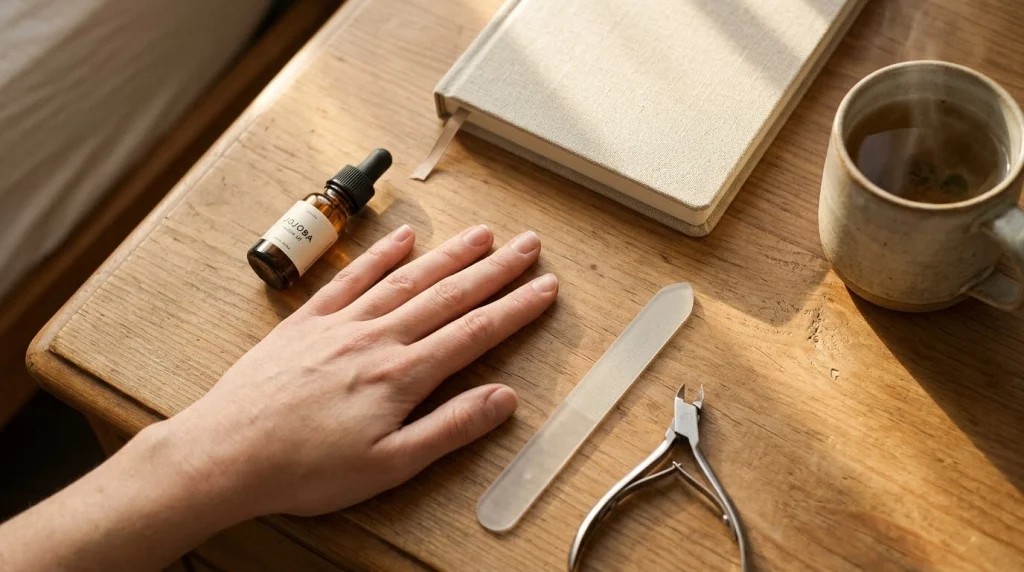
A glass nail file for natural nails can help smooth rough, painless edges without aggressive clipping. Use light pressure and avoid filing open injuries.
Fragrance-Free Hand Cream
A fragrance-free moisturizing hand cream is useful when frequent washing leaves your fingernails and surrounding skin dry.
Cuticle Oil
A jojoba-based cuticle oil may help condition dry cuticles and nail surfaces. Consider a fragrance-free option if your skin is sensitive.
Recommended Nail Care Essential
Soft Nail Cleaning Brush
A soft nail brush helps remove visible dirt gently without digging beneath the nail with sharp tools. Use it only on intact, nonpainful nails.
As an Amazon Associate, we earn from qualifying purchases.
These supplies support routine hygiene and protection. They don’t treat fungal infections, repair serious injuries, or guarantee faster nail growth.
How Can You Prevent Nail Damage From Returning?
Prevention works best when your routine matches the everyday stresses affecting your nails.
For your fingernails, moisturize after handwashing, wear gloves during household cleaning, and avoid peeling away manicures. Keep your nails at a length that doesn’t interfere with regular activities.
For your toenails, prioritize proper shoe fit, dry socks, straight-across trimming, and prompt attention to new discomfort.
Check your nails regularly for persistent changes. If a nail repeatedly splits in the same place or changes shape without an obvious reason, consider a medical evaluation.
A consistent routine matters more than frequently switching between advertised nail-strengthening products.
What If Your Damaged Nails Aren’t Improving?
Problem: Fingernails Keep Peeling
Immediate action: Shorten painless free edges and moisturize regularly. Prevention: Reduce repetitive soaking, picking, and abrasive manicure removal. If peeling persists without an obvious cause, ask a clinician to assess it.
Problem: A Toenail Keeps Cracking
Immediate action: Avoid pressure and leave painful cracks alone. Prevention: Check shoe fit and trimming technique. Repeated cracking, thickening, or discoloration deserves professional assessment.
Problem: A Nail Is Lifting Away
Immediate action: Don’t pull the nail off. Protect it from catching and arrange medical advice if there is significant separation. Prevention: Avoid traumatic manicures and repeated footwear pressure.
Problem: The Nail Changes Color or Becomes Painful
Immediate action: Seek professional assessment instead of covering the change with polish. Prevention: Address repeated injuries early and monitor changes rather than attempting unverified home treatments.
Frequently Asked Questions About Damaged Fingernails vs Toenails
Q: Do damaged fingernails heal faster than damaged toenails?
A: Fingernails generally grow faster than toenails. Complete fingernail replacement often takes around 4–6 months, while toenails may take 12–18 months. Injury severity and nail-matrix damage affect the outcome.
Q: Can damaged fingernails and toenails grow back normally?
A: Many nails grow back normally after minor damage. However, serious injuries affecting the nail matrix can cause permanent changes in growth, thickness, or shape.
Q: Should you put nail polish on damaged nails?
A: Avoid polish on injured, painful, infected, or significantly lifted nails. With minor cosmetic brittleness, keeping nails bare temporarily makes monitoring easier and reduces additional product exposure.
Q: Does cuticle oil repair damaged nails?
A: Cuticle oil helps condition dry skin and nail surfaces, but it doesn’t permanently repair cracks or restore removed nail layers. Damaged sections normally need time to grow out.
Q: Why do my toenails look damaged when my fingernails are healthy?
A: Your toenails experience shoe friction, pressure, and different moisture conditions. Persistent thickening, yellowing, crumbling, or discomfort may indicate a nail condition that needs examination.
Final Thoughts: Give Fingernails and Toenails the Care They Need
Knowing how to care for damaged fingernails vs toenails begins with recognizing their different needs. Protect your fingernails from water, chemicals, and rough manicures. Give your toenails comfortable footwear, appropriate trimming, and a clean, dry environment.
Most importantly, don’t rush nail recovery or ignore concerning symptoms. Gentle habits support new growth, while proper medical care addresses problems that cosmetics cannot solve.
Save this guide to your Pinterest nail-care board so you can return to these practical tips whenever your nails need extra attention.
Medical note: This article provides general educational information and does not replace diagnosis or individualized advice from a healthcare professional.

Hi, I’m Jessica, the creator behind Unique Lash & Nails Katy.
I created this website for anyone who loves beautiful nails as much as I do. Here, I share trendy nail designs, seasonal manicure ideas, easy nail care tips, honest product recommendations, and step-by-step guides to help you create salon-worthy nails at home. Whether you’re looking for everyday inspiration or your next favorite nail trend, I hope you’ll find something you love.