How to Care for Brittle Toenails: 9 Easy Tips (45 characters)
Quick Answer
To care for brittle toenails, trim them straight across without cutting too short, smooth rough edges gently, moisturize the nails and surrounding skin daily, and wear shoes that leave room for your toes. Keep feet clean and dry, avoid aggressive pedicures, and allow damaged portions to grow out. If nails become thick, yellow, painful, or increasingly crumbly, get them checked rather than assuming they are simply dry.
When a toenail splits as you put on socks or catches against your bedsheets, it’s tempting to cover the damage with polish and forget about it. But recurring brittle toenails need a routine that protects the nail while healthier new growth takes its place.
You don’t need a complicated pedicure kit or an expensive strengthening treatment. The most helpful steps are usually gentle trimming, sensible moisture, less shoe pressure, and knowing when a nail change deserves medical attention.


How Can You Tell If Your Toenails Are Brittle?
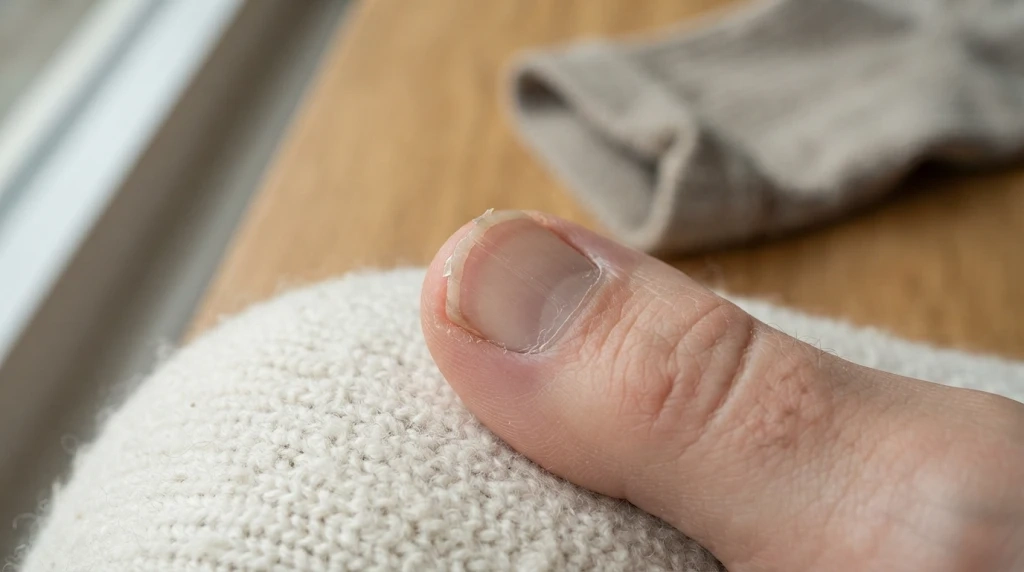
Brittle toenails crack, chip, peel, or split more easily than expected. They may look dull and rough, and the free edge can break away in small pieces. Some nails feel unusually hard and snap under pressure; others develop flaky layers near the tip.
- Splitting tips: Small cracks begin at the edge and catch on socks.
- Peeling layers: Thin sections separate instead of staying smooth.
- Frequent chips: Corners break during normal walking or grooming.
- Rough surfaces: Nails look dry, ridged, or uneven.
- Repeated breakage: The same nail cracks before old damage has grown out.
Not every rough toenail is merely brittle. Yellow or white discoloration, marked thickening, debris under the nail, lifting, or crumbling can suggest a fungal infection or another nail disorder. A clinician can help determine the cause; appearance alone cannot reliably confirm a fungus.
For other changes worth watching, see our guide to signs of unhealthy nails.
Why Do Toenails Become Dry, Weak, or Brittle?
Toenails are made of layers of keratin. Once a visible section has split, oil or cream cannot fuse it permanently back together. Your goal is to stop more damage while the compromised section gradually moves forward with new growth.
Repeated pressure from shoes
Tight toe boxes press the nail against the shoe, especially while walking downhill, running, or spending long days on your feet. This repeated trauma can cause cracks and may also lead to discoloration or lifting. Shoes that fit in length but squeeze across the toes can still be a problem.
Dryness and harsh nail treatments
Frequent nail-polish remover, aggressive buffing, scraping gel polish, and rough pedicures can leave the plate thinner or more fragile. Dry skin around the nail makes the whole area feel uncomfortable, although dryness is not the only cause of brittleness.
Excess moisture and damp footwear
Keeping feet clean does not mean soaking them for long periods. Repeated wetting and drying can stress fragile nails. Damp socks and sweaty shoes also create conditions that favor certain infections, so dry the spaces between your toes thoroughly after bathing.
Health conditions and nail infections
Fungal nail infections, skin conditions such as psoriasis, injuries, aging, and sometimes medical or nutritional issues can change nail texture. If brittleness is persistent, sudden, or accompanied by other symptoms, don’t diagnose a deficiency from nail appearance alone.
What Is the Best Way to Care for Brittle Toenails?
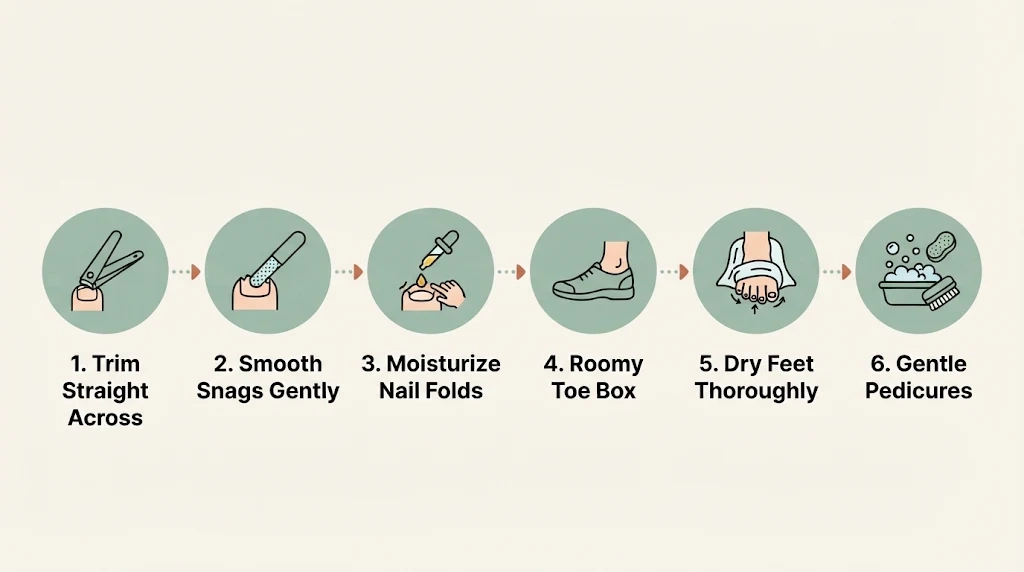
Choose the approach that matches what you see. A mildly dry, chipping nail often benefits from grooming and protection. A thick, painful, or oddly colored nail needs assessment before cosmetic treatments.
1. Trim toenails carefully and straight across
Use clean, sharp toenail clippers and trim small sections rather than forcing the tool through a thick nail. Keep a little free edge instead of cutting into the corners. A mostly straight-across shape lowers the chance of the sides growing into surrounding skin.
If a nail is too thick or painful to cut safely, ask a podiatrist for help. Don’t dig beneath the nail or cut away attached pieces just to make the surface look even.
2. Smooth snags instead of buffing the entire nail
A fine-grit nail file can gently remove a rough point that catches on fabric. Support the toe and use light strokes along the free edge. Avoid repeatedly sanding the top of the nail: removing more of its protective thickness can make it easier to split.
Best for: Small, painless chips confined to the nail tip. Skip it when: A crack extends into attached nail, bleeds, or hurts.
3. Moisturize the nail and its surrounding skin
After washing and drying your feet, massage a small amount of fragrance-free foot cream over the nail folds and exposed nail plate. A thin layer of petroleum jelly at bedtime may help very dry surrounding skin retain moisture. You can also use a simple cuticle oil if you prefer its texture.
Moisturizing can improve comfort and surface flexibility, but it does not cure a fungal infection or replace broken nail layers. If the skin between your toes stays damp or is affected by athlete’s foot, avoid trapping moisture there.
4. Give your toes more space in your shoes
Look for footwear with a roomy toe box and enough space in front of your longest toe. Your toes should not be pushed together or repeatedly strike the front of the shoe. For workouts, check that your feet don’t slide forward when moving downhill.
Best for: Nails that chip after long walks or feel sore in narrow shoes. The tradeoff is that a wider shoe still needs a secure fit at the heel, or your feet may move too much inside it.
5. Keep feet dry without over-drying the nails
Wash your feet gently, rinse away soap, and dry each toe and the spaces between them. Change sweaty socks promptly and let damp shoes dry fully before wearing them again. Breathable socks and shoes can make this routine easier.
Apply moisturizer to dry skin and nail folds, but don’t leave thick layers of cream between toes where moisture may collect. This balance matters more than using antibacterial products unnecessarily.
6. Take a break from rough pedicure techniques
Skip hard scraping, metal tools pushed under the nail, frequent surface buffing, and peeling off gel polish. If you remove regular polish, use the remover sparingly, then wash and moisturize. Never ask a technician to cut deeply into the nail corners or remove your protective cuticles.
Want to understand why products and removal methods matter? See how chemicals affect nail strength.
7. Protect a small split while it grows out
If the crack is only at the loose tip and doesn’t hurt, keep it short and smooth so socks cannot pull it farther. Avoid using household glue to seal a deep crack. A nail that has separated from the nail bed or split into painful tissue should be assessed instead of covered with polish.
Take a photo in good light every few weeks if you want to monitor progress. New growth near the base and fewer fresh cracks are better signs of improvement than an instantly shinier surface.
8. Eat normally before reaching for nail supplements
Nail formation depends on overall health and nutrition. A varied diet with sufficient protein, iron-containing foods, and other nutrients is more sensible than taking high-dose supplements without a diagnosed need. More biotin does not automatically make normal nails stronger, and high doses can interfere with important blood tests.
If you have a restrictive diet, fatigue, other health symptoms, or widespread nail changes, ask a healthcare professional whether an evaluation or testing is appropriate.
9. Follow one gentle routine consistently
Don’t switch between multiple hardeners, oils, and home remedies every few days. Instead, choose a basic routine that you can repeat: gentle cleansing, thorough drying, a little moisturizer, roomy shoes, and careful trimming as needed.
For a broader set of easy habits, our daily nail-care routine explains how consistent protection supports healthier-looking nails.
What Daily Routine Helps Brittle Toenails Most?
Think of this as low-effort maintenance, not a full pedicure every day. Most days, the active care takes only a few minutes.
- Morning: Put on clean, dry socks and choose shoes with comfortable toe space. Check that no split is catching against your sock.
- After bathing: Gently dry the feet and between toes. Apply a small amount of moisturizer to the nails and dry surrounding skin.
- After exercise: Change damp socks; allow shoes to dry. Check for rubbing or pressure marks.
- At bedtime: If the nail folds feel dry, use a little fragrance-free moisturizer or petroleum jelly around them.
- Once a week: Check the nail edges, file only obvious snags, and look for new discoloration, lifting, or tenderness.
Pro Tip
Notice when a nail repeatedly chips. If it happens after the same pair of shoes, the problem may be recurring pressure rather than a lack of another nail product. Compare your shoe fit before buying a treatment.
What Should You Do—and Avoid—When Toenails Are Fragile?
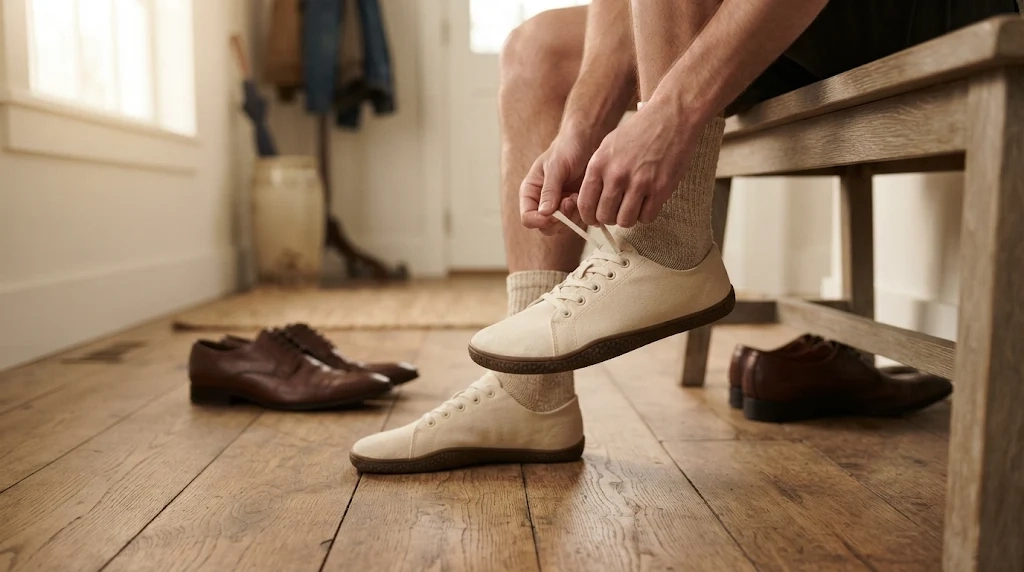
Do
- Trim gently, mostly straight across.
- Dry feet and change damp socks.
- Moisturize dry nail folds.
- Choose shoes with toe room.
- Monitor new or persistent changes.
Don’t
- Dig deep into nail corners.
- Peel off gel or acrylic products.
- Buff away large amounts of nail.
- Cover painful changes with glue.
- Assume every thick nail is dry.
How Long Does It Take for Brittle Toenails to Improve?
Skin around the nails may feel more comfortable within days of gentle moisturizing. Fewer snags can happen immediately after careful filing and a change to better-fitting footwear. But the existing split won’t simply disappear: it needs to grow to the tip and be trimmed away.
Toenails grow slowly, often roughly 1–2 millimeters per month, with individual variation. A big toenail may take around 12–18 months to replace completely, and some people take longer. Small cracks near the tip can grow out sooner. Don’t judge your progress after only one week.
Look for less new damage and smoother nail emerging from the base over several months. If the condition worsens or does not fit a simple damage pattern, get it evaluated rather than waiting through an entire growth cycle.
When Should Brittle Toenails Be Checked by a Professional?
Warning
Seek medical advice for painful, swollen, bleeding, infected-looking, significantly lifted, or persistently thick and crumbly toenails. A new or changing dark streak also needs prompt evaluation. If you have diabetes, poor circulation, or reduced sensation in your feet, seek professional guidance before trimming difficult nails or treating damage yourself.
A dermatologist or podiatrist can distinguish mechanical damage from fungal infection and other conditions. Fungal-looking nails may need testing before treatment; cosmetic products do not reliably treat every underlying cause.
Don’t file down a very thick nail aggressively, use sharp tools beneath it, or repeatedly cover an unexplained change. Early assessment is especially useful when discomfort affects walking, several nails change suddenly, or a nail separates from its bed.
Which Simple Products Are Worth Considering?
Start with tools that make gentle maintenance easier. These are product categories, not claims that any specific item will cure brittle nails. Choose products for your needs and avoid buying several versions of the same thing.
Recommended Product
Sharp, Easy-Grip Toenail Clippers
Clean clippers make controlled cuts easier than dull tools that crush a fragile edge. Avoid forcing them through unusually thick nails.
As an Amazon Associate, we earn from qualifying purchases.
Recommended Product
Fine-Grit Nail File
A gentle file smooths small snags at the free edge without needing to buff the whole nail plate.
As an Amazon Associate, we earn from qualifying purchases.
Recommended Product
Fragrance-Free Foot Moisturizer
A basic cream helps relieve dry skin around toenails without relying on harsh strengthening ingredients.
As an Amazon Associate, we earn from qualifying purchases.
For an even simpler approach, plain petroleum jelly can help with dry skin around the nail. A separate cuticle oil is optional; consistent care matters more than the number of products. You can also compare the differences in our guide to dry nails versus brittle nails.
Frequently Asked Questions About Brittle Toenails
Q: Can brittle toenails become strong again?
A: Often, yes, when pressure or grooming damage is the cause and you protect new growth. Existing cracks must grow out, and ongoing infections or medical conditions may require specific treatment.
Q: Is coconut oil good for brittle toenails?
A: It may help condition dry surrounding skin, but evidence that it repairs cracked nail plates is limited. A simple fragrance-free cream or petroleum jelly is also a reasonable choice.
Q: Does nail polish make brittle toenails worse?
A: Regular polish is not automatically harmful, but harsh removal, peeling gel products, and aggressive buffing can add damage. Avoid hiding painful or unexplained nail changes beneath polish.
Q: Are brittle toenails a sign of fungus?
A: Not necessarily. Repeated shoe pressure, trauma, and cosmetic damage can also make nails brittle. Thickening, discoloration, and crumbling deserve evaluation because different conditions can look alike.
Q: Should I take biotin for brittle toenails?
A: Don’t start high-dose biotin automatically. Evidence for routine use is limited, and supplements can interfere with some laboratory tests. Discuss persistent nail changes with a healthcare professional.
Give Your Toenails Time to Grow Healthier
Care for brittle toenails by keeping the routine gentle: trim carefully, moisturize dry skin, protect your toes from shoe pressure, and watch for signs that need professional assessment. Better new growth takes patience, not a shelf full of treatments.
Save this guide to your Pinterest nail-care board so you can come back to the routine whenever your toenails need extra attention.

Hi, I’m Jessica, the creator behind Unique Lash & Nails Katy.
I created this website for anyone who loves beautiful nails as much as I do. Here, I share trendy nail designs, seasonal manicure ideas, easy nail care tips, honest product recommendations, and step-by-step guides to help you create salon-worthy nails at home. Whether you’re looking for everyday inspiration or your next favorite nail trend, I hope you’ll find something you love.