Weak Nails and Nail Growth: Simple Tips That Help
Quick Answer
Weak nails don’t necessarily grow more slowly. Often, your nails are growing normally but breaking or peeling before you can see extra length. To protect healthy nail growth, moisturize daily, keep your nails short and smoothly filed, wear gloves during wet chores, and avoid peeling off gel or acrylic enhancements. Fingernails grow approximately 3 millimeters per month, so lasting improvement requires consistent care and patience.
You finally notice your nails getting longer, and then one splits while you’re opening a package. Another starts peeling after your manicure comes off. Suddenly, all that progress seems to disappear.
If you’re dealing with weak nails and nail growth problems, understanding the difference between slow growth and frequent breakage is the first step toward healthier nails. You don’t need expensive treatments or a complicated routine. You need to identify what’s weakening your nails and protect the healthy new growth.
Here’s what actually affects nail strength, which daily habits make a difference, and how long you should expect improvement to take.


What Is the Connection Between Weak Nails and Nail Growth?

Your fingernails grow from a specialized area beneath the skin at the base of each nail, called the nail matrix. New cells are produced there, become filled with keratin, and form the hard nail plate you can see.
The nail plate itself consists of dead, keratinized cells. That’s why trimming the free edge doesn’t hurt, and why a damaged nail cannot repair itself the same way living skin does.
Weak nails can interfere with your ability to maintain length even when the matrix is producing nail normally.
Think of it this way: if your nail grows 3 millimeters in a month but repeated chips remove approximately the same amount from its tip, you won’t see much change in length.
This is the difference between nail growth and nail length retention.
- Nail growth: The production of new nail tissue beneath the cuticle area.
- Nail strength: The nail plate’s ability to withstand everyday pressure without breaking.
- Length retention: How much of the growing nail you can keep without splitting, peeling, or trimming away damage.
If your nails break constantly, improving length retention may be more useful than searching for ways to accelerate biological growth.
For a closer look at normal growth rates, see our guide on how fast fingernails grow.
Why Are Your Nails Weak and Breaking Before They Grow?
Weak nails can develop for several reasons. The most common are related to external damage, but sometimes changes in your nail health reflect an underlying medical or nutritional issue.
1. Repeated Exposure to Water
Your nails absorb water and change slightly in shape as they become wet. Repeated soaking and drying can contribute to brittleness and separation of the nail plate’s layers.
If you frequently wash dishes, clean without gloves, or keep your hands submerged for long periods, your nail tips may become more prone to peeling.
What helps: Wear protective gloves for extended wet chores and apply moisturizer after washing your hands.
2. Harsh Nail Products and Removal Methods
Gel polish, acrylics, and dip powder aren’t automatically harmful when applied and removed appropriately. However, aggressive buffing, scraping, drilling, and peeling can remove layers of your natural nail.
Once those layers are damaged, the nail may bend more easily or develop thin patches.
What helps: Stop peeling off enhancements, choose gentle removal methods, and avoid repeatedly filing the natural nail surface.
3. Dryness and Frequent Cleaning
Soap, detergents, cleaning products, and some solvents can remove protective oils from the nail area and surrounding skin.
Dry nails may become less flexible and more likely to crack under everyday pressure.
What helps: Use a rich, fragrance-free hand cream and apply a small amount of cuticle oil regularly.
4. Mechanical Damage
Everyday habits can place more stress on your nails than you realize.
- Using nails to open cans or packaging
- Picking at polish
- Biting the nail edges
- Scraping labels with your fingernails
- Keeping nails long while they are already splitting
Each action can create small cracks that eventually become noticeable breaks.
5. Nutritional Deficiencies or Health Conditions
Your body needs adequate nutrition to produce normal nail tissue. In some cases, iron deficiency, thyroid disorders, skin conditions, or other medical problems can contribute to changes in nail strength or growth.
However, weak nails alone cannot diagnose a nutritional deficiency or disease.
If your nails suddenly change, several nails become affected, or you experience other unexplained symptoms, speak with a healthcare professional rather than assuming you need supplements.
To explore additional causes, read why your nails may be weak.
What Do Weak Nails Look Like?
Not every weak nail looks the same. Understanding the pattern of damage can help you choose more appropriate care.
Peeling Nail Layers
Thin layers separate at the nail tip, sometimes resembling tiny sheets. Repeated wetting, harsh removal, and mechanical wear may contribute to this pattern.
Brittle Nails That Snap
Your nails may feel firm but crack when they bend or catch on clothing. Keeping the free edge shorter can reduce leverage and the risk of another break.
Soft or Flexible Nails
Some nails bend easily rather than snapping. This may reflect naturally thin nails or damage from aggressive filing and enhancement removal.
Longitudinal Splitting
A split running along the nail can be associated with repeated trauma or nail changes that deserve evaluation, especially when the same crack repeatedly returns.
Rough or Thinned Nail Surfaces
Visible thin patches and an uneven surface may follow excessive buffing or removal of nail plate layers.
Don’t try to smooth every irregularity by filing the entire nail surface. That can remove even more material and make the nail weaker.
How Can You Strengthen Weak Nails and Support Healthy Growth?
The most useful approach is to reduce damage while new nail grows from the base. These methods won’t instantly rebuild an already thinned nail, but they can help you preserve more healthy length over time.
1. Moisturize Your Nails and Cuticles Every Day
Best for: Dry, rough nails and peeling edges.
Apply hand cream after washing your hands and massage a small drop of cuticle oil around each nail before bed.
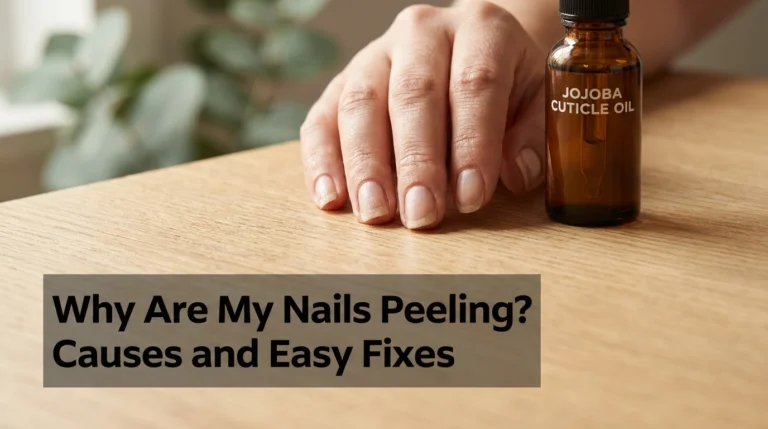
Jojoba oil, mineral oil, petroleum jelly, and fragrance-free moisturizers are practical options. They help condition the nail area and reduce moisture loss.
Pros: Affordable, gentle, and easy to maintain.
Limitations: Moisturizers cannot permanently repair a split or make healthy nails grow dramatically faster.
2. Keep Nails Short While They Recover
Best for: Nails that repeatedly snap or split near the tips.
Trim your nails to a comfortable length and gently round any sharp corners. A short oval or squoval shape can be more practical when your nails are fragile.
Use a fine-grit file and light pressure to smooth snags without thinning the nail surface.
Pros: Reduces catching and mechanical stress.
Limitations: You’ll temporarily sacrifice length while damaged sections grow out.
3. Protect Your Hands During Cleaning
Best for: Anyone who frequently handles water, dish soap, or household cleaners.
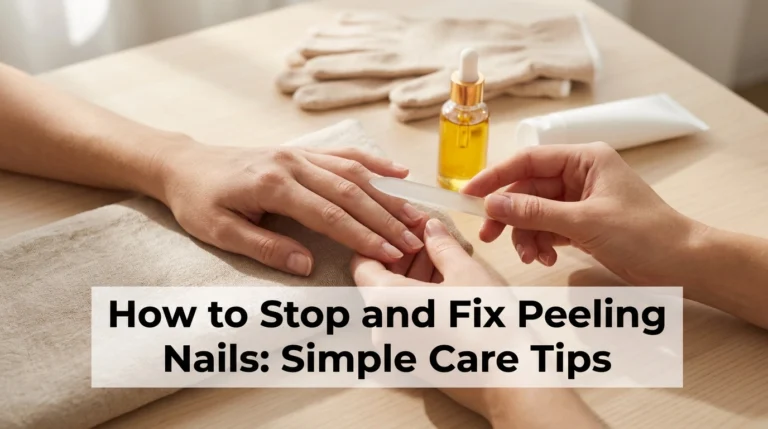
Wear reusable cleaning gloves whenever you’re washing dishes, scrubbing surfaces, or completing long wet tasks.
If your hands become sweaty, remove the gloves periodically and dry your skin. Cotton glove liners may be useful for longer chores.
Pros: Reduces exposure to water and irritating products.
Limitations: Gloves need to fit comfortably and be kept clean and dry between uses.
4. Change How You Remove Nail Enhancements
Best for: Nails weakened after gel, dip, acrylic, or press-on manicures.
Follow the removal procedure appropriate for the product. Some materials require professional filing or removal and should never be forcibly peeled away.
If your natural nail feels sore, visibly thinned, or damaged, avoid covering it with another enhancement immediately.
Pros: Helps prevent additional nail plate damage.
Limitations: Existing damage still needs time to grow out.
5. Support Normal Nail Production With Balanced Nutrition
Best for: Maintaining general nail health over the long term.
Your nails depend on normal protein production and adequate nutrition. Include regular sources of protein, iron-containing foods, fruits, vegetables, and other varied foods in your meals.
Eggs, beans, fish, poultry, lentils, and leafy vegetables can contribute useful nutrients as part of a balanced diet.
Pros: Supports normal tissue production and overall health.
Limitations: Extra vitamins won’t necessarily improve nails if you already meet your nutritional needs.
Important Supplement Warning
Don’t start high-dose biotin or iron supplements simply because your nails are weak. Evidence that biotin helps people without a deficiency is limited, and biotin can interfere with laboratory tests, including some thyroid and cardiac tests. Iron supplements can also cause harm when taken unnecessarily. Ask your healthcare professional whether testing or supplementation is appropriate.
What Is a Simple Daily Routine for Weak Nails?

You don’t need an hour-long nail ritual. A consistent routine that takes only a few minutes is easier to maintain and may help you avoid repeated damage.
Morning: Protect Your Nail Edges
- Check for sharp corners or snags.
- Gently file rough edges if needed.
- Apply hand cream to the nails and surrounding skin.
- Keep cleaning gloves accessible before wet chores.
Your goal in the morning is to prevent small areas of damage from becoming larger splits.
During the Day: Reduce Repeated Stress
- Reapply moisturizer after handwashing.
- Avoid using fingernails to open objects.
- Wear gloves when working with detergents.
- Resist picking at polish or peeling nail layers.
These habits matter because everyday mechanical stress can gradually damage the free edge even when your nails are growing normally.
Evening: Condition and Inspect
- Wash and dry your hands gently.
- Massage a small amount of cuticle oil around each nail.
- Apply a rich hand cream if your skin feels dry.
- Check for new splits, lifting, or irritation.
If you notice a deep crack extending into the attached nail or causing pain, avoid filing through it. Protect the area and seek medical advice when necessary.
Pro Tip
Keep one small hand cream near your sink and another beside your bed. Making moisturizer easy to reach can help you use it more consistently than relying on an occasional intensive nail treatment.
How Long Does It Take for Weak Nails to Grow Stronger?

Improving weak nails takes time because the nail plate already extending beyond your cuticle cannot regenerate itself.
Average fingernail growth is approximately 3 millimeters per month, although growth rates vary with age, health, individual differences, and other factors.
A full fingernail commonly takes around four to six months to replace, and some nails take longer.
After 1–2 Weeks
Your cuticles may look less dry, and you may notice fewer snags if you’re regularly moisturizing and filing sharp edges.
This represents improved maintenance rather than the complete replacement of damaged nail tissue.
After 4–6 Weeks
You may begin to see a noticeable band of newer nail growing from the base.
If you’ve reduced repeated trauma, your tips may also break less frequently. Individual results vary.
After 8–12 Weeks
More of the nail plate will have been produced during your healthier routine. You may find it easier to maintain a little extra length if breakage is decreasing.
However, deeper damage from aggressive buffing or enhancement removal may still be visible farther along the nail.
After 4–6 Months or Longer
Much of the previously damaged fingernail may have grown out, allowing you to judge the condition of the newer nail more accurately.
If your nails remain unexpectedly fragile despite protecting them, consider whether another cause needs attention.
For a more detailed recovery schedule, explore how long it takes to strengthen nails.
What Should You Do and Avoid When Growing Weak Nails?
Do
- Moisturize nails and cuticles daily.
- Keep fragile nails short and smoothly shaped.
- Wear gloves for wet cleaning.
- Eat a varied, balanced diet.
- Give damaged nail time to grow out.
- Seek care for unusual nail changes.
Don’t
- Peel off gel or acrylic products.
- Over-buff the natural nail.
- Use nails as scraping tools.
- Cut or tear healthy cuticle tissue.
- Expect overnight nail growth.
- Take high-dose supplements without guidance.
Which Nail Care Products Can Help Weak Nails?
Products are most useful when they support a specific part of your routine. You don’t need every product marketed for stronger nails.
The following options focus on reducing dryness, smoothing rough edges, and preventing everyday damage. These are product categories rather than claims of personal testing or verified product rankings.
Recommended Nail Care Essential
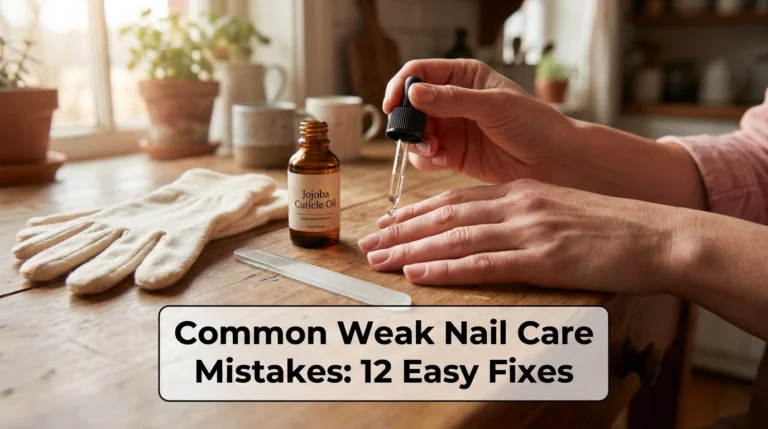
Jojoba Cuticle Oil
A simple jojoba-based oil is convenient for conditioning dry cuticles and the nail area. Use a small amount regularly rather than expecting it to accelerate nail production.
Browse Jojoba Cuticle Oil on Amazon
As an Amazon Associate, we earn from qualifying purchases.
Fine-Grit Glass Nail File
A quality glass nail file can help smooth small snags with controlled, light strokes. Avoid pressing hard or repeatedly filing the broad surface of your nails.
Browse glass nail files on Amazon.
Fragrance-Free Hand Cream
Look for a moisturizer containing ingredients such as glycerin, petrolatum, or ceramides. Regular application can help limit dryness around fragile nails.
Browse fragrance-free hand creams on Amazon.
Reusable Cleaning Gloves
Comfortable gloves provide a barrier between your hands and prolonged exposure to cleaning water or detergents. Choose a suitable fit and avoid leaving your hands damp inside them.
Browse reusable cleaning gloves on Amazon.
Can Nail Hardeners and Strengthening Polish Help?
Nail hardeners and strengthening base coats may provide temporary protection or change how the nail surface feels, but they don’t repair missing nail layers or treat the underlying cause of brittleness.
Some strengthening products make the nail plate more rigid. That can be useful in certain situations, but excessive rigidity may also make a fragile nail less able to flex without cracking.
If you decide to use a strengthener, select a product suitable for your nail condition, follow its instructions, and stop using it if you experience irritation, unusual dryness, or worsening splits.
A clear regular polish may help smooth minor surface imperfections on otherwise healthy nails. It should not be used to hide infection, significant nail lifting, or painful damage.
For a broader approach, see our guide to simple habits that help strengthen nails.
Can Home Remedies Make Weak Nails Grow Faster?
Social media is full of nail growth tricks, including garlic, lemon juice, olive oil, toothpaste, and homemade soaking mixtures.
Unfortunately, there’s no reliable evidence that these methods can dramatically increase normal fingernail growth rates.
Some oils can help soften dry surrounding skin. However, improving moisture levels is not the same as speeding up nail production at the matrix.
Acidic or irritating ingredients may also make sensitive skin uncomfortable, particularly when cuticles are cracked.
Instead of experimenting with harsh mixtures, focus on reducing breakage and keeping the nail area comfortably moisturized.
Pro Tip
Take a clear photograph of your bare nails once every four weeks under similar lighting. Compare the visible growth near the cuticles and the condition of the tips. This helps you distinguish genuine growth progress from changes in length caused by trimming or breakage.
When Should You See a Dermatologist About Weak Nails?
Many cases of weak nails are associated with everyday wear, but not every nail change is purely cosmetic.
Contact a healthcare professional if you notice:
- Sudden weakness affecting several nails
- Persistent nail pain or swelling
- Separation of the nail from the underlying skin
- New or changing dark streaks
- Unusual thickening or discoloration
- Bleeding, pus, or signs of infection
- Unexpected changes in nail growth
- Persistent brittleness despite gentle nail care
A dermatologist can examine your nails and determine whether further evaluation is appropriate.
Depending on your symptoms and medical history, a healthcare professional may consider conditions such as iron deficiency, thyroid disease, psoriasis, eczema, or infection.
Don’t cover an unexplained nail change with polish and assume it will disappear as the nail grows.
Frequently Asked Questions About Weak Nails and Nail Growth
Q: Do weak nails grow more slowly than strong nails?
A: Not necessarily. Weak nails may grow at a normal rate but break or peel before you can maintain extra length. However, some medical conditions can affect both nail quality and growth.
Q: Can weak nails become strong again naturally?
A: Nails weakened by external damage may improve as healthier nail grows out. Gentle filing, moisturizing, and protection from repeated trauma can help, but persistent weakness may require medical evaluation.
Q: Does cuticle oil make nails grow faster?
A: Cuticle oil can help condition dry skin and nails, but there is no strong evidence that it significantly increases normal nail growth speed. Its main benefit is supporting a gentler maintenance routine.
Q: Should you stop getting manicures if your nails are weak?
A: You don’t necessarily need to stop gentle manicures, but avoid damaging removal methods and excessive filing. If your nails are painful, significantly thinned, or lifting, avoid enhancements until the problem is assessed.
Q: How long does it take for damaged nails to grow out?
A: A fingernail often takes around four to six months to replace completely, although individual growth rates vary. You may notice less breakage earlier if you reduce daily damage.
Give Your Weak Nails Time to Grow Healthier
Weak nails and nail growth problems are often connected through repeated breakage rather than a lack of new growth. Protecting your nail tips, moisturizing consistently, and avoiding damaging manicure habits can help you maintain more of the length your nails naturally produce.
Start with a simple routine and measure progress over several weeks, not overnight. Save this guide to your Pinterest nail care board so you can revisit these habits as your healthier nails grow out.

Hi, I’m Jessica, the creator behind Unique Lash & Nails Katy.
I created this website for anyone who loves beautiful nails as much as I do. Here, I share trendy nail designs, seasonal manicure ideas, easy nail care tips, honest product recommendations, and step-by-step guides to help you create salon-worthy nails at home. Whether you’re looking for everyday inspiration or your next favorite nail trend, I hope you’ll find something you love.