How Nail Picking or Biting Can Damage Nails: Key Signs
Quick Answer
Nail picking and biting can damage your nails by weakening the nail plate, tearing protective skin, and irritating the tissue responsible for nail growth. Repeated trauma may cause peeling, splitting, ridges, infections, and sometimes lasting nail deformities. Most minor damage can improve when you stop the habit, protect your fingertips, and allow healthier nails to grow. Persistent pain, swelling, pus, or significant nail changes require medical attention.
Have you ever caught yourself biting a nail while scrolling through Pinterest or picking at a rough cuticle without noticing? These small habits can feel harmless, especially when you’re stressed, bored, or distracted.
Unfortunately, repeated picking and biting can affect much more than the appearance of your manicure. Your natural nails and the delicate skin surrounding them can become injured over time.
Understanding how nail picking or biting can damage nails helps you recognize warning signs early, protect your nail growth, and build healthier everyday habits.


What Happens to Your Nails When You Pick or Bite Them?
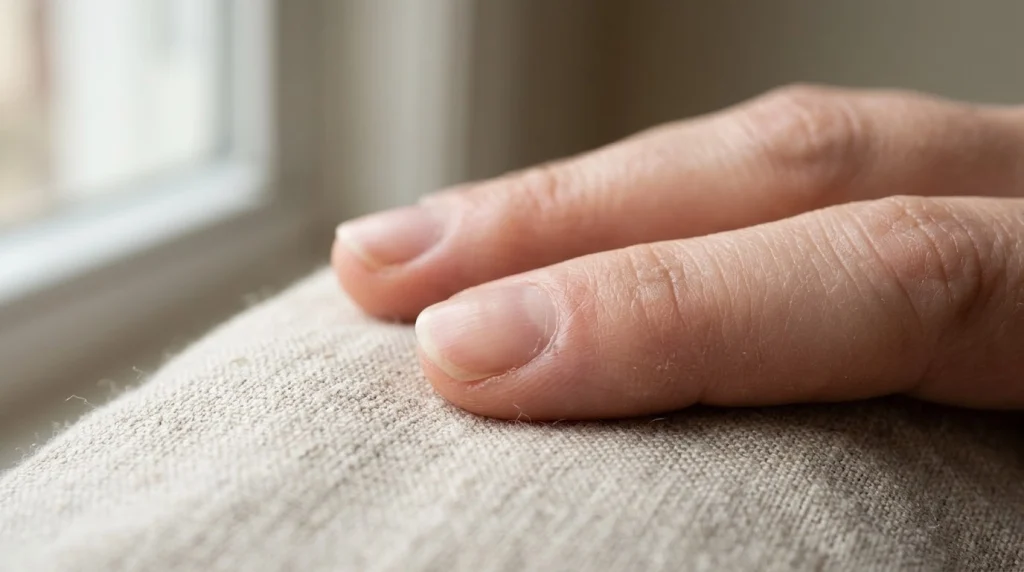
Your nails consist of several structures that work together to protect your fingertips and produce new nail growth.
The visible hard portion is called the nail plate. Underneath it sits the nail bed, while the nail matrix near the base of your nail produces new nail cells. The surrounding nail folds and cuticle help protect these sensitive areas.
When you bite the nail edge, you apply irregular pressure that can cause splitting or tearing. Picking at the cuticle or nail folds can break the protective skin barrier, leaving sensitive tissue exposed to irritation and microorganisms.
Repeated manipulation near the nail matrix can also interfere with normal nail formation. This may produce visible ridges or uneven growth.
One occasional bite won’t necessarily cause serious injury. The greater concern is repeated damage that doesn’t give your nails and surrounding skin enough time to recover.
For a closer explanation of how injuries affect new nail growth, explore our guide to nail growth and nail damage.
7 Ways Nail Picking or Biting Can Damage Your Nails
Not every damaged nail looks the same. Depending on where and how frequently you pick or bite, the effects may appear on the nail surface, along its edges, or in the surrounding skin.
1. Weakens the Natural Nail Plate
Your nail plate contains tightly packed layers of keratin. Biting and picking can tear or remove parts of these layers, especially when you repeatedly pull at an already weakened edge.
As the nail surface becomes uneven, you may notice that your tips catch on clothing or break during ordinary activities.
Repeatedly peeling nail polish, gel, or artificial enhancements can make the problem worse because some natural nail material may lift away with the product.
What you might notice: Rough edges, peeling layers, thin-looking patches, and nails that break before reaching your preferred length.
2. Causes Splitting and Uneven Nail Edges
When you bite your nails, your teeth rarely create a smooth edge. Instead, they may leave tiny tears that extend farther into the nail.
Picking at those irregular edges can deepen the damage, creating a repeating cycle: a rough edge encourages picking, and picking creates another rough edge.
If a split extends into the attached portion of the nail, it may become painful and require professional assessment.
What helps: Keep your nails comfortably short and smooth minor snags using a fine-grit file rather than pulling them away.
3. Damages the Cuticle’s Protective Barrier
Your cuticle provides an important seal between the nail plate and surrounding skin. It helps protect the vulnerable area where the nail emerges.
Picking, chewing, or aggressively trimming this tissue can disrupt that barrier. Once the skin is broken, irritation and infection become more likely.
The surrounding area may develop tenderness, small cracks, and painful hangnails.
Avoid cutting or pushing back damaged cuticles to make them look tidy. Protecting the remaining tissue is more important than achieving a perfectly clean-looking manicure.
4. Increases the Risk of Nail Infections
Your mouth naturally contains microorganisms. Biting your nails can introduce them to broken skin around your fingertips.
Picking can also create small openings that allow bacteria to enter. One possible complication is paronychia, an infection involving the skin around a nail.
Symptoms may include redness, warmth, swelling, tenderness, and sometimes pus.
Warning
Don’t squeeze pus, cut into swollen skin, or cover a suspected infection with acrylic nails or gel polish. Seek medical advice if you notice pus, increasing pain, warmth, swelling, or spreading redness. Fever or rapidly worsening symptoms need prompt medical attention.
5. Creates Ridges and Irregular Nail Growth
Repeated pressure against the nail fold near the cuticle can affect the matrix underneath.
Some people develop a condition called habit-tic nail deformity, which can produce a central groove and multiple horizontal ridges, often on the thumbnails.
This may happen when you repeatedly rub, push, or pick the same area without realizing it.
Once the repeated trauma stops, new nail growth may become smoother. However, severe or longstanding matrix injuries can sometimes leave persistent changes.
Because ridges can have several causes, don’t assume that every nail groove comes from picking.
6. Leads to Painful Hangnails and Skin Tears
Hangnails are small pieces of torn skin near the nail, not pieces of the nail itself.
When you pull or bite one, you may accidentally remove more healthy skin than intended. This creates a painful opening that can bleed or become irritated.
Dry hands can make the problem more frustrating because rough skin catches easily and encourages further picking.
Safer alternative: If a small hangnail is loose, carefully trim only the detached portion with clean nail clippers. Don’t cut into attached or painful skin.
7. Makes Nails More Vulnerable to Repeated Injury
Short, uneven nails may catch on fabric, while damaged fingertips can become uncomfortable during typing, washing dishes, or opening packages.
If you keep biting or picking the same area, your nails may struggle to grow beyond their damaged edges.
Some people also feel self-conscious about the appearance of their hands, which can increase stress and make the habit harder to manage.
The encouraging part is that reducing repeated trauma gives your nails a better opportunity to grow and remain intact.
What Are the Early Signs of Nail Damage From Picking or Biting?
You don’t have to wait for severe discomfort to recognize a problem. Early changes are often visible around the nail edges and cuticles.
Look for these signs:
- Uneven nail edges: Your tips appear jagged or shorter in some areas.
- Peeling layers: Thin pieces of nail separate near the free edge.
- Dry or torn cuticles: The skin surrounding your nails looks cracked or irritated.
- Repeated hangnails: Small pieces of skin keep catching on clothing.
- Visible ridges: Grooves or surface irregularities develop after repeated manipulation.
- Finger tenderness: Your fingertips become uncomfortable after biting or picking.
- New swelling: The skin around a nail becomes red, warm, or puffy.
The first few signs often indicate mechanical damage. Swelling, significant pain, or discharge may signal something more serious.
If you’re unsure whether your nails are showing ordinary damage or another problem, review these common signs of unhealthy nails.
Is Nail Picking Worse Than Nail Biting?
Both behaviors can cause damage, but they often affect different parts of the nail.
Nail biting commonly damages the free edge and can injure the surrounding skin. It also creates an opportunity for microorganisms from your mouth to contact broken skin.
Nail picking may affect the nail plate, cuticle, or nail folds, depending on where you pick. Repeated picking near the matrix can contribute to abnormal nail growth.
Neither habit is automatically harmless or more damaging in every case. The risk depends on the frequency, force, location, and whether the skin or nail is already injured.
Focus less on comparing the two habits and more on protecting the specific areas you tend to damage.
How Can You Help Nails Recover After Picking or Biting?
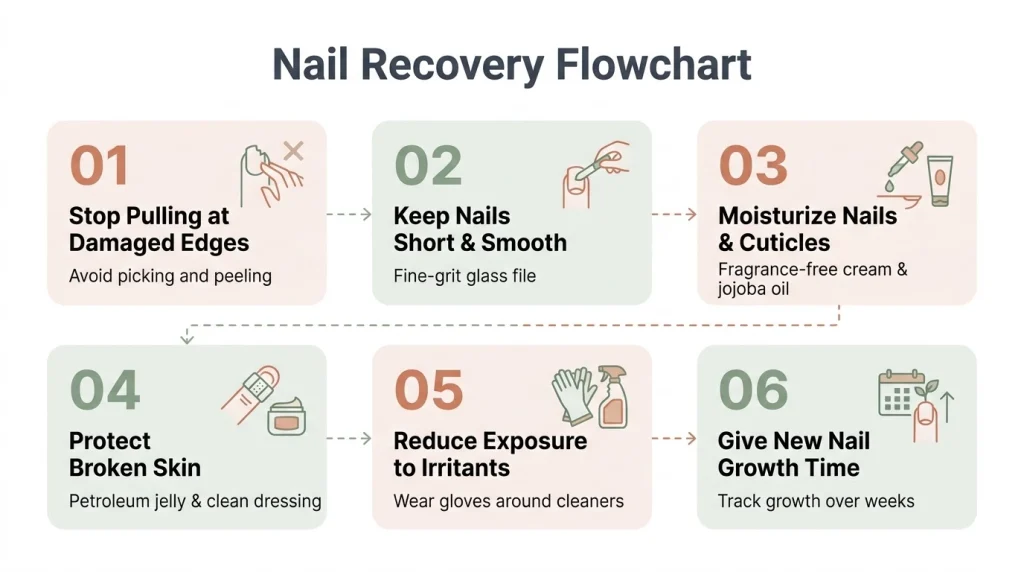
Most minor nail damage doesn’t require an expensive treatment routine. Your immediate priorities are to prevent fresh injuries, protect broken skin, and keep your nails comfortable while new growth develops.
Step 1: Stop Pulling at Damaged Edges
Start by identifying the areas you usually bite or pick. Look for rough nail tips, lifted polish, or small pieces of loose skin.
Avoid pulling off any attached nail material. If an edge is cracked deeply or painful, don’t attempt to trim below the safe free edge.
Common mistake: Trying to remove every visible imperfection immediately, which often creates fresh damage.
Step 2: Keep Your Nails Short and Smooth
Trim nails to a comfortable length using clean clippers. Shape the free edges gently so they are less likely to catch on clothing or tempt you to pick.
A fine-grit glass nail file can help smooth small snags without requiring aggressive filing.
Don’t file back and forth forcefully across thin or painful areas.
Common mistake: Filing the nail surface to erase ridges. This can remove more material from an already weakened nail.
Step 3: Moisturize Your Nails and Cuticles
Apply fragrance-free hand cream after washing your hands and before bed. Pay particular attention to the skin surrounding your nails.
For dry but unbroken cuticles, a small amount of jojoba cuticle oil may help condition the area and make rough skin feel smoother.
Plain petroleum jelly is another useful option for protecting dry skin.
Remember that moisturizing cannot replace torn nail layers or repair an injured matrix. Its main benefit is keeping surrounding skin comfortable and reducing dryness.
Step 4: Protect Broken Skin
If you accidentally tear the skin, wash the area gently with mild soap and running water. For minor bleeding, apply gentle pressure using clean gauze.
After cleaning a superficial wound, a thin layer of petroleum jelly and a clean dressing can help protect the area. Replace the dressing when it becomes wet or dirty.
Avoid biting the area again, and don’t apply cosmetic nail products directly over open skin.
Deep wounds, persistent bleeding, or increasing inflammation should be assessed by a healthcare professional.
Step 5: Reduce Exposure to Irritants
Repeated contact with detergents and cleaning chemicals may irritate already damaged skin.
Wear suitable protective gloves when washing dishes or using household cleaners. Dry your hands thoroughly afterward and reapply moisturizer when needed.
Skip harsh cuticle removers, aggressive buffing, and unnecessary scraping while your nails recover.
Step 6: Give New Nail Growth Time
Once a nail plate has been physically damaged, the injured portion cannot simply fuse back into its original structure.
Instead, your nail matrix produces new material that gradually moves toward the fingertip.
Track changes by taking a photograph every few weeks in similar lighting. Look for smoother new growth near the base rather than expecting an instant transformation.
For a more detailed routine, see our guide on how to repair a damaged nail at home safely.
Pro Tip
Keep a small nail file and hand moisturizer where you usually notice the urge to pick, such as your desk or bedside table. Removing rough edges safely can reduce one common physical trigger without creating another injury.
How Can You Stop Nail Picking or Biting?
Stopping a repetitive habit often requires more than deciding to quit. Many people bite or pick automatically while concentrating, feeling bored, or managing uncomfortable emotions.
Instead of relying only on willpower, use practical strategies that interrupt the behavior.
Identify When the Habit Happens
Notice what you’re doing immediately before picking or biting. Do you reach for your nails while watching television, studying, scrolling, or waiting?
Write down the situation, what you were feeling, and which nail you touched. Recognizing a pattern helps you prepare an alternative response.
Replace the Movement With Another Action
When you feel the urge, try holding a stress ball, gently clasping your hands, or using a small fidget object.
A silicone fidget ring may provide something for your fingers to manipulate without pulling at your nails.
Choose an alternative that doesn’t hurt your hands or interfere with activities requiring concentration.
Create a Gentle Physical Reminder
If you frequently bite your nails, an over-the-counter bitter-tasting nail-biting deterrent polish may help remind you not to bring your fingers to your mouth.
Follow its product directions, and avoid applying it to broken, infected, or irritated skin.
Some people find that a temporary bandage over a frequently picked finger provides a useful reminder. Change coverings regularly and avoid using irritating adhesives on injured skin.
Start With One or Two Nails
If stopping all at once feels difficult, choose one or two nails to protect first.
Keep them trimmed, moisturized, and free from rough edges. Once you can consistently avoid picking those nails, gradually extend the same routine to the others.
A setback doesn’t erase the progress you’ve already made. Focus on reducing how often and how severely the habit occurs.
Consider Habit-Reversal Support
If you repeatedly pick or bite despite wanting to stop, structured behavioral support may help.
Habit reversal training teaches you to recognize urges and practice an alternative response. It can be especially useful when the behavior feels automatic or difficult to control.
A healthcare or mental-health professional familiar with body-focused repetitive behaviors can help you find an approach suited to your situation.
How Long Does It Take for Nails to Recover From Biting or Picking?
Recovery depends on whether the damage affects only the nail edge, the surrounding skin, or the nail-producing matrix.
Minor superficial skin injuries may improve over days when they remain clean and protected, although healing times vary.
Damaged nail plates need considerably longer because the existing nail material must grow outward. Fingernails typically grow approximately 3 millimeters per month, and full fingernail replacement commonly takes around four to six months or longer.
You may notice fewer snags and less new damage before an entire nail has grown out.
Repeated matrix trauma may take longer to improve. Some changes can persist if the underlying growth tissue has been significantly injured.
Read more about whether damaged nails can be restored to understand the difference between protecting existing nails and producing healthier new growth.
What Should You Avoid While Your Nails Are Healing?
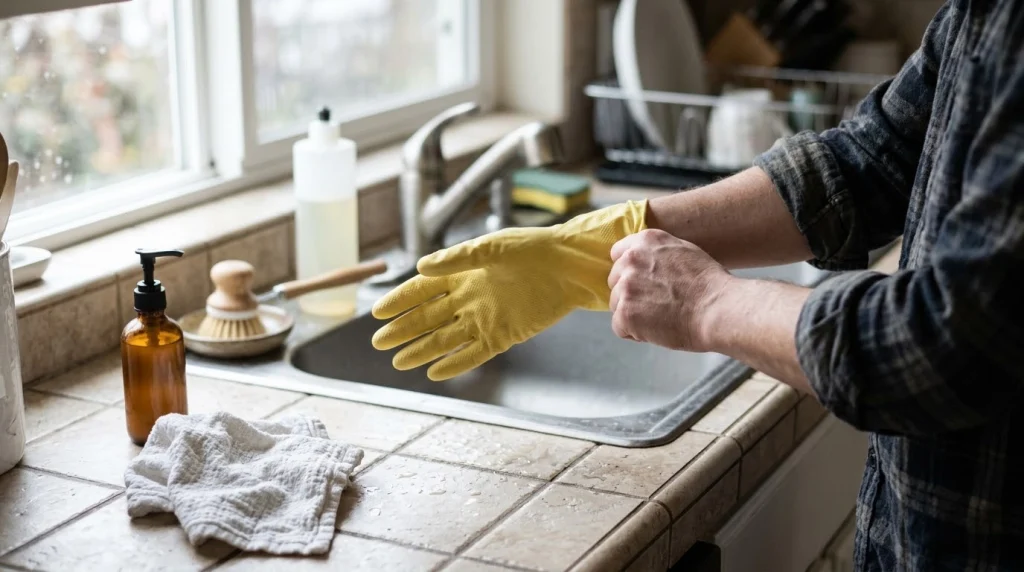
Giving your nails a break doesn’t mean you need a complicated beauty routine. A few simple boundaries can prevent unnecessary additional damage.
Do
- Keep your nails gently trimmed.
- Moisturize surrounding skin daily.
- Protect minor wounds with clean dressings.
- Wear gloves around cleaning chemicals.
- Practice alternative habits when urges appear.
Don’t
- Pull off attached nail layers.
- Cut or bite living cuticle tissue.
- Buff thin nails aggressively.
- Apply artificial nails over infected skin.
- Ignore worsening pain or swelling.
When Should You See a Dermatologist?
Many mild nail injuries can be managed with gentle care, but certain changes deserve medical evaluation.
Contact a healthcare professional if you experience:
- Increasing redness, warmth, or swelling around a nail.
- Pus, significant tenderness, or worsening pain.
- A nail that has lifted substantially from its nail bed.
- Persistent bleeding or a deep wound.
- Abnormal nail growth that continues despite stopping the habit.
- A new or changing dark nail streak, or another unexplained discoloration.
- Repeated infections or nail injuries that interfere with daily life.
Seek urgent medical care for rapidly spreading redness, fever with a suspected nail infection, or severe symptoms.
Not every nail change is caused by biting or picking. Skin conditions, infections, injuries, and other medical problems can produce similar appearances.
A dermatologist can examine the nail structures and recommend appropriate treatment when needed.
Frequently Asked Questions About Nail Picking and Biting
Q: Can nail biting permanently damage your nails?
A: Yes, severe or repeated injuries to the nail matrix can sometimes create lasting changes. However, many mild nail problems improve when you stop biting and allow healthy new nail material to grow.
Q: Will bitten nails grow back normally?
A: They often can if the nail matrix remains healthy. Keeping your nails protected and avoiding repeated trauma gives new nail growth a better chance to develop normally. Persistent changes should be examined by a dermatologist.
Q: Why do my nails hurt after picking them?
A: Picking can expose sensitive tissue or create small skin tears. Mild soreness may improve when the area is protected, but increasing pain, warmth, swelling, or pus may indicate infection and requires medical advice.
Q: Can cuticle oil repair nail-biting damage?
A: Cuticle oil can help condition dry surrounding skin, but it cannot rebuild missing nail layers or repair a damaged matrix. Gentle grooming, protection, and time are more important for nail recovery.
Q: Can stress make you bite or pick your nails?
A: Yes. Stress, boredom, and concentration can trigger these behaviors, although everyone’s triggers are different. Identifying your patterns and practicing alternative responses may help you reduce the habit.
How Can You Keep Your Nails Healthier Moving Forward?
Understanding how nail picking or biting can damage nails is the first step toward protecting your fingertips and supporting healthier nail growth.
Keep your nails smooth, moisturize the surrounding skin, avoid pulling at damaged areas, and use simple replacement habits whenever you feel tempted to pick or bite.
Your nails don’t need to look perfect overnight. Consistent protection gives them the opportunity to recover gradually.
Save this guide to your Pinterest nail-care board so you can return to these tips whenever your nails need a little extra attention.
Medical note: This article provides general educational information and isn’t a substitute for professional diagnosis or treatment.
As an Amazon Associate, we earn from qualifying purchases made through eligible affiliate links.

Hi, I’m Jessica, the creator behind Unique Lash & Nails Katy.
I created this website for anyone who loves beautiful nails as much as I do. Here, I share trendy nail designs, seasonal manicure ideas, easy nail care tips, honest product recommendations, and step-by-step guides to help you create salon-worthy nails at home. Whether you’re looking for everyday inspiration or your next favorite nail trend, I hope you’ll find something you love.