Common Causes of Nail Damage: 12 Reasons & Fixes
Quick Answer
The most common causes of nail damage include repeated exposure to water, harsh cleaning chemicals, improper gel or acrylic removal, excessive filing, nail biting, and physical injuries. In some cases, nutritional deficiencies, fungal infections, psoriasis, or thyroid disorders contribute to nail changes. Protect your nails by moisturizing regularly, wearing gloves during wet chores, avoiding aggressive manicures, and giving damaged nails time to grow out. Seek medical advice for painful, swollen, lifting, or unexpectedly discolored nails.
Have your nails suddenly started peeling, breaking, or feeling thinner than usual? Maybe your manicure looked beautiful last week, but now your natural nails feel weak and rough. It’s frustrating, especially when you’re trying to grow healthy, attractive nails.
Understanding the common causes of nail damage is the first step toward protecting your nails. Some problems come from everyday habits, while others may signal an underlying health condition. Here’s how to recognize the difference and make smarter choices for your nail care routine.


What Does Nail Damage Actually Look Like?
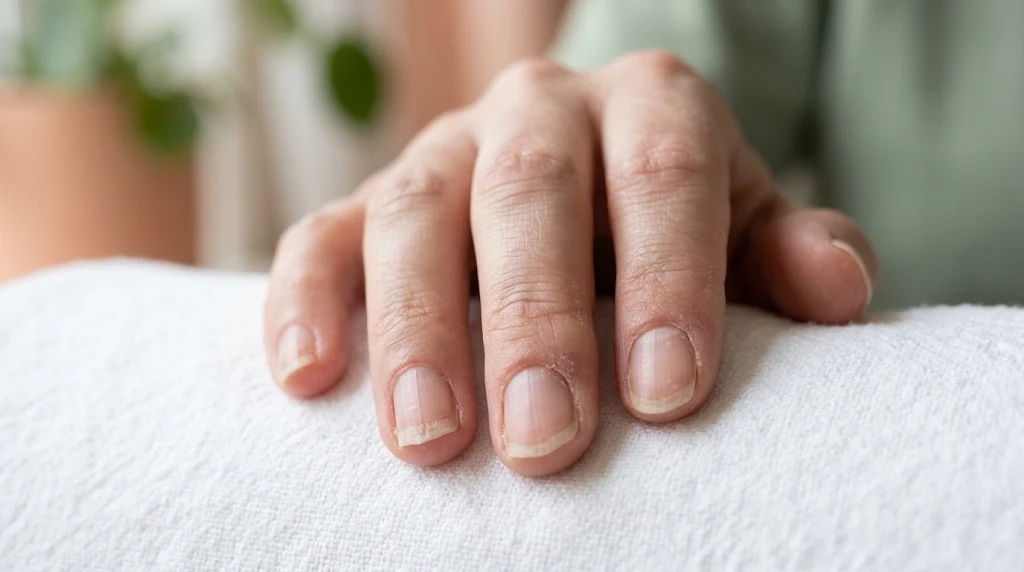
Your nails are primarily made of keratin, a protective protein that forms the hard nail plate. Healthy nails generally have a relatively smooth surface, remain attached to the nail bed, and grow without persistent splitting or unusual discoloration.
Damaged nails can look different depending on what caused the problem. A manicure-related injury may create thin, rough areas, while frequent water exposure often contributes to peeling tips. Infections or inflammatory conditions may change the nail’s color, thickness, or attachment.
Common Signs of Nail Damage
- Brittle nails: Nails crack or break with ordinary activities.
- Peeling layers: Thin sections separate near the free edge.
- Soft nails: Nails bend more easily than usual.
- Surface roughness: Nails develop scratches, grooves, or uneven areas.
- Nail splitting: Cracks develop vertically or horizontally.
- Discoloration: Nails become yellow, white, greenish, brown, or unusually dark.
- Nail lifting: Part of the nail separates from the underlying nail bed.
- Cuticle irritation: The surrounding skin becomes dry, cracked, tender, or inflamed.
Not every nail change means serious damage. For example, mild vertical ridges can become more noticeable with age. However, unexplained changes deserve attention, particularly when accompanied by pain, swelling, or separation.
For additional visual clues, explore our guide to signs of unhealthy nails.
What Are the Most Common Causes of Nail Damage?
Most everyday nail damage develops gradually. Several small habits may weaken the nail plate before you notice a major break. Understanding these triggers helps you decide what to change.
1. Frequent Exposure to Water
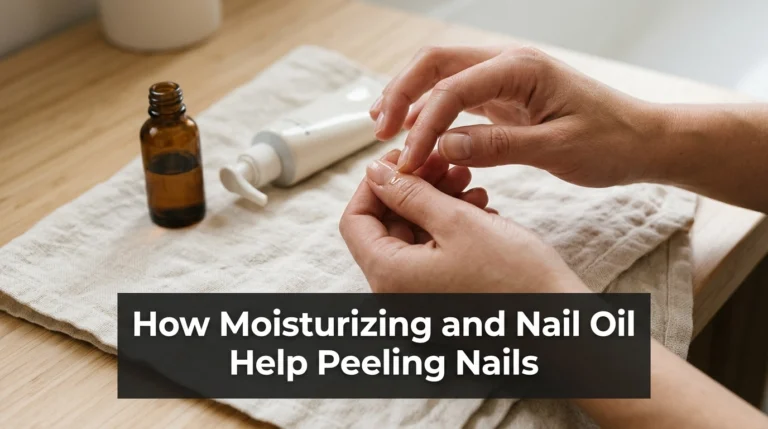
Repeated wetting and drying is one of the most common reasons natural nails become brittle or start peeling.
Your nail plate absorbs moisture and changes slightly as it becomes wet and dries again. When this cycle happens repeatedly, the nail becomes more vulnerable to splitting and separation of its layers.
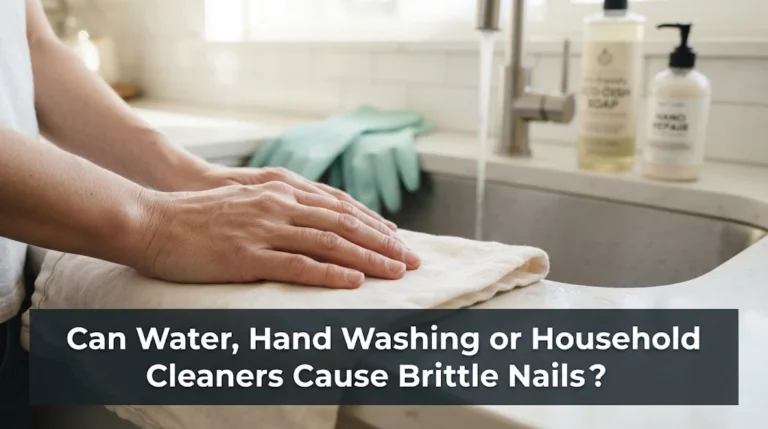
You may be especially affected if you frequently wash dishes, clean your home, swim, or work in an environment where your hands remain wet.
What you can do: Wear suitable protective gloves during wet household chores. Dry your hands thoroughly afterward and apply a moisturizer to your nails and surrounding skin.
Pro Tip
Keep a small tube of hand cream beside your kitchen sink. Moisturizing immediately after washing and drying your hands makes consistent nail care much easier.
2. Harsh Cleaning Products and Chemical Exposure
Household detergents, strong cleaning solutions, and repeated exposure to certain solvents can irritate the skin around your nails and contribute to dryness and brittleness.
The risk increases when you combine chemical exposure with frequent handwashing. Your nails and surrounding skin may not have enough time to recover between exposures.
Warning signs: Dry cuticles, cracked fingertips, peeling nail tips, or irritation after cleaning.
What you can do: Use gloves appropriate for the cleaning product, follow product safety instructions, and avoid unnecessarily prolonged contact with detergents.
3. Improper Gel Nail Polish Removal
Gel polish creates a durable manicure, but removing it incorrectly can damage the natural nail surface.
When you peel or pry gel polish away, you may remove thin layers of the nail plate along with the coating. This can leave your nails looking rough, patchy, and unusually flexible.
Aggressive scraping or excessive filing during removal can cause similar problems.
What you can do: Follow the removal instructions for the particular gel system. Never force off a coating that remains firmly attached. If you’re uncertain about the product, ask a qualified nail technician for appropriate removal.
Give visibly thin or irritated nails a break before applying another long-wear enhancement.
4. Acrylic Nails and Repeated Enhancements
Acrylic extensions can create dramatic nail designs, but repeated preparation, application, and removal may weaken natural nails.
The damage often comes from filing the natural nail plate, rough removal, or repeated mechanical stress rather than from nail length alone.
Long extensions also create extra leverage. When an extension catches on clothing or another object, the force can transfer to the natural nail underneath.
What you can do: Choose a trained technician, avoid unnecessary filing, and do not pull off acrylic enhancements yourself. Consider shorter extensions if your nails frequently catch or bend.
If your natural nails become thin, sore, or brittle, postpone additional enhancements until the damage has been assessed and the affected nail has grown out.
5. Excessive Nail Filing and Buffing
Filing is useful for shaping your nails, but removing too much material can make them fragile.
Repeatedly buffing the nail surface to eliminate ridges or improve product adhesion may gradually thin the nail plate.
Once the plate becomes thin, nails may bend, split, or feel uncomfortable under pressure.
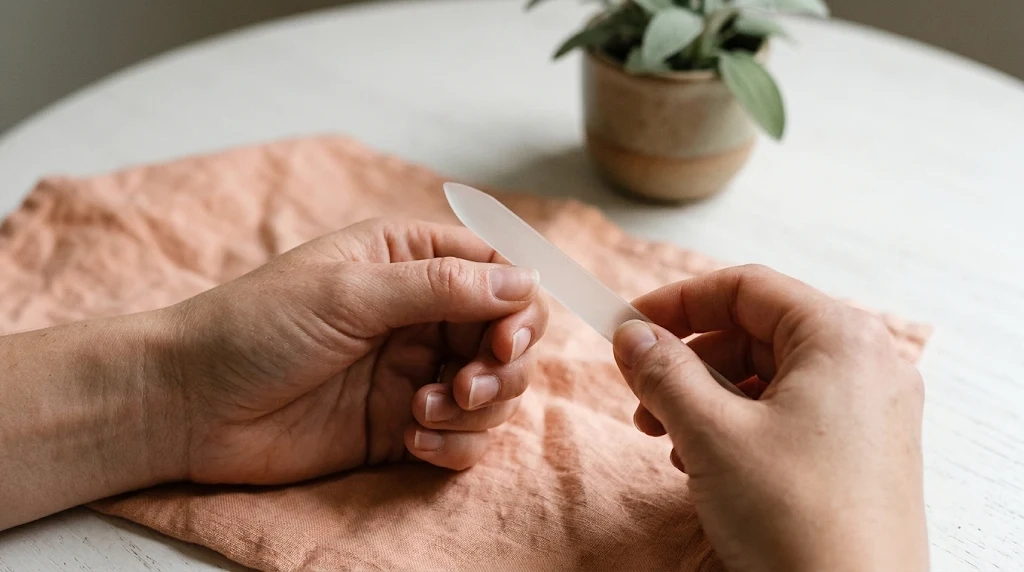
What you can do: Use a fine-grit or glass file to smooth the free edge. Avoid excessive pressure, unnecessary surface buffing, and repeatedly filing the same weak area.
Remember that a naturally ridged nail doesn’t always need to be polished perfectly smooth.
6. Nail Biting and Picking
Nail biting and repetitive picking can damage both the nail plate and the delicate skin surrounding it.
Biting creates irregular edges that snag easily. Picking at the cuticle or nail fold may also injure the area where new nail grows.
Repeated trauma can contribute to distorted growth, inflammation, and infections around the nail.
What you can do: Keep nails comfortably short, smooth rough edges, and identify situations that trigger biting or picking.
If you frequently bite your nails while concentrating, try keeping a stress ball or another hand-friendly object nearby. Persistent, difficult-to-control picking may benefit from behavioral support.
7. Cutting or Damaging the Cuticles
Your cuticle forms part of the protective seal around the area where your nail emerges.
Cutting healthy cuticle tissue too deeply can disrupt this barrier, making irritation and infection more likely.
You may notice tenderness, redness, or swelling after an aggressive manicure.
What you can do: Avoid cutting healthy cuticle tissue. Instead, moisturize regularly and carefully trim only clearly detached hangnails with clean tools.
Warning
Do not cut, squeeze, or dig into swollen skin around your nails. Increasing redness, warmth, throbbing pain, or pus may indicate an infection that needs medical treatment.
8. Physical Injuries and Everyday Nail Trauma
Accidents can damage your nails immediately, but smaller repetitive injuries are also important.
Using your nails to open cans, scrape labels, or pry apart objects creates pressure at the nail tips. Repeated stress may cause cracks or separation.
Slamming a finger in a door or crushing a nail can injure deeper structures, including the nail bed or matrix.
What you can do: Use proper tools instead of your fingernails. Keep fragile nails at a manageable length and smooth snags before they develop into larger cracks.
Seek medical attention for severe pain, significant bleeding, a crushed nail, or a deep split involving attached tissue.
9. Nutritional Deficiencies
Your body needs adequate nutrients to produce and maintain healthy nails. In some cases, insufficient iron, protein, or certain vitamins may contribute to nail abnormalities.
For example, iron-deficiency anemia can sometimes be associated with thin or spoon-shaped nails.
However, brittle nails alone do not prove that you have a nutritional deficiency. Frequent wet work and cosmetic damage are much more common explanations.
What you can do: Eat a varied diet containing protein-rich foods, vegetables, fruits, whole grains, and appropriate sources of iron.
If you have persistent nail changes accompanied by fatigue, unusual weakness, or other symptoms, ask a healthcare professional whether testing is appropriate.
Do not start high-dose supplements simply because your nails are brittle. Evidence for routine biotin supplementation is limited, and biotin can interfere with certain medical laboratory tests.
10. Fungal and Bacterial Infections
Some nail problems are caused by infections rather than cosmetic damage.
A fungal nail infection may lead to thickening, discoloration, crumbling, or separation of the nail. Bacterial infections around the nail can cause painful swelling, redness, and sometimes drainage.
These conditions require a different approach from ordinary dryness or peeling.
What you can do: Keep your nails clean, use properly sanitized manicure tools, and avoid sharing nail equipment.
If a nail becomes increasingly thick, discolored, painful, or detached, arrange an evaluation. A clinician may need to test the nail because several noninfectious conditions can resemble fungal infections.
11. Skin Conditions and Medical Disorders
Persistent nail changes occasionally reflect conditions affecting the skin or the body.
Nail psoriasis can create small pits, discoloration, thickening, or nail lifting. Eczema around the fingers can contribute to irritation and abnormal nail growth.
Thyroid disorders may also be associated with brittle or splitting nails.
Some illnesses temporarily interrupt nail growth, producing horizontal grooves known as Beau’s lines.
What you can do: Pay attention to changes that affect several nails, appear without an obvious cause, or occur alongside other health symptoms.
A dermatologist or primary care clinician can help determine whether the problem is cosmetic, inflammatory, infectious, or related to another medical condition.
12. Aging and Natural Nail Changes
Your nails can change as you get older. Growth may slow, vertical ridges can become more noticeable, and the nail plate may become increasingly brittle.
These changes are not necessarily signs of poor nail care.
However, aging does not explain every new nail abnormality, especially sudden pain, swelling, or a new dark streak.
What you can do: Focus on gentle maintenance, regular moisturizing, and protection from unnecessary trauma rather than trying to file away every natural ridge.
How Can You Identify What’s Damaging Your Nails?
Look at when the problem started and which nails are affected. The timing often provides helpful clues, although it cannot confirm a medical diagnosis.
- Damage after gel removal: Peeling or rough surfaces may reflect mechanical damage from scraping or picking.
- Damage after frequent cleaning: Brittle, splitting tips may be related to repeated water and detergent exposure.
- Damage affecting one nail: Consider a recent injury, repeated friction, or a localized nail condition.
- Damage affecting several nails: Consider widespread product exposure, wet work, or an underlying condition.
- Yellow, thick, crumbly nails: An infection is possible, but medical confirmation may be needed.
- Small pits or unusual grooves: These may indicate an inflammatory condition or an interruption in nail growth.
One useful habit is to photograph your bare nails once every few weeks under similar lighting. Comparing pictures may help you notice whether damage is growing outward or new changes are appearing.
How Can You Prevent Nail Damage?
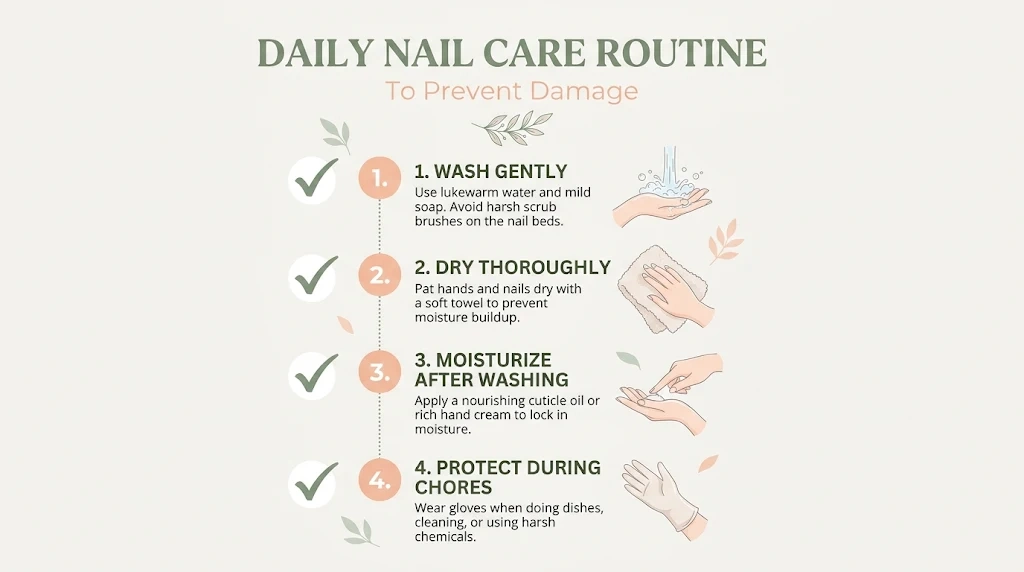
You don’t need a complicated routine to protect your natural nails. The biggest improvements often come from reducing repeated exposure and handling your nails more gently.
Build a Simple Daily Nail Care Routine
- Wash gently: Clean your hands with mild soap and avoid unnecessarily prolonged soaking.
- Dry thoroughly: Pay attention to the skin around your nails and between your fingers.
- Moisturize: Apply hand cream to your nails, fingertips, and surrounding skin after washing.
- Protect during chores: Use appropriate gloves for dishwashing and cleaning.
- Inspect your nails: Smooth small snags before they develop into deeper splits.
- Avoid unnecessary trauma: Don’t use your nails as tools or pick off coatings.
For a more complete maintenance schedule, follow our simple nail care routine for healthy nails.
Choose Gentler Manicure Habits
If you enjoy Pinterest-inspired nail designs, you don’t necessarily need to stop wearing polish. Instead, pay attention to preparation, removal, and the condition of your bare nails.
Choose a nail length that suits your daily activities. Avoid technicians who aggressively file healthy nail tissue or cut into protective skin. Take a break from enhancements whenever your nails become noticeably thin, painful, or irritated.
Do
- Keep damaged nails short.
- Moisturize after washing.
- Wear gloves for wet chores.
- Use clean manicure tools.
- Allow damaged sections to grow out.
Don’t
- Peel off gel or acrylic.
- Over-buff thin nails.
- Cut healthy cuticles.
- Use nails to open objects.
- Cover painful or infected nails.
Can Damaged Nails Become Healthy Again?
Many mildly damaged nails can return to a healthier appearance, but the existing nail plate does not repair itself the way living skin does.
When a nail becomes thin or split, the damaged area generally needs to grow outward and eventually be trimmed away. Your goal is to protect the remaining nail while new material grows from its base.
Fingernails often take approximately four to six months to replace completely, although individual growth rates vary. Toenails generally take much longer and may require 12 to 18 months.
You may notice less dryness within days of consistent moisturizing, but this does not mean the damaged nail plate has regenerated.
For practical recovery advice, see our detailed guide on how to repair a damaged nail at home safely.
What Should You Do While Damaged Nails Grow Out?
Start by identifying and stopping the source of damage. If repeated gel removal is the cause, avoid another removal cycle. If dishwashing triggers peeling, use protective gloves consistently.
Keep your nails comfortably short and smooth rough edges with a gentle file. Use moisturizer regularly, especially after washing.
Don’t attempt to cover a deep crack, infected nail, or significantly lifted nail with glue, acrylic, or another enhancement. Those problems deserve professional assessment.
Which Nail Care Products Are Actually Useful?
You don’t need a shelf full of expensive treatments. A few practical items can reduce everyday exposure, improve comfort, and help prevent additional breakage.
Disclosure: Some links below are Amazon affiliate search links. As an Amazon Associate, we earn from qualifying purchases.
1. Fragrance-Free Moisturizing Hand Cream
Choose a moisturizing cream containing ingredients such as glycerin, petrolatum, or ceramides. Applying it after handwashing helps care for dry fingertips and surrounding skin.
Recommended Product
Fragrance-Free Hand Moisturizing Cream
A practical everyday choice for people whose hands and cuticles frequently become dry.
As an Amazon Associate, we earn from qualifying purchases.
2. Fine-Grit Glass Nail File
A smooth glass nail file can help you shape fragile tips and remove small snags without relying on aggressive filing.
Recommended Product
Fine-Grit Glass Nail File
Useful for gently smoothing edges that might otherwise catch on clothing and split.
Find Glass Nail Files on Amazon
As an Amazon Associate, we earn from qualifying purchases.
3. Protective Cleaning Gloves
Reusable household gloves can reduce direct exposure to water and detergents. Choose a comfortable size, keep the inside dry, and replace gloves that become damaged.
Recommended Product
Cotton-Lined Household Cleaning Gloves
Helpful for washing dishes and completing wet chores without repeatedly soaking your nails.
Find Cleaning Gloves on Amazon
As an Amazon Associate, we earn from qualifying purchases.
When Should You See a Doctor About Nail Damage?
Most minor nail damage can be managed by reducing trauma and protecting the nails while they grow. However, some changes need medical attention rather than cosmetic treatment.
Contact a healthcare professional if you notice:
- Persistent or worsening pain around a nail.
- Redness, warmth, swelling, or pus.
- Significant separation from the nail bed.
- Sudden or unexplained changes in nail shape.
- Persistent thickening, discoloration, or crumbling.
- A new or changing dark streak, particularly one extending onto surrounding skin.
- Repeated splitting from the same area near the nail base.
- Nail changes accompanied by unusual fatigue or other unexplained symptoms.
Important Safety Reminder
A new or changing dark nail streak should be examined promptly by a dermatologist. Although many causes are harmless, some unusual pigmentation patterns require evaluation to rule out serious conditions, including nail melanoma.
What Nail Care Mistakes Can Make Damage Worse?
Sometimes your attempt to improve damaged nails unintentionally creates additional problems.
Problem: Peeling nails keep splitting.
Immediate action: Trim loose tips conservatively and smooth snags. Prevention: Reduce prolonged water exposure and moisturize consistently.
Problem: Nails feel thin after gel removal.
Immediate action: Stop further filing or scraping. Prevention: Follow product-specific removal instructions and avoid peeling coatings off.
Problem: Cuticles become sore after manicures.
Immediate action: Stop cutting or picking the affected skin. Prevention: Leave healthy cuticles intact and moisturize regularly. Seek care if signs of infection appear.
Problem: The same nail repeatedly cracks.
Immediate action: Keep it short and minimize pressure. Prevention: Avoid repeated trauma. Consult a dermatologist if the crack returns from the same location without an obvious cause.
Frequently Asked Questions About Nail Damage
Q: What is the number one cause of damaged nails?
A: There isn’t one cause for everyone. Frequent water exposure, detergents, mechanical trauma, and aggressive manicure removal are common contributors. The most likely cause depends on your habits and symptoms.
Q: Can damaged nails grow back normally?
A: Yes, many nails return to a normal appearance once the damaging factor is removed and the affected plate grows out. Severe injury to the nail matrix may sometimes cause lasting changes.
Q: Does nail polish permanently damage your nails?
A: Ordinary nail polish does not automatically cause permanent damage. However, repeated harsh removal, picking, and aggressive preparation can weaken the natural nail plate.
Q: Can a vitamin deficiency cause nails to split?
A: Certain nutritional deficiencies may contribute to nail abnormalities, but splitting is often linked to water exposure or physical damage. A clinician can investigate persistent changes when deficiency is suspected.
Q: How long does it take for damaged nails to recover?
A: A fingernail commonly needs four to six months to replace its entire length. You may see cosmetic improvements sooner, but damaged nail layers generally must grow out rather than heal in place.
Final Thoughts: Protect Your Nails Before Damage Starts
The common causes of nail damage are often everyday habits that you can change. Gentle manicures, regular moisturizing, protective gloves, and less picking or filing can help keep your nails in better condition.
Pay attention to persistent or unusual changes instead of covering them with another manicure. Healthy-looking nails start with understanding what they’re telling you.
Save this guide to your Pinterest nail care board so you can revisit these practical prevention tips whenever your nails need extra attention.

Hi, I’m Jessica, the creator behind Unique Lash & Nails Katy.
I created this website for anyone who loves beautiful nails as much as I do. Here, I share trendy nail designs, seasonal manicure ideas, easy nail care tips, honest product recommendations, and step-by-step guides to help you create salon-worthy nails at home. Whether you’re looking for everyday inspiration or your next favorite nail trend, I hope you’ll find something you love.