Weak Fingernails vs Toenails: Easy Care Differences
Quick Answer
To care for weak fingernails vs toenails, focus on their different daily stresses. Fingernails benefit from moisturizing after handwashing, wearing gloves during wet chores, and gentle filing. Toenails need straight-across trimming, breathable footwear, dry feet, and protection from shoe pressure. Both need consistent care, gentle grooming, and time for damaged sections to grow out.
Have you noticed that your fingernails peel after a manicure while your toenails become brittle, thick, or cracked? Although both are made primarily of keratin, they experience very different types of wear.
Your hands constantly encounter water, cleaning products, and manicure treatments. Your feet spend hours inside shoes, where moisture, friction, and pressure can create different nail problems.
Understanding these differences helps you choose the right routine instead of applying the same treatment to every nail.


Why Do Weak Fingernails and Toenails Need Different Care?
Fingernails and toenails share a basic structure, but their surroundings affect how they grow, break, and recover.
Fingernails generally grow faster and receive more exposure to water and cosmetic treatments. Toenails grow more slowly and are more vulnerable to repeated pressure, impact, and some fungal infections.
Weak Fingernails: The Main Challenges
- Frequent moisture exposure: Repeated wetting and drying can contribute to peeling and splitting.
- Manicure damage: Aggressive filing, scraping, and peeling off gel polish may thin the nail plate.
- Daily impact: Typing, opening containers, and using nails as tools can create cracks.
- Dryness: Repeated washing and exposure to detergents can leave nails and surrounding skin dry.
- Excessive length: Long, fragile tips have more leverage and may break easily.
Weak Toenails: The Main Challenges
- Shoe pressure: Tight toe boxes can repeatedly press against the nails.
- Moist environments: Sweaty socks and enclosed shoes can encourage fungal growth.
- Sports-related trauma: Running, dancing, and hiking can repeatedly stress toenails.
- Improper trimming: Rounded or deeply cut corners can increase the risk of ingrown nails.
- Slow growth: Visible damage may remain for many months before growing out.
If you’re unsure why several nails have become fragile, explore our guide on common causes of weak nails to identify possible everyday triggers.
How Can You Tell Whether Your Nails Are Weak or Damaged?
A weak nail may bend, split, peel, or break more easily than expected. However, not every unusual nail needs a strengthening treatment.
Look at the location, color, thickness, and pattern of the damage.
Signs of Weak Fingernails
- Thin layers peeling from the tips.
- Small cracks along the free edges.
- Nails bending during ordinary activities.
- Rough surfaces after manicure removal.
- Repeated breakage before nails reach your desired length.
Signs of Weak Toenails
- Edges that chip or crumble.
- Repeated splitting after wearing tight shoes.
- Damage concentrated on frequently pressured toes.
- Nails that become loose following an injury.
- Unusual thickening or discoloration that may require professional assessment.
Warning
Thick, yellow, crumbly toenails are not necessarily ordinary weakness. Fungal infection, psoriasis, injury, and other conditions can cause similar changes. Seek medical advice for persistent changes, pain, swelling, nail lifting, or a new or changing dark streak.
How Should You Care for Weak Fingernails?
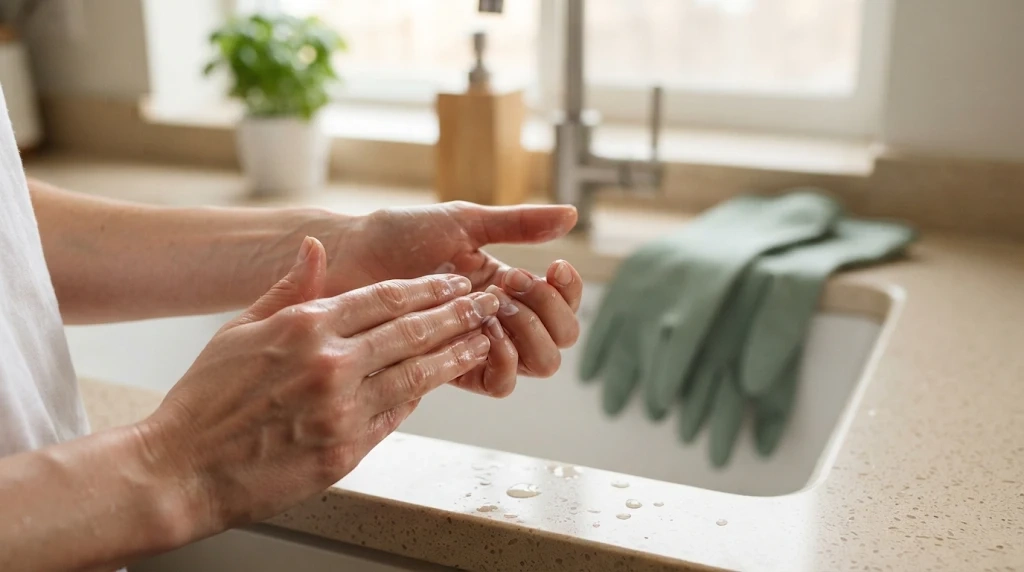
Your main goal is to reduce avoidable damage while supporting healthy new growth. These methods suit nails that are dry, peeling, thin, or prone to breaking.
1. Moisturize After Washing Your Hands
Frequent handwashing can contribute to dryness around your nails. Apply fragrance-free hand cream after washing, rubbing a small amount across each nail and its surrounding skin.
At bedtime, add a little petroleum jelly if your cuticles feel particularly dry. This helps reduce moisture loss from the skin.
Best for: Dry nails, peeling edges, and rough cuticles.
Limitation: Moisturizer cannot permanently repair an existing crack in the nail plate.
2. Keep Fingernails Short and Smooth
Shorter nails experience less leverage during daily activities. Trim fragile nails near fingertip length, then gently smooth sharp corners.
A fine-grit or glass nail file can help you control small snags without aggressively buffing the nail surface.
Try a short oval or squoval shape if your nails regularly catch on clothing.
Best for: Nails that repeatedly crack at the corners or break during everyday activities.
3. Protect Your Nails During Household Chores
Dishwashing and household cleaning expose nails to water, detergents, and repeated wetting-and-drying cycles.
Wear reusable protective gloves for longer wet chores. Dry your hands afterward and apply moisturizer.
If gloves become sweaty, remove them and let your hands dry before continuing.
Best for: Anyone who washes dishes, cleans frequently, or handles irritating cleaning products.
4. Remove Manicures Gently
Gel, dip powder, and acrylic manicures can look beautiful, but rough removal can damage natural nails.
Never peel or pry enhancements away. Follow the appropriate removal method or visit a qualified nail technician.
If your nails feel noticeably thin or sore after removal, avoid additional aggressive filing and give the damaged section time to grow out.
For additional prevention strategies, see our guide on how to stop nails from breaking.
How Should You Care for Weak Toenails?
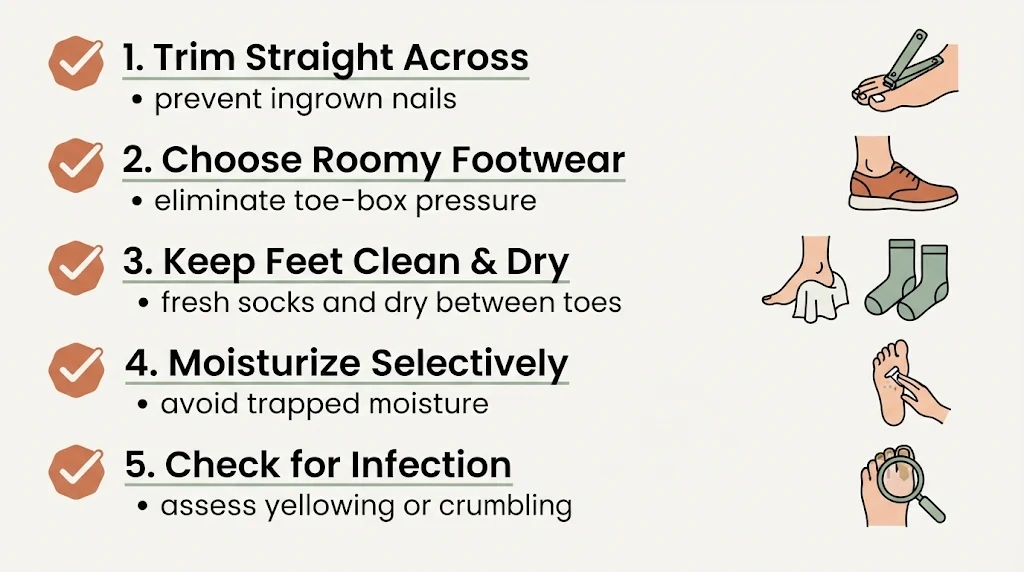
Toenail care requires more attention to trimming technique, footwear, hygiene, and pressure management. A product that helps dry fingernails won’t necessarily solve a toenail problem caused by tight shoes.
1. Trim Toenails Straight Across
Use clean toenail clippers and trim straight across, leaving a small amount of free edge. Smooth sharp corners gently without digging into the sides.
Avoid cutting nails extremely short because the surrounding skin may become irritated as the nail grows.
If toenails are unusually thick or difficult to reach, a podiatrist can help with safe trimming.
Best for: Preventing avoidable edge damage and reducing the risk of ingrown toenails.
2. Choose Shoes With Enough Toe Space
Repeated pressure from poorly fitting shoes can traumatize toenails, especially during running or long walks.
Choose footwear that leaves enough room for your toes to move comfortably. Your nails shouldn’t repeatedly strike the front of your shoes.
If you regularly experience nail discomfort after exercise, review your shoe fit rather than applying more nail treatments.
Best for: Runners, walkers, dancers, and anyone experiencing pressure-related toenail damage.
3. Keep Feet Clean and Dry
Wash your feet regularly and dry them thoroughly, especially between your toes.
Change into clean socks daily or more frequently when they become damp. Rotate shoes when practical so they can dry between uses.
Wear shower sandals in shared locker rooms and pool areas to reduce exposure to organisms that can cause fungal infections.
Best for: Feet that become sweaty inside enclosed shoes.
4. Moisturize Without Trapping Excess Moisture
Toenails and the surrounding skin can become dry, particularly when exposed to friction or cold weather.
Apply a small amount of unscented moisturizer to dry nail folds and the tops of your feet. Avoid leaving thick layers of cream between your toes, where excessive moisture can encourage skin problems.
Do not apply cosmetic products over nails that appear infected or have unexplained lifting.
5. Check for Fungal Infection Before Using Strengtheners
Fungal nail infections are more common in toenails than fingernails. They may cause thickening, discoloration, crumbling, and lifting.
A cosmetic nail hardener won’t treat a fungal infection. If you suspect one, a healthcare professional or pharmacist can advise on appropriate assessment and treatment.
Learn more about a targeted care routine in our guide on how to strengthen weak toenails.
Which Nail Care Products Are Actually Helpful?
You don’t need an expensive nail-repair collection. Choose products that solve a specific care problem and make your routine easier to maintain.
Fine Glass Nail File
A fine glass file helps smooth delicate fingernail edges and small toenail snags. It works best with light pressure and careful handling.
Recommended Product Type
Fine Glass Nail File for Natural Nails
Useful for gently smoothing weak fingernails without unnecessary surface buffing.
As an Amazon Associate, we earn from qualifying purchases.
Fragrance-Free Moisturizing Cream
A plain moisturizer helps care for nails and surrounding skin after frequent handwashing. Look for a gentle formula you can use consistently.
For extra-dry cuticles, a thin layer of petroleum jelly at bedtime may provide additional protection.
Browse fragrance-free hand creams on Amazon.
Clean Toenail Clippers
Choose sturdy clippers that you can control comfortably. Clean and dry them after use, and don’t share them with others.
Explore stainless-steel toenail clippers on Amazon.
Reusable Cleaning Gloves
Protective gloves reduce repeated contact with water and household cleaners, making them useful for fingernail care.
Find reusable household cleaning gloves on Amazon.
What Is the Best Daily Routine for Weak Fingernails and Toenails?
Consistency matters more than using numerous products. Build separate routines around the activities that affect your hands and feet.
Morning Fingernail Routine
- Check your nails for peeling edges or fresh cracks.
- Gently smooth any small, painless snag.
- Apply moisturizer after washing your hands.
- Keep protective gloves available for wet chores.
Evening Fingernail Routine
- Remove dirt gently without digging beneath the nails.
- Massage moisturizing cream around your nail folds.
- Apply a little petroleum jelly if your cuticles feel very dry.
- Avoid picking at polish or damaged edges.
Daily Toenail Routine
- Wash your feet and dry between your toes.
- Wear clean, dry socks.
- Choose shoes that don’t press against your nails.
- Check for pain, discoloration, or unusual changes.
- Trim only when needed, using a straight-across cut.
Pro Tip
Keep hand cream next to your hand soap and inspect your toenails when changing socks. Linking nail care to habits you already have makes consistency much easier.
How Long Does It Take for Weak Fingernails vs Toenails to Improve?

Improvement depends on the original cause and whether you’ve stopped the damage from continuing.
Moisturizing may relieve dryness quickly, but a damaged nail plate doesn’t heal like living skin. The affected portion generally needs to grow forward before it can be trimmed away.
Fingernail Recovery Timeline
- First week: Moisturizer and gentle filing may reduce roughness and snagging.
- Several weeks: You may notice fewer new splits if daily damage is reduced.
- Three to six months: More damaged nail can grow toward the free edge.
- Six months or longer: A full fingernail may be replaced, depending on individual growth and injury.
Toenail Recovery Timeline
- First few weeks: Better shoe fit and trimming may reduce avoidable discomfort.
- Several months: New nail growth may become more visible.
- Twelve to eighteen months: A severely damaged or lost toenail may require this long to regrow fully.
These are general timelines, not guarantees. A fungal infection, significant injury, or ongoing medical problem can require professional treatment.
For a more detailed recovery guide, see how long it takes to strengthen nails.
What Should You Do and Avoid With Weak Nails?
Do
- Moisturize fingernails daily.
- Wear gloves for wet chores.
- Trim toenails straight across.
- Keep feet clean and dry.
- Choose comfortable shoes.
- Watch for changes in nail health.
Don’t
- Peel off gel or acrylic products.
- Over-buff thin nails.
- Dig into toenail corners.
- Keep wearing damp socks.
- Ignore painful nail changes.
- Assume all brittle nails need supplements.
Can Diet and Supplements Strengthen Both Types of Nails?
Your body needs adequate nutrition to produce healthy nails. A balanced eating pattern that includes protein, iron, zinc, and other essential nutrients supports normal nail growth.
Foods such as eggs, beans, fish, tofu, nuts, vegetables, and whole grains can contribute to a varied diet.
However, weak nails don’t automatically indicate a vitamin deficiency. Repeated water exposure, cosmetic trauma, and shoe pressure are common explanations.
Biotin supplements are frequently marketed for nail strength, but evidence for extra biotin in people without a deficiency is limited. High-dose biotin can also interfere with certain laboratory tests.
If nail changes occur alongside fatigue, unexplained symptoms, or major changes in several nails, ask a healthcare professional whether medical evaluation is appropriate.
When Should You See a Dermatologist About Weak Nails?
Everyday nail care is suitable for minor dryness and cosmetic damage. Certain changes need more than a home routine.
Arrange a professional assessment if you notice:
- A new or changing brown or black streak.
- Significant nail lifting without an obvious explanation.
- Persistent thickening, crumbling, or yellow discoloration.
- Redness, warmth, swelling, or pus around a nail.
- Severe pain or bleeding following an injury.
- Sudden unexplained changes affecting multiple nails.
- Fragility that continues worsening despite gentler care.
If you have diabetes, poor circulation, or a weakened immune system, seek medical guidance promptly for concerning foot or nail problems rather than attempting aggressive home treatment.
For help recognizing changes, explore our article on the signs of unhealthy nails.
Frequently Asked Questions About Weak Fingernails vs Toenails
Q: Why are my fingernails weak but my toenails strong?
A: Your fingernails may experience more frequent water exposure, cleaning chemicals, and manicure damage. Toenails have different exposures and may remain unaffected. Try protecting your hands and reducing aggressive nail treatments.
Q: Why are my toenails brittle but my fingernails healthy?
A: Tight shoes, repetitive impact, injury, or fungal infection may affect toenails without changing fingernails. Review your footwear and foot hygiene, and have persistent thickening or discoloration assessed professionally.
Q: Can I use the same nail strengthener on fingernails and toenails?
A: Some cosmetic products are intended for both, but the underlying cause matters more than the label. A hardener cannot resolve shoe trauma or fungal infection, and very stiff coatings may worsen breakage in some brittle nails.
Q: Do weak toenails grow back more slowly than weak fingernails?
A: Yes. Toenails generally grow more slowly than fingernails. Complete fingernail regrowth often takes around six months, while a toenail may require twelve to eighteen months after major damage.
Q: Does cuticle oil strengthen weak nails?
A: Cuticle oil can help condition dry nails and surrounding skin, making it a useful addition to a gentle routine. It doesn’t permanently reconnect split nail layers or treat an infection.
Build a Nail Care Routine That Works for Both
The biggest difference in caring for weak fingernails vs toenails is understanding what causes their damage. Protect fingernails from repeated moisture exposure and manicure trauma. Give toenails enough shoe space, proper trimming, and clean, dry conditions.
Keep your routine simple, watch for new changes, and allow damaged nails time to grow out. Save this guide to your Pinterest nail-care board so you can easily revisit your fingernail and toenail care habits.

Hi, I’m Jessica, the creator behind Unique Lash & Nails Katy.
I created this website for anyone who loves beautiful nails as much as I do. Here, I share trendy nail designs, seasonal manicure ideas, easy nail care tips, honest product recommendations, and step-by-step guides to help you create salon-worthy nails at home. Whether you’re looking for everyday inspiration or your next favorite nail trend, I hope you’ll find something you love.