How to Prevent Nail Peeling: 8 Gentle Daily Fixes
Quick Answer
To prevent nail peeling, keep your nails short and smoothly filed, moisturize the nails and surrounding skin after washing, and wear gloves during wet chores. Stop picking at polish, buffing the nail surface, or using your tips as tools. These habits protect fragile layers while healthier nail grows out; existing peeled layers cannot be permanently glued back together.
Time needed
5 minutes daily
Difficulty
Beginner
Items needed
4 basic essentials
Results last
With ongoing care
When the tips of your nails start lifting into thin, papery layers, even a simple manicure can feel impossible. You file a snag, and another one appears a few days later.
The good news is that most everyday peeling can be managed with gentler habits, not an expensive collection of hardeners. Here is how to protect your natural nails, reduce new splitting, and know when peeling deserves more than at-home care.


Why do nails peel into thin layers?
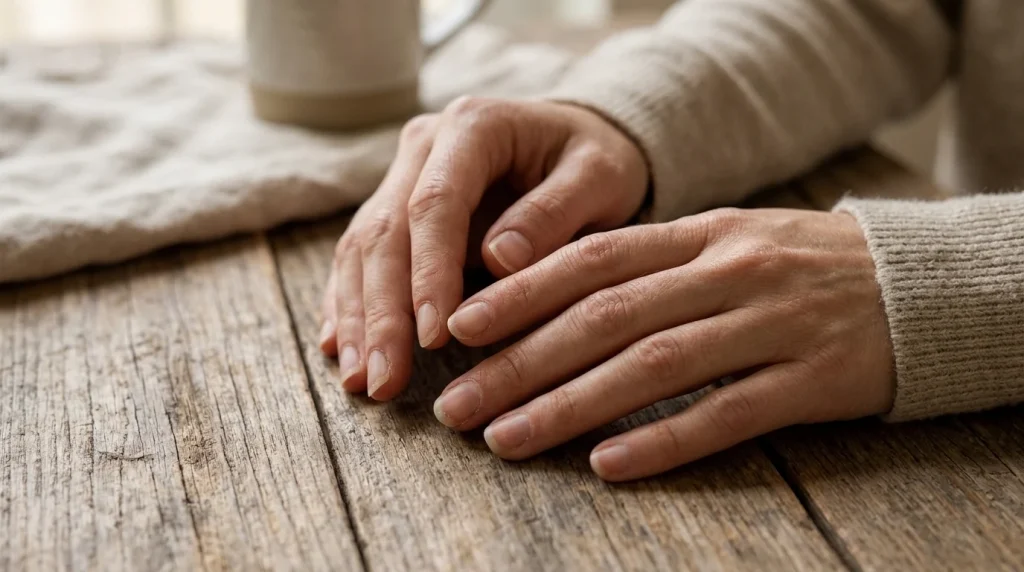
Peeling usually means the outer layers of the nail plate are separating near the tip. Dermatologists call this lamellar splitting or onychoschizia. A nail is made of tightly packed keratinized cells, and repeated stress can make its free edge more fragile.
The usual triggers are surprisingly ordinary:
- Repeated wetting and drying: Dishwashing, cleaning, and long periods with wet hands can make nails more likely to split.
- Rough manicure removal: Picking off gel or scraping away stubborn polish can remove superficial nail layers.
- Over-filing or buffing: Thinning the nail plate leaves less material to resist daily wear.
- Mechanical stress: Long tips snag on clothing, keyboards, and packaging, especially when nails are already weak.
- Frequent remover exposure: Both acetone and non-acetone removers can contribute to dryness when used repeatedly.
Peeling at the very ends of several nails often suggests everyday wear, but it is not a diagnosis. If your nails change suddenly, become discolored, separate from the nail bed, or develop other symptoms, a clinician can check for a skin condition, infection, or another cause.
Warning
Never pull away a peeling nail layer or buff until the layers look even. You can remove more nail material and leave the tip thinner. Do not cover a painful, infected-looking, or lifting nail with glue, gel, or acrylic to hide the problem. Seek medical care for increasing redness, swelling, pus, significant pain, or a new dark streak.
What do you need to prevent peeling nails?
You only need a few basics. Keep them together so protecting your nails is easier than ignoring a snag.
- A fine glass nail file: A glass nail file helps smooth rough free edges without aggressive sawing.
- A rich, fragrance-free hand cream: Choose a cream containing glycerin or petrolatum and massage it over your nail plates too.
- A simple cuticle oil or ointment: A jojoba cuticle oil is convenient, while plain petroleum jelly is a budget-friendly option for surrounding skin.
- Protective household gloves: Choose a comfortable pair for dishes and cleaning; cotton liners can help if your hands sweat.
Clean clippers are useful when the tips are too long or repeatedly catch. Skip buffers, cuticle cutters, and stronger-than-necessary treatments while your nails are peeling.
How can you prevent nail peeling step by step?
Start with these eight actions. You do not have to perform a full manicure every day: the main goal is to reduce new damage between manicures.
1 Trim back fragile length
Clip your nails so the weak free edge extends only slightly beyond your fingertip, or keep them flush with the fingertip while they recover. Shorter nails experience less leverage when you type, dress, or pick up objects. Cut almost straight across, then soften the corners with a file.
Common mistake: Cutting into the attached pink portion to remove every visible split. Trim only the free edge; do not cut into tender tissue.
2 File the edge gently
Hold a fine file at the edge and use light, controlled strokes to remove tiny snags. Move in one direction rather than rapidly sawing back and forth. Aim for a soft rounded-square or oval tip with no sharp corners that can hook into fabric.
Common mistake: Filing across the top surface to erase visible peeling. That removes healthy thickness instead of protecting the edge.
3 Moisturize after washing
After handwashing, dry your hands and rub a pea-sized amount of cream across your fingertips, nails, and surrounding skin. Repeat after chores and whenever your nails feel dry. Pair this with a simple daily nail-care routine so it becomes automatic.
Common mistake: Moisturizing your palms but avoiding your nail plates. The nail edges and nearby skin need attention too.
4 Protect your hands from wet chores
Put on protective gloves before washing dishes, cleaning bathrooms, or handling detergents. Prolonged wet work and repeated drying can aggravate fragile nails. Remove gloves afterward, dry your hands, and moisturize; if sweat builds up inside, try cotton liners.
Common mistake: Wearing damp gloves for hours. Trapped moisture and irritation defeat the reason you put them on.
5 Remove polish without peeling it off
If regular polish chips, remove it with an appropriate remover and a cotton pad instead of scraping. For gel, use a proper soak-off method only when the formula allows it, or seek professional removal. Let your nails rest from enhancements if removal repeatedly leaves them thin or sore.
Common mistake: Lifting one loose corner of gel and pulling. It may take part of your natural nail with it.
6 Leave your cuticles and nail surface alone
Massage a little cream or oil around the cuticle area, but do not cut healthy cuticles or aggressively push them back. Avoid buffing the plate for shine while it is splitting. If you need a refresher, follow these gentle nail grooming basics before your next manicure.
Common mistake: Confusing a smooth-looking nail with a stronger one. Buffing may conceal ridges temporarily while thinning the plate.
7 Stop using nails as tools
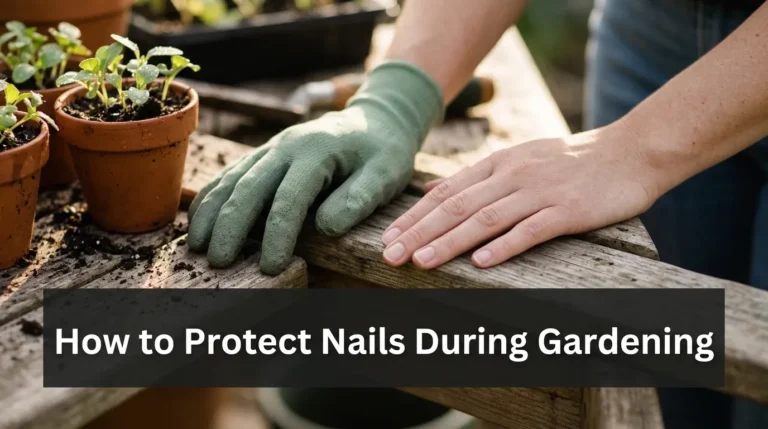
Use the pad of your finger or a proper tool to open cans, scrape labels, and lift stubborn packaging. Wear gloves for gardening and heavy cleaning. If one nail catches repeatedly, shorten that nail slightly instead of waiting for its peeling edge to tear.
Common mistake: Treating a small split as harmless because it does not hurt. Snags can quickly extend the split farther inward.
8 Finish with a bedtime moisture habit
Before bed, massage cream over each nail and the surrounding skin. If your cuticles are especially dry, apply a thin layer of petroleum jelly over the area to help reduce moisture loss. Keep a small tube by your bedside to make this a habit.
Common mistake: Expecting one overnight treatment to reattach peeled layers. Consistency protects the new nail as it grows.
How long does it take for peeling nails to improve?
You may notice fewer new snags within several weeks if you remove the source of damage, but this is not a guaranteed deadline. A split that already exists in the nail plate will not heal like a cut in your skin; it must be trimmed away as the nail grows.
Fingernails grow around 3 millimeters a month on average, and full replacement commonly takes about six months. Take a clear photo now, then compare it after four and eight weeks. Look for smoother, less damaged growth near the base rather than expecting old tips to look new.
If your nails were damaged during a manicure, this guide to caring for a damaged nail at home can help you plan the gentler recovery period. Progress is easiest to see when you keep the same routine instead of testing a new treatment every few days.
What should you do and avoid when nails keep peeling?
Do
- +Keep weak tips short and smooth.
- +Moisturize after handwashing.
- +Wear gloves for wet work.
Don’t
- −Pull away nail layers.
- −Buff a thinning nail surface.
- −Pick off gel or acrylic.
Which small changes make the biggest difference?
Start by identifying your main trigger. If you wash dishes twice a day, keeping gloves by the sink may help more than another nail serum. If peeling started after gel removal, taking a break from repeated enhancements is likely more useful than switching top coats.
Pro Tip
Keep a tiny file in your bag. Smoothing a snag as soon as you notice it prevents the temptation to pull at a loose layer during the day.
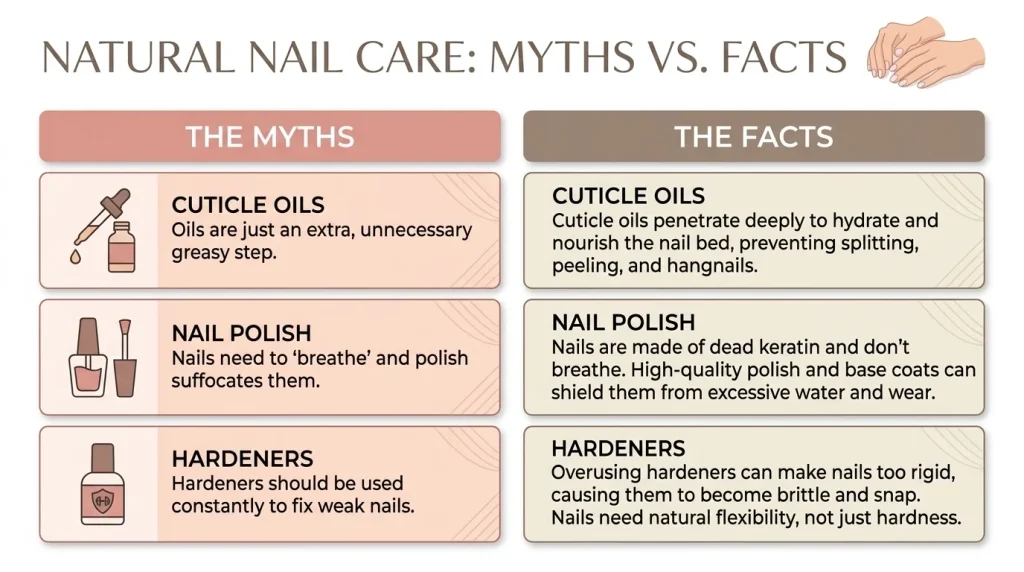
Choose flexible protection over aggressive hardening. Very stiff nail hardeners, especially formaldehyde-containing ones, can make brittle nails harder but not necessarily more resistant to snapping. A dermatologist can advise if a treatment coating is appropriate; no topical product permanently rebuilds nail layers that have already separated.
Pro Tip
Track the pattern: if your nails peel most after cleaning, manicures, or swimming, change that exposure first. A four-week photo comparison is more useful than judging your nails every morning.
You also do not need to start biotin or iron supplements just because your nails peel. Deficiencies and medical conditions can sometimes affect nails, but supplements are not a reliable cure without a demonstrated need. Biotin may interfere with certain laboratory tests, so discuss it with your healthcare professional before taking it.
Which nail-care product is genuinely worth keeping nearby?
A protective cream and a pair of cleaning gloves usually offer more practical value than a stack of strengthening bottles. Use whichever products fit your daily routine and do not irritate your skin.
Recommended Product Type
Cotton-Lined Household Cleaning Gloves
A comfortable glove barrier reduces direct contact with dishwater and detergents, two common sources of repeated stress on fragile nail tips.
As an Amazon Associate, we earn from qualifying purchases.
For a portable backup, a fragrance-free hand cream is convenient to keep at your desk or beside your sink. A product is only useful if you actually apply it regularly.
When should you see a dermatologist about peeling nails?
Make an appointment if peeling persists despite gentle care, keeps worsening, or affects your nails in an unusual pattern. Get checked sooner for pain, significant redness or swelling, pus, persistent yellow or green discoloration, a nail lifting away from its bed, or a new or changing dark streak.
If your nails suddenly become very brittle alongside symptoms such as unusual fatigue or other health changes, mention those too. Your clinician can decide whether an examination or testing is necessary. For uncomplicated damage, these healthy nail recovery habits can guide your everyday routine while you monitor new growth.
Frequently asked questions about preventing nail peeling
Q: Can cuticle oil stop nails from peeling?
A: Cuticle oil can help condition dry skin around your nails and support a gentle care routine, but it cannot permanently bond separated nail layers. Combine it with moisturizer, short nails, and protection from repeated wet work.
Q: Should you wear nail polish if your nails are peeling?
A: Regular polish may be reasonable on painless, mildly fragile nails if you remove it gently and avoid constant changes. If your nails are very thin, sore, lifting, or irritated, leave them bare and assess the cause rather than covering them.
Q: Does acetone cause nail peeling?
A: Frequent remover exposure can dry nails, and peeling gel off is especially damaging. When removing soak-off gel, acetone may still be the correct remover; use a careful method and moisturize afterward rather than prying the product away.
Q: Can a nail strengthener repair peeling layers?
A: Some coatings offer temporary surface protection, but they cannot replace lost nail material. Avoid relying on hardeners that make nails excessively rigid, and ask a dermatologist about persistent brittleness before adding treatment products.
Q: Why do my nails peel even though I eat healthy food?
A: Everyday exposure to water, detergents, and manicure trauma can cause peeling even with a balanced diet. If the changes are persistent, sudden, or accompanied by other symptoms, a healthcare professional can check for less common causes.
Keep your nail tips protected, not overtreated
The most effective way to prevent nail peeling is to interrupt the everyday damage cycle: shorten fragile tips, file snags gently, moisturize consistently, protect your hands during chores, and remove manicures carefully. Give new nail time to grow instead of expecting peeled layers to repair overnight.
Save this guide to Pinterest so your gentle nail-care routine is easy to find whenever your tips start feeling fragile.

Hi, I’m Jessica, the creator behind Unique Lash & Nails Katy.
I created this website for anyone who loves beautiful nails as much as I do. Here, I share trendy nail designs, seasonal manicure ideas, easy nail care tips, honest product recommendations, and step-by-step guides to help you create salon-worthy nails at home. Whether you’re looking for everyday inspiration or your next favorite nail trend, I hope you’ll find something you love.