Daily Habits for Healthy Nails: 12 Easy Care Tips
Quick Answer
The best daily habits for healthy nails are moisturizing your nails and cuticles, keeping your hands clean and dry, wearing gloves during household chores, and avoiding picking or biting. Keep your nails gently filed, eat balanced meals, and remove manicures carefully. Just a few minutes of consistent care can help prevent unnecessary peeling, dryness, and breakage.
Beautiful, healthy-looking nails aren’t just about your latest manicure. They’re also about what you do between salon appointments.
If your nails constantly split, your cuticles look dry, or your carefully grown tips keep breaking, a few everyday habits might be making the problem worse.
The good news? You don’t need an expensive collection of nail products. These 12 daily habits for healthy nails can help you build a realistic routine that fits your lifestyle.


Why Do Daily Nail Care Habits Matter?
Your nails are made primarily of keratin, a tough protein that forms the nail plate. Although the visible nail plate isn’t living tissue, the structures beneath and around it need protection to support healthy nail growth.
Everyday activities such as washing dishes, using cleaning products, removing polish, and typing can place stress on your nails.
Repeated wetting and drying can make nails more likely to peel and split, while picking at polish or cutting cuticles can cause additional damage.
That’s why daily maintenance matters more than occasional intensive treatments.
Instead of trying to repair damage after every manicure, your goal is to prevent avoidable damage in the first place.
For a complete beginner-friendly routine, explore our guide on how to take care of nails daily.
What Are the 12 Best Daily Habits for Healthy Nails?
1. Moisturize Your Nails and Cuticles Every Day
One of the easiest ways to improve your nail care routine is to moisturize consistently.
Frequent handwashing, cold weather, and cleaning products can leave your nails and surrounding skin feeling dry. When nails become brittle, they may peel or split more easily.
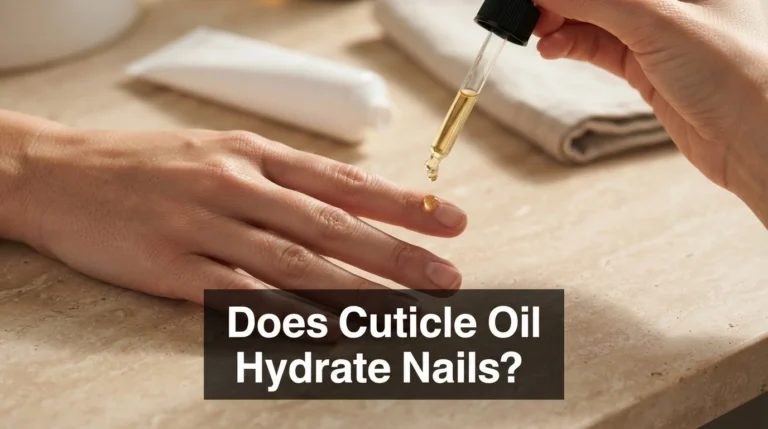
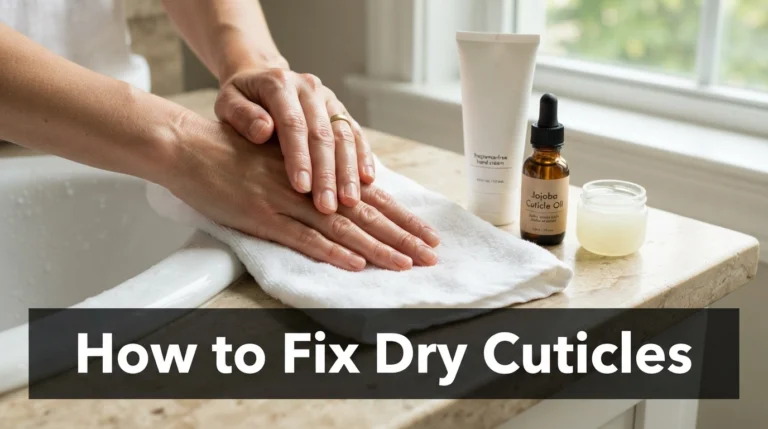
Apply a small amount of hand cream after washing your hands. At bedtime, massage a little petroleum jelly or cuticle oil around each nail.
A jojoba-based cuticle oil is a convenient option if you prefer something lightweight. A fragrance-free hand cream is especially useful when your skin is sensitive.
- Morning: Apply hand cream after washing your hands.
- Afternoon: Reapply when your hands feel dry.
- Night: Massage oil or petroleum jelly around your nails before sleeping.
Remember that moisturizer helps manage dryness. It doesn’t magically repair a nail plate that has already split.
Pro Tip
Keep a small cuticle oil pen beside your bed or workspace. Having the product somewhere visible makes it much easier to build a consistent habit.
2. Keep Your Nails Clean and Properly Dry
Clean nails aren’t only more attractive. Proper hygiene helps reduce the buildup of dirt and microorganisms around your fingertips.
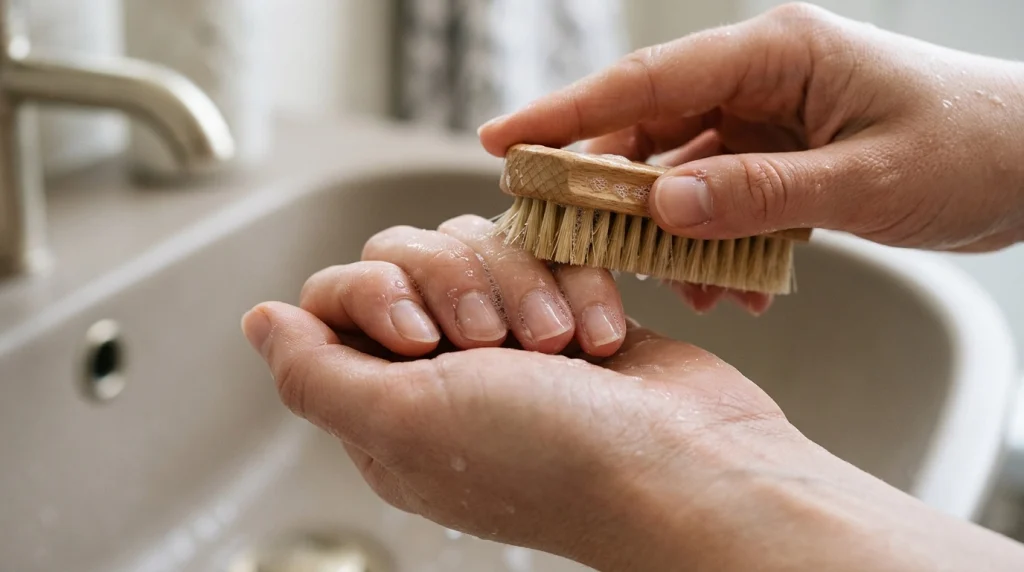
Wash your hands using mild soap and water. If dirt collects beneath your nails, use a soft nail brush and gentle movements rather than digging with sharp objects.
Dry your fingertips carefully afterward, including the spaces around your nails.
Don’t leave your hands damp inside gloves for long periods. Excess moisture can irritate the skin around your nails and create conditions that encourage some infections.
If you enjoy doing your own manicures, our guide to cleaning nails safely at home explains the basics without aggressive scraping.
3. Wear Protective Gloves for Household Chores
Washing dishes without gloves might seem harmless, but frequent exposure to water and detergent can contribute to brittle nails.
Repeated soaking and drying places stress on the nail plate. Cleaning chemicals may also irritate the surrounding skin.
Make wearing gloves a normal part of your household routine.
- Use waterproof gloves when washing dishes.
- Wear protective gloves when cleaning bathrooms or kitchens.
- Choose suitable gloves for gardening and handling cleaning products.
- Dry your hands and apply moisturizer after removing gloves.
If gloves make your hands sweaty, choose a comfortable cotton-lined pair and take breaks when practical.
This simple habit is especially helpful if you wash dishes daily or spend considerable time with your hands in water.
4. Stop Using Your Nails as Tools
Your nails are convenient, but they aren’t designed to replace household tools.
Opening soda cans, scraping stickers, peeling packaging, and prying objects apart can place sudden pressure on the free edge of your nails.
That pressure may cause bending, cracking, or painful breaks.
Instead, use a spoon handle to lift can tabs, a proper tool for scraping labels, and scissors for opening stubborn packages.
Even if your nails feel strong today, repeated mechanical stress can make breakage more likely.
Protecting the length you’ve already grown is often more useful than chasing products that promise faster growth.
5. File Rough Edges Before They Catch
A tiny snag can quickly become a split when it catches on clothing or hair.
Keep a fine-grit nail file nearby so you can smooth rough edges as soon as you notice them.
Use light, controlled strokes and avoid aggressively filing back and forth. You don’t need to reshape every nail each day.
If your nails break easily, a short oval or softly rounded-square shape may be easier to maintain than very long pointed tips.
For a neat appearance, follow the natural outline of your fingertip while filing.
6. Leave Your Cuticles Alone
Cuticles play a protective role around the base of your nails.
Cutting them aggressively or repeatedly pushing them back can damage the surrounding skin and increase the risk of irritation or infection.
Instead of removing healthy cuticle tissue, focus on moisturizing it.
If a hangnail develops, wash your hands and carefully trim only the loose piece of skin with clean manicure scissors or clippers.
Never pull a hangnail with your fingers or teeth. Pulling can tear healthy skin and create a painful wound.
Warning
Avoid cutting into living skin around your nails. If the area becomes increasingly painful, red, swollen, or develops pus, seek medical advice rather than attempting to cut or drain it yourself.
7. Avoid Biting and Picking Your Nails
Nail biting can damage the nail plate and the surrounding skin. It can also transfer microorganisms between your mouth and fingers.
Picking at chipped polish causes a different problem: it can pull away superficial layers of the nail along with the coating.
If you frequently bite or pick without noticing, identify the situations that trigger the habit.
Some people pick when they’re bored, stressed, or concentrating on work.
Try keeping your nails comfortably short, smoothing rough edges, or using a small fidget object to occupy your hands.
A bitter-tasting nail coating may help some people discourage biting, although results vary.
The goal isn’t to create perfect nails overnight. It’s to reduce repeated trauma so your existing nails have a better chance of staying intact.
8. Eat Balanced Meals That Support Nail Growth
Your nail growth depends partly on overall nutrition.
Protein contributes to normal tissue maintenance, while nutrients such as iron, zinc, and certain vitamins play important roles throughout your body.
Build balanced meals around foods you enjoy rather than relying on expensive beauty supplements.
- Eggs: Provide protein and several essential nutrients.
- Beans and lentils: Supply plant-based protein and iron.
- Fish: Offers protein and, depending on the variety, omega-3 fats.
- Nuts and seeds: Contribute minerals and healthy fats.
- Vegetables and fruit: Provide a variety of vitamins and minerals.
Food won’t instantly harden an existing damaged nail, but adequate nutrition helps support normal nail formation.
Don’t start high-dose iron, biotin, or other supplements just because your nails seem weak. Supplements aren’t automatically beneficial without a deficiency, and some can interfere with medical tests or cause unwanted effects.
9. Remove Nail Polish and Gel Gently
You can love nail art and still prioritize your natural nails.
Problems often begin when manicures are removed aggressively.
Never peel off gel polish, dip powder, or artificial enhancements. Removing products this way can take layers of your natural nail with them.
For regular nail polish, use a suitable remover and avoid excessive rubbing.
If you’re removing gel, follow the manufacturer’s removal instructions or visit a trained nail professional. Some products require specific removal methods.
After removing polish, apply moisturizer to your nails and surrounding skin.
If your nails are already peeling, unusually thin, or sore, consider leaving them bare while they recover instead of immediately applying another manicure.
10. Keep Your Nails at a Manageable Length
Long nails can look gorgeous, especially with trendy almond or coffin shapes. However, extra length also creates more opportunities for bending and snagging.
If your nails are naturally thin or prone to splitting, keeping them slightly shorter can reduce everyday stress.
Trim with sharp, clean clippers when needed. Cut generally straight across, then gently soften the corners with a file.
Don’t clip extremely close to the skin or force a shape that leaves the edges uncomfortable.
Once your nails stop breaking so often, you can experiment with more length if you enjoy it.
11. Protect Your Hands From Environmental Dryness
Cold air, low humidity, and frequent washing can make your hands feel dry and uncomfortable.
Because your nails and surrounding skin are exposed to these conditions throughout the day, seasonal adjustments can help.
Keep a fragrance-free moisturizing cream in your handbag or next to your sink.
Apply it whenever your hands feel tight or dry, particularly after washing.
In colder weather, wearing gloves outdoors can help protect your hands from harsh conditions.
For outdoor activities, remember sunscreen on the backs of your hands. Sun protection helps protect the skin even though it isn’t a treatment for brittle nails.
12. Check Your Natural Nails Regularly
One of the most overlooked daily habits for healthy nails is simply paying attention to their appearance.
Before covering your nails with another manicure, look for unusual changes in color, texture, thickness, or shape.
Small white marks after minor trauma can be harmless, but not every nail change is cosmetic.
Persistent lifting, significant discoloration, unexplained dark streaks, or painful swelling should be evaluated by a healthcare professional.
You can learn more about possible warning signs in our guide to signs of unhealthy nails.
Regular observation helps you identify problems before assuming that another polish or treatment will solve them.
What Should Your Morning and Night Nail Care Routine Look Like?
You don’t need to spend half an hour on your nails every day. A practical routine can fit into moments you’re already washing your hands or getting ready for bed.
Your 2-Minute Morning Nail Routine
- Wash your hands using gentle soap.
- Dry your fingers and nail edges thoroughly.
- Massage a small amount of hand cream into your hands, nails, and cuticle area.
- Check for rough edges that might snag during the day.
- Keep protective gloves available for wet household chores.
If you’re wearing nail polish, you can still moisturize the skin around each nail without disturbing your manicure.
Your 3-Minute Evening Nail Routine
- Clean your hands and remove any visible dirt gently.
- Inspect your nail edges for chips or splits.
- Apply cuticle oil or petroleum jelly around each nail.
- Finish with a moisturizing hand cream.
- Leave the products on overnight if they’re comfortable on your skin.
When your hands feel particularly dry, a thicker fragrance-free cream may be more comfortable than a lightweight lotion.
Pro Tip
Pair nail moisturizing with a habit you already do every night, such as brushing your teeth. Consistency is more helpful than an elaborate treatment you only remember once a month.
What Nail Care Should You Do Every Week?
Daily care works best alongside occasional maintenance.
Set aside approximately 10 minutes once a week to inspect, trim, and tidy your nails.
- Check your length: Trim nails that are becoming difficult to manage.
- Smooth rough edges: Use a fine nail file without overworking the surface.
- Clean your tools: Wash reusable implements and disinfect them appropriately.
- Inspect bare nails: Look for new changes before applying polish.
- Refresh your manicure: Repair ordinary chips or remove the polish gently.
A weekly routine also helps you notice whether a particular product or manicure technique is causing irritation.
For more detailed maintenance guidance, see what makes the best nail care routine.
What Should You Do and Avoid for Healthier Nails?
Do
- Moisturize your nails daily.
- Wear gloves for cleaning.
- Keep your nails clean and dry.
- File away small snags.
- Use gentle manicure techniques.
- Eat varied, balanced meals.
Don’t
- Pick or bite your nails.
- Peel off gel manicures.
- Cut healthy cuticle tissue.
- Use nails to open packages.
- Over-file your nail surface.
- Ignore painful nail changes.
Which Products Are Actually Helpful for Daily Nail Care?
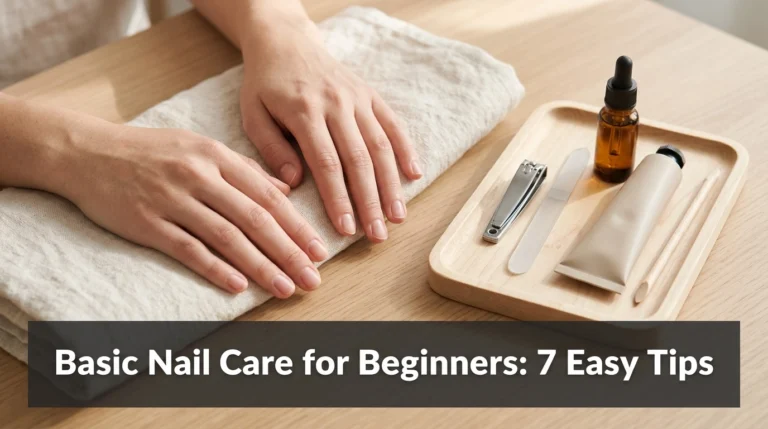
You don’t need dozens of products to maintain healthy-looking nails. Start with a few basics that address dryness, rough edges, and everyday protection.
Jojoba Cuticle Oil
A small cuticle oil pen is convenient for daily moisturizing. It suits anyone who dislikes carrying a full-sized bottle or wants a quick application before bedtime.
Recommended Product
Jojoba Cuticle Oil Pen
A portable applicator makes moisturizing dry cuticles convenient throughout your day.
As an Amazon Associate, we earn from qualifying purchases.
Glass Nail File
A fine glass nail file helps you smooth small snags without relying on a coarse abrasive. Choose one with a protective case so it stays clean in your handbag.
You can browse fine glass nail files if you’re upgrading your basic manicure kit.
Fragrance-Free Hand Cream
Choose a moisturizing hand cream you enjoy using frequently. Look for ingredients such as glycerin or petrolatum, especially if your hands become dry after washing.
A fragrance-free hand cream is a practical choice for people whose skin reacts to strongly scented beauty products.
Reusable Household Gloves
For frequent dishwashing and cleaning, comfortable gloves can be one of your most useful nail-care purchases.
Look for cotton-lined reusable cleaning gloves in a size that fits without squeezing your fingers.
They won’t replace moisturizing, but they can reduce contact with water and irritating cleaning products.
How Long Does It Take to See Healthier Nails?
Some improvements happen quickly, while others depend on new nail growth.
After several days of consistent moisturizing, your surrounding skin may feel softer and look less dry.
Over the following weeks, gentle filing and protective habits may help reduce avoidable snags and breaks.
However, damaged nail plate cannot instantly regenerate. The affected portion must gradually grow outward.
Fingernails typically grow about 3 millimeters per month, although the rate varies between people. Completely replacing a fingernail often takes roughly four to six months.
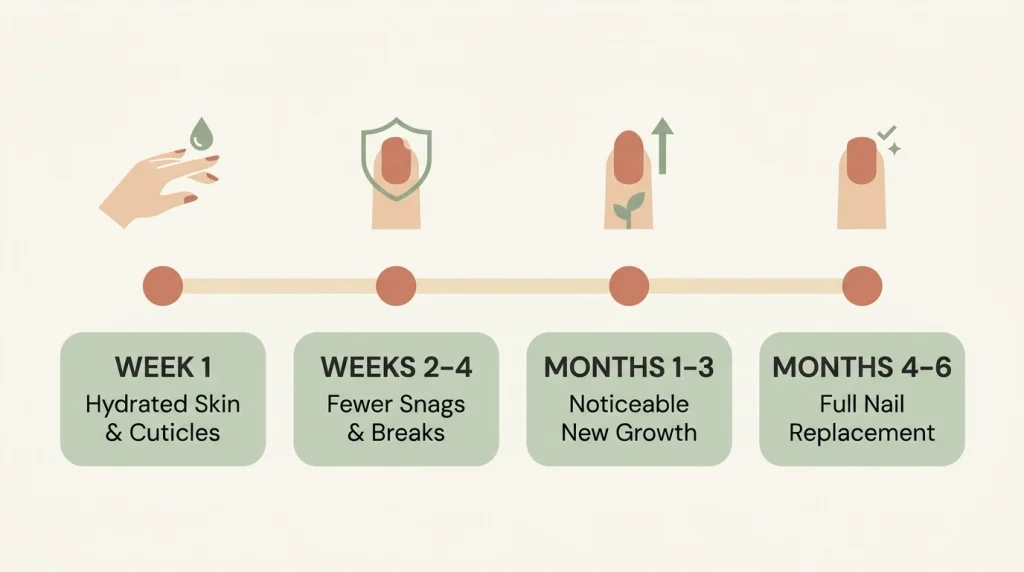
Use this general timeline as a guide:
- First week: Your hands and cuticle area may feel better moisturized.
- Weeks 2–4: You may notice fewer preventable snags if you’re protecting and maintaining your nails.
- Months 1–3: New nail growth becomes more noticeable, especially if you’re recovering from surface damage.
- Months 4–6: Much of a previously damaged fingernail may have grown out, depending on your growth rate and the extent of damage.
Results vary, particularly when brittle nails are associated with medical conditions, ongoing irritation, or medication effects.
If your nails remain unusually fragile despite careful habits, a dermatologist can help assess possible causes.
What Extra Habits Help Protect Your Nails?
Keep a Mini Nail Kit in Your Bag
A compact file and small hand cream can help you manage everyday nail problems before they become bigger.
File a snag when you first notice it instead of pulling at the loose edge during the day.
Be Selective About Nail Strengtheners
Not every strengthening polish is ideal for every nail type.
Some hardeners increase stiffness, which can be unhelpful for nails that already crack under pressure. If your nails are peeling, start with gentler handling and moisturizing rather than repeatedly layering hardeners.
Give Damaged Nails Time Without Extensions
If your nails become sore, thin, or visibly damaged after artificial enhancements, don’t immediately cover the problem with another set.
Keep them short, moisturize regularly, and allow the damaged portion to grow out. Seek professional advice if the condition persists.
Take Photos to Track Real Changes
Photograph your natural nails every two to four weeks using similar lighting.
This can help you notice gradual growth and improvements without judging your results every single day.
Frequently Asked Questions About Daily Habits for Healthy Nails
Q: What is the most important daily habit for healthy nails?
A: Consistent moisturizing and protection from repeated damage are two of the most useful habits. Apply hand cream after washing and avoid using your nails as tools.
Q: Should I apply cuticle oil every day?
A: Daily application can be helpful when your nails and surrounding skin are dry. A few drops or a small amount massaged around your nails is usually sufficient.
Q: Can I have healthy nails while wearing nail polish?
A: Yes. You can maintain healthy nails while wearing polish if you use appropriate application and removal methods. Avoid peeling off coatings and monitor your natural nails for damage.
Q: Does drinking more water make your nails stronger?
A: Staying adequately hydrated supports normal body functions, but drinking extra water beyond your needs hasn’t been shown to directly strengthen nails. External moisturizing and preventing damage are more practical steps.
Q: How can I strengthen naturally weak nails at home?
A: Keep them comfortably short, moisturize consistently, wear gloves for wet chores, and avoid picking or aggressive manicures. If the weakness is persistent or accompanied by other changes, consider a professional evaluation.
Healthy Nails Start With Small Daily Habits
Healthy-looking nails don’t require a complicated beauty routine. Moisturizing consistently, protecting your hands, filing gently, and avoiding unnecessary damage can make everyday nail care much easier.
Choose two or three habits to start today, then build from there as they become part of your routine.

Hi, I’m Jessica, the creator behind Unique Lash & Nails Katy.
I created this website for anyone who loves beautiful nails as much as I do. Here, I share trendy nail designs, seasonal manicure ideas, easy nail care tips, honest product recommendations, and step-by-step guides to help you create salon-worthy nails at home. Whether you’re looking for everyday inspiration or your next favorite nail trend, I hope you’ll find something you love.