How Do I Properly Care for My Nails? Simple Nail Care Routine
Quick Answer
Proper nail care is surprisingly simple: keep your nails clean and dry, trim them regularly, file rough edges gently, moisturize your nails and surrounding skin every day, and avoid cutting or aggressively pushing back your cuticles. Protect your hands from long periods in water and harsh cleaning products, and give damaged nails time to grow out rather than covering the problem repeatedly.
You don’t need a complicated 12-step manicure routine to keep your nails looking good. Healthy-looking nails usually come from a few small habits repeated consistently.
The biggest difference comes from how you trim, file, moisturize, and protect your nails between manicures. Once those basics become automatic, polish and nail art tend to look cleaner too.
Time needed
10–15 minutes weekly
Difficulty
Beginner
Items needed
5 basic tools
Results
Ongoing with consistency


What do you need for a simple nail care routine?
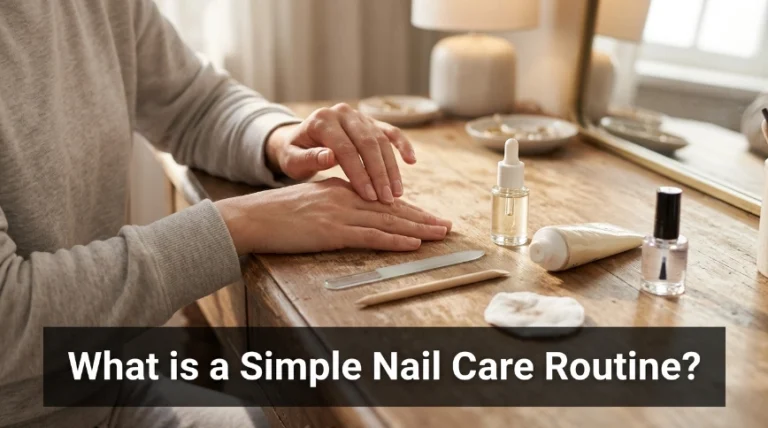
You can maintain your natural nails with a surprisingly small kit. Start with:
- A clean pair of nail clippers or nail scissors
- A fine-grit nail file or glass nail file
- Cuticle oil or petroleum jelly
- A moisturizing hand cream
- Household gloves for dishes and cleaning
A glass nail file is useful if you frequently deal with rough edges because it gives you more control than aggressively sawing at the nail with a coarse file.
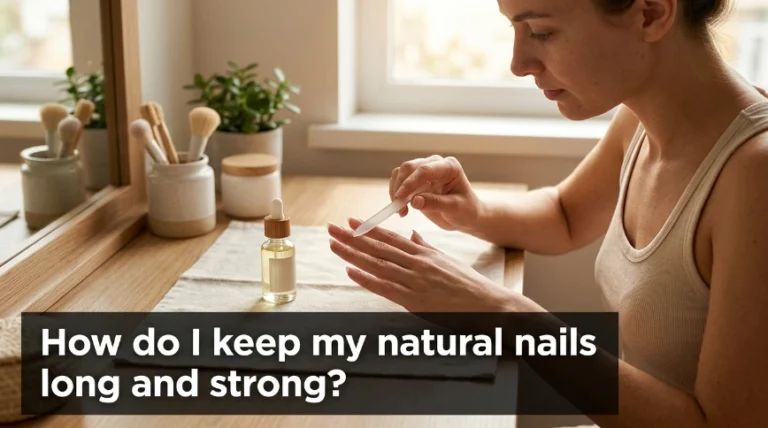
For dry skin around the nail, keep a cuticle oil pen near your desk, nightstand, or handbag so moisturizing becomes an easy habit rather than another chore.
How should you properly care for your nails step by step?
1 Keep Your Nails Clean and Dry
Wash your hands normally, paying attention to visible dirt around your nails, then dry your hands and fingertips thoroughly. Constant dampness around the nail isn’t something you want to encourage.
If you wash dishes, clean bathrooms, garden, or work with your hands in water for long periods, gloves make nail care much easier.
Common mistake: Digging under the nail with sharp metal tools. Aggressive scraping can irritate the delicate area beneath the nail and may cause the nail to separate from the skin.
2 Trim Your Nails Before They Become Unmanageable
Use sharp, clean nail clippers and trim your fingernails almost straight across. You can soften the corners slightly afterward with a file so they don’t catch on clothing.
Don’t cut extremely close to the fingertip just because you want your nails short. Leave a small free edge that feels comfortable.
Common mistake: Using dull clippers and repeatedly squeezing through the nail. A clean cut is easier to smooth and less likely to leave jagged edges.
3 File Rough Edges Gently
After trimming, use a fine nail file to remove sharp corners or snags. Work slowly and stop once the edge feels smooth.
If you’re growing your nails, a soft oval, rounded, or soft-square shape can help you avoid the sharp corners that repeatedly catch on fabric.
Common mistake: Filing aggressively back and forth like you’re sawing wood. Gentle, controlled strokes are kinder to the nail edge.
If you enjoy a neat, structured shape once your nails are healthy, you can also browse these square nail ideas for inspiration.
4 Moisturize Your Nails and Cuticles
Massage a small amount of cuticle oil, petroleum jelly, or thick hand cream around each nail. Do this after handwashing when you can and before bed if your hands are especially dry.
Your goal isn’t to make the nails greasy all day. You’re simply replacing moisture that frequent washing, dry weather, polish remover, and everyday exposure can strip away.
Common mistake: Moisturizing your hands but skipping the nail edges and cuticle area. Massage your cream around the entire nail instead of stopping at your knuckles.
Pro Tip
Put cuticle oil next to something you already use every night, such as your phone charger or face moisturizer. Attaching nail care to an existing habit makes consistency much easier.
5 Leave Your Cuticles Alone
Those thin areas of skin at the base of your nails aren’t just annoying bits to remove. They help form a protective barrier around the new nail.
Avoid cutting your cuticles at home. If the area looks rough, moisturize it instead. For an occasional hangnail, don’t pull or bite it; carefully clip only the loose piece of skin with clean tools.
Common mistake: Cutting deeper and deeper because you want the manicure to look “clean.” Overworking the skin around the nail can leave it sore and vulnerable to irritation or infection.
6 Protect Your Nails From Water and Chemicals
Your nails regularly expand and contract as they get wet and dry. Repeated, prolonged water exposure can make already-fragile nails more likely to peel or split.
Wear gloves for washing dishes, scrubbing bathrooms, gardening, and other wet or chemical-heavy jobs. After removing the gloves, wash and dry your hands and apply hand cream.
Common mistake: Treating your nails like tools. Opening cans, peeling labels, scraping surfaces, or prying objects apart with your nails is an easy way to create cracks and chips.
7 Be Gentle With Polish, Gel, and Artificial Nails
You don’t have to stop wearing nail polish to care for your nails. The bigger problem is often rough removal.
Don’t peel gel, dip powder, or polish from the nail plate. Picking at a manicure can take surface layers of the nail with it and leave the nails feeling thin or rough.
When you remove a manicure, inspect your bare nails before applying another set. If they look irritated, unusually thin, sore, or damaged, give them a break and focus on gentle care.
Common mistake: Peeling off gel because one corner has lifted. Proper removal takes longer, but it protects the natural nail underneath.
When your nails are ready for polish again, simple looks such as French tip nail ideas can give you a polished finish without needing an extremely complicated design.
How often should you do nail care?
Think of nail care as a combination of tiny daily habits and occasional maintenance rather than one big manicure session.
- Daily: Moisturize your hands, nails, and cuticle area.
- After prolonged water exposure: Dry your hands thoroughly and moisturize.
- As needed: File a snag before it grows into a larger tear.
- Every one to two weeks: Check the length and trim if needed.
- Between manicures: Look at your bare nails for unusual changes.
Don’t expect a damaged nail plate to become perfect overnight. The damaged section has to gradually move toward the free edge as your nail grows. Consistency matters much more than aggressive treatments.
What should you do — and avoid — for healthier-looking nails?
Do
- +Keep nails clean and dry
- +Moisturize after washing your hands
- +Use clean, sharp nail tools
Don’t
- −Bite your nails or pull hangnails
- −Cut your cuticles aggressively
- −Use your nails to pry or scrape objects
What small habits make the biggest difference?
Pro Tip
Fix snags immediately. A tiny rough edge may seem harmless until it catches on clothing and tears farther down. Keep a small file in your bag instead of biting the edge smooth.
Pro Tip
Moisturize before bed. Nighttime is perfect for a richer hand cream because you aren’t immediately washing it away. Massage what’s left into each nail and the surrounding skin.
Pro Tip
Keep your routine simple. One file, one moisturizer, and one cuticle oil used consistently will usually be more useful than a drawer full of treatments you rarely touch.
If you’re looking for a more dramatic manicure after establishing your routine, these cat eye nail ideas show how healthy, well-shaped nails can provide a cleaner base for detailed designs.
How do you fix common nail care problems?
Your nails keep splitting at the tips
Shorten the nails slightly, smooth every snag, and reduce prolonged water exposure. Moisturize after washing. Next time, fix small rough edges before they become larger splits.
Your cuticles always look dry
Apply cuticle oil or petroleum jelly consistently instead of trimming away the dry skin. Add a richer hand cream before bed and wear gloves during household cleaning.
Your polish chips almost immediately
Before polishing, make sure the nail plate is clean and dry. Apply thin coats rather than one thick layer, and avoid soaking your hands in water immediately after your manicure.
A nail keeps catching on clothing
Don’t pull the loose edge. Shorten the nail slightly if necessary and gently file the snag until the surface feels smooth.
When is a nail problem more than normal dryness?
Warning
Don’t try to solve every nail change with polish, oil, or home remedies. New or changing dark streaks, persistent discoloration, significant thickening, a nail lifting away from the skin, ongoing swelling, pain, or changes that don’t improve deserve professional medical evaluation.
Pay attention to what your nails look like when they’re bare. Nail polish can hide changes that are much easier to notice once the color is removed.
And don’t forget your toenails. They benefit from the same clean, dry, gentle approach. If you want ideas once they’re trimmed and cared for, see these easy toe nail ideas.
Which nail care product is most useful to keep nearby?
Recommended Product
Moisturizing Cuticle Oil Pen
A portable cuticle oil pen makes daily moisturizing much easier, especially if the skin around your nails tends to feel dry after frequent handwashing.
As an Amazon Associate, we earn from qualifying purchases.
If your whole hand feels dry rather than just the cuticle area, a moisturizing hand cream is another useful basic. Massage a little over your nails whenever you apply it to your hands.
Frequently Asked Questions
Q: Should you put cuticle oil on every day?
A: You can use a small amount daily, especially if your nail edges feel dry. Massage it around the nail and surrounding skin rather than flooding the nail with oil.
Q: Is it bad to cut your cuticles?
A: It’s better to leave the protective cuticle area intact rather than routinely cutting it. If the surrounding skin is rough, moisturize it instead of removing healthy tissue.
Q: How do you make weak nails stronger?
A: Start by keeping them slightly shorter, moisturizing regularly, protecting them from prolonged water exposure, and stopping habits such as peeling polish or using nails as tools. Damaged sections still need time to grow out.
Q: Should you let your nails breathe between manicures?
A: Your nail plate doesn’t need to “breathe” like skin does, but removing polish occasionally gives you a useful chance to inspect your natural nails. If they’re damaged or irritated, leave them bare while the problem settles instead of immediately covering them again.
Q: What is the easiest nail care routine for beginners?
A: Keep your nails clean and dry, trim when needed, file snags gently, moisturize every day, leave your cuticles alone, and wear gloves for wet household work. Those basics cover most everyday nail care needs.
Your easiest path to better nail care
Proper nail care doesn’t come from constantly adding more products. It comes from protecting the nail you already have. Keep your nails clean, trim and file them gently, moisturize the surrounding skin, protect your hands during wet work, and resist the urge to pick, bite, or peel.
Stick with that routine and let damaged areas grow out naturally. Save this guide to Pinterest so you have your simple nail care routine ready whenever your nails need a reset.

Hi, I’m Jessica, the creator behind Unique Lash & Nails Katy.
I created this website for anyone who loves beautiful nails as much as I do. Here, I share trendy nail designs, seasonal manicure ideas, easy nail care tips, honest product recommendations, and step-by-step guides to help you create salon-worthy nails at home. Whether you’re looking for everyday inspiration or your next favorite nail trend, I hope you’ll find something you love.