How to Fix Splitting or Cracked Nails: Easy Tips
Quick Answer
To fix splitting or cracked nails, carefully trim away loose edges, smooth small snags with a fine-grit nail file, and moisturize your nails and surrounding skin regularly. Protect your hands from excessive water, cleaning chemicals, and further trauma. A small, painless split at the nail tip may be temporarily protected, but a deep or painful crack needs professional attention. Damaged nail layers cannot permanently fuse back together; the affected section must gradually grow out.
You look down at your hands and notice another nail splitting right down the edge. Maybe your favorite manicure has started peeling, or a tiny crack keeps catching on your clothes. Either way, you’re probably wondering how to stop the damage before it gets worse.
The good news? Many minor nail splits can be managed at home with gentle care and a few basic supplies. You don’t need an expensive salon treatment or a complicated collection of nail products.
Here’s how to identify what’s causing your cracked nails, protect the damaged areas, and create a realistic routine that helps you avoid repeated breakage.


Why Are Your Nails Splitting or Cracking?
Your nails are made primarily of keratin, a tough protein that forms layers within the nail plate. Although your nails feel hard, repeated stress can weaken those layers and cause peeling, cracking, or splitting.
Understanding the cause matters because covering a crack won’t prevent another one if the original problem continues.
1. Frequent Exposure to Water
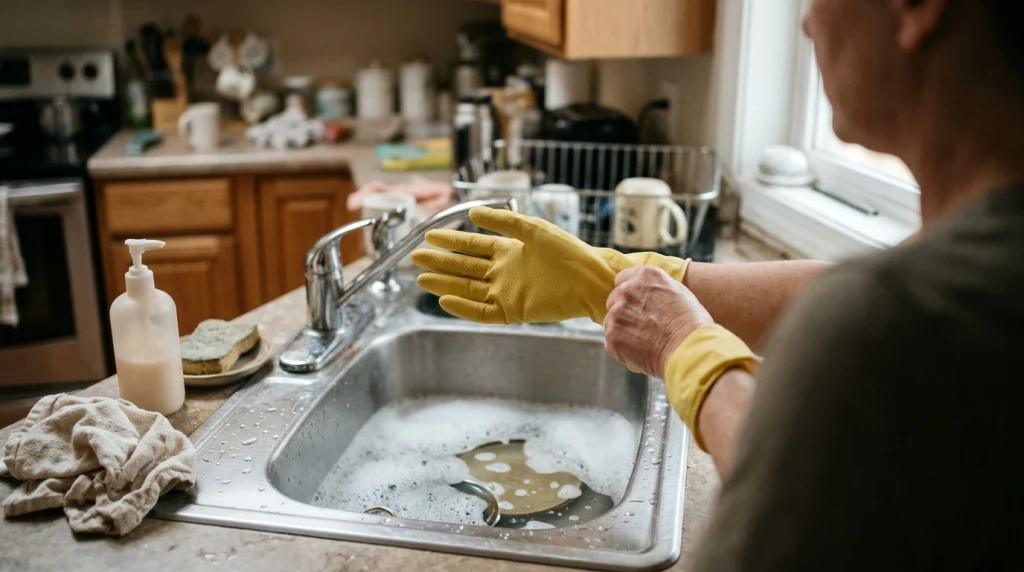
Washing dishes, cleaning bathrooms, and repeatedly soaking your hands can contribute to brittle nails.
Your nail plate absorbs water and changes as it becomes wet and dries again. Repeated exposure can make already vulnerable nails more likely to peel or split.
What helps: Wear protective gloves during wet household chores. After washing your hands, dry them thoroughly and apply moisturizer.
2. Harsh Nail Products and Polish Removal
Frequent exposure to strong solvents, aggressive filing, and improper gel polish removal can damage the nail surface.
Peeling off gel or acrylic products is particularly troublesome because attached layers of your natural nail may come away with the enhancement.
What helps: Use the correct removal method for your manicure, avoid scraping the natural nail, and take a break from enhancements when your nails feel thin or damaged.
For additional advice, explore how chemicals affect nail strength.
3. Dryness and Repeated Friction
Cold weather, frequent handwashing, and cleaning products can leave your hands and nail area feeling dry.
Meanwhile, activities such as typing with long nails, opening containers, or scraping labels create repeated pressure on the nail tips.
What helps: Keep nails at a manageable length, apply hand cream regularly, and use proper tools instead of your fingernails.
4. Nail Biting or Picking
Biting your nails or picking at loose layers creates small areas of damage that can develop into bigger splits.
Even one rough edge can catch on clothing and tear farther into the nail.
What helps: Carry a small nail file and smooth rough edges when they appear. Avoid pulling loose pieces away.
5. Possible Health-Related Causes
Sometimes brittle nails are associated with conditions such as iron deficiency, thyroid disorders, psoriasis, or fungal infections.
However, splitting nails alone don’t prove you have a vitamin deficiency or another medical condition. Environmental damage is common, and persistent symptoms deserve an individual assessment.
If several nails change unexpectedly, or the problem continues despite careful nail care, consult a qualified healthcare professional.
How Can You Tell What Type of Nail Split You Have?
Not every cracked nail looks the same. The direction and location of the damage can help you decide whether gentle home care is appropriate.
Horizontal Splitting and Peeling
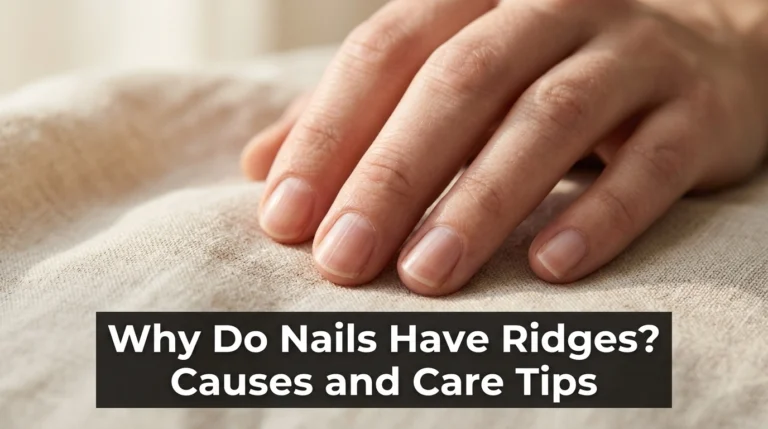
Horizontal splitting happens when thin layers separate near the nail’s free edge. You might notice flaky tips that feel soft or catch on clothing.
This type of peeling, sometimes called onychoschizia, is commonly associated with brittle nails and repeated exposure to water or manicure-related trauma.
Vertical Nail Cracks
A vertical crack follows the length of your nail, sometimes beginning near the tip and extending toward the base.
A superficial crack limited to the free edge may be manageable at home. However, a recurring lengthwise split, especially one extending from the nail base, should be examined by a dermatologist.
Splits Near the Nail Bed
If a crack extends into the pink, attached portion of your nail, it can involve sensitive underlying tissue.
You may experience pain, tenderness, or bleeding. Don’t try to repair this type of injury with household glue, nail glue, or cosmetic wraps.
Warning
A deep crack, significant bleeding, severe pain, nail lifting, or swelling should not be treated like an ordinary manicure problem. Seek medical advice, particularly if the nail bed or surrounding skin appears injured.
How Do You Fix a Splitting Nail at Home?
If your nail has a small, painless split confined to the free edge, the safest approach is usually to remove loose material, smooth the nail, and protect it while it grows.
Remember that you’re managing the damaged area, not permanently repairing the nail’s original structure.
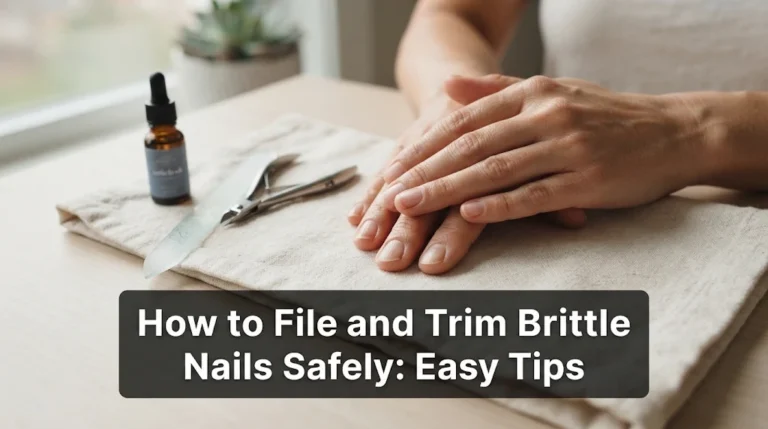
What You’ll Need
- Clean, sharp nail clippers or nail scissors
- A gentle, fine-grit nail file
- Fragrance-free hand cream or petroleum jelly
- Optional cuticle oil
- Protective household gloves
- Optional nail-repair wrap for a tiny, painless free-edge split
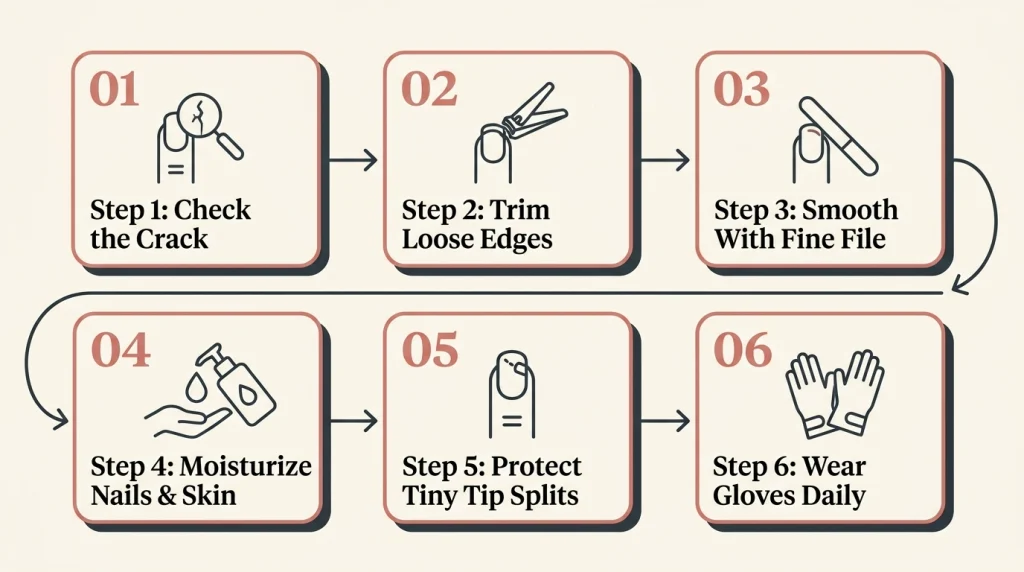
Step 1: Check the Crack Before Touching It
Wash your hands gently, then dry them thoroughly. Look at where the crack starts and ends.
If the split stays within the white free edge and isn’t painful, you may be able to manage it at home. If it extends into attached tissue, stop and seek appropriate care.
Common mistake: Assuming every crack is cosmetic and covering it immediately without checking for injury.
Step 2: Carefully Trim Loose Nail Edges
Use clean clippers to shorten the nail only where you can do so comfortably without pulling on attached tissue.
Keeping the nail shorter reduces leverage and makes it less likely to snag on clothing or household objects.
If cutting causes pain or requires pulling an attached section, stop rather than forcing it.
Common mistake: Cutting too deeply into the sides or trying to remove an attached piece of cracked nail.
Step 3: Smooth the Nail With a Gentle File
Use a fine-grit file to smooth the remaining free edge. Move gently in one direction, starting from the side and working toward the center.
A slightly rounded or softly squared shape can help remove sharp corners that catch easily.
Avoid aggressively buffing the top surface, especially when the nail is already thin.
Common mistake: Filing repeatedly over the crack until the surrounding nail becomes even thinner.
Step 4: Moisturize Your Nails and Surrounding Skin
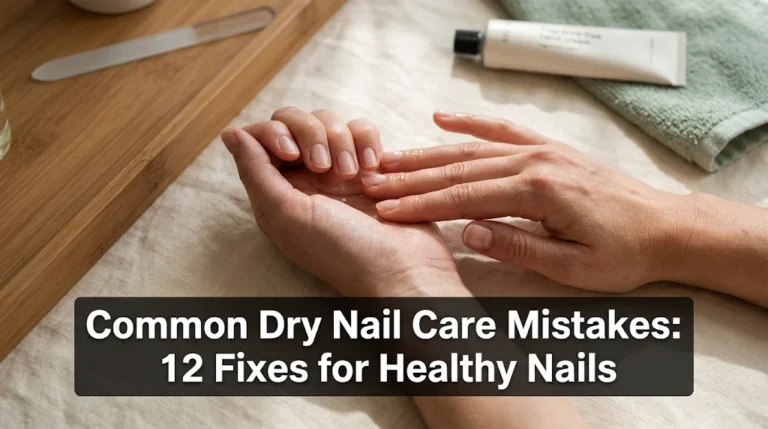
Massage a small amount of hand cream or petroleum jelly over your nails and the surrounding skin.
Repeat after handwashing and before bed. Moisturizing helps manage dryness and supports a more comfortable nail-care routine, although it cannot reconnect separated nail layers.
You can also use a simple cuticle oil if you prefer a lightweight product.
Common mistake: Applying moisturizer once and expecting a visible crack to disappear.
Step 5: Protect a Tiny Free-Edge Split if Necessary
If a very small, painless crack remains at the free edge, a cosmetic nail-repair wrap may temporarily reduce snagging while you wait to trim the damaged portion.
Follow the product instructions carefully. Avoid adhesives if the surrounding skin is broken, irritated, or sensitive to the ingredients.
Never apply cosmetic nail glue over a bleeding crack, a lifted nail, or a suspected infection.
Common mistake: Using a thick artificial nail enhancement to hide a deep split that should be examined professionally.
Step 6: Protect Your Nail During Everyday Activities
Wear gloves when cleaning or washing dishes, avoid picking at the affected nail, and minimize activities that place pressure on its tip.
If the nail repeatedly catches on fabric, shorten it slightly more rather than pulling at the damaged edge.
Common mistake: Repairing a nail cosmetically but continuing the same habits that caused the original crack.
What Products Actually Help Splitting Nails?
You don’t need a full shelf of nail treatments. A few practical products can make daily care easier, especially when dryness and repeated trauma are involved.
These are useful product categories rather than guaranteed treatments for brittle nails.
Recommended Product
Fine-Grit Glass Nail File
A smooth glass nail file can help you gently shape fragile nail tips and remove small snags without excessive pressure.
Recommended Product
Fragrance-Free Moisturizing Hand Cream
A rich, gentle moisturizer helps relieve dryness around your nails and is easy to incorporate into an everyday routine.
Recommended Product
Reusable Household Cleaning Gloves
Comfortable cleaning gloves reduce direct exposure to water and detergents during everyday chores. Choose a well-fitting pair and keep the inside dry.
As an Amazon Associate, we earn from qualifying purchases.
How Do You Stop Your Nails From Splitting Again?
Once you’ve addressed the immediate crack, prevention becomes your priority. Small daily habits can make a meaningful difference when fragile nails are repeatedly exposed to stress.
Keep Your Nails Short While They Recover
Long nails create more leverage when they catch on objects. Keeping them short reduces the risk of a small split turning into a larger tear.
Choose a comfortable length that lets you type, clean, and carry out normal activities without bending the nail tips.
Moisturize After Washing Your Hands
Keep hand cream near your sink, desk, or bedside table. Apply it after washing and massage a little over each nail.
Consistency matters more than using a luxury treatment. Even a basic fragrance-free cream can support your everyday routine.
Protect Your Nails From Household Chemicals
Detergents, cleaning solutions, and repeated wet work can aggravate already brittle nails.
Use protective gloves while doing dishes or cleaning. Remove them afterward, dry your hands, and moisturize.
Be Gentle With Manicures
Avoid forcefully removing gel polish, over-buffing the nail surface, or repeatedly applying enhancements over damaged nails.
If your nails feel unusually thin after a manicure, consider a period of gentler care.
For a broader routine, see how to properly care for your nails.
Stop Using Your Nails as Tools
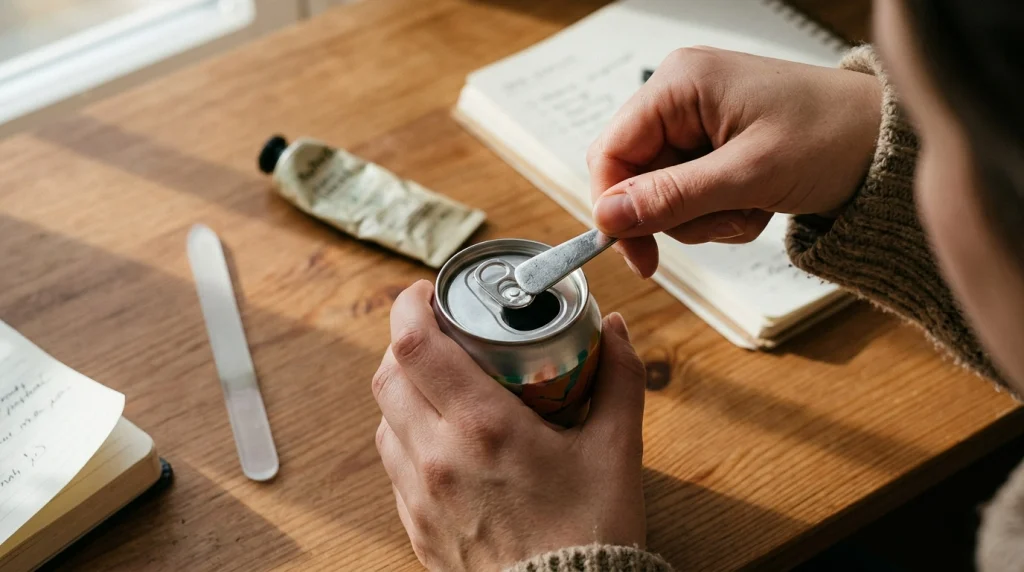
Opening soda cans, scratching adhesive labels, or prying open containers places unnecessary pressure on your nail tips.
Use a suitable tool instead. This simple change can prevent repeated mechanical damage.
Pro Tip
Keep a small nail file in your handbag or desk drawer. Smoothing a snag as soon as you notice it can prevent an irritating edge from catching and tearing farther into the nail.
What Should You Do and Avoid With Cracked Nails?
Do
- Keep fragile nails comfortably short.
- Moisturize after washing.
- Gently file away snags.
- Wear gloves for wet chores.
- Use clean manicure tools.
- Monitor unexpected changes.
Don’t
- Pull apart splitting layers.
- Peel off gel polish.
- Over-buff thin nails.
- Apply glue over wounds.
- Bite or pick at cracks.
- Ignore pain or infection signs.
How Long Does It Take for a Split Nail to Recover?
A split nail doesn’t heal in the same way a cut in your skin does. The nail plate is made of nonliving keratinized cells, so damaged sections remain damaged until they are trimmed away or grow beyond the fingertip.
Fingernails grow approximately 3 millimeters per month on average, although growth varies with age, health, and individual factors.
A tiny crack near the tip may grow out relatively soon. Damage closer to the base can take several months to disappear completely.
A full fingernail typically takes around four to six months to replace. Toenails generally take longer.
During this period, focus on reducing new damage rather than expecting an overnight repair.
For a longer-term approach, see our guide on making your nails healthy again.
Can Nail Hardeners or Supplements Fix Splitting Nails?
Nail hardeners and supplements are often advertised as quick solutions, but their benefits depend on the cause of your nail problems.
Nail Hardeners
Some hardeners form a protective cosmetic coating, but formulas vary. Very rigid coatings may not be suitable for every brittle nail, and certain ingredients can cause irritation or sensitivity.
If you choose a hardener, follow the manufacturer’s directions and discontinue use if irritation develops.
Cuticle Oils
Cuticle oils can help condition dry skin around your nails and complement a regular moisturizing routine.
However, they cannot permanently join a cracked nail or reverse existing structural damage.
Biotin and Nail Supplements
Biotin is frequently promoted for nail strength, but evidence supporting routine supplementation for brittle nails is limited.
High-dose biotin can also interfere with certain laboratory tests. Speak with a healthcare professional before starting supplements, especially if you’re taking medication or undergoing medical testing.
A balanced diet is generally a better starting point than taking multiple supplements without identifying a deficiency.
When Should You See a Dermatologist About Cracked Nails?
Most minor free-edge splits aren’t emergencies. However, certain nail changes shouldn’t be treated as ordinary cosmetic damage.
Arrange professional evaluation if you notice:
- A deep crack extending into attached nail tissue.
- Persistent pain, bleeding, or significant tenderness.
- Redness, warmth, swelling, or pus around the nail.
- A nail lifting away from the nail bed.
- Repeated lengthwise splitting from the nail base.
- New or changing dark discoloration or a dark streak.
- Multiple nails becoming brittle without an obvious cause.
- Thickened, crumbly, or discolored nails that may indicate infection.
If you have diabetes, poor circulation, or a condition that affects wound healing, get professional advice promptly about nail injuries.
For more guidance on recognizing concerning changes, explore the signs of unhealthy nails.
Why Do Your Nails Keep Splitting Despite Proper Care?
Sometimes you follow a careful routine and still notice cracks. That doesn’t necessarily mean you’re doing something wrong. There may be an ongoing source of damage or an underlying condition that needs attention.
Problem: Your nails keep peeling at the tips
Immediate fix: Shorten and gently file the peeling sections without pulling attached layers.
Prevention: Reduce prolonged water exposure, moisturize consistently, and avoid aggressive manicure removal.
Problem: The same nail repeatedly cracks vertically
Immediate fix: Keep it short and prevent snagging. Don’t glue or forcefully manipulate a crack extending into attached tissue.
Prevention: Avoid repeated trauma and seek a dermatologist’s assessment if the split continues or originates near the nail base.
Problem: Your nails feel thin after gel removal
Immediate fix: Avoid additional buffing, drilling, or scraping. Keep nails short and moisturized.
Prevention: Use appropriate removal techniques and allow damaged sections to grow out before repeated enhancements.
Problem: Several nails suddenly become fragile
Immediate fix: Review changes in your manicure habits, cleaning routine, and chemical exposure.
Prevention: Establish protective habits and consult a healthcare professional if the changes are unexplained or persistent.
Frequently Asked Questions About Splitting Nails
Q: Can a split nail grow back together?
A: No. The damaged nail plate cannot permanently fuse itself back together. You can protect the split and prevent additional tearing while new nail grows from the base and the damaged portion is eventually trimmed away.
Q: Is it safe to put nail glue on a cracked nail?
A: Cosmetic repair products may be appropriate for certain tiny, painless cracks entirely within the free edge. Never put nail glue on broken skin, a bleeding crack, or an infected or significantly lifted nail.
Q: Does petroleum jelly help splitting nails?
A: Petroleum jelly helps reduce moisture loss from dry skin and can be part of a gentle nail-care routine. It won’t permanently repair an existing split, but moisturizing can help manage dryness.
Q: Should you cut off a cracked nail?
A: You can carefully trim a loose, painless section of the free edge with clean clippers. Don’t cut into attached tissue or pull off a piece that remains firmly connected to the nail bed.
Q: Can vitamin deficiency cause nails to split?
A: Certain nutritional deficiencies, including iron deficiency, can be associated with nail changes. However, splitting nails are frequently caused by environmental exposure or repeated trauma. Testing and supplementation should be guided by a healthcare professional.
Final Thoughts: Protect Your Nails While They Grow
Learning how to fix splitting or cracked nails starts with gentle trimming, careful filing, consistent moisturizing, and protection from repeated damage. A small crack may be manageable at home, but painful or persistent nail changes deserve professional attention.
You don’t need perfect nails overnight. Give your natural nails time to grow, keep your routine simple, and save this guide to your Pinterest nail-care board for the next time a small split appears.

Hi, I’m Jessica, the creator behind Unique Lash & Nails Katy.
I created this website for anyone who loves beautiful nails as much as I do. Here, I share trendy nail designs, seasonal manicure ideas, easy nail care tips, honest product recommendations, and step-by-step guides to help you create salon-worthy nails at home. Whether you’re looking for everyday inspiration or your next favorite nail trend, I hope you’ll find something you love.