Common Dry Nail Care Mistakes: 12 Fixes for Healthy Nails
Quick Answer
The most common dry nail care mistakes include skipping moisturizer, exposing your hands to water and detergents too often, using harsh polish removers, cutting cuticles, and peeling off gel manicures. To protect your nails, apply hand cream after washing, moisturize your cuticles daily, wear gloves for wet chores, and file gently. These small habits help reduce avoidable dryness and breakage while healthier nail grows out.
Your nails look beautiful after a fresh manicure, but a few days later, the tips start peeling. Your cuticles feel rough, and another nail breaks before it reaches your favorite length. Sound familiar?
You may be making common dry nail care mistakes without realizing it. Even an expensive cuticle oil cannot fully compensate for constant detergent exposure, aggressive filing, or peeling off nail enhancements.
The good news is that most everyday nail care mistakes are easy to correct. You don’t need an elaborate routine or a collection of expensive treatments. You need consistent moisture, protection, and gentler habits.
Below, you’ll learn which mistakes matter most, why they cause problems, and exactly what to do instead.


Why Do Your Nails Become Dry and Brittle?
Your fingernails are made primarily of keratin, a tough protein arranged in layers. Although the visible nail plate is not living tissue, its condition can change with repeated exposure to water, chemicals, friction, and physical damage.
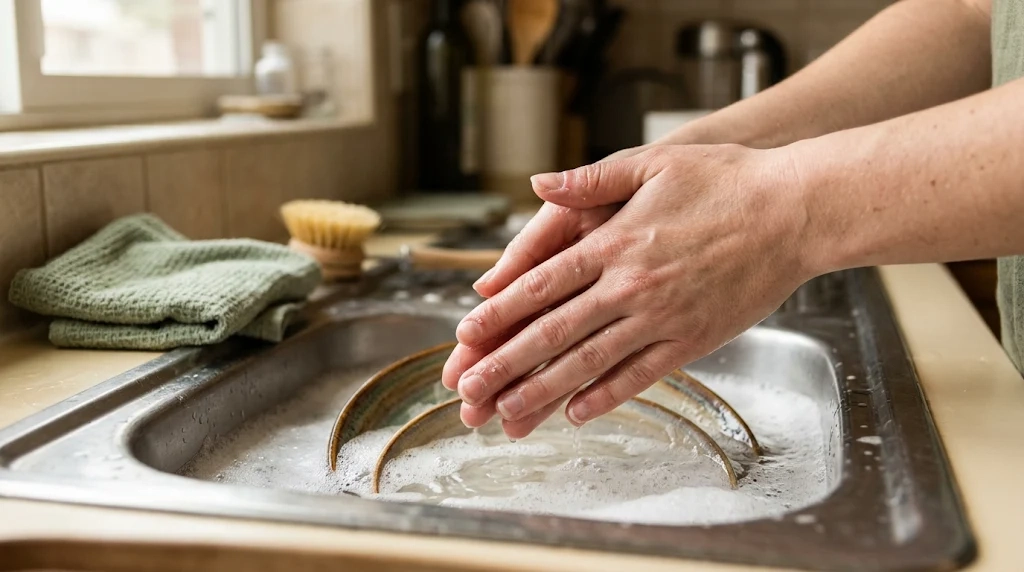
When your hands spend a lot of time in water, your nails absorb moisture and expand slightly. As they dry, they contract. Repeating this cycle frequently can contribute to splitting and peeling, especially when your nails are already fragile.
Several other factors can make dryness worse:
- Frequent handwashing without moisturizing afterward
- Repeated exposure to cleaning chemicals and detergents
- Dry indoor air or cold weather
- Harsh manicure preparation and removal
- Cuticle biting, picking, or aggressive trimming
- Underlying skin conditions or other health problems
Not every brittle nail is caused by a beauty mistake. If dryness or splitting persists despite gentle care, an underlying condition may need medical attention.
What Are the 12 Most Common Dry Nail Care Mistakes?
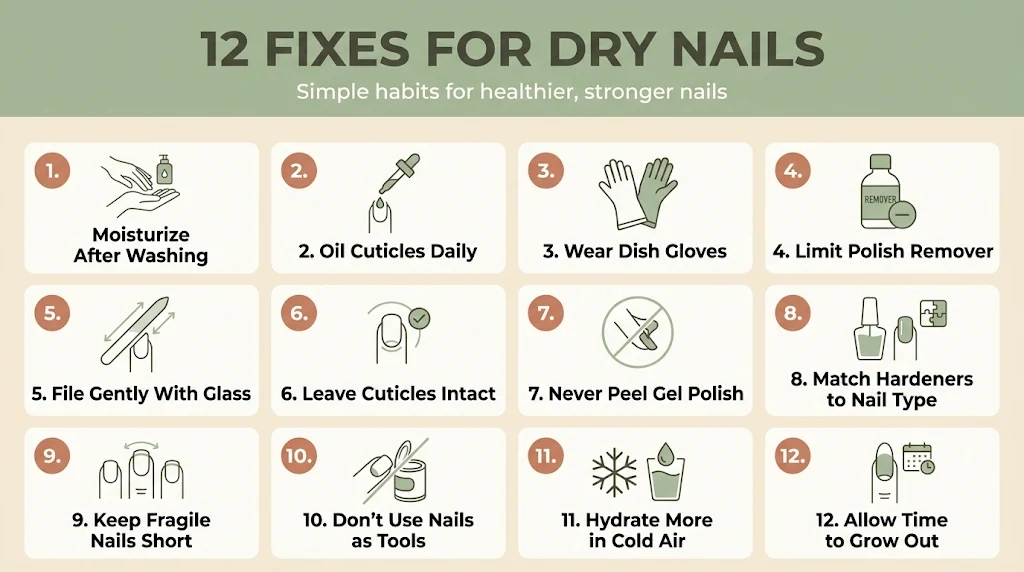
These mistakes often seem harmless because they happen during normal activities. Identifying your own habits is the first step toward making your nails more comfortable and less prone to damage.
1. Skipping Moisturizer After Washing Your Hands
Washing your hands is essential for hygiene, but repeated exposure to soap and water can leave your hands and cuticles feeling dry. If you wash frequently without moisturizing, the skin around your nails may become rough, cracked, or irritated.
Why it’s a mistake: Soap removes oils from the skin surface. Without regular moisturizing, your cuticle area can lose some of its protective softness.
What to do instead: Apply a fragrance-free hand cream after washing and drying your hands. Massage a small amount over your nails, cuticles, and fingertips.
Choose a cream containing ingredients such as glycerin, petrolatum, or dimethicone. These ingredients help maintain moisture and support the skin barrier.
Small habit that helps: Keep a hand cream beside your sink, at your desk, and near your bedside table. You’ll be more likely to use it when it’s within reach.
2. Forgetting to Moisturize Your Cuticles
Many people moisturize their palms and the backs of their hands but completely ignore the skin around their nails.
Your cuticle area can become dry and uncomfortable, especially during winter or after frequent handwashing. Rough skin around your nail edges is also more likely to catch on clothing.
Why it’s a mistake: Dry surrounding skin is more vulnerable to cracking and irritation. Pulling at rough skin can create additional injury.
What to do instead: Massage a small amount of cuticle oil or petroleum jelly into the skin around each nail once or twice daily, particularly before bedtime.
You can follow our detailed guide on how to moisturize nails to build a consistent routine.
Pro Tip
Apply moisturizer before cuticle oil when your skin is very dry. Finish with a little petroleum jelly at night to help reduce moisture loss while you sleep.
3. Washing Dishes Without Protective Gloves
Washing dishes may look harmless, but prolonged exposure to warm water and detergents can be hard on already dry nails.
Your nails repeatedly absorb water and dry out. Combined with detergent exposure, this can contribute to peeling, splitting, and rough skin around the fingertips.
Why it’s a mistake: Long periods of wet work increase contact with substances that can irritate the skin and affect fragile nails.
What to do instead: Wear properly fitting household gloves while washing dishes, scrubbing surfaces, or handling cleaning chemicals.
If gloves make your hands sweaty, choose a comfortable pair with a suitable lining or wear clean cotton liners when appropriate. Remove your gloves afterward, dry your hands, and moisturize.
Remember: Gloves protect your nails from unnecessary exposure, but they should not remain damp against your skin for long periods.
4. Using Nail Polish Remover Too Frequently
Changing your manicure every couple of days may be fun, especially when you’re trying new Pinterest nail trends. However, frequent polish removal can leave nails and surrounding skin feeling dry.
Acetone is an effective polish remover, but it can temporarily remove surface oils and contribute to dryness. Non-acetone removers can also contain solvents that irritate sensitive skin.
Why it’s a mistake: Repeated solvent exposure, especially when combined with scraping or rubbing aggressively, may worsen the condition of fragile nails.
What to do instead: Remove polish only when needed. Use the remover appropriate for your manicure and avoid prolonged contact with the surrounding skin.
After removal, wash away residue as directed by the product, dry your hands, and apply moisturizer.
Don’t assume acetone-free automatically means harmless. Gentle technique and sensible frequency are just as important as the product you choose.
5. Filing Your Nails Too Aggressively
When your nail tips start peeling, it can be tempting to file away every uneven layer. Unfortunately, aggressive filing may create additional damage.
Coarse files and excessive pressure can leave rough edges or remove too much of the nail surface. Fragile nails are particularly vulnerable.
Why it’s a mistake: Repeatedly thinning the nail plate reduces its ability to resist everyday mechanical stress.
What to do instead: Use a fine-grit nail file or a glass file designed for natural nails. Shape the free edge with gentle, controlled movements.
Avoid filing the entire top surface just to make it look smooth. If your nails are peeling, focus on protecting the affected area while it grows out.
Short rounded or softly squared nails are often easier to maintain when your tips are weak.
6. Cutting or Pushing Back Cuticles Aggressively
Clean-looking cuticles can make a manicure appear professional, but removing too much protective skin may create problems.
The cuticle helps form a protective seal at the base of your nail. Cutting or scraping aggressively around this area can lead to irritation and provide an opening for infection.
Why it’s a mistake: Damaging the skin barrier around the nail can cause tenderness, inflammation, and painful hangnails.
What to do instead: Leave healthy cuticle tissue intact. Moisturize dry areas regularly and avoid digging underneath the nail fold.
If you have a hangnail, use clean nail clippers to trim only the loose piece of skin. Never pull or bite it.
Warning
If the skin around your nail becomes increasingly red, swollen, warm, painful, or produces pus, seek medical advice. These can be signs of an infection rather than ordinary dryness.
7. Peeling Off Gel Polish or Acrylic Nails
A lifted gel manicure may tempt you to peel it off immediately. This is one of the most damaging manicure habits for already fragile nails.
Gel and other nail enhancements can remain attached to the surface layers of your natural nails. Pulling them off may remove parts of those layers along with the product.
Why it’s a mistake: Peeling or forcibly scraping off enhancements can leave your nail plate thinner, rougher, and more prone to splitting.
What to do instead: Follow the manufacturer’s removal instructions or visit a trained nail technician.
Some soak-off products require careful acetone removal, while certain enhancements may need professional filing. Never pry off firmly attached material.
If your nails feel sore, unusually thin, or tender afterward, avoid applying another enhancement immediately. Give the damaged sections time to grow out.
8. Using Strong Nail Hardeners Without Considering Your Nail Type
Nail hardeners can be helpful in selected situations, but stronger does not always mean better.
Some hardening formulas create a rigid coating that may not suit nails prone to cracking under pressure. Certain ingredients can also irritate sensitive skin or trigger contact allergies.
Why it’s a mistake: Using treatments indiscriminately may create a false sense of protection while the real causes of damage remain unchanged.
What to do instead: Identify whether your nails are peeling, bending, splitting, or breaking before selecting a treatment.
Follow product directions carefully and discontinue anything that causes irritation. When your nails are mainly dry, start with moisturizing and mechanical protection rather than automatically choosing the strongest hardener.
9. Keeping Damaged Nails Too Long
Long nails look elegant, but a fragile nail tip can catch on your hair, clothing, handbag, or keyboard.
Every small snag places additional pressure on the nail. When the nail plate is already peeling, that pressure can turn a tiny split into a painful break.
Why it’s a mistake: Extra length increases leverage when a nail catches against something.
What to do instead: Keep damaged nails relatively short until the weakened section grows out.
Trim carefully, then smooth the edge with a fine file. A short squoval or rounded shape looks polished and is usually easier to protect during recovery.
10. Using Your Fingernails as Tools
Opening soda cans, scraping stickers, picking at packaging, and prying apart objects may seem convenient. Unfortunately, these little tasks can put considerable stress on your nail tips.
Why it’s a mistake: Physical pressure can create chips, cracks, and splitting, particularly in thin or damaged nails.
What to do instead: Use a proper tool whenever possible. Open cans with a tab opener, remove stickers with an appropriate scraper, and avoid picking at hard surfaces.
You’ll protect your manicure and reduce the chance of sudden breakage.
11. Ignoring Dryness During Cold Weather
Cold outdoor air and heated indoor environments can leave the skin around your nails feeling exceptionally dry.
If your usual lightweight lotion no longer keeps your fingertips comfortable, you may need to adjust your routine.
Why it’s a mistake: Low humidity can increase moisture loss from exposed skin. Dry, cracked cuticles may become more noticeable during colder months.
What to do instead: Switch to a richer fragrance-free hand cream when needed. Use petroleum jelly over especially dry areas before bed.
Wear warm gloves outdoors when practical and consider a humidifier if your indoor air is particularly dry.
Apply moisturizer regularly rather than waiting until your fingertips start cracking.
12. Expecting Damaged Nails to Recover Overnight
A new treatment might make your nails appear smoother right away, but it cannot instantly rebuild missing layers of the nail plate.
Your nails grow from the matrix underneath the skin near the base. Existing damage gradually moves toward the free edge as new nail grows.
Why it’s a mistake: Switching products every few days makes it difficult to maintain a consistent routine, and unrealistic expectations can lead to unnecessary treatments.
What to do instead: Focus on protecting new nail growth. Keep your nails moisturized, avoid repeated trauma, and take photographs every few weeks if you want to monitor visible changes.
For more guidance, read our article about how to make your nails healthy again.
Which Nail Care Habits Should You Follow or Avoid?
Do
- Moisturize after handwashing.
- Apply cuticle oil regularly.
- Wear gloves for wet chores.
- Keep fragile nails short.
- Use a fine-grit nail file.
- Remove manicures gently.
- Monitor persistent nail changes.
Don’t
- Peel off gel polish.
- Cut healthy cuticles.
- Over-buff the nail surface.
- Use nails to open packages.
- Ignore painful cracking.
- Overuse harsh treatments.
- Expect instant nail repair.
How Can You Build a Simple Daily Routine for Dry Nails?
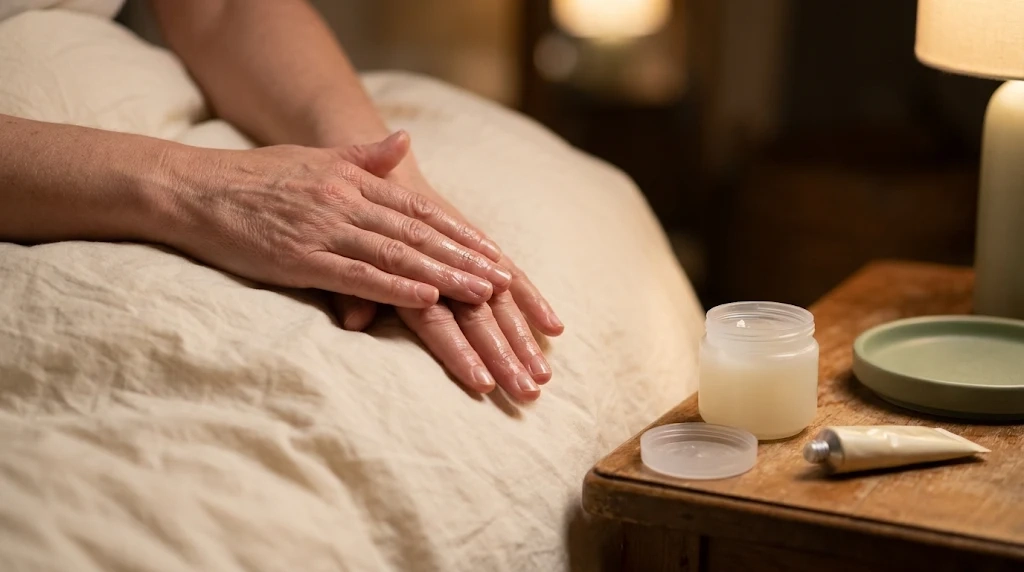
The best routine is one that fits into your normal day. Consistency matters more than using numerous products.
Morning: Protect Before You Start
After washing your hands, dry them carefully and apply a fragrance-free moisturizer over your fingertips, nails, and cuticles.
If you plan to clean or wash dishes, prepare your household gloves before beginning. Keep your nails at a practical length for your daily activities.
During the Day: Replace Moisture When Needed
Reapply hand cream after washing, especially if you wash frequently at work.
Use a little cuticle oil if the skin around your nails feels tight or dry. Avoid picking at loose skin or catching weakened nails on hard objects.
At Night: Add Extra Moisture
Massage moisturizer around each fingertip. If your cuticles are very dry, add a thin layer of petroleum jelly to help reduce moisture loss overnight.
For more complete maintenance advice, explore our simple nail care routine for healthy nails.
Pro Tip
Keep one moisturizer where you wash your hands and another beside your bed. Building nail care into habits you already perform makes the routine easier to maintain.
Which Products Can Help You Avoid Dry Nail Care Mistakes?
You don’t need a large nail care collection. A few practical products can support the habits that matter most.
Disclosure: As an Amazon Associate, we earn from qualifying purchases. Product links below are affiliate search links.
1. Fragrance-Free Moisturizing Hand Cream
Recommended Product
Fragrance-Free Hand Cream for Dry Skin
Choose a gentle cream containing moisturizing ingredients such as glycerin or petrolatum. It can help your cuticles and surrounding skin feel more comfortable after handwashing.
2. Jojoba Cuticle Oil Pen
Recommended Product
Jojoba Cuticle Oil Pen
A portable oil pen makes it convenient to moisturize your cuticles during the day without carrying a bottle that might spill.
3. Glass Nail File for Natural Nails
Recommended Product
Fine Glass Nail File
A fine glass file gives you controlled shaping and helps smooth rough nail edges without aggressive filing.
4. Reusable Household Cleaning Gloves
Recommended Product
Reusable Cleaning Gloves
Protecting your nails from prolonged detergent and water exposure can be more useful than adding another nail treatment to your routine.
How Long Does It Take for Dry Nails to Improve?
The timeline depends on what is causing the dryness and whether your nail plate has already been damaged.
- Within days: Regular moisturizing may help dry cuticles and surrounding skin feel softer and more comfortable.
- Within several weeks: Better protection may reduce new snags and prevent some additional breakage.
- Over several months: Damaged nail sections gradually grow toward the tip and can eventually be trimmed away.
Fingernails typically take around four to six months to grow from base to tip, although individual growth rates vary.
If your nails have been damaged by aggressive removal or repeated trauma, topical moisturizers cannot instantly restore the missing layers. They help you manage dryness while new nail grows.
When Should You See a Dermatologist About Dry Nails?
Not every nail problem is caused by poor care. Consider professional evaluation if you notice any of these changes:
- Persistent splitting or brittleness despite gentle care
- Pain, swelling, warmth, or pus around a nail
- A nail lifting away from the nail bed
- Unusual thickening, discoloration, or significant shape changes
- A new dark streak in a nail, especially if it changes or widens
- Several nails changing appearance without an obvious cause
Conditions such as eczema, psoriasis, fungal infections, and certain nutritional or medical problems can affect nails. A dermatologist can help determine whether your symptoms need treatment beyond routine nail care.
Frequently Asked Questions About Dry Nail Care Mistakes
Q: What is the biggest mistake people make with dry nails?
A: One of the most common mistakes is repeatedly washing hands or working with water without moisturizing and protecting the nail area. Apply hand cream after washing and use gloves for prolonged wet chores.
Q: Can cuticle oil repair dry, damaged nails?
A: Cuticle oil helps moisturize the nail area, but it cannot permanently rebuild missing nail layers. Damaged portions need to grow out while you protect the new nail.
Q: Should you stop wearing nail polish if your nails are dry?
A: Not necessarily. Regular polish may be manageable with gentle application and removal. However, if your nails are painful, peeling severely, or unusually thin, avoid further potentially damaging treatments until they recover.
Q: Is petroleum jelly good for dry cuticles?
A: Yes. Petroleum jelly can help reduce moisture loss from dry skin around your nails. Apply a thin layer after moisturizing, especially before bedtime.
Q: Why do my nails keep peeling even when I use nail oil?
A: Oil alone may not address repeated water exposure, mechanical damage, harsh manicure removal, or an underlying nail condition. Protect your nails from these triggers and seek medical advice if peeling continues.
Final Thoughts: Protect Your Nails With Better Daily Habits
Avoiding common dry nail care mistakes doesn’t require perfection. Start by moisturizing regularly, protecting your hands from prolonged water exposure, leaving healthy cuticles intact, and removing manicures gently.
Small improvements repeated every day can make a meaningful difference as your natural nails grow.
Save this guide to your Pinterest nail care board so you can revisit these simple habits whenever your nails need extra attention.

Hi, I’m Jessica, the creator behind Unique Lash & Nails Katy.
I created this website for anyone who loves beautiful nails as much as I do. Here, I share trendy nail designs, seasonal manicure ideas, easy nail care tips, honest product recommendations, and step-by-step guides to help you create salon-worthy nails at home. Whether you’re looking for everyday inspiration or your next favorite nail trend, I hope you’ll find something you love.