Common Weak Nail Care Mistakes: 12 Easy Fixes
Quick Answer
The most common weak nail care mistakes include peeling off gel polish, filing too aggressively, skipping moisturizer, cutting cuticles, and exposing your nails to water and cleaning chemicals without protection. To prevent further damage, keep your nails short, moisturize daily, wear gloves for wet chores, and remove manicures gently. Consistent care helps protect new nail growth while existing damage gradually grows out.
If your nails keep peeling, bending, or breaking, your everyday nail care habits might be contributing to the problem. Even small mistakes can create unnecessary stress on nails that are already fragile.
The good news? You don’t necessarily need expensive treatments or a complicated manicure routine. Learning which habits to change can help you protect your natural nails and reduce avoidable breakage.
Below, you’ll discover 12 common weak nail care mistakes, why they matter, and exactly what you can do differently.


Why Do Your Nails Become Weak and Brittle?

Your fingernails are made primarily of keratin, a protective protein arranged in compact layers. Although the nail plate is relatively tough, repeated exposure to moisture, chemicals, friction, and physical trauma can damage its surface.
When these layers become damaged, your nails may start peeling, splitting, or breaking near the free edge.
Several everyday factors can contribute to weak nails:
- Repeated water exposure: Frequent wetting and drying can contribute to brittleness and peeling.
- Harsh manicure removal: Picking or scraping away nail products can remove superficial nail layers.
- Over-filing: Excessive filing and buffing can make the nail plate thinner.
- Dryness: Dry nails and surrounding skin may be more vulnerable to cracking and snagging.
- Physical stress: Using your fingernails as tools increases the risk of splitting.
- Underlying health conditions: Occasionally, persistent nail changes may be associated with conditions such as iron deficiency, thyroid disorders, or skin disease.
Understanding the cause matters because a moisturizing product cannot replace nail layers that have already been removed.
If you’re still trying to identify your particular problem, explore our guide explaining why your nails may be weak.
12 Common Weak Nail Care Mistakes You Should Avoid
Many people accidentally damage their nails while trying to make them look prettier. These are the habits worth checking first.
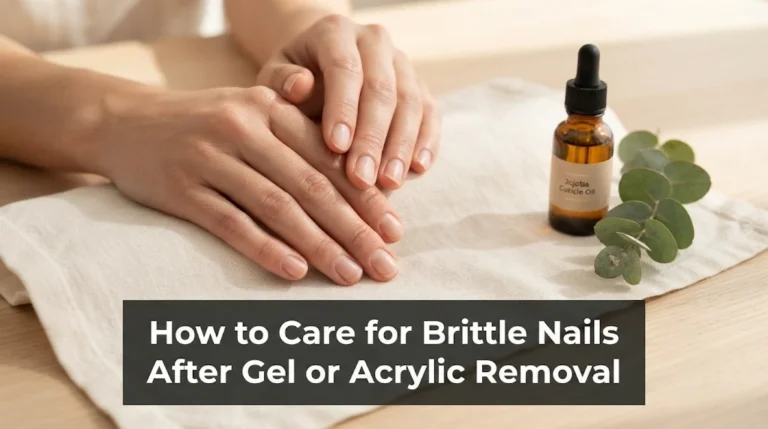
1. Peeling Off Gel Polish Instead of Removing It Properly
Peeling off gel polish might seem like an easy shortcut when your manicure starts lifting. Unfortunately, the product can pull superficial layers of your natural nail away with it.
Over time, repeated peeling may leave your nails visibly thin, rough, and more likely to split.
What to do instead: Follow the removal instructions for your particular gel system. Soak-off gel generally requires appropriate acetone removal, while some hard gels must be professionally filed down.
Never force off product that remains firmly attached. If removal becomes difficult, visiting a trained nail technician is safer than scraping the nail plate.
Pro Tip
If your gel manicure begins lifting, avoid catching the loose edge on clothing or picking at it. Arrange proper removal before additional lifting puts pressure on your natural nail.
2. Filing Your Nails Too Aggressively
Rough filing is another common weak nail care mistake. Using a coarse file on natural nails or applying heavy pressure can create snags and contribute to splitting.
A particularly damaging habit is repeatedly filing the top surface to make it smoother or thinner.
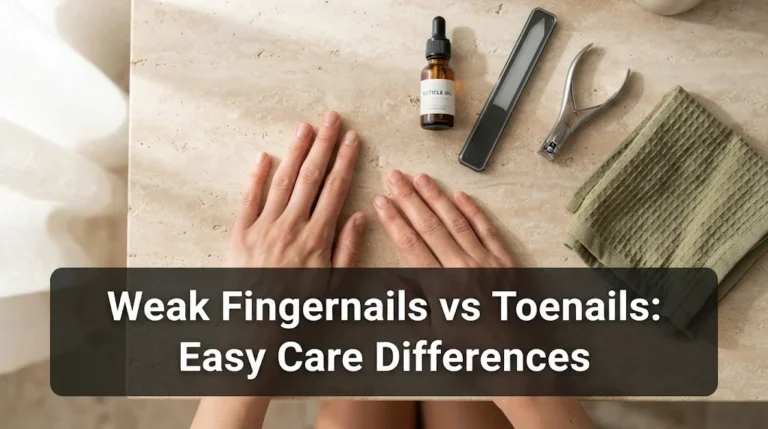
What to do instead: Choose a fine-grit nail file and use gentle, controlled strokes to shape the free edge.
A glass nail file can be a convenient choice for maintaining short natural nails. Focus on removing rough edges rather than sanding away the nail surface.
You can compare options such as a glass nail file for natural nails.
3. Skipping Nail and Cuticle Moisturizer
If you wash your hands frequently but rarely moisturize afterward, the skin around your nails may become dry, rough, and uncomfortable.
Dryness can also contribute to brittle nail edges, particularly when combined with frequent detergents and wet work.
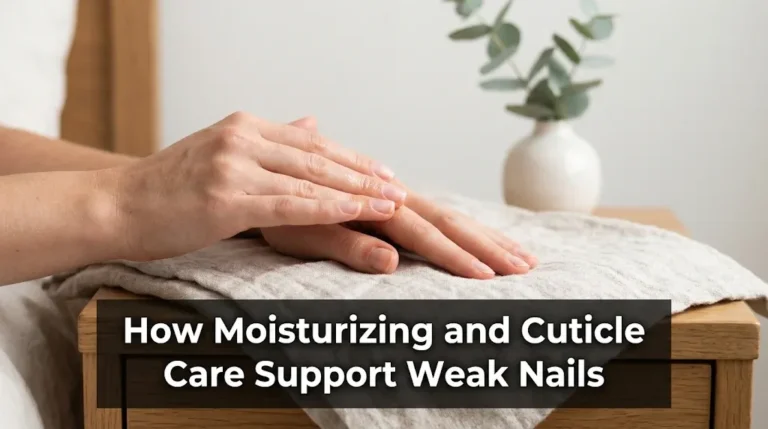
What to do instead: Apply fragrance-free hand cream after washing your hands and before going to bed.
Massage the cream over your fingernails, cuticles, and surrounding skin rather than applying it only to your palms.
If you prefer a lighter product, a jojoba cuticle oil pen is convenient for your handbag or bedside table.
Neither moisturizer nor oil can rebuild missing nail layers, but they can help manage dryness while your nails grow.
4. Using Your Fingernails as Tools
Do you use your nails to open soda cans, scrape stickers, remove labels, or separate key rings?
These everyday actions put pressure on the free edge of your nails. A healthy-looking nail can still crack when pressure concentrates at a small point.
For already weakened nails, even a minor impact can cause an annoying split.
What to do instead: Use the appropriate household tool. Open packages with scissors, lift can tabs with a suitable opener, and remove stickers with a scraper designed for the surface.
Keeping your nails slightly shorter while they recover also reduces leverage on fragile tips.
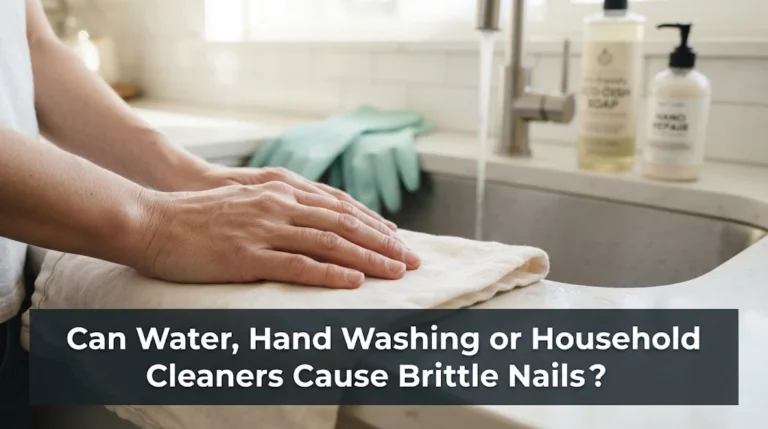
5. Washing Dishes Without Protective Gloves
Water itself is necessary for normal hygiene, but frequent prolonged exposure can be troublesome for brittle nails.
Your nails absorb water and then dry again. Repeating this cycle throughout the day, particularly alongside soaps and detergents, can contribute to peeling.
Cleaning chemicals may also irritate or dry the surrounding skin.
What to do instead: Wear waterproof household gloves when washing dishes, cleaning bathrooms, or doing other lengthy wet chores.
Choose gloves that fit comfortably. If your hands become sweaty, use breathable cotton liners and allow the gloves to dry between uses.
For daily kitchen cleaning, consider cotton-lined reusable dishwashing gloves.
6. Cutting or Picking Your Cuticles
Your cuticle forms part of the protective seal near the base of your nail. Aggressively cutting or picking this area can damage the surrounding skin and create an opportunity for infection.
If you’ve noticed soreness after a manicure, cuticle trimming or rough manipulation may be contributing.
What to do instead: Leave healthy cuticles intact and moisturize the area regularly.
Avoid digging beneath the cuticle fold with metal tools. If you develop a hangnail, carefully clip the loose piece of dead skin using clean tools rather than pulling it.
Warning
Never cut into living skin around your nails. Increasing redness, warmth, swelling, throbbing pain, or pus can indicate an infection that requires medical attention.
7. Over-Buffing Your Natural Nails
Buffing can temporarily create a smooth, shiny appearance. However, repeated aggressive buffing removes material from the nail surface.
This is particularly concerning if your nails already feel thin after gel, acrylic, or dip powder removal.
What to do instead: Avoid unnecessary buffing while your nails are fragile. If you choose to buff healthy nails for cosmetic reasons, use a gentle buffer sparingly without applying heavy pressure.
Don’t try to erase deep ridges or unevenness by repeatedly sanding down the entire nail plate.
For additional recovery guidance, see our article on how to make your nails healthy again.
8. Keeping Weak Nails Too Long
Long nails can look beautiful, but extra length creates more leverage when the tip catches on something.
If your nails are already peeling or splitting, growing them longer before the damage improves may lead to repeated breaks.
What to do instead: Keep your nails at a comfortable short length until the damaged portions grow out.
Round or softly rounded-square shapes are practical choices because their corners are less likely to snag than sharp points.
Use clean nail clippers to reduce excess length, then smooth the edges with a fine file.
9. Using Strong Nail Hardeners Too Often
Nail hardeners may help certain nail problems, but not every formula is appropriate for every type of weak nail.
Some hardening products create a rigid coating. If your nails are already brittle, a coating that makes them excessively rigid may not address the underlying problem.
Products containing potentially irritating ingredients can also cause problems for sensitive skin.
What to do instead: Choose treatments according to your nail condition, read the ingredient list, and follow the manufacturer’s application schedule.
Don’t assume that applying more layers or using several strengtheners simultaneously will produce faster improvement.
If your nail plate is damaged from peeling or filing, prioritize gentle care and new nail growth.
10. Removing Regular Nail Polish Roughly
Scrubbing repeatedly with a cotton pad, scraping off stubborn glitter polish, or peeling away a thick polish layer can increase friction and damage.
Acetone removers can also leave the surrounding skin temporarily dry, although acetone may be necessary for some manicure products.
What to do instead: Use a remover suitable for your polish. Hold a remover-soaked cotton pad against the nail briefly before wiping gently.
Avoid scraping with sharp tools. Once removal is complete, wash your hands as appropriate and apply moisturizer.
If ordinary polish repeatedly damages your nails during removal, consider a break from manicures while the surface improves.
11. Ignoring Small Nail Splits and Snags
A tiny snag can quickly become a larger crack when it catches on clothing, hair, or bedding.
Ignoring the rough edge often allows additional pressure to build at the damaged area.
What to do instead: Smooth small snags promptly with a fine nail file. If the break is entirely within the free edge, trim the nail carefully to a comfortable length.
Don’t pull a split section away or glue a damaged nail that’s cracked into the attached, pink portion.
For more practical prevention strategies, see our guide on how to stop nails from breaking.
12. Expecting Weak Nails to Recover Overnight
One of the most frustrating nail care mistakes is switching treatments every few days because your nails don’t immediately look stronger.
Your visible nail plate is made of nonliving keratinized cells. Once sections become thin or damaged, they cannot fully repair themselves in the same way living skin can.
What to do instead: Protect the nails you have while allowing healthier new nail to grow from the base.
Consistency with moisturizing, gentle grooming, and reduced trauma matters more than constantly changing products.
A complete fingernail typically takes several months to grow out, so improvement is gradual rather than immediate.
What Is the Best Daily Routine for Weak Nails?

You don’t need an elaborate routine. A few minutes of focused care can help reduce unnecessary damage and make maintaining your nails easier.
Morning: Protect Your Nails Before the Day Starts
- Wash your hands normally and dry them gently.
- Apply a fragrance-free hand cream over your fingers and nails.
- Check for rough tips that could snag during daily activities.
- Keep protective gloves nearby if you’ll be doing wet chores.
This simple routine focuses on moisturizing and preventing avoidable stress before it occurs.
During the Day: Reduce Repeated Damage
- Reapply moisturizer after frequent handwashing.
- Use tools instead of fingernails for opening or scraping.
- Wear household gloves for prolonged cleaning.
- Avoid picking at lifting polish or damaged cuticles.
If your job involves frequent handwashing, keeping a small moisturizer beside your sink or workspace makes the habit easier to maintain.
Evening: Moisturize and Check Your Nails
Before bed, massage hand cream into your nails and surrounding skin. If your cuticles are particularly dry, apply a small amount of cuticle oil or plain petroleum jelly.
Take a moment to inspect your nails for new splits or lifting polish. Addressing small problems early can prevent them from catching and becoming larger.
For more everyday care ideas, explore our daily nail care routine for healthier nails.
What Should You Do and Avoid While Your Nails Recover?

Do
- Moisturize your nails every day.
- Keep fragile nails comfortably short.
- Wear gloves for wet cleaning.
- Use a fine nail file.
- Remove manicures carefully.
- Allow damaged nails to grow out.
Don’t
- Peel off gel or acrylic products.
- Buff thin nails repeatedly.
- Cut healthy cuticles aggressively.
- Use nails as opening tools.
- Ignore painful nail changes.
- Expect instant nail regrowth.
Which Nail Care Products Are Worth Buying?
You don’t need a large collection of nail treatments. For most everyday weak nail care problems, a few affordable basics are more useful than expensive products promising instant results.
These recommendations focus on protection, gentle grooming, and moisture.
Recommended Product
Fine-Grain Glass Nail File
A fine glass file helps you smooth fragile nail edges without needing a coarse abrasive file. Choose one designed for natural nails and use light pressure.
Browse Glass Nail Files on Amazon
As an Amazon Associate, we earn from qualifying purchases.
Recommended Product
Jojoba-Based Cuticle Oil Pen
A portable cuticle oil pen makes regular moisturizing convenient, especially when the skin around your nails becomes dry after frequent handwashing.
Browse Cuticle Oil Pens on Amazon
As an Amazon Associate, we earn from qualifying purchases.
Recommended Product
Reusable Household Cleaning Gloves
Waterproof gloves reduce exposure to detergents and prolonged wet work. Look for a comfortable fit and cotton lining if your hands need additional comfort.
Browse Cleaning Gloves on Amazon
As an Amazon Associate, we earn from qualifying purchases.
How Long Does It Take for Weak Nails to Improve?
The time needed depends on what caused your nail damage and how much of the visible nail plate is affected.
If dryness is your main problem, regular moisturizing may make your cuticles feel more comfortable within days. Preventing snags and protecting your hands may also help reduce some new breaks relatively quickly.
However, nail layers already lost through peeling or over-filing cannot be restored overnight.
Fingernails generally grow around 3 millimeters per month, although individual growth rates vary. Replacing an entire fingernail often takes approximately four to six months, sometimes longer.
Instead of judging your progress every day, compare your nails over several weeks. Look for smoother new growth near the cuticle and fewer fresh breaks.
Taking a monthly photograph in similar lighting can help you notice gradual changes without constantly examining every small mark.
Pro Tip
When tracking nail recovery, pay attention to new nail growing from the base rather than expecting damaged tips to become perfectly smooth again. Protecting that new growth is the most important long-term goal.
When Are Weak Nails a Sign of Something More Serious?
Not every weak nail results from a manicure mistake. Although frequent wet work and cosmetic trauma are common contributors, persistent nail changes sometimes have medical causes.
Consider speaking with a qualified healthcare professional if you notice:
- Sudden nail weakness without an obvious cause.
- Several nails developing unusual color or shape changes.
- Nails separating from the underlying nail bed.
- Significant pain, swelling, redness, or drainage.
- Persistent brittleness alongside unusual fatigue or other symptoms.
- A new dark streak or unexplained pigmentation within a nail.
Some nail changes may be linked to dermatologic conditions, infections, nutritional deficiencies, or thyroid problems. A clinician can determine whether examination or testing is necessary.
Avoid taking high-dose supplements or repeatedly covering an unexplained nail problem with cosmetic enhancements.
Frequently Asked Questions About Weak Nail Care Mistakes
Q: What is the biggest mistake people make with weak nails?
A: One of the most damaging habits is peeling off gel, acrylic, or other nail enhancements. Removing attached product forcefully can strip away superficial nail layers and leave your natural nails thinner.
Q: Should I stop wearing nail polish if my nails are weak?
A: Not always. Regular polish may be fine if your nails tolerate it and you remove it gently. However, if your nails are painful, extremely thin, or peeling after manicures, consider avoiding further cosmetic treatments while they recover.
Q: Does cuticle oil actually strengthen weak nails?
A: Cuticle oil helps moisturize the nail area and manage dryness, but it cannot rebuild damaged nail layers or guarantee faster nail growth. Combine it with protective habits for the best practical benefit.
Q: Can weak nails become strong again naturally?
A: Nails weakened by repeated cosmetic damage or harsh daily habits can often improve as new nail grows. Gentle grooming, regular moisturizing, and avoiding unnecessary trauma support that process.
Q: How often should I moisturize weak nails?
A: Moisturize your nails and surrounding skin after handwashing when practical and before bedtime. If your skin is especially dry, you may benefit from reapplying a fragrance-free cream throughout the day.
Start Avoiding These Weak Nail Care Mistakes Today
Most common weak nail care mistakes are small, repeated habits that become damaging over time. Start by removing manicures gently, keeping your nails moisturized, protecting your hands from wet chores, and avoiding unnecessary filing or picking.
Give your nails time to grow while you consistently protect them from new damage. Beautiful natural nails begin with gentle daily care, not aggressive treatments.
Save this guide to your Pinterest nail care board so you can remember these simple habits whenever your nails need extra attention.

Hi, I’m Jessica, the creator behind Unique Lash & Nails Katy.
I created this website for anyone who loves beautiful nails as much as I do. Here, I share trendy nail designs, seasonal manicure ideas, easy nail care tips, honest product recommendations, and step-by-step guides to help you create salon-worthy nails at home. Whether you’re looking for everyday inspiration or your next favorite nail trend, I hope you’ll find something you love.