Why Are My Nails Brittle? Causes and What to Do
Quick Answer
Why are my nails brittle? The most common reasons are repeated exposure to water, harsh cleaning products, frequent manicures, aging, and everyday nail damage. Less commonly, iron deficiency, thyroid problems, or skin conditions may contribute. To help your nails, moisturize them regularly, wear gloves during wet work, keep them short, and avoid aggressive filing or polish removal. Seek medical advice for persistent or unexplained changes.
Do your nails peel at the tips, crack when you try to grow them, or break just days after a fresh manicure? You’re probably wondering why they seem so fragile.
Brittle nails are common, and they don’t automatically mean something is wrong with your health. Sometimes, the biggest problem is simply what your hands go through every day.
Understanding the cause is the first step toward healthier-looking nails. Let’s explore what brittle nails actually mean, what might be weakening yours, and which changes are worth making.


What Does It Mean When Your Nails Are Brittle?
Brittle nails are nails that split, peel, chip, or break more easily than expected. Your nail plate is made primarily of keratin, a tough structural protein. Although keratin helps protect your fingertips, the nail plate can become fragile when its structure is repeatedly stressed or damaged.
You might notice that your nails:
- Split into thin layers at the tips.
- Crack along their length.
- Break before growing very long.
- Feel unusually thin or flexible.
- Develop rough, uneven edges.
- Snag on clothes or hair.
- Look dull or feel dry.
Dermatologists sometimes use the term onychoschizia for splitting into horizontal layers and onychorrhexis for lengthwise ridging or splitting.
These patterns can overlap, and appearance alone doesn’t always reveal the cause.
Why Are My Nails Brittle? 9 Common Causes
There’s rarely one universal explanation for weak nails. Your manicure habits, environment, age, and overall health can all affect how easily your nails split or break.
1. Frequent Exposure to Water
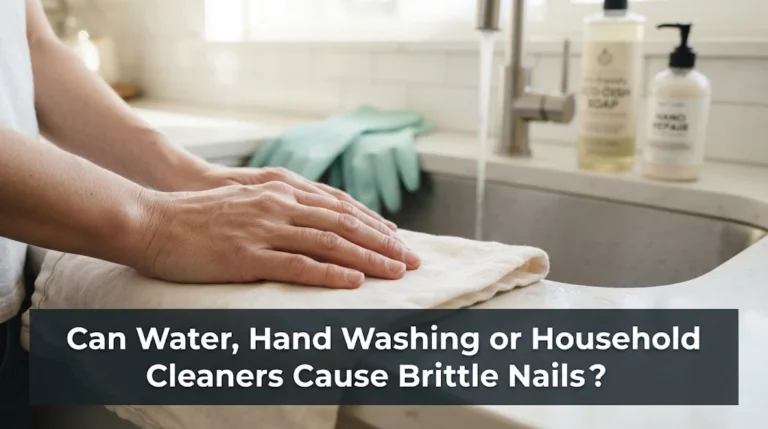
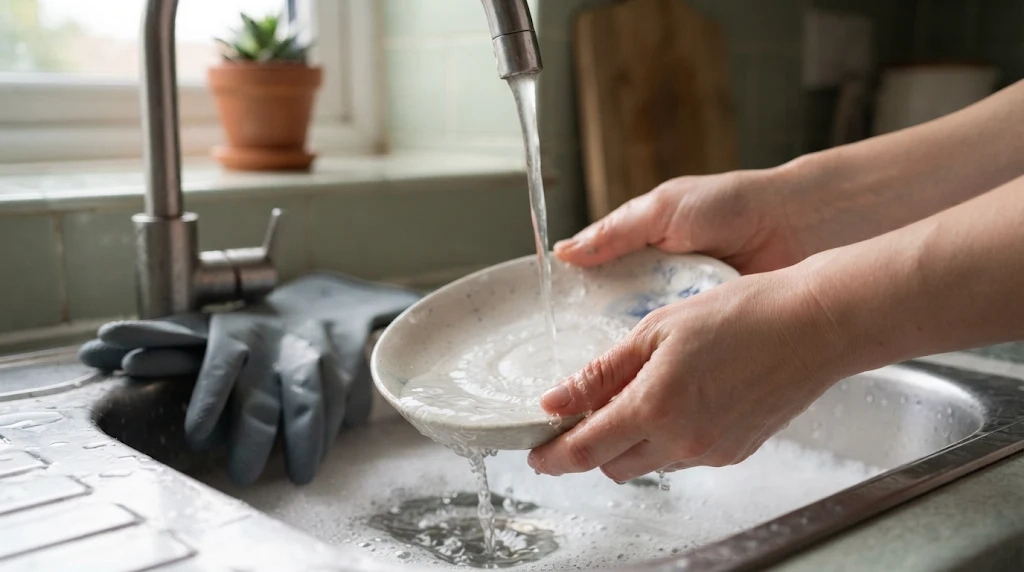
Repeatedly soaking and drying your nails can contribute to brittleness. When your nails absorb moisture and then dry, the repeated changes can place stress on the nail plate.
This is especially relevant if you frequently wash dishes, clean your home, wash your hands, or work with wet materials.
What to do: Wear suitable waterproof gloves for wet household tasks. Dry your hands afterward and apply moisturizer to your nails and surrounding skin.
2. Harsh Soaps and Cleaning Chemicals
Dish detergent, household cleaners, and repeated contact with certain solvents can dry or irritate the skin around your nails and contribute to nail fragility.
If you clean without gloves several times a week, your nails may experience repeated exposure before they have time to recover.
What to do: Use gloves appropriate for the cleaning product, choose gentle hand cleansers when possible, and apply fragrance-free hand cream after washing.
3. Too Many Gel, Acrylic, or Dip Manicures
Gel nails and acrylic enhancements don’t automatically ruin your natural nails. However, aggressive preparation and removal can cause damage.
Repeated scraping, over-buffing, or peeling off attached products may remove superficial layers of your natural nail.
You might notice your nails feel unusually thin, flexible, or rough after removing a manicure.
What to do: Avoid peeling off enhancements. Choose careful professional removal when appropriate, and take a break from treatments that are causing visible damage.
For additional guidance, see our article on how to repair a damaged nail at home safely.
4. Natural Aging
Your nails can change as you get older. Some people notice increased ridging, slower growth, or more frequent splitting.
This doesn’t mean you can’t maintain attractive, well-cared-for nails. It simply means that gentle maintenance and protection may become more important over time.
What to do: Keep nails at a manageable length, moisturize consistently, and avoid unnecessarily aggressive nail treatments.
5. Repeated Physical Damage
Opening packages with your nails, scraping off labels, biting your nails, and picking at polish can create tiny areas of damage.
Those damaged areas may eventually develop into visible cracks or peeling layers.
Long nails can also catch on clothing or strike hard surfaces more easily.
What to do: Use actual tools instead of your fingernails, smooth rough edges gently, and choose a shorter nail length while yours are fragile.
6. Iron Deficiency and Other Nutritional Problems
Your body needs adequate nutrients to support normal nail growth. In some cases, iron deficiency or inadequate nutrition may contribute to brittle nails.
Iron deficiency can sometimes cause nails to become thin or develop a spoon-like shape, although not everyone with brittle nails has low iron.
Other possible symptoms of iron deficiency include unusual fatigue, weakness, or shortness of breath.
Important
Don’t start high-dose iron supplements simply because your nails are brittle. Too much iron can be harmful. Ask a healthcare professional whether testing is appropriate, especially if you have other symptoms.
7. Thyroid Problems
Both underactive and overactive thyroid conditions can sometimes affect nail appearance, texture, or growth.
Thyroid-related nail changes may occur alongside symptoms such as unusual tiredness, temperature sensitivity, weight changes, or hair changes.
However, brittle nails alone cannot diagnose a thyroid condition.
What to do: If your nails have changed without an obvious explanation and you also have other symptoms, discuss them with your healthcare provider.
8. Skin Conditions and Nail Infections
Conditions such as psoriasis, eczema, and fungal nail infections can sometimes change nail texture and strength.
Depending on the cause, you might notice:
- Thickened or crumbly nails.
- Yellow, white, or other unusual discoloration.
- Small pits on the nail surface.
- Nail lifting or separation.
- Redness or irritated skin around the nails.
These signs don’t always indicate infection, but persistent or worsening changes deserve evaluation.
Our guide to the signs of unhealthy nails explains other changes worth recognizing.
9. Dry Environments and Inconsistent Nail Care
Cold weather, low humidity, frequent handwashing, and an inconsistent moisturizing routine can leave your nails and surrounding skin feeling dry.
Moisturizing won’t reverse a nail that’s already split, but it can improve dryness and help you maintain your nails more comfortably.
What to do: Keep hand cream near your sink, desk, or bedside table. Apply it over the nails as well as the hands.
How Can You Tell What’s Making Your Nails Brittle?
Start by looking for patterns rather than assuming you need a vitamin supplement.
If your nails peel mostly at the tips: Frequent wetting and drying, mechanical damage, or manicure removal may be contributing.
If your nails became thin after gel removal: Surface filing or removal-related damage is a possibility.
If several nails changed suddenly: Consider whether you’ve started new products, changed your routine, experienced illness, or developed other symptoms.
If one nail becomes unusually thick, discolored, painful, or lifted: A localized condition such as injury or infection may need professional evaluation.
If your nails are brittle and you feel unusually tired: A clinician can assess whether a health condition or nutritional deficiency should be investigated.
Pro Tip
Take a clear picture of your natural nails every two weeks under similar lighting. It can help you notice whether new nail growth looks healthier while damaged tips gradually grow out.
What Can You Do to Help Brittle Nails?
Once you’ve considered the possible causes, focus on protecting your nails from further damage.
You don’t need an expensive nail treatment collection. Consistent, gentle habits are often a better place to begin.
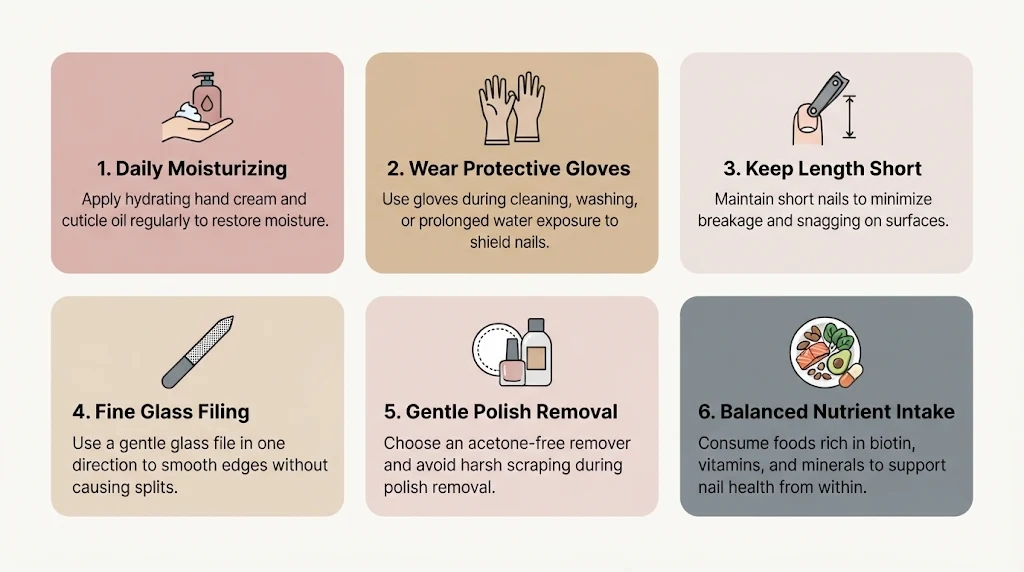
1. Moisturize Your Nails Every Day
Apply hand cream over your nail plates, cuticles, and surrounding skin after washing your hands and before bedtime.
Look for a moisturizer containing ingredients such as glycerin or petrolatum. These ingredients help reduce dryness by attracting or retaining moisture.
Cuticle oil can also be a convenient addition to your routine, particularly when the skin around your nails feels rough or dry.
Recommended Product Type
Cuticle Oil for Dry Nails
A simple cuticle oil can help condition dry skin around your nails and complement your regular hand moisturizer.
As an Amazon Associate, we earn from qualifying purchases.
2. Wear Gloves When Washing Dishes
Protecting your nails from repeated exposure to water and detergents is one of the most practical changes you can make.
Choose comfortable, waterproof household gloves. If your hands become sweaty or irritated, consider cotton-lined options and dry your hands thoroughly after the task.
Recommended Product Type
Reusable Household Cleaning Gloves
Waterproof gloves help reduce direct contact with dishwater and household cleaning products.
As an Amazon Associate, we earn from qualifying purchases.
3. Keep Your Nails Short While They Recover
Long, fragile nails can bend, snag, or crack more easily. Trimming them to a comfortable length helps reduce everyday mechanical stress.
Use clean, sharp nail clippers and gently round the corners if needed.
Don’t cut nails painfully short. Leave enough free edge to protect the sensitive fingertip.
4. Use a Gentle Nail File
If your nails have rough edges, smooth them using a fine-grit or glass nail file.
Use light pressure rather than aggressive sawing. Avoid filing the top surface of already thin nails because removing more material can make them even more fragile.
Recommended Product Type
Fine Glass Nail File
A fine glass nail file can help smooth small snags without requiring aggressive pressure.
As an Amazon Associate, we earn from qualifying purchases.
5. Be Gentle With Nail Polish Removal
If you regularly wear gel, dip, or traditional polish, pay attention to how you remove it.
Don’t peel, scrape, or forcibly pull products from your nails. Follow the removal instructions for the specific system, and consider professional removal for bonded enhancements.
Repeated use of polish remover can contribute to dryness, whether the formula contains acetone or alternative solvents.
If your nails are already splitting, reduce unnecessary polish changes and avoid additional surface buffing.
6. Eat a Balanced Diet
Your nails grow from living tissue at the nail matrix, and normal growth depends partly on your overall nutrition and health.
Try to include a variety of foods containing protein, iron, and other essential nutrients.
Useful examples include:
- Eggs, fish, beans, and poultry for protein.
- Lentils, meat, and leafy greens for dietary iron.
- Nuts and seeds for a variety of minerals.
- Fruit and vegetables for a balanced intake of vitamins.
Food alone won’t correct every underlying medical problem. If you suspect a deficiency, appropriate testing and treatment are more useful than guessing which supplement you need.
Do Nail Strengtheners Actually Work?
Some nail treatments create a temporary protective coating, but a product labeled “strengthening” doesn’t necessarily rebuild damaged nail layers.
In fact, certain hardeners can make some nails overly rigid or contribute to brittleness, especially products containing formaldehyde.
If you want to use a nail treatment, choose one suited to fragile natural nails and follow its directions carefully.
Stop using any product that causes burning, itching, redness, increased peeling, or discomfort.
Remember that protecting your nails from repeated damage is usually more important than applying another layer of polish.
Should You Take Biotin for Brittle Nails?
Biotin is commonly advertised for stronger nails, but evidence supporting routine supplementation for brittle nails remains limited.
It may be appropriate for someone with a diagnosed deficiency, but that doesn’t mean everyone with peeling nails needs extra biotin.
High-dose biotin supplements can also interfere with certain laboratory tests, potentially leading to misleading results.
Supplement Safety
Before taking high-dose biotin or other nail supplements, speak with a healthcare professional. Always tell your healthcare team about supplements before laboratory testing.
How Long Does It Take for Brittle Nails to Improve?
Your nails need time to grow. Moisturizing and reducing damage may improve how your nails and surrounding skin feel relatively quickly, but existing splits do not permanently heal back together.
New nail material grows from the nail matrix near the base of your nail.
Fingernails typically grow around 3 millimeters per month, although the exact speed varies by person.
It commonly takes about four to six months for a fingernail to grow out completely.
That means you may need several months to see older damaged sections replaced by healthier new growth.
If an underlying medical condition is contributing to brittleness, improvement also depends on treating that condition.
Pro Tip
Judge your progress by how the newer nail near the cuticle looks, not only by the tips. The older tips may continue peeling until the damaged material grows out.
What Daily Habits Help Prevent Brittle Nails?

A simple routine can make nail protection easier without adding unnecessary products.
Morning: Moisturize and Check Your Nails
- Wash your hands gently and dry them thoroughly.
- Apply hand cream over your nails and fingers.
- Smooth any small snags with a gentle file.
- Avoid pulling loose nail layers.
During the Day: Reduce Damage
- Wear gloves when handling dishwater or cleaning products.
- Use scissors or other tools to open packages.
- Avoid biting or picking your nails.
- Reapply moisturizer after frequent handwashing.
Evening: Focus on Moisture
- Massage hand cream into your nails and surrounding skin.
- Apply cuticle oil if you enjoy using it.
- Use a thin layer of petroleum jelly over very dry skin when needed.
- Avoid unnecessary nail buffing or polish removal.
For a broader maintenance plan, follow our daily nail care routine for stronger, healthier nails.
What Should You Do and Avoid When Your Nails Are Brittle?
Do
- Moisturize daily.
- Keep nails comfortably short.
- Wear gloves during wet work.
- File rough edges gently.
- Eat a balanced diet.
- Monitor unusual changes.
Don’t
- Peel off gel polish.
- Over-buff nail surfaces.
- Use nails as tools.
- Pull off splitting layers.
- Take random supplements.
- Ignore painful changes.
If you want to understand which habits cause repeated nail damage, explore our guide to common nail health mistakes.
What If Your Brittle Nails Keep Breaking?
When your nails continue breaking, identify the specific problem before adding another product.
Problem: Nails keep peeling in layers
Immediate action: Carefully smooth loose tips without pulling the layers apart. Prevention: Reduce repeated wetting, use moisturizer, and avoid aggressive manicure removal.
Problem: Nails break as soon as they grow
Immediate action: Trim them to a manageable length. Prevention: Avoid using your nails as tools and gently maintain their edges.
Problem: Nails feel thin after gel removal
Immediate action: Avoid buffing or applying another damaging enhancement. Prevention: Use gentle removal methods and allow damaged nail material to grow out.
Problem: Nails remain brittle despite gentle care
Immediate action: Review any ongoing exposure to water, chemicals, or nail products. Next step: Consult a healthcare professional if the problem persists or has no clear explanation.
When Should You See a Doctor About Brittle Nails?
Most everyday nail splitting isn’t an emergency. However, some changes need medical assessment rather than another beauty treatment.
Contact a healthcare professional if you notice:
- Persistent brittleness without an obvious cause.
- New nail changes affecting several fingers.
- Significant thickening, discoloration, or crumbling.
- Nails separating from the nail bed.
- Unexplained spoon-shaped nails.
- Unusual fatigue or other possible medical symptoms.
- Persistent pitting or skin inflammation.
- A new or changing dark streak on a nail.
Seek prompt medical attention for severe pain, spreading redness, worsening swelling, or pus around a nail.
A clinician may examine your nails, review possible exposures and symptoms, and recommend testing when appropriate.
That might include checking for nutritional deficiencies, thyroid conditions, or fungal infections, depending on your specific findings.
Warning
Don’t cover a painful, infected-looking, or unexplained discolored nail with artificial enhancements simply to hide the problem. A medical assessment can help determine the cause.
Frequently Asked Questions About Brittle Nails
Q: Why are my nails brittle all of a sudden?
A: Sudden brittle nails may follow changes in manicure habits, cleaning products, repeated water exposure, or physical damage. If several nails change unexpectedly or you have other symptoms, consult a healthcare professional.
Q: What vitamin deficiency causes brittle nails?
A: Certain nutritional deficiencies can affect nail health, but brittle nails don’t identify a specific vitamin deficiency. Iron deficiency is one possible cause, and proper testing may be needed to establish whether nutrition is involved.
Q: Can brittle nails become strong again?
A: Many brittle nails can improve when the underlying cause is addressed. Damaged nail layers don’t repair themselves, but healthier nail material can gradually grow in as you reduce further damage.
Q: Is nail polish bad for brittle nails?
A: Traditional nail polish isn’t always harmful, but frequent removal, scraping, and aggressive preparation can worsen fragile nails. If your nails are damaged, reduce unnecessary treatments and choose gentle application and removal practices.
Q: Does drinking more water fix brittle nails?
A: Staying adequately hydrated supports general health, but drinking extra water isn’t a proven solution for brittle nails. Protecting your nails from repeated wetting and drying, moisturizing, and addressing any underlying cause are more targeted approaches.
What Is the Best Thing to Do for Brittle Nails?
If you’re wondering why your nails are brittle, start by examining your daily habits before assuming you need an expensive strengthening treatment.
Protect your hands during cleaning, moisturize your nails regularly, keep fragile tips short, and stop peeling or aggressively filing your manicures. If your nails remain brittle or develop unusual symptoms, get professional medical advice.
Save this guide on Pinterest so you can revisit these nail care tips whenever your natural nails need extra attention.

Hi, I’m Jessica, the creator behind Unique Lash & Nails Katy.
I created this website for anyone who loves beautiful nails as much as I do. Here, I share trendy nail designs, seasonal manicure ideas, easy nail care tips, honest product recommendations, and step-by-step guides to help you create salon-worthy nails at home. Whether you’re looking for everyday inspiration or your next favorite nail trend, I hope you’ll find something you love.