How to Protect Damaged Nails While They Grow: Easy Tips
Quick Answer
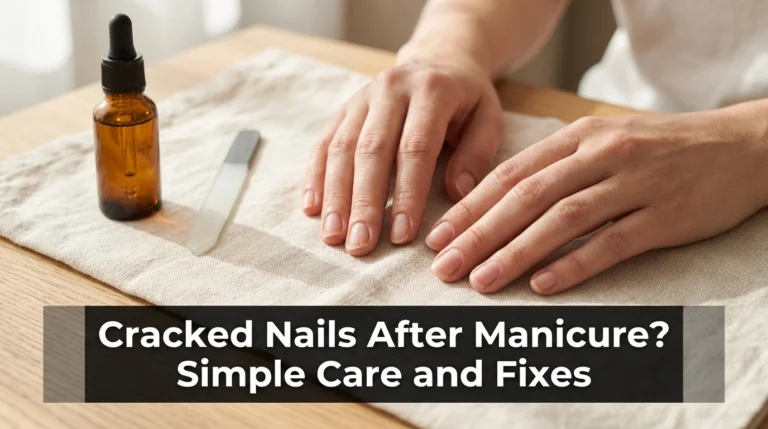
To protect damaged nails while they grow, keep them comfortably short, gently smooth rough edges, and moisturize your nails and cuticles daily. Wear protective gloves during cleaning, avoid picking or peeling nail products, and give weakened nails a break from aggressive manicures. Existing damage usually needs to grow out, so consistent protection is more important than expensive repair treatments.
If your nails are peeling, splitting, or feeling paper-thin after a manicure, even simple activities can become frustrating. Washing dishes, opening a bag, or catching a nail on your sweater may cause another painful break.
Fortunately, you can take practical steps to protect fragile nails while healthier growth gradually replaces the damaged sections.
The goal isn’t to make existing damage disappear overnight. It’s to prevent additional breakage, keep your nails comfortable, and create better conditions for new growth.
Here’s how to build a gentle nail protection routine without overwhelming your nails with unnecessary products.


Why Do Damaged Nails Need Extra Protection While Growing?
Your fingernails are made primarily of keratin, a hardened protein that forms the protective nail plate. Unlike living skin, the visible nail plate cannot regenerate missing layers or permanently heal a split.
New nail forms in the nail matrix, a growth area beneath the skin near the base of your nail. As new nail grows, it gradually pushes the damaged portion toward your fingertip.
Unfortunately, the older damaged section remains vulnerable during this process.
Common signs of nail damage include:
- Thin, flexible nails that bend easily.
- Peeling layers near the nail tips.
- Small cracks along the free edges.
- Rough surfaces after gel or acrylic removal.
- Brittleness caused by repeated water exposure.
- Frequent snagging on clothing or hair.
These problems can become worse when nails repeatedly encounter water, cleaning chemicals, friction, or physical pressure.
Protecting them helps prevent additional mechanical damage while new nail grows. It doesn’t guarantee that the new nail will be healthy if an underlying medical condition or nail-matrix injury is present.
If you’re dealing with ordinary cosmetic damage, our guide on how to repair a damaged nail at home safely explains additional gentle care options.
When Is It Safe to Care for Damaged Nails at Home?
Before starting a nail recovery routine, check whether you’re dealing with mild cosmetic damage or a more serious injury.
Home care is generally reasonable for minor peeling, roughness, dryness, or small splits limited to the free edge when there is no significant pain or surrounding inflammation.
Important Safety Warning
Seek medical care for severe pain, a deep crack extending into attached nail tissue, significant bleeding, nail detachment, spreading redness, pus, or a swollen fingertip. A nail that turns black or purple after an injury, especially with substantial pain, also deserves prompt assessment. Don’t cover a suspicious or possibly infected nail with gel, glue, or an artificial enhancement.
For a minor injury involving broken skin, gently clean the area, protect it with a nonstick dressing, and avoid putting adhesive directly on the injured nail. If you’re unsure how serious the injury is, consult a healthcare professional.
What Do You Need to Protect Damaged Nails?
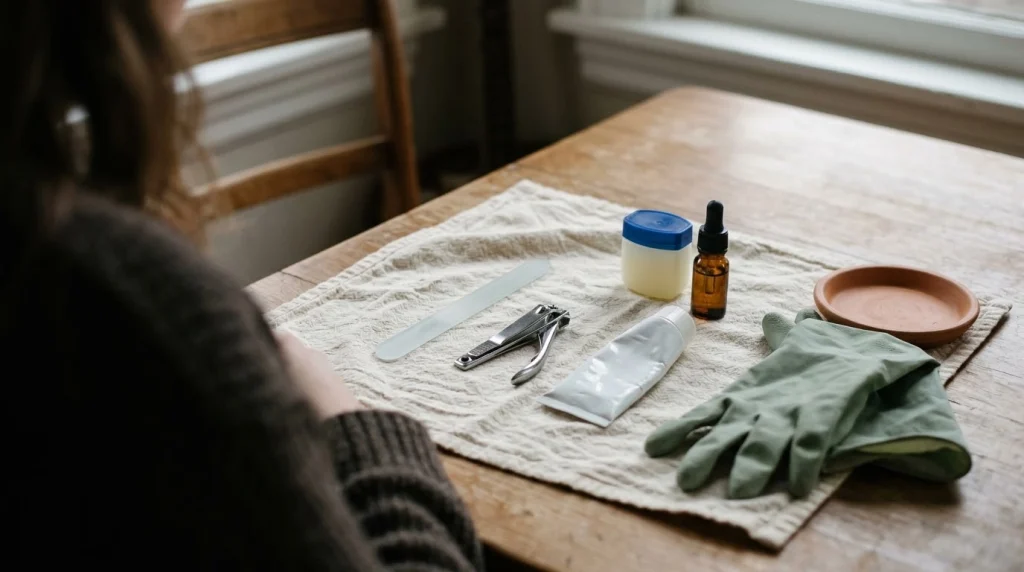
You don’t need an expensive nail recovery kit. A few gentle tools can make everyday protection easier.
Daily time
5–10 minutes
Difficulty
Beginner
Basic supplies
4–5 items
Protection period
Until damage grows out
- A fine-grit nail file: Smooths rough tips without aggressive surface buffing.
- Clean nail clippers: Help keep fragile nails at a manageable length.
- Fragrance-free hand cream: Moisturizes dry skin and nail folds.
- Petroleum jelly or simple cuticle oil: Helps condition dry areas surrounding your nails.
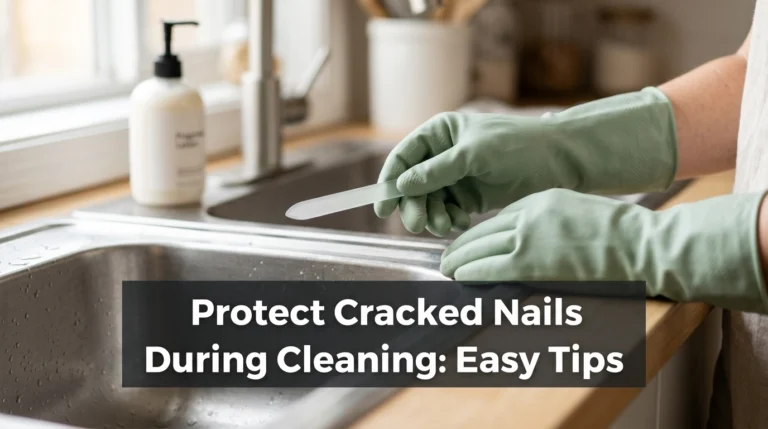
- Protective cleaning gloves: Reduce exposure to water, detergents, and cleaning chemicals.
Choose comfortable, practical supplies rather than products promising instant nail regeneration. You can explore fine-grit glass nail files on Amazon if your current file is too rough for delicate nails.
How Can You Protect Damaged Nails Step by Step?
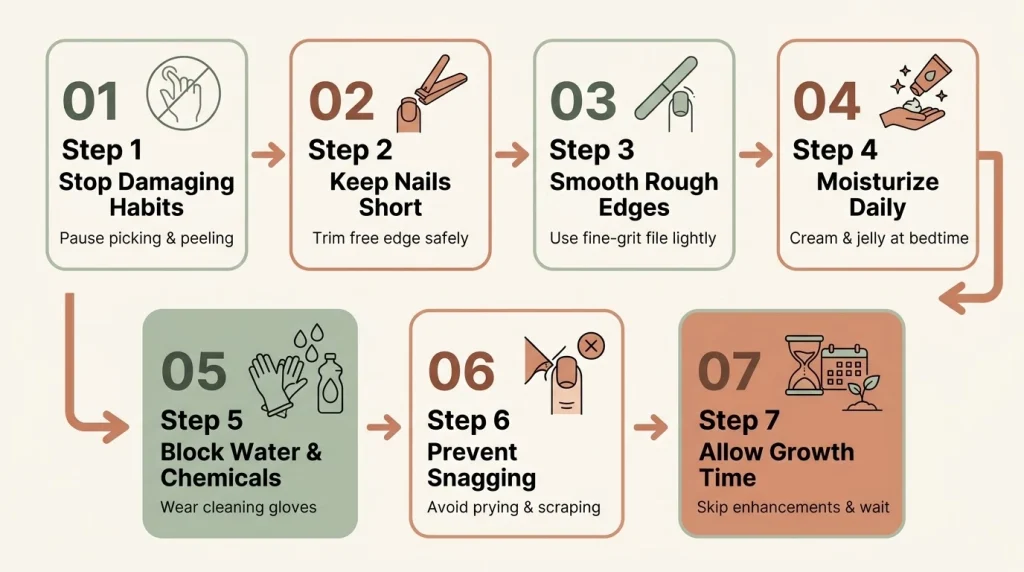
The most effective routine combines gentle maintenance with everyday protection. Follow these steps consistently rather than frequently changing products.
Step 1: Stop the Habits That Caused the Damage
Start by identifying what weakened your nails. Common causes include aggressive filing, peeling off gel polish, picking at acrylic enhancements, and repeated exposure to water or detergents.
Pause the damaging activity. If you’re wearing lifting gel or acrylic, arrange gentle removal rather than pulling it away yourself.
Common mistake: Applying another enhancement immediately to hide damage. This can conceal developing problems and may expose fragile nails to additional filing or removal trauma.
Step 2: Keep Your Nails Comfortably Short
Long nails create leverage when they catch on clothing or bump against objects. A shorter free edge reduces the chance of an existing weakness turning into a larger split.
Use clean, sharp clippers to remove small amounts at a time. Leave a comfortable free edge instead of cutting down to sensitive skin.
Never cut into a crack extending through attached nail tissue.
Common mistake: Cutting damaged nails extremely short. Exposing sensitive tissue can cause discomfort and make everyday activities more difficult.
Step 3: Gently Smooth Rough Nail Edges
Run a fingertip carefully over your nail edges to identify rough spots. Use a fine-grit file with light, controlled strokes to smooth areas that might catch.
Focus on the free edge rather than the nail’s upper surface. Avoid repeatedly filing the same thin area.
A rounded or softly squared shape can help eliminate sharp corners that snag easily.
Common mistake: Buffing peeling layers until the nail looks smooth. Removing more nail material can leave the plate even thinner.
Step 4: Moisturize Your Nails and Cuticles Daily
Dry nails and surrounding skin often feel rough and uncomfortable. Regular moisturizing helps maintain the skin barrier and condition the nail surface.
After washing your hands, dry them gently and massage a small amount of fragrance-free moisturizer around your nails.
At bedtime, apply hand cream again. You can add a thin layer of petroleum jelly to especially dry cuticle areas.
Common mistake: Expecting cuticle oil to rebuild missing nail layers. Moisturizers improve surface conditioning but cannot reverse structural nail damage.
Step 5: Protect Your Hands From Water and Chemicals
Repeated soaking and drying can contribute to brittle, splitting nails. Detergents and household cleaners may also irritate the surrounding skin.
Wear suitable gloves for dishwashing, bathroom cleaning, and other wet chores. Choose a comfortable fit and remove them after the task so moisture doesn’t remain trapped against your skin.
For extended wet work, consider cotton liners beneath compatible protective gloves.
Common mistake: Wearing damp gloves for hours. Trapped moisture can irritate the skin and undermine your protective routine.
Step 6: Prevent Snagging and Everyday Pressure
Pay attention to small activities that place unnecessary pressure on your nails.
Use your fingertips or a tool to open packaging. Avoid scraping labels, prying open containers, or using a nail to lift tightly fitted objects.
If a damaged nail repeatedly catches on fabric, check whether a tiny rough edge needs gentle smoothing.
Common mistake: Ignoring minor snags until they develop into painful tears. Small adjustments to your nail shape and daily habits can prevent repeated mechanical stress.
Step 7: Give Your Nails Time to Grow Without New Damage
For significantly weakened nails, a break from artificial enhancements and aggressive manicure preparation can reduce additional damage.
Keep your routine simple. Trim when necessary, moisturize daily, and inspect the new nail growing near the cuticle.
Take a photograph every two weeks under similar lighting if you want to monitor gradual changes.
Common mistake: Switching treatments every few days because the old nail still looks damaged. The visible damaged section generally needs time to grow toward the tip.
How Should You Protect Different Types of Nail Damage?
Not every damaged nail needs the same approach. The right protection depends on whether the problem involves peeling, cracking, thinning, or separation.
Peeling Nails After Gel or Acrylic Removal
If the nail surface looks flaky or uneven after enhancement removal, avoid additional buffing, scraping, or peeling.
Keep the nails short, minimize friction, and use a simple moisturizer. Let the damaged surface gradually grow out instead of trying to remove every visible imperfection.
For more information about manicure-related damage, explore our guide to how nail polish, acetone, gel, and acrylics affect brittle nails.
Cracked or Split Nails
If a crack is completely within the free edge, carefully shortening and smoothing the nail may prevent additional snagging.
Don’t pull on a split that remains attached to sensitive tissue. A deep, painful, or worsening crack requires professional assessment.
Our detailed article about protecting split or cracked nails while they grow out explains this situation further.
Thin, Flexible Nails
Thin nails often bend more easily during daily activities. Keeping them short reduces leverage, while avoiding harsh filing helps preserve the nail material that remains.
Don’t assume a harder coating automatically makes the nail healthier. Some hardeners can make already brittle nails less flexible, and certain ingredients may cause irritation.
Nails Lifting From the Nail Bed
A nail separating from the underlying skin needs extra caution. Avoid probing underneath, forcing it back into place, or covering the separation with artificial products.
Keep the area clean and dry, avoid trauma, and arrange an evaluation if lifting is unexplained, spreading, painful, or accompanied by discoloration.
Pro Tip
Judge progress by the new nail emerging near the cuticle, not by the oldest peeling section at the tip. If the new growth looks smoother over time, your protective routine may be helping reduce repeated damage.
Can You Wear Nail Polish While Damaged Nails Grow?
Whether you can wear polish depends on the condition of your nails.
For mildly brittle but intact nails, occasional regular polish may be an option if it doesn’t cause irritation and can be removed gently.
However, skip cosmetic coatings when nails are painful, severely thinned, inflamed, lifting, or possibly infected.
Gel polish, acrylic extensions, and other enhancements often involve preparation and removal steps that can stress fragile nails.
If you decide to wear regular polish, avoid picking it off and minimize unnecessary remover exposure. Don’t apply products to broken skin.
A manicure break isn’t a magical cure. Its main benefit is reducing repeated filing, chemical exposure, and removal trauma while the nail grows.
How Long Does It Take for Damaged Nails to Grow Out?
Healthy fingernails typically grow around 3 millimeters per month, although individual growth rates vary.
A complete fingernail replacement often takes approximately four to six months. More significant injuries, especially those affecting the nail matrix, can require longer or result in lasting changes.
Here’s what you may notice during recovery:
- First week: Gentle trimming and filing may reduce snagging almost immediately.
- Weeks 2–4: Consistent moisturizing may improve comfort and dryness around the nail folds.
- Months 1–3: New nail growth gradually pushes older damaged sections outward.
- Months 4–6: Much of the damaged fingernail may have grown out if normal growth continues.
These are general expectations, not guaranteed recovery dates. Toenails grow more slowly, and nail-matrix injury or an underlying condition can alter the timeline.
If you’re wondering whether a severely damaged nail will return to its original appearance, read our explanation of whether a damaged nail can regrow normally.
What Daily Routine Helps Protect Growing Nails?
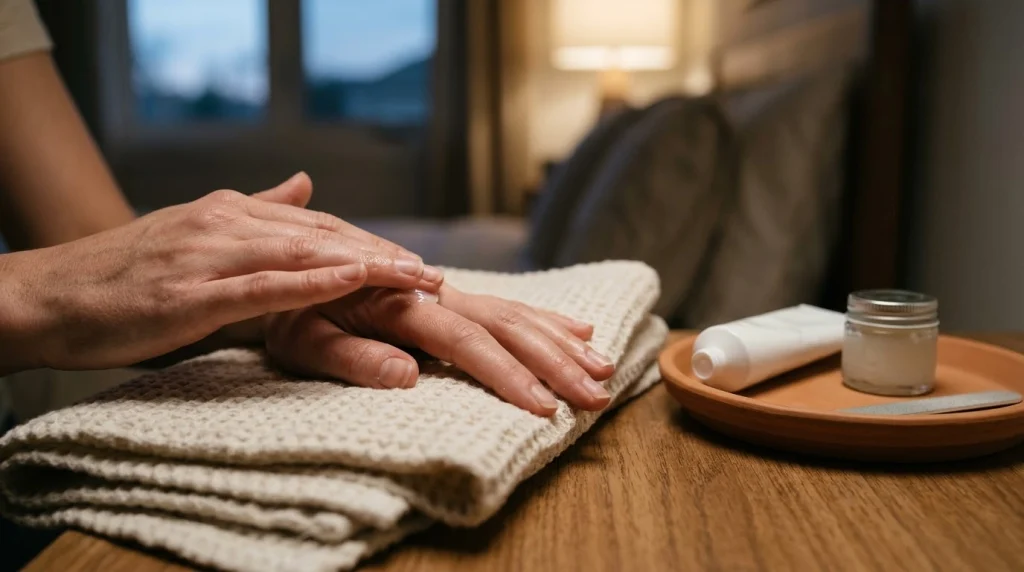
Consistency matters more than spending a long time on nail treatments. Try dividing your routine into three manageable parts.
Morning: Check and Moisturize
- Look for new snags, cracks, or irritation.
- Apply a small amount of hand moisturizer.
- Make sure your nails are dry before starting activities.
- Prepare gloves if you’ll be cleaning or washing dishes.
During the Day: Reduce Exposure
- Reapply moisturizer after frequent handwashing.
- Wear protective gloves for household chemicals.
- Avoid using nails to open or scrape objects.
- Don’t pick at loose polish or peeling nail layers.
Evening: Condition and Maintain
- Wash and gently dry your hands.
- Apply moisturizer around your nails and cuticles.
- Use petroleum jelly on particularly dry surrounding skin if needed.
- File a new snag gently, but don’t repeatedly buff the surface.
Once the damaged portion has grown out, you can continue a simpler version of this routine. Our guide on maintaining healthy nails covers practical long-term habits.
What Should You Do and Avoid During Nail Recovery?
Do
- Keep fragile nails short.
- Moisturize regularly.
- File rough edges gently.
- Wear gloves for wet chores.
- Protect the cuticles.
- Monitor new growth.
Don’t
- Peel off gel or acrylics.
- Buff already thin nails.
- Cut living cuticle tissue.
- Use nails as tools.
- Ignore painful cracks.
- Cover suspected infections.
Which Products Are Worth Using on Damaged Nails?
You don’t need several expensive serums. Prioritize products that solve everyday problems such as rough edges, dryness, and water exposure.
1. Fine-Grit Nail File
A fine-grit file helps smooth small snags without unnecessary pressure. Choose a tool designed for natural nails and avoid coarse files intended for heavy artificial enhancements.
2. Fragrance-Free Hand Cream
A simple moisturizer containing ingredients such as glycerin or petrolatum can help maintain the skin barrier around fragile nails.
Explore fragrance-free hand creams if your hands feel dry after frequent washing.
3. Protective Cleaning Gloves
Choose gloves suitable for the chemicals or cleaning products you use. Fit matters: oversized gloves can interfere with tasks, while poorly fitting gloves may cause friction.
You can compare reusable protective cleaning gloves for everyday household work.
Recommended Product Type
Plain Petroleum Jelly for Dry Cuticles
A thin layer of plain petroleum jelly helps seal in moisture around dry nail folds and cuticles. It is an inexpensive option for conditioning surrounding skin, although it cannot rebuild damaged nail layers or speed up nail growth.
As an Amazon Associate, we earn from qualifying purchases.
Remember that products marketed as nail growth treatments aren’t always supported by strong evidence. Supplements such as biotin shouldn’t be your first response to cosmetic nail damage; evidence of benefit is limited, and high-dose biotin can interfere with some medical laboratory tests.
What Expert-Level Habits Can Make Nail Protection Easier?
Protect Your Nails Before a Difficult Task
Keep protective gloves where you actually need them, such as beside the kitchen sink. Making protection convenient reduces the temptation to skip it.
Choose a Snag-Resistant Nail Shape
Rounded corners or a soft squoval shape can be easier to manage than sharp edges when your nails are fragile. Don’t drastically reshape already short nails just to follow a trend.
Avoid Constantly Testing Nail Strength
Repeatedly bending your nails to see whether they’re improving adds mechanical stress. Instead, observe whether they’re breaking less frequently during normal activities.
Keep Your Routine Simple Enough to Repeat
One moisturizer, one gentle nail file, and reliable hand protection are often more practical than a collection of treatments with complicated schedules.
When Should You See a Dermatologist?
Ordinary cosmetic damage often improves in appearance as new nail grows. However, persistent or unexplained changes shouldn’t automatically be blamed on a manicure.
Arrange medical evaluation if you notice:
- Increasing pain, redness, swelling, or drainage.
- A new or changing dark streak or unusual discoloration.
- Nail lifting without an obvious cause.
- Repeated splitting near the nail base.
- Several nails changing shape or texture unexpectedly.
- No apparent improvement in new growth over time.
A dermatologist can check for conditions such as infections, inflammatory skin disorders, and nail-matrix injuries that ordinary nail-care products cannot treat.
Frequently Asked Questions
Q: Should I keep damaged nails short while they grow?
A: Yes. Keeping fragile nails comfortably short reduces leverage and helps prevent catching or bending. Use clean clippers and gently smooth the free edges without cutting into sensitive tissue.
Q: Does cuticle oil help damaged nails grow faster?
A: Cuticle oil can condition dry skin and the nail surface, but there is limited evidence that it significantly increases nail growth speed. Its main value is supporting a comfortable moisturizing routine.
Q: Can I put gel polish over damaged nails?
A: It’s generally better to avoid gel enhancements when your nails are severely thin, painful, lifting, or inflamed. Preparation and removal can place additional stress on fragile nails.
Q: How long does it take damaged fingernails to grow out completely?
A: Complete fingernail replacement commonly takes around four to six months, although growth rates vary. More serious injuries and conditions affecting the nail matrix may change the timeline.
Q: Will damaged nails grow back healthy?
A: Many nails affected by mild cosmetic damage can grow back normally when the nail matrix remains healthy and further damage is avoided. Deep injuries, infections, or medical conditions can affect regrowth and may require treatment.
Final Thoughts: Protect Your Nails While They Grow
Learning how to protect damaged nails while they grow starts with a few consistent habits: keep them short, smooth rough edges, moisturize regularly, and prevent unnecessary exposure to water, chemicals, and physical stress.
You don’t need to chase instant repair products. Protect the nail you have, give healthier growth time to replace the damaged section, and seek professional advice when symptoms suggest more than cosmetic damage.
Save this guide on Pinterest so you can revisit your nail protection routine whenever your nails need extra care.

Hi, I’m Jessica, the creator behind Unique Lash & Nails Katy.
I created this website for anyone who loves beautiful nails as much as I do. Here, I share trendy nail designs, seasonal manicure ideas, easy nail care tips, honest product recommendations, and step-by-step guides to help you create salon-worthy nails at home. Whether you’re looking for everyday inspiration or your next favorite nail trend, I hope you’ll find something you love.