Cracked Fingernails vs Toenails: Easy Care Tips
QUICK ANSWER
Care for a minor cracked fingernail by gently shortening and smoothing its loose edge, moisturizing regularly, and protecting your hands from repeated water exposure. For a cracked toenail, reduce shoe pressure, trim straight across without cutting into the crack, and keep your feet clean and dry. Neither nail plate can knit back together; the damaged area must grow out. Get medical advice for deep, painful, discolored, swollen, or repeatedly splitting nails.
A split fingernail can catch on your sweater just when you’re ready to show off a manicure. A cracked toenail is less visible, but every step can remind you it’s there. Although both are made from keratin, the everyday stresses affecting your hands and feet are surprisingly different.
The best care depends on where the crack starts, what caused it, and whether the nail is still firmly attached. Here’s how to recognize a manageable cosmetic split, protect each nail type, and know when home care isn’t enough.


Why Do Fingernails and Toenails Crack Differently?
Fingernails often become brittle because your hands repeatedly encounter soap, water, cleaning products, polish remover, and physical snags. Every cycle of getting wet and drying may stress a fragile nail plate. Manicure damage can add to the problem, particularly when gel or artificial products are peeled away.
How can you tell which kind of crack you have?
- Peeling at the free edge: Thin layers separate at the tip, often after repeated wetting, drying, or manicure wear.
- A short side split: A corner snags and tears, sometimes because the nail extends beyond the fingertip.
- A lengthwise crack: A line travels from tip toward base. Recurrent or deep splits require professional assessment.
- A thick, crumbly toenail: Friction or fungal disease may be involved, especially with unusual color or lifting.
- A crack through the attached pink area: This may involve the nail bed and should not be treated as a routine cosmetic break.
Cracked Fingernails vs Toenails: What Actually Changes in Your Care?
| Care Question | Fingernails | Toenails |
|---|---|---|
| Typical Stress | Water, chemicals, manicures, snagging | Shoes, impacts, sweating, possible infection |
| Trimming | Gently shorten and smooth a free edge | Trim mostly straight across |
| Daily Protection | Hand cream and task-appropriate gloves | Roomy shoes, clean socks, dry feet |
| Full Regrowth After Loss | Often around 6 months or more | Sometimes 12–18 months |
How Should You Care for a Minor Cracked Fingernail?
If your split is small, limited to the white free edge, and not painful, start with a simple protective routine. You don’t need aggressive filing or a salon repair to make the nail more comfortable.
1. Check the Crack Before Touching It
Wash your hands gently and dry them. Look for bleeding, lifting, dark discoloration, or a crack extending into the attached nail. If any of those are present, stop cosmetic treatment and seek advice.
Common mistake: Pulling at a loose corner to see how far the split travels. That can enlarge a small break.
2. Shorten Only the Loose Free Edge
Use clean, sharp clippers to remove a small amount of extra length if the nail is firmly attached and the cut won’t reach tender skin. Leave a little safe margin instead of cutting extremely close. Never tear away nail still attached to the bed.
Common mistake: Clipping straight through the deepest point of the split, which can create another tear.
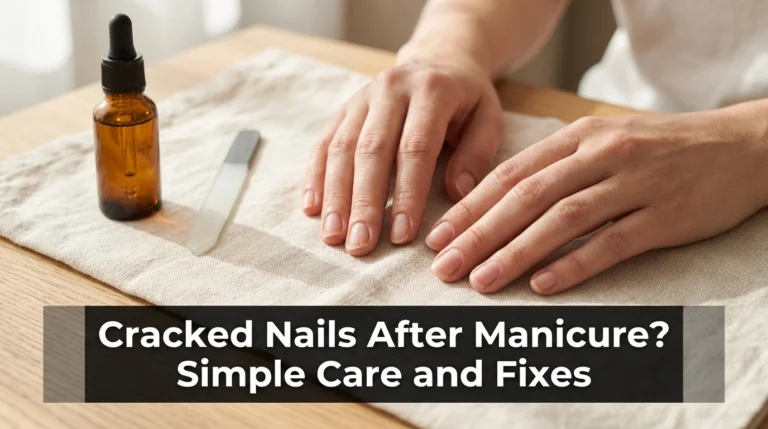
3. Smooth Snags With a Fine File
File lightly along the free edge until it no longer catches on fabric. A fine-grit or glass file helps you make controlled movements. Keep the file away from an open wound and stop if you feel pain.
Common mistake: Buffing the entire nail surface thin in an attempt to erase the crack.
4. Moisturize the Nail and Surrounding Skin
Rub a fragrance-free hand cream over your nails and fingertips after washing. At bedtime, you can apply plain petroleum jelly to dry nail folds. Moisture care won’t fuse a crack together, but it may reduce further brittleness and skin irritation.
Common mistake: Applying oil once and ignoring the repeated exposure that caused the dryness.
5. Protect the Nail During Chores
Wear suitable gloves while washing dishes or cleaning, following the product’s chemical-safety instructions. Use tools rather than your nails to open cans, lift stickers, or pry packaging. Keep the affected nail short until the split grows beyond the free edge.
Common mistake: Hiding a worsening or painful crack beneath gel, acrylic, glue, or a press-on nail.
Pro Tip: Keep a small file in your bag. Smoothing a snag when it first appears is often easier than dealing with a larger tear later.
How Should You Care for a Cracked Toenail?
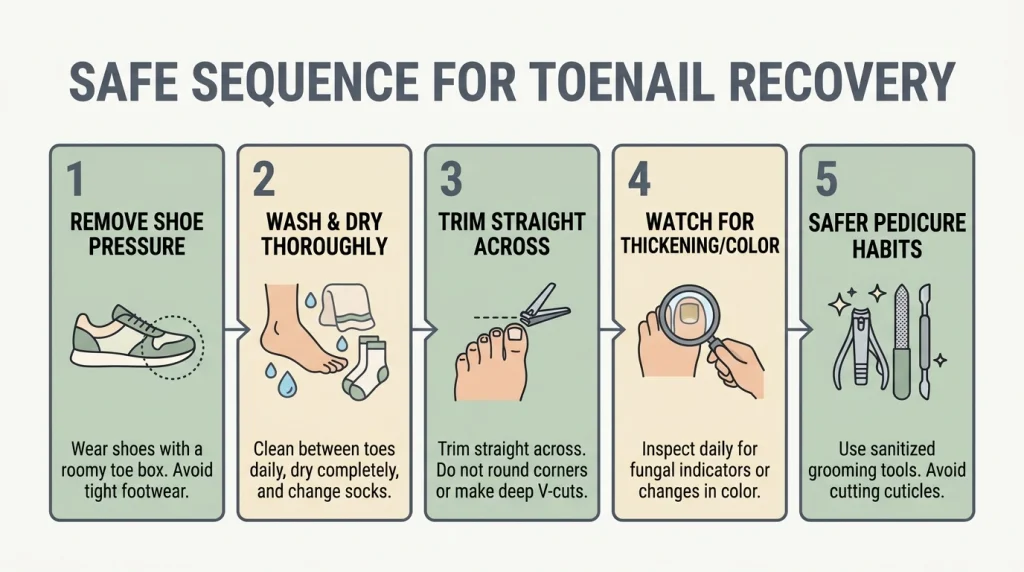
Start by looking at the shoe and the nail together. A small crack near the tip of a healthy-looking toenail may improve with reduced friction. A thick, yellow, crumbly, or lifting toenail may require medical evaluation instead of cosmetic repair.
1. Remove Pressure From the Toe
Switch to shoes with adequate space in the toe box. Your toes should not press against the front or sides when you walk. If running or hiking made the problem worse, reduce activities that repeatedly strike the affected toe until it’s comfortable.
Common mistake: Continuing to wear a narrow shoe because the split is hidden under a sock.
2. Wash Gently and Dry Thoroughly
Clean your feet with mild soap, rinse, and pat dry, especially between toes. Change sweaty socks after exercise and let shoes dry between uses. The goal is ordinary hygiene, not harsh scrubbing or excessive soaking.
Common mistake: Leaving feet damp inside tight footwear for hours.
3. Trim Carefully Across the Tip
For a minor free-edge split, trim conservatively and generally straight across. Use a file to soften sharp corners. Don’t dig into the sides, cut attached damaged nail away, or force clippers through a thick nail that resists.
Common mistake: Cutting a deep V shape into a crack, which can injure the nail or increase the risk of ingrowing.
4. Watch for Thickening or Unusual Color
A toenail that becomes yellow, white, thick, brittle, or crumbly may have a fungal infection, but trauma and other nail conditions can look similar. A clinician may examine the nail or test a sample before recommending treatment. Moisturizer alone won’t cure nail fungus.
Common mistake: Starting multiple antifungal products without confirming the cause, especially when several nails are changing.
5. Choose Safer Pedicure Habits
Keep clippers clean, avoid sharing nail tools, and don’t cut healthy cuticles. Skip salon polish or enhancements over a cracked, tender, or potentially infected nail. If your nails are too thick or difficult to reach safely, a podiatrist can help.
Common mistake: Scraping beneath the nail with a sharp tool, which can separate the nail plate from its bed.
Warning: If you have diabetes, poor circulation, reduced foot sensation, or a weakened immune system, seek professional advice promptly about a cracked toenail.
Which Nail-Care Products Are Actually Useful?
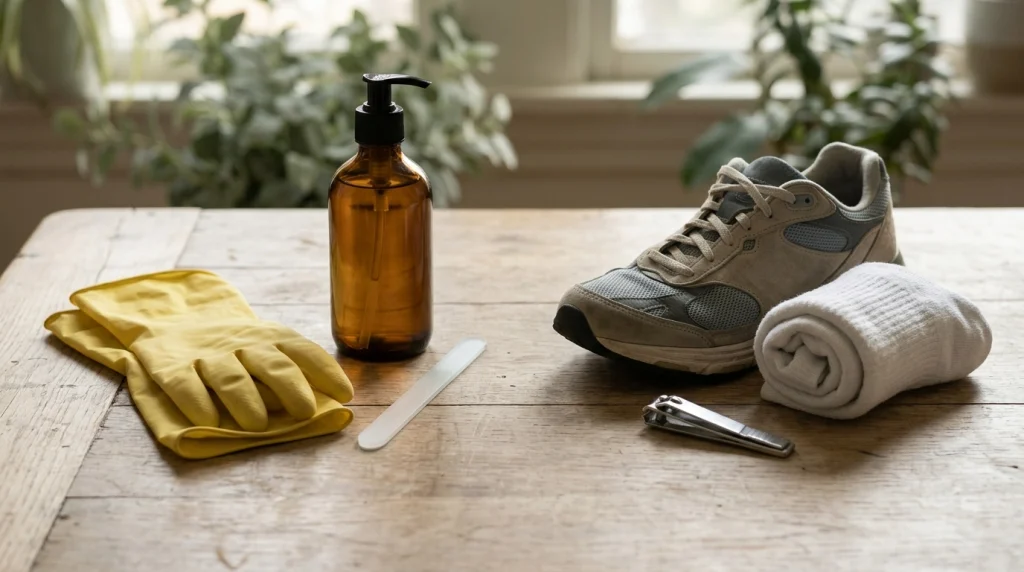
A few inexpensive essentials can help you protect a minor crack. None should be advertised as a cure for an infection or a way to permanently reconnect split nail layers.
1. Fine-Grain Glass Nail File
A gentle file helps smooth a snag at the free edge before it catches on clothing. Choose one designed for natural nails and use minimal pressure.
Check Glass Nail Files on Amazon
2. Fragrance-Free Hand Cream
Use it after washing to support dry fingertips and nail folds. A simple fragrance-free formula is often enough; you don’t need a product claiming instant nail repair.
3. Sharp Straight-Edge Toenail Clippers
A sturdy clipper can make conservative, straight-across trimming easier. If the nail is thick, painful, or distorted, ask a professional to trim it.
Check Toenail Clippers on Amazon
4. Reusable Dishwashing Gloves
Well-fitting household gloves can reduce repeated contact with water and cleaning solutions. Select gloves appropriate for the chemicals you use.
Check Protective Gloves on Amazon
As an Amazon Associate, we earn from qualifying purchases.
How Long Does a Cracked Nail Take to Recover?
There isn’t one universal repair time. If you have a tiny crack only at the free edge, trimming and filing may make it stop catching immediately. But the damaged nail material doesn’t regenerate in place. The visible split disappears as growth pushes it outward and you trim it away.
Fingernails generally grow faster than toenails. When an entire fingernail is lost, regrowth commonly takes about six months or longer. A toenail may take 12 to 18 months to grow back fully.
A shallow edge crack typically takes less time to grow beyond the tip, but the location of the damage matters more than an advertised treatment timeline.
A fungal nail problem follows a different schedule. Even after effective treatment clears the infection, the discolored or damaged portion remains visible until healthy nail grows in. Treatment itself may require months, so ask a clinician what timeline fits your diagnosis.
What Daily Habits Help Prevent Cracked Fingernails and Toenails?
Prevention works best when you focus on repeated stresses instead of chasing a single miracle serum. Small changes in your routine can reduce opportunities for the same crack to return.
What You Should Do
- Keep nail tips at a manageable length.
- Moisturize hands after washing.
- Wear appropriate gloves for wet chores.
- Choose comfortable, breathable footwear.
- Dry feet and change sweaty socks.
- Clean personal nail tools after use.
What You Should Avoid
- Picking or biting broken edges.
- Peeling off gel or artificial nails.
- Overbuffing an already fragile nail plate.
- Cutting deep into toenail corners.
- Sharing clippers or ignoring athlete’s foot.
- Hiding painful, infected-looking nails under polish.
If your hands are frequently exposed to water at work, consistency matters. Moisturize after washing when practical and use appropriate task-specific protection.
For feet, rotate shoes so they dry, and replace footwear that repeatedly presses on a particular toe.
When Is a Cracked Nail a Reason to See a Doctor?

Most small surface cracks aren’t emergencies. Still, a nail can reveal more than cosmetic wear. Contact a qualified healthcare professional if a split is deep, recurrent, worsening, or associated with a change you can’t explain.
- Pain or bleeding: A crack reaches the attached nail or follows a significant injury.
- Redness, warmth, swelling, or pus: These may indicate infection around the nail.
- Nail lifting: The plate separates noticeably from the skin beneath it.
- Yellow, thick, or crumbly appearance: A fungal infection is possible, but testing may be needed.
- New dark streak or unexplained pigmentation: A dermatologist should evaluate it rather than having it hidden under polish.
- Repeated splitting in the same place: Nail growth problems or underlying conditions may need assessment.
Seek prompt medical attention for severe pain, a major nail injury, spreading redness, fever, or worsening infection symptoms. If you live with diabetes or circulation problems, don’t delay assessment of a damaged toenail.
What If Your Nail Keeps Cracking Despite Good Care?
Your Fingernail Splits After Every Manicure
Pause enhancements and avoid peeling products off. Shorten the nail gently and moisturize. If repeated splits continue, ask a dermatologist whether something other than manicure trauma is involved.
Your Big Toenail Cracks After a Run
Check footwear fit and whether your toe repeatedly strikes the shoe. Reduce pressure while the nail is uncomfortable. Persistent pain, bruising, or lifting needs assessment.
The Toenail Gets Thicker and More Crumbly
Don’t assume dryness is the only cause. Arrange professional evaluation for possible fungus, psoriasis, or injury. Appropriate treatment depends on the diagnosis.
Multiple Nails Become Brittle Without an Obvious Cause
Review frequent wet work, harsh products, and physical stress, then discuss persistent unexplained changes with a clinician. They can determine whether further examination or testing is appropriate.
Frequently Asked Questions About Cracked Fingernails and Toenails
Can a Cracked Fingernail Heal Itself?
The visible nail plate doesn’t heal like skin. A small crack can be kept smooth and protected, but the damaged section usually needs to grow out and be trimmed away.
Should You Use Nail Glue on a Cracked Toenail?
Don’t glue a painful, bleeding, lifted, or possibly infected nail. A clinician can advise on safe protection if the split extends beyond the free edge; cosmetic glue can conceal problems.
Are Cracked Toenails Always Caused by Fungus?
No. Repeated shoe pressure, injury, and other nail conditions can cause splitting. Thickening, color changes, and crumbling raise suspicion for fungus but don’t confirm it.
Does Cuticle Oil Repair a Nail Split?
Cuticle oil may help condition dry skin and nails, but it cannot reconnect separated nail material. Regular cream, gentle grooming, and avoiding trauma are more important than any single oil.
Can You Wear Nail Polish While a Nail Is Cracked?
For a minor painless free-edge split, regular polish may be optional after gentle trimming. Avoid applying polish or enhancements over an open, painful, lifted, or suspiciously discolored nail until it’s evaluated.
Give Your Fingernails and Toenails the Care They Actually Need
Cracked fingernails usually benefit most from reducing water-related stress, keeping tips short, and moisturizing consistently. Cracked toenails deserve extra attention to shoe fit, pressure, hygiene, and possible infection. Both need gentle handling while damaged nail grows out.
Save this guide to your Pinterest nail-care board so you’ll have a calm, practical checklist next time a nail starts to split.

Hi, I’m Jessica, the creator behind Unique Lash & Nails Katy.
I created this website for anyone who loves beautiful nails as much as I do. Here, I share trendy nail designs, seasonal manicure ideas, easy nail care tips, honest product recommendations, and step-by-step guides to help you create salon-worthy nails at home. Whether you’re looking for everyday inspiration or your next favorite nail trend, I hope you’ll find something you love.