How Nail Polish, Gel and Acrylics Can Stain or Change Nail Color
Quick Answer
Nail polish, gel, and acrylics can change your natural nail color in different ways. Dark polish pigments may leave yellow or orange stains, while gel removal and acrylic preparation can leave nails looking white, chalky, or dull. Green discoloration beneath enhancements may indicate bacterial growth, not ordinary staining. Most cosmetic stains grow out, but persistent discoloration, pain, lifting, or thickening needs professional assessment.
You remove your beautiful burgundy manicure, expecting clean, pink nails underneath. Instead, your nails look yellow. Or perhaps you’ve removed your gel extensions and noticed mysterious white patches.
It’s natural to wonder whether your favorite manicure is damaging your nails.
The truth is that nail color changes don’t always mean nail damage. Some changes come from harmless cosmetic pigments, while others result from surface injury, trapped moisture, or an underlying nail condition.
Understanding the difference helps you protect your natural nails without giving up the manicures you love.


Why Do Nail Products Change Your Natural Nail Color?
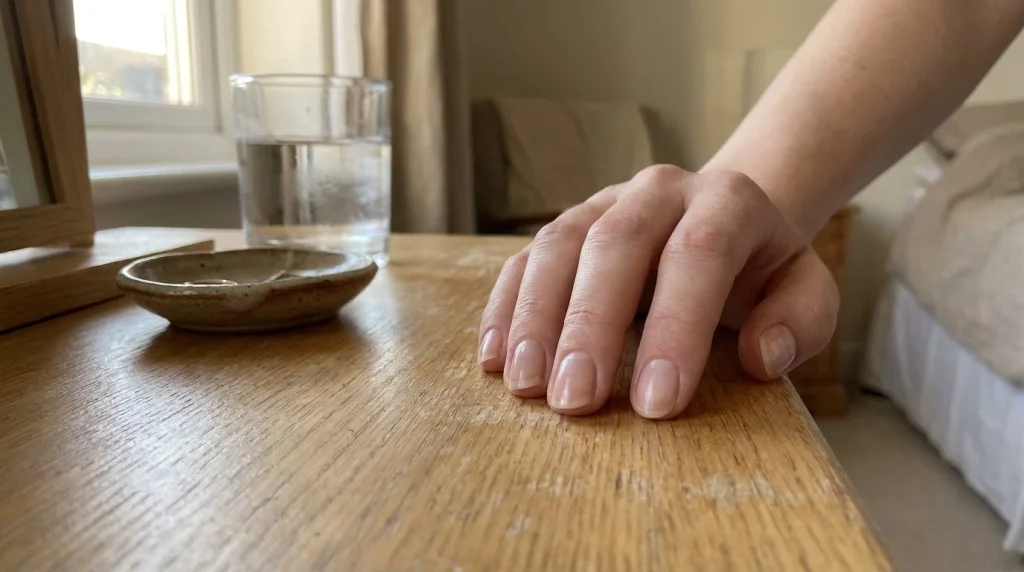
Your natural nail plate consists primarily of keratin, a tough protein arranged in thin layers. Although nails feel solid, their surface can absorb small amounts of moisture and certain color compounds.
That structure helps explain why highly pigmented polish may leave visible color after removal.
However, not every discoloration involves pigment. Nail products can change how the surface looks by affecting its texture, moisture balance, or attachment to the nail bed.
Four mechanisms explain many manicure-related color changes:
- Pigment staining: Strong colorants can leave yellow, orange, or other tints in the upper nail layers.
- Surface damage: Excessive filing, scraping, and peeling can create rough, white, or chalky areas.
- Nail lifting: Separation between the nail plate and nail bed may create a white or opaque appearance.
- Microbial growth: Moisture trapped beneath a lifted enhancement can create conditions for bacterial or fungal problems.
These changes can look similar initially, but they require different responses.
If you want to understand why nail texture matters, explore our guide to nail plate anatomy and healthy nail growth.
How Does Regular Nail Polish Stain Your Nails?
Regular nail polish is one of the most common cosmetic causes of temporary yellow or orange nail discoloration.
Some colored lacquers contain concentrated pigments that can remain on or within the superficial nail plate after the polish film is removed.
The risk tends to increase when you apply strongly pigmented colors directly to bare nails.
Which Nail Polish Colors Are Most Likely to Stain?
Not every dark polish causes staining, and even lighter formulas can sometimes leave residue. However, these shades are commonly associated with noticeable discoloration:
- Deep red: May leave a warm yellow or orange cast.
- Burgundy: Can produce yellowish, orange, or reddish staining.
- Dark purple: Sometimes leaves a dull yellow or grayish appearance.
- Navy blue: May cause bluish or uneven discoloration.
- Black: Certain formulas can leave dark or yellowish residue.
- Bright orange: May leave an orange tint after removal.
The exact result depends on the polish formula, your nail surface, how long the manicure is worn, and whether you used a protective base coat.
Why Does Skipping Base Coat Increase Staining?
A base coat creates a separate layer between your natural nail and colored lacquer.
This barrier can reduce direct pigment contact with the nail surface.
Without that layer, intense pigments may interact more directly with the superficial nail plate.
A base coat doesn’t guarantee perfectly stain-free nails, but it’s one of the easiest preventive measures.
Pro Tip
Before applying red, burgundy, navy, or black polish, use a compatible clear base coat and allow it to dry according to the product instructions. Keep the nail surface clean and dry so the protective layer applies evenly.
Can Gel Nail Polish Change Your Nail Color?
Yes. Gel polish can contribute to nail discoloration, although the reasons aren’t always the same as regular polish.
Some highly pigmented gel colors can leave cosmetic staining. However, the preparation and removal process deserves particular attention.
Why Do Nails Look White After Gel Removal?
White, chalky areas after gel removal often reflect changes to the surface of the nail plate.
Common contributing factors include:
- Excessive buffing before gel application.
- Scraping attached gel from the nail surface.
- Peeling or picking off the gel coating.
- Repeated exposure to removers that dry the nail and surrounding skin.
- Minor lifting or superficial damage caused during removal.
When layers of the nail plate are disturbed, the surface may scatter light differently and look milky, dull, or white.
That appearance isn’t necessarily a pigment stain.
Continuing to buff the nail to remove the whiteness can make the problem worse.
Does Gel Polish Make Nails Yellow?
Yellowing after gel manicures can have several explanations.
Pigments in certain gel colors may stain the natural nail. Surface discoloration can also result from external staining or residue.
However, yellowing combined with nail thickening, crumbling, lifting, or pain raises concern for a nail condition rather than simple cosmetic staining.
Because gel is opaque, it can sometimes hide changes developing underneath.
Inspect your natural nails after removal instead of immediately covering an unexplained change.
Can Improper Gel Curing Cause Problems?
Gel products need the correct curing equipment and exposure specified by the manufacturer.
Using an incompatible lamp or insufficient curing time can leave components inadequately cured, increasing the risk of irritation or allergic reactions.
Allergic reactions may involve itching, redness, swelling, or skin changes around the nails. They should not be diagnosed from nail color alone.
Choose compatible products and avoid getting uncured gel on your skin.
How Can Acrylic Nails Change Natural Nail Color?
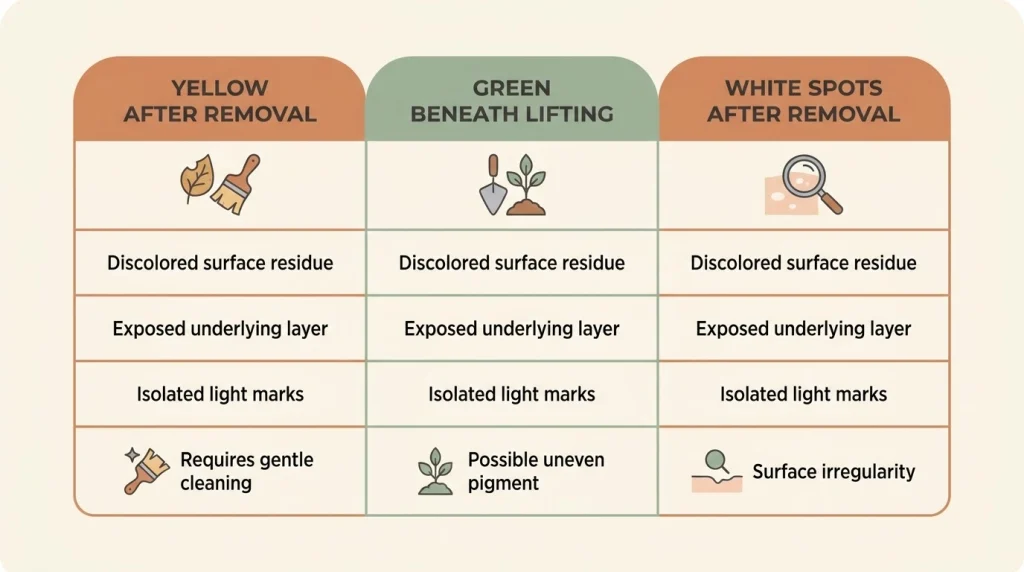
Acrylic enhancements cover the natural nail with a hardened artificial structure. Properly applied acrylics don’t automatically discolor everyone’s nails.
Problems are more likely when preparation is aggressive, the enhancement lifts, or removal damages the underlying nail.
Why Are Nails Yellow After Acrylic Removal?
Yellow discoloration after acrylics can result from several causes:
- Residual pigments from colored products.
- Staining from substances that contacted the nail.
- Changes associated with repeated nail preparation.
- Possible infection or another underlying nail condition.
The timing of the discoloration provides an important clue, but appearance alone cannot confirm the cause.
If the nail looks smooth, remains firmly attached, and has no discomfort, cosmetic staining is one possibility.
Progressive yellowing with unusual texture warrants an examination.
Why Do Acrylic Nails Sometimes Turn Green?
Green discoloration beneath an artificial nail deserves special attention.
One possible cause is bacterial colonization involving Pseudomonas species, commonly associated with green nail syndrome.
When an acrylic enhancement lifts, a small gap can develop between the product and the nail. Moisture may collect in that space, especially with frequent handwashing or prolonged water exposure.
Those conditions can favor bacterial growth.
The resulting color may appear pale green, dark green, blue-green, or nearly black.
Warning
If you notice green discoloration beneath acrylics, don’t glue the lifting enhancement back down or hide the area with more product. Arrange professional assessment, especially if the discoloration spreads or you develop pain, redness, swelling, or drainage. Green staining is not proof of a specific infection without evaluation.
Can Acrylic Removal Leave White Spots?
Yes. Aggressive drilling, scraping, or prying can disturb the upper layers of your nail plate.
After removal, damaged areas may look white, rough, or uneven.
These areas generally cannot be instantly repaired by applying another coating. The affected nail needs protection while new nail gradually grows forward.
What Do Different Nail Color Changes Mean?
The color of your nail can provide useful clues, but it’s only one part of the picture.
Consider the timing, texture, number of affected nails, and any accompanying symptoms.
Yellow or Orange Nails
Yellow or orange staining that appears after dark polish removal may be cosmetic, particularly when several nails are affected evenly.
Persistent yellowing can also have other causes, including fungal nail infections or inflammatory conditions.
Watch for thickening, crumbling, lifting, or progressive changes.
White or Chalky Nails
White patches after manicures can reflect superficial nail damage, dryness, trauma, or separation from the nail bed.
Small white marks may also develop following minor injuries to the nail-forming area.
Don’t assume every white patch is caused by a vitamin deficiency.
Green Nails
Greenish discoloration, particularly beneath a lifted artificial nail, can suggest bacterial growth.
This is different from the ordinary yellow stain sometimes left by polish pigments.
Avoid replacing the enhancement before the problem is assessed.
Brown or Black Discoloration
Brown or black areas may result from trauma, external staining, or pigment changes.
However, a new or changing dark stripe in one nail can occasionally indicate a serious condition, including nail melanoma.
Seek prompt dermatological evaluation for unexplained dark bands, especially when they widen, become irregular, or extend onto surrounding skin.
Blue or Purple Nails
A recent injury can sometimes cause blood to collect beneath the nail, creating a purple or dark appearance.
Blue discoloration can also have other medical causes.
If discoloration appears suddenly without an injury, particularly with breathing difficulties or other concerning symptoms, seek urgent medical care.
How Can You Tell a Polish Stain From Nail Damage?
A cosmetic stain usually follows a recognizable exposure, such as removing a dark manicure.
Your nail may look yellow or orange but otherwise feel normal.
Damage or nail disease can produce additional changes beyond color.
A cosmetic stain is more likely when:
- The color appeared immediately after polish removal.
- Multiple painted nails show similar discoloration.
- The nail surface remains smooth.
- There is no pain, swelling, or discharge.
- The stained area gradually moves outward as the nail grows.
Professional assessment is more important when:
- Discoloration appears without a clear explanation.
- The color becomes progressively darker or spreads.
- The nail becomes thick, crumbly, or distorted.
- The nail separates from its underlying bed.
- The surrounding skin becomes painful, red, swollen, or warm.
- A new or changing dark streak develops.
For a more detailed comparison, read our article about signs of unhealthy nails.
How Long Does Nail Discoloration Take to Disappear?
The recovery time depends on what caused the discoloration.
Some superficial residue can be removed during ordinary cleaning. Pigment embedded in the nail plate may remain visible until the stained section grows out.
Fingernails generally grow approximately 3 millimeters per month, although individual growth rates vary.
Replacing an entire fingernail often takes around four to six months.
Toenails generally grow more slowly and may take 12 to 18 months or longer to replace fully.
If repeated filing or scraping has removed nail layers, the damaged portion must grow out. Cuticle oil can improve moisture and comfort but cannot rebuild missing layers instantly.
Discoloration caused by an infection or another nail condition may not improve simply by waiting.
How Can You Prevent Nail Staining From Polish, Gel, and Acrylics?
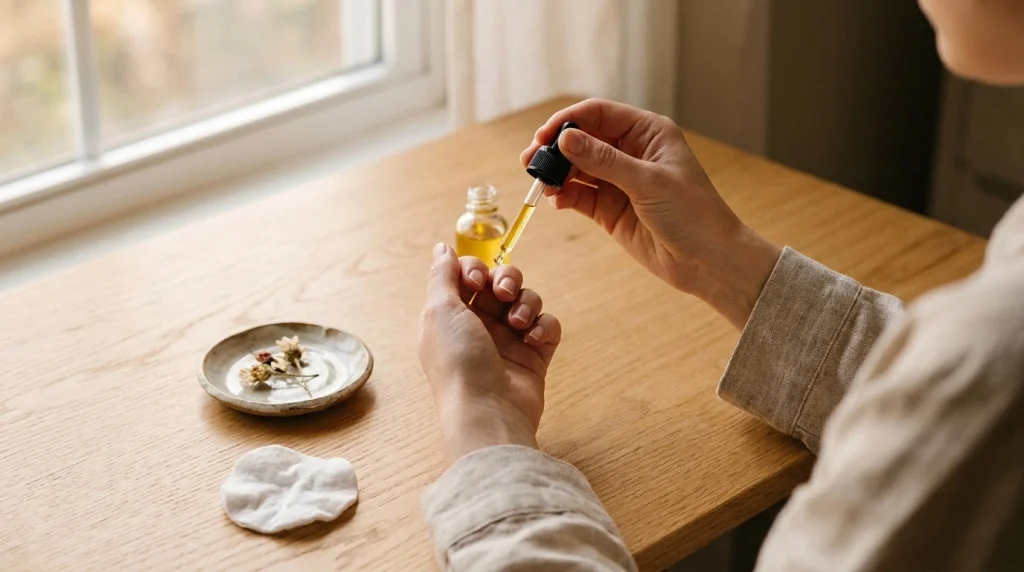
You don’t need to abandon colorful manicures to lower your risk of cosmetic discoloration.
The most useful approach is to reduce pigment contact, protect the natural nail plate, and avoid conditions that encourage irritation or infection.
1. Apply Base Coat Before Colored Polish
Start with clean, dry nails. Apply a thin, even layer of base coat before your colored lacquer.
Choose a formula compatible with your polish and follow its drying instructions.
This extra step helps reduce direct contact between strong pigments and your natural nail surface.
2. Avoid Aggressive Buffing
Light preparation may be appropriate for certain products, but repeatedly removing layers of your natural nail can leave it thin and rough.
Don’t try to buff away deep discoloration. Doing so may create more damage than the original stain.
3. Remove Gel and Acrylics Correctly
Follow the manufacturer’s instructions for the specific product.
Some gel coatings are designed to soak off, while other hard gels and acrylic systems require professional filing techniques.
Never assume every enhancement should be removed the same way.
Stop if removal becomes painful or the product pulls against your natural nail.
4. Keep Lifting Enhancements Dry and Address Them Promptly
Check your artificial nails for gaps, movement, and lifting.
Don’t press a lifted enhancement back into place with household glue.
Moisture trapped beneath a detached coating can contribute to microbial problems.
5. Moisturize After Polish Removal
Acetone and other solvents can leave the nail and surrounding skin feeling dry.
After removing product, wash away residue, dry your hands, and apply hand cream or cuticle oil.
Moisturizing improves comfort and helps reduce dryness-related brittleness.
6. Inspect Your Natural Nails Between Enhancements
Whenever a manicure is fully removed, examine your nails in good light.
Look for unexpected color changes, lifting, roughness, swelling, or tenderness.
Healthy nails don’t need to breathe, but a polish-free interval can make it easier to monitor changes and avoid repeated removal trauma.
For a broader prevention routine, see our guide on how to protect nails from nail polish damage.
Do
- Use a compatible base coat.
- Remove products gently.
- Moisturize after removal.
- Check for enhancement lifting.
- Inspect unexplained color changes.
Don’t
- Peel off attached gel.
- Over-file natural nails.
- Glue over lifting product.
- Bleach unexplained stains.
- Cover painful or infected nails.
What Nail Products Help Reduce Cosmetic Staining?
You don’t need an expensive collection of treatments to protect your nail color.
A few basic products are usually more helpful than aggressive whitening kits.
Stain-Blocking Base Coat
A clear base coat provides a useful barrier beneath pigmented regular polish.
Look for a formula designed to reduce staining and follow the manufacturer’s application instructions.
Recommended Product Type
Stain-Blocking Nail Base Coat
A protective base coat is especially useful if you regularly wear red, burgundy, navy, or other highly pigmented nail colors. Choose one suitable for your polish system.
As an Amazon Associate, we earn from qualifying purchases.
Cuticle Oil and Hand Cream
Cuticle oil doesn’t remove embedded polish pigment, but it helps condition dry nails and surrounding skin.
A simple jojoba-based cuticle oil or fragrance-free moisturizer can be useful after polish removal and handwashing.
Browse jojoba cuticle oil pens on Amazon if you prefer a portable option.
Gentle Nail File
A fine-grit nail file helps smooth snagged free edges without unnecessary aggressive shaping.
File the free edge carefully rather than thinning the top surface to remove discoloration.
You can compare fine-grit nail files for natural nails on Amazon.
What Should You Do If Your Nails Are Already Stained?
If your nails look yellow after removing dark polish, start by determining whether the change is superficial and whether your nails otherwise look healthy.
Don’t rush into a strong whitening treatment.
- Remove remaining polish gently. Use a remover compatible with the coating and avoid prolonged rubbing.
- Wash and dry your hands. Mild soap and water can remove loose residue without aggressive scrubbing.
- Inspect your nails in natural light. Look for lifting, unusual thickness, dark streaks, or inflammation.
- Apply moisturizer. Use a small amount of cuticle oil or hand cream if the nails or skin feel dry.
- Monitor changes. If the discoloration appears cosmetic, allow the affected area to grow out. Seek assessment if symptoms develop or the change persists unexpectedly.
If you’re dealing specifically with an established yellow polish stain, our detailed article on how to remove yellow nail stains safely discusses additional considerations.
Pro Tip
Take a clear photograph of a suspected cosmetic stain after removing all polish. Comparing photos as the nail grows can help you see whether the discolored area moves toward the tip. Photography is useful for monitoring, but it doesn’t replace an examination when warning signs appear.
When Should You See a Dermatologist About Nail Color Changes?
Most ordinary cosmetic staining isn’t an emergency.
However, treating every nail color change as a polish stain can delay care for an underlying problem.
Arrange medical evaluation if you notice:
- Persistent discoloration without a clear cosmetic cause.
- Green staining beneath a lifted enhancement.
- New or changing brown or black streaks.
- Thickening, crumbling, or unusual nail distortion.
- Separation of the nail from its underlying bed.
- Increasing pain, redness, swelling, or drainage.
- Discoloration that continues to worsen after removing nail products.
A dermatologist may examine the nail and recommend additional testing when necessary.
Fungal infections, bacterial problems, psoriasis, trauma, and pigment disorders can sometimes resemble one another.
Getting the correct diagnosis matters because each cause may require different care.
Frequently Asked Questions About Nail Polish and Nail Discoloration
Q: Can nail polish permanently stain your nails?
A: Cosmetic polish stains generally aren’t permanent because the stained nail plate gradually grows out. Deep staining may remain visible for months. Persistent changes that don’t behave like a growing-out stain should be assessed.
Q: Why are my nails yellow after removing gel polish?
A: Yellowing may result from colored gel pigments, external staining, or another nail condition. If the nail is thick, crumbly, painful, lifting, or increasingly discolored, don’t assume gel pigment is the cause.
Q: Are white spots after acrylic nails normal?
A: White patches can occur after surface trauma from preparation or removal. They aren’t always dangerous, but repeated damage can weaken the nail. Persistent or unusual whitening may have another cause and deserves assessment.
Q: Can a base coat prevent nail discoloration?
A: A compatible base coat can reduce direct exposure to pigmented polish, lowering the risk of cosmetic staining. It cannot prevent every stain or protect against nail conditions caused by injury, lifting, or infection.
Q: Should I stop wearing nail polish if my nails turn yellow?
A: If the yellowing is clearly cosmetic and your nails are otherwise healthy, you may not need to stop using polish permanently. A temporary polish-free interval helps you inspect the nails. Seek medical advice before covering unexplained or worsening discoloration.
Keep Your Nail Color Healthy Without Giving Up Manicures
Nail polish, gel, and acrylics can change the appearance of your natural nails, but not every color change means permanent damage.
Protect your nails with a suitable base coat, gentle preparation and removal, regular moisturizing, and prompt attention to lifting or unexplained discoloration.
Save this guide to your Pinterest nail-care board so you’ll know what to look for before your next manicure.

Hi, I’m Jessica, the creator behind Unique Lash & Nails Katy.
I created this website for anyone who loves beautiful nails as much as I do. Here, I share trendy nail designs, seasonal manicure ideas, easy nail care tips, honest product recommendations, and step-by-step guides to help you create salon-worthy nails at home. Whether you’re looking for everyday inspiration or your next favorite nail trend, I hope you’ll find something you love.