Nail Cream vs Nail Oil: Which Is Better for Dry Nails?
Quick Answer
Nail cream is usually the better everyday choice when your fingertips and surrounding skin need lasting moisture, especially after washing. Nail oil is a convenient option for conditioning dry cuticles and the exposed nail plate. For very dry nails, you can use both: apply cream first, then massage a little oil around your nails. Neither product can permanently repair a damaged nail or make it grow dramatically faster.
Standing in the beauty aisle wondering whether nail cream or nail oil deserves a spot in your routine? Both promise softer cuticles and healthier-looking nails, but they don’t work in exactly the same way.
The biggest difference is their formulation. Creams usually combine water-binding ingredients with oils or other moisture-sealing ingredients, while nail oils focus mainly on conditioning and reducing moisture loss.
This nail cream vs nail oil comparison explains what each product does, which ingredients matter, and how to choose the right option without spending money on unnecessary treatments.


What Is the Difference Between Nail Cream and Nail Oil?
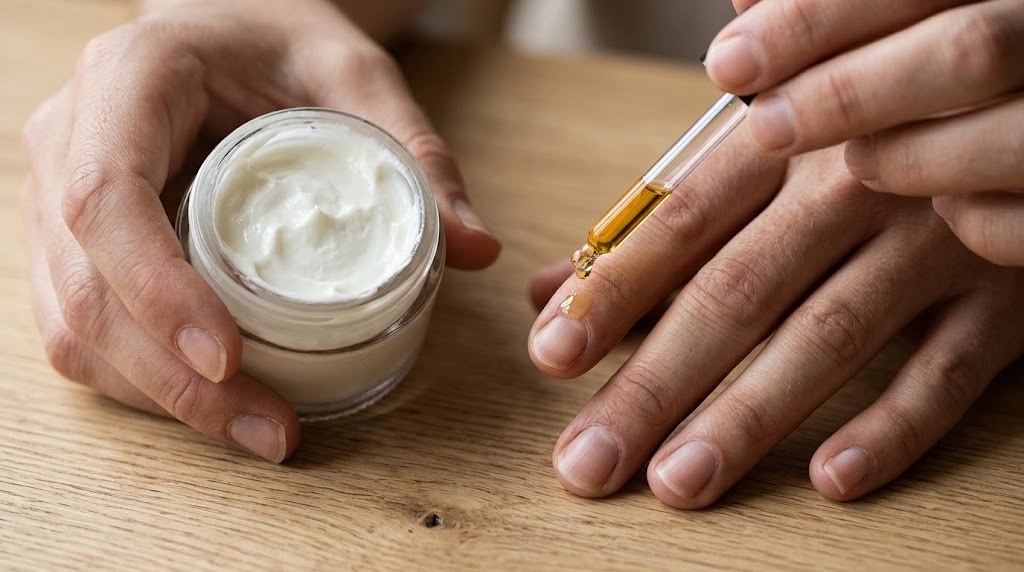
Nail cream and nail oil are both leave-on conditioning products. Their formulas, textures, and best uses are what set them apart.
Nail cream is generally a thicker moisturizer containing water, humectants, emollients, and sometimes occlusive ingredients. It helps soften the skin around your nails and can make rough fingertips feel more comfortable.
Nail oil is usually a lightweight blend of plant-derived or mineral oils. It spreads easily around the nail folds, softens dry cuticles, and helps reduce moisture loss from the nail area.
Nail Cream vs Nail Oil: Quick Comparison
| Feature | Nail Cream | Nail Oil |
|---|---|---|
| Texture | Creamy and often rich | Liquid and easy to spread |
| Main purpose | Moisturizing skin and nails | Conditioning and reducing moisture loss |
| Typical ingredients | Glycerin, ceramides, shea butter | Jojoba, sunflower, mineral oil |
| Best application | After handwashing and before bed | Daily nail and cuticle massage |
| Best for | Dry skin, rough fingertips, and cuticles | Dry cuticles and brittle-feeling nails |
| Can you use both? | Yes, if your nail area needs extra conditioning. | |
Neither category is automatically superior. A well-formulated cream can be more effective for severely dry skin, while a simple oil may be more convenient for targeted application throughout your day.
What Does Nail Cream Actually Do?
Nail cream helps moisturize the skin surrounding your nails and can condition the visible nail surface. Its effectiveness depends on its ingredients rather than whether the packaging says “nail cream” or “hand cream.”
Most moisturizing creams use a combination of three ingredient types:
- Humectants: Ingredients such as glycerin help attract and retain water in the outer skin layers.
- Emollients: Ingredients such as shea butter soften rough skin and improve its feel.
- Occlusives: Ingredients such as petrolatum help reduce water loss by forming a protective layer.
This combination makes nail cream particularly helpful when the skin beside your nails feels dry, tight, or rough after repeated handwashing.
Who Should Choose Nail Cream?
Nail cream may be your best first purchase if you frequently wash your hands, experience dry skin around your nails, or want one product for your hands and fingertips.
A fragrance-free cream is also a sensible starting point if your skin reacts easily to scented beauty products.
You don’t need an expensive salon treatment. A basic cream containing glycerin and petrolatum can be useful for daily care.
What Are the Downsides of Nail Cream?
Rich creams can feel heavy if you apply too much. Some leave a temporary residue, particularly when they contain substantial amounts of shea butter or petrolatum.
Scented formulas may also irritate sensitive skin. Choose a fragrance-free option if you have a history of reactions to perfumes.
For a more complete routine, explore our guide on how to moisturize nails without relying on complicated treatments.
What Does Nail Oil Actually Do?
Nail oil conditions the nail plate and surrounding skin by coating them with emollient ingredients. It can help dry cuticles feel softer and make the nail surface appear smoother.
Unlike most creams, pure oils don’t contain substantial amounts of water. Their main benefit is conditioning and helping limit moisture loss rather than directly supplying water to dry skin.
Popular nail oil ingredients include:
- Jojoba oil: A lightweight liquid wax that spreads smoothly and conditions skin.
- Sunflower seed oil: An emollient ingredient that helps soften rough skin.
- Sweet almond oil: A commonly used conditioning oil, although people with relevant allergies should check suitability.
- Mineral oil: A straightforward ingredient that helps reduce moisture loss.
- Vitamin E: An ingredient used in some formulas, although it isn’t essential for effective nail care.
There’s no need to buy the most expensive formula. A simple product that your skin tolerates and that you enjoy applying is often the most practical option.
Who Should Choose Nail Oil?
Nail oil is particularly convenient if your nail folds feel dry, your cuticles appear rough, or your nails tend to look dull after polish removal.
A small rollerball or brush pen fits easily into a handbag, making it practical for quick applications at your desk or during travel.
You can also use oil on the exposed nail plate, not just around its base.
For a closer look at how these products work, read does nail oil help dry nails.
What Are the Downsides of Nail Oil?
Applying too much oil can leave your fingers slippery or greasy. This may be inconvenient before typing, handling your phone, or applying nail polish.
Oils also don’t replace every function of a moisturizing cream. When the skin around your nails is severely dry, a cream containing water-binding ingredients may provide more comprehensive care.
Is Nail Cream or Nail Oil Better for Dry Nails?
For dry nails, both products can help, but the better choice depends on exactly what feels dry.
If the skin surrounding your nails is rough or tight, start with a fragrance-free cream. It provides a combination of ingredients that support skin hydration and reduce moisture loss.
If your nail plate feels dry or your cuticles need targeted conditioning, a lightweight nail oil can be a useful addition.
When you have both problems, you don’t have to choose one. Apply cream first and follow with a small amount of oil where extra conditioning is needed.
Pro Tip
Apply moisturizer after washing your hands, while your skin is still slightly damp. Then use a small amount of nail oil around particularly dry cuticles. This gives you the benefit of a water-containing moisturizer alongside an additional conditioning layer.
Which Is Better for Cuticles: Cream or Oil?
Both work well for everyday cuticle care, but their textures make them useful in different situations.
Nail oil is convenient for small, targeted applications along the nail folds. A drop can spread over several nails, making daily conditioning quick and easy.
Nail cream is useful when the dryness extends beyond the cuticle area to your fingertips and hands.
If you notice dry flakes around your nails, try a fragrance-free cream after washing and a little oil later in the day.
Don’t cut or tear rough skin around the nail. Healthy cuticles form part of the protective barrier near the nail’s growth area.
Can Nail Cream or Nail Oil Make Your Nails Stronger?
Moisturizing may help nails remain more flexible and reduce some problems associated with dryness, but neither cream nor oil can permanently rebuild a damaged nail plate.
Your visible nails are made primarily of hardened keratin. Once layers have peeled away from aggressive filing or manicure removal, a topical moisturizer cannot recreate those missing layers.
Regular conditioning may help reduce dryness-related splitting. However, nail protection and gentle grooming are just as important.
To maintain your nails:
- Keep the free edges smoothly filed to reduce snagging.
- Avoid peeling off gel or acrylic nail products.
- Wear suitable gloves when cleaning or washing dishes.
- Apply moisturizer after frequent water exposure.
- Avoid aggressive buffing of already thin nails.
You can learn more about everyday protection in our article on the healthiest thing to put on nails.
Should You Use Nail Cream and Nail Oil Together?
Yes. Combining them can be practical when your fingertips are very dry, although you don’t need two separate products if one already keeps your nail area comfortable.
The simplest approach is to apply a cream first, followed by a little oil.
A Simple Daily Nail Care Routine
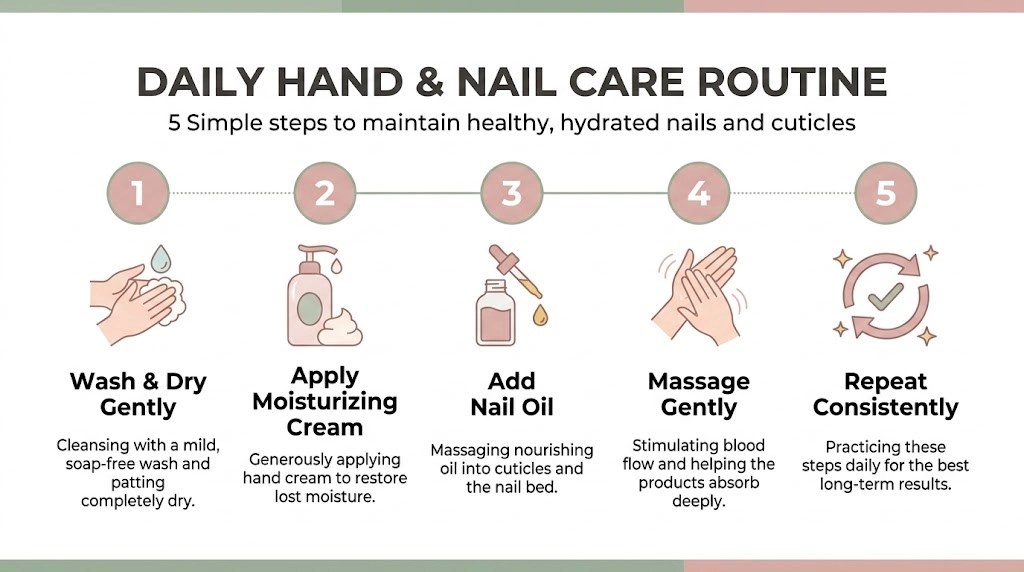
- Wash and dry your hands gently. Use a mild cleanser and pat away excess water without rubbing the nail folds aggressively.
- Apply moisturizing cream. Massage a small amount over your fingers, nail plates, and surrounding skin.
- Add a little nail oil. Spread one small drop across several nails, focusing on dry cuticles and sidewalls.
- Massage gently. Use light circular motions until the products feel evenly distributed.
- Repeat consistently. Reapply cream after handwashing when needed and use oil once daily or whenever your cuticles feel dry.
You don’t need to massage for a specific number of minutes. Gentle application is enough to distribute the products.
If your skin is extremely dry at night, a thin layer of plain petroleum jelly over your cream can provide an additional moisture barrier.
When Should You Apply Nail Cream and Nail Oil?
The timing matters less than consistency, but a few moments throughout the day are especially practical.
After Washing Your Hands
Use cream after handwashing, especially if soap leaves your skin feeling tight. This helps replace some of the conditioning lost during cleansing.
During the Day
A portable cuticle oil pen is convenient when your cuticles start looking dry. Apply a small amount and gently rub it in.
Before Bed
Nighttime is a convenient opportunity to apply a richer cream because you won’t immediately wash it away.
If you enjoy using both products, finish with a little oil around your nail edges.
After Removing Nail Polish
Polish removers, especially repeated acetone exposure, can leave nails and surrounding skin feeling dry. Wash according to product directions, then apply moisturizer and oil.
If you plan to apply fresh regular polish, remove oily residue from the nail plate first so the polish can adhere properly.
What Ingredients Should You Look for in Nail Cream or Nail Oil?
You don’t have to memorize complicated ingredient lists. Focus on a few useful ingredients and choose a formula that feels comfortable.
Helpful Nail Cream Ingredients
- Glycerin: Helps bind moisture in the outer skin layers.
- Ceramides: Support the skin’s protective moisture barrier.
- Petrolatum: Creates a protective layer that limits water loss.
- Shea butter: Helps soften dry, rough-feeling skin.
- Dimethicone: Can provide a smooth protective layer without the feel of a heavy ointment.
Helpful Nail Oil Ingredients
- Jojoba oil: An easy-to-spread conditioning ingredient.
- Sunflower oil: Helps soften the nail area.
- Mineral oil: Helps create a moisture-retaining barrier.
- Squalane: A lightweight emollient used in some conditioning formulas.
Avoid assuming that more ingredients automatically mean better results. If your skin is sensitive, simple fragrance-free formulas may be easier to tolerate than heavily scented blends.
Which Nail Cream and Nail Oil Products Are Worth Trying?
You don’t need an expensive collection of nail treatments. Start with one moisturizing cream and consider adding a cuticle oil if your nails still feel dry.
Recommended Product
Fragrance-Free Moisturizing Hand and Nail Cream
A fragrance-free cream containing glycerin or ceramides is a practical everyday choice when your hands, fingertips, and cuticles need moisture after washing.
As an Amazon Associate, we earn from qualifying purchases.
Recommended Product
Jojoba Cuticle Oil
A simple jojoba-based oil is useful for targeted daily conditioning around your cuticles. Look for a convenient applicator and avoid unnecessary fragrance if your skin is sensitive.
As an Amazon Associate, we earn from qualifying purchases.
Recommended Product
Portable Cuticle Oil Pen
A brush-tip oil pen is convenient for travel or your desk because you can apply a little conditioner without carrying a large bottle.
As an Amazon Associate, we earn from qualifying purchases.
What Mistakes Should You Avoid When Using Nail Cream or Oil?
Even gentle nail products work best when you use them correctly. Avoid these common mistakes.
Applying Too Much Product
More isn’t always better. A thin, evenly spread layer usually feels more comfortable than coating your fingertips in excess cream or oil.
Using Oil Instead of Moisturizer for Very Dry Skin
Oil conditions the surface, but a cream containing water-binding ingredients may be more useful when your surrounding skin feels dehydrated.
Expecting Overnight Nail Repair
Moisturizers can improve the appearance and feel of dry nails, but they don’t rebuild missing nail layers.
Ignoring Irritation
Stop using a product if you experience persistent stinging, itching, redness, or a rash. Fragrances and botanical ingredients can cause reactions in some people.
Applying Oil Immediately Before Nail Polish
Oil on the nail plate can interfere with regular polish adhesion. Clean the surface appropriately before applying your base coat.
Warning
Nail cream and oil are cosmetic conditioners, not treatments for infections or unexplained nail disorders. If you develop painful swelling, pus, persistent nail lifting, unusual discoloration, or a new dark streak, consult a healthcare professional rather than covering the problem with a nail product.
What Should You Do and Avoid for Healthier-Looking Nails?
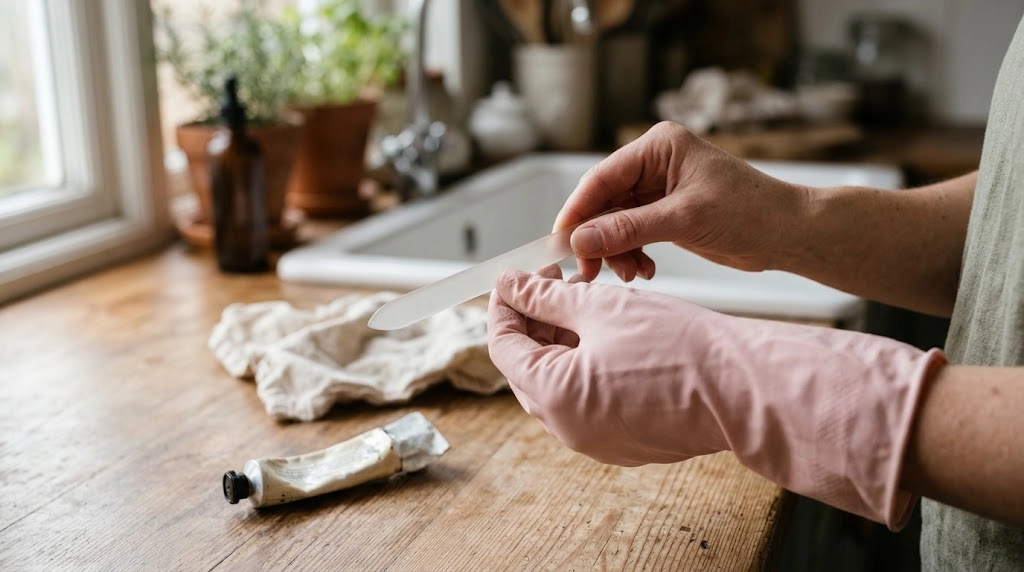
Do
- Moisturize after washing.
- Use small amounts of cuticle oil.
- Choose gentle formulas.
- Protect hands during wet work.
- Keep nail edges smooth.
Don’t
- Cut healthy cuticles.
- Peel off gel manicures.
- Over-buff thin nails.
- Ignore product irritation.
- Expect instant nail growth.
How Long Does It Take to Notice Results?
You may notice softer-feeling cuticles shortly after applying nail cream or oil. That immediate improvement mainly reflects surface conditioning.
With consistent use over several days or weeks, your surrounding skin may feel less rough, particularly if you also protect it from excessive washing and harsh products.
Changes in the appearance of a damaged nail plate take longer. Fingernails typically grow only a few millimeters per month, so visibly damaged sections may take several months to grow out.
Neither nail cream nor nail oil has convincing evidence showing that it dramatically accelerates normal nail growth.
For realistic growth expectations, see our guide to how fast fingernails grow.
Frequently Asked Questions About Nail Cream vs Nail Oil
Q: Is nail cream better than nail oil?
A: Nail cream is a useful choice for moisturizing dry skin around your nails, while nail oil is convenient for targeted conditioning. Neither is universally better. Choose based on your dryness level, product texture, and personal preference.
Q: Can I use nail cream and nail oil together?
A: Yes. Apply your moisturizing cream first, then massage a small amount of oil around the nail folds and exposed nail plate. Using both is optional, especially if one product already provides enough comfort.
Q: Should I apply nail oil before or after cream?
A: Applying cream first and oil afterward is a practical routine. The cream supplies moisturizing ingredients, while the oil provides additional surface conditioning. The exact order is less important than consistent use.
Q: Does nail oil make nails grow faster than nail cream?
A: No reliable evidence shows that either product substantially speeds normal nail growth. Both may help manage dryness, while protecting your nails from breakage can help you retain their natural length.
Q: Can I use regular hand cream instead of nail cream?
A: Yes. A gentle moisturizing hand cream can also be applied over your nails and cuticles. You don’t necessarily need a separate nail cream, especially if your existing moisturizer contains glycerin, ceramides, or petrolatum.
So, Should You Choose Nail Cream or Nail Oil?
If your main concern is dry skin around your nails, start with a fragrance-free moisturizing cream. If you want lightweight, targeted cuticle conditioning, nail oil is a convenient choice. When your nail area is especially dry, using both can be helpful.
The most important part of your nail care routine isn’t choosing the fanciest product. It’s moisturizing consistently, protecting your hands, and avoiding unnecessary nail damage.
Save this nail cream vs nail oil guide to your Pinterest nail-care board so you can easily choose the right product the next time your cuticles need extra attention.

Hi, I’m Jessica, the creator behind Unique Lash & Nails Katy.
I created this website for anyone who loves beautiful nails as much as I do. Here, I share trendy nail designs, seasonal manicure ideas, easy nail care tips, honest product recommendations, and step-by-step guides to help you create salon-worthy nails at home. Whether you’re looking for everyday inspiration or your next favorite nail trend, I hope you’ll find something you love.