What Is the Healthiest Thing to Put on Nails? Best Options for Strong, Healthy Nails
Quick Answer
For most people, the healthiest thing to put on nails every day is a simple moisturizer applied to the nails, cuticles, and surrounding skin. A fragrance-free hand cream, cuticle oil, or plain petroleum jelly can help reduce dryness and keep the nail area flexible. You don’t need an aggressive nail hardener or complicated DIY treatment for routine nail care.
If you’ve ever searched for the healthiest thing to put on nails, you’ve probably found everything from expensive nail serums to olive oil, coconut oil, Vaseline, lemon juice, strengtheners, and vitamin-infused polish.
The simplest answer is usually much less exciting: moisture and protection matter more than miracle ingredients.
Your visible nail plate is made from hardened keratin, so a topical product can’t transform it into a completely new nail overnight. What you can do is keep your nails and the skin around them moisturized, reduce unnecessary damage, and protect new nail as it grows.


What Should You Put on Your Nails Every Day?
If you want one product that fits almost everyone, choose a plain moisturizer for your nails and cuticles.
Whenever you apply hand cream, massage a little over your nails, around the cuticles, and along the sidewalls. This is especially useful after washing your hands because repeated exposure to soap, water, cleaning products, and dry air can leave the nail area feeling dehydrated.
You don’t need a product labeled specifically as a “nail treatment.” A gentle hand cream can work perfectly well for everyday maintenance.
If you’re building a complete routine rather than choosing a single product, my guide to the best nail care routine for healthy nails explains how moisturizing, trimming, filing, and protection fit together.
Pro Tip
Keep your nail moisturizer beside your hand soap or next to your bed. Making the product easy to reach usually does more for consistency than buying a complicated treatment you only remember once a week.
Is Cuticle Oil One of the Healthiest Things for Nails?
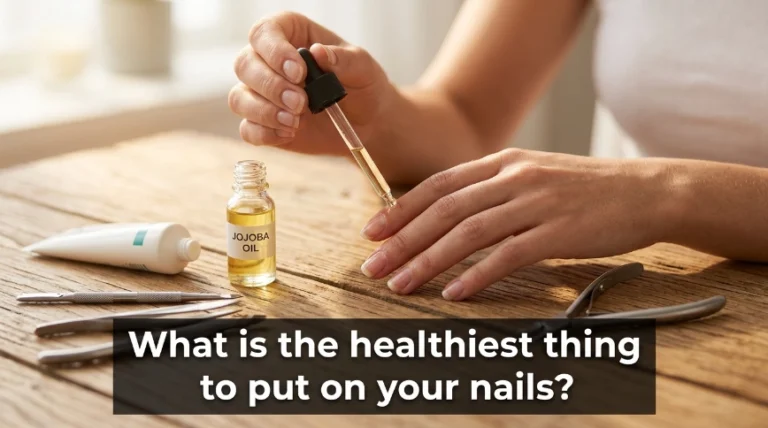
Yes. Cuticle oil is a useful everyday option, particularly if the skin around your nails feels dry or rough.
Cuticle oils are usually lighter than thick creams or petroleum jelly, so they’re convenient when you want to moisturize your nail area without leaving your fingertips greasy.
Massage one small drop around each nail rather than flooding the entire fingertip. Work it gently into the cuticle area and sidewalls.
The biggest benefit isn’t that the oil makes your nail suddenly grow faster. It’s that regular moisturizing can make dry cuticles feel softer and help the nail area stay more comfortable and flexible.
Recommended Product
Jojoba Cuticle Oil
★★★★☆ Popular nail-care option on Amazon
A simple jojoba-based cuticle oil is lightweight enough for daytime moisturizing and easy to massage around dry cuticles.
As an Amazon Associate, we earn from qualifying purchases.
Is Vaseline Healthy to Put on Your Nails?
 Save
SavePlain petroleum jelly is another excellent choice, especially when your nails and cuticles are very dry.
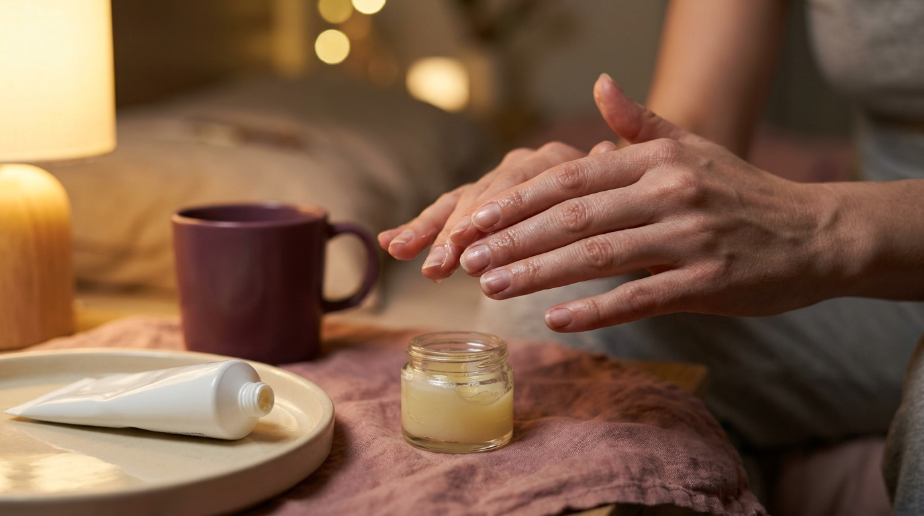
Petroleum jelly works differently from a light cuticle oil. Instead of disappearing quickly, it forms a thicker protective layer that helps reduce moisture loss from the skin around your nails.
That’s why bedtime is one of the easiest times to use it. Apply your normal hand moisturizer first, then massage a very thin layer of petroleum jelly around your nails and cuticles.
If you want a deeper explanation of when and how to use it, see whether Vaseline is good for nails and cuticles.
Recommended Product
Plain Petroleum Jelly
★★★★☆ Simple moisture-sealing option
Plain petroleum jelly is inexpensive and particularly useful when your cuticles feel rough or your hands become dry from frequent washing.
As an Amazon Associate, we earn from qualifying purchases.
Which Oil Is Healthiest for Nails?
You don’t need a rare or expensive oil. A simple cosmetic oil that you tolerate well can be useful for moisturizing the cuticle area.
Jojoba oil
Jojoba oil is popular in cuticle products because it feels relatively lightweight and spreads easily. It’s a practical choice if you want something you can massage into your nails during the day without leaving a thick coating.
Mineral oil
Mineral oil is another straightforward option commonly used in moisturizing products. If you’re sensitive to heavily fragranced nail treatments, a simple fragrance-free formula may be preferable to an elaborate botanical blend.
Coconut oil
Coconut oil can soften dry skin around the nails, but there’s no need to treat it as a miracle nail-growth ingredient. Use it primarily as a moisturizer if you already like how it feels on your skin.
The “healthiest” oil is ultimately one that moisturizes without irritating your skin and that you’ll use consistently.
Is Nail Strengthener Healthier Than Cuticle Oil?
Not necessarily.
Nail strengtheners and hardeners can be useful for some weak or brittle nails, but they serve a different purpose from everyday moisturizers. A hardener isn’t automatically the best product to apply every day just because your nails feel thin.
If dryness is the main problem, adding more moisture and reducing harsh exposure may be a better starting point.
Pay attention to how your nails respond. A treatment that makes them feel extremely rigid isn’t always an advantage because nails still experience bending and impact during normal activities.
If you’re dealing with peeling or obvious manicure damage, follow a gentler recovery approach instead. You can use this nail recovery routine for making damaged nails healthy again as your next step.
Warning
Stop using a nail or cuticle product if it causes burning, persistent redness, swelling, itching, blistering, or worsening irritation. More intense tingling doesn’t mean a product is working better.
What Should You Avoid Putting on Your Nails?
A product doesn’t become healthier just because it’s homemade or labeled natural.
Be cautious with harsh DIY mixtures and anything that repeatedly leaves your nails or surrounding skin dry, irritated, or sore.
- Don’t repeatedly soak nails in lemon juice. Acidic DIY treatments can irritate sensitive skin and don’t replace basic moisturizing care.
- Don’t scrub nails aggressively with baking soda or toothpaste. Abrasive treatments can leave the surface looking rougher rather than healthier.
- Don’t apply undiluted essential oils around irritated skin. Fragrance and concentrated botanical ingredients can trigger irritation in some people.
- Don’t put nail glue on damaged or inflamed skin. Glue is for artificial nail application, not for treating cracks, soreness, or infection.
- Don’t assume stronger chemicals equal stronger nails. If a product repeatedly stings or dries your nails, reconsider whether it belongs in your routine.
What Is the Healthiest Nail Routine?
You don’t need ten products. For most people, the healthiest routine is built around four habits: moisturize, protect, groom gently, and avoid unnecessary trauma.
1. Moisturize after washing your hands
Rub your hand cream over your fingernails and around your cuticles instead of stopping at your knuckles.
2. Use cuticle oil when your nails feel dry
A small amount once or twice during the day is enough. More product isn’t automatically better.
3. Seal very dry cuticles before bed
Apply a thin layer of petroleum jelly after your moisturizer when you need a heavier overnight barrier.
4. Protect your hands from long water exposure
Frequent wetting and drying can be rough on brittle nails. Gloves are useful when you’re washing dishes or cleaning with household chemicals.
Recommended Product
Fragrance-Free Hand Cream
★★★★☆ Easy everyday option
A basic fragrance-free hand cream makes it easy to moisturize your hands, nails, cuticles, and nail folds at the same time.
As an Amazon Associate, we earn from qualifying purchases.
5. Leave your cuticles intact
Your cuticles help protect the area where the nail grows. You can moisturize rough cuticles without aggressively cutting them away.
6. Remove manicures gently
Don’t peel gel, dip, or artificial nail products from the surface. Peeling a manicure can remove superficial layers from your natural nail along with the product.
If your nails already feel dry or thin, you may also want to learn when taking a break from nail polish can be useful.
How Long Does It Take for Healthier Nail Care to Work?
Moisturizing can make dry cuticles feel more comfortable fairly quickly, but damaged nail plate can’t be permanently repaired like living skin.
The damaged portion has to gradually move toward the tip as new nail grows from the base. That means significant manicure damage, peeling, or thinning can take several months to completely grow out.
This is why consistency matters more than an intense one-week treatment.
Think of your routine as protecting the new nail that’s coming in rather than trying to magically rebuild every damaged layer already visible at the tip.
What Are the Best Do’s and Don’ts for Healthy Nails?
Do
- +Moisturize nails and cuticles regularly.
- +Wear gloves for wet cleaning jobs.
- +File rough edges gently before they snag.
Don’t
- −Cut or pick aggressively at your cuticles.
- −Peel gel or artificial products off your nails.
- −Use your nails as tools for scraping or prying.
Can You Make an Overnight Nail Treatment?
Yes, but keep it simple.
Wash your hands, pat them dry, apply a fragrance-free moisturizer, and then massage a tiny amount of petroleum jelly around each nail and cuticle.
If the greasy feeling bothers you, lightweight cotton gloves can make an overnight routine easier.
Recommended Product
Cotton Moisturizing Gloves
★★★★☆ Useful for nighttime care
Lightweight cotton gloves can make a heavier overnight hand and nail moisturizing routine less messy.
As an Amazon Associate, we earn from qualifying purchases.
When Is Moisturizer Not Enough?
Dryness and occasional breakage are different from persistent nail changes.
Don’t try to cover every unusual nail problem with oil, polish, or a strengthening treatment. Consider professional medical advice if you notice a new change that doesn’t improve or if you have significant pain, swelling, bleeding, nail separation, major thickening, or unexplained discoloration.
A new dark streak or a major change in the shape or growth of a nail also deserves attention rather than being hidden under polish.
If you’re unsure whether you’re seeing ordinary dryness or something that needs more attention, compare your symptoms with these common signs of unhealthy nails.
What Are the Best Expert Habits for Healthier-Looking Nails?
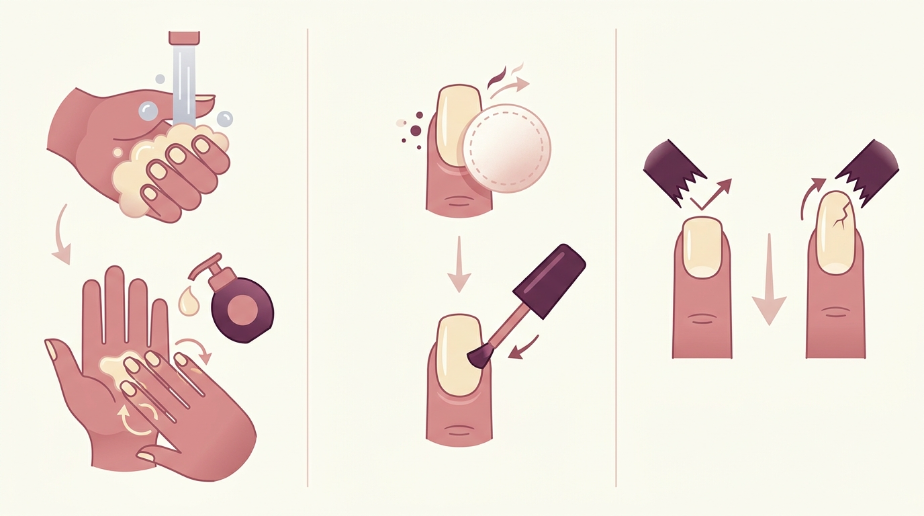 Save
SavePro Tip
Apply your moisturizer after handwashing instead of waiting until your nails already feel dry. Preventing repeated dryness is easier than trying to rescue severely rough cuticles once a week.
Pro Tip
If you plan to polish your nails after using oil or petroleum jelly, clean oily residue from the nail plate first. Moisture is useful for nail care, but leftover oil can interfere with polish adhesion.
Pro Tip
Keep damaged nails slightly shorter while they grow out. Shorter free edges are less likely to catch, bend, and turn a tiny split into a larger break.
Frequently Asked Questions
Q: What is the single best thing to put on weak nails?
A: Start with a simple moisturizer on your nails and cuticles. If dryness contributes to your splitting or peeling, regular moisture plus protection from water and chemicals is a gentler first step than immediately reaching for an aggressive hardener.
Q: What can I put on my nails every night?
A: Apply a hand cream or cuticle moisturizer, then use a thin layer of plain petroleum jelly if your nail area is especially dry. Massage it gently around the nails and cuticles before bed.
Q: Is olive oil or Vaseline better for nails?
A: Both can help with dryness, but petroleum jelly is particularly useful when you want a thicker barrier that reduces moisture loss. You can also use a lighter oil first and a tiny layer of petroleum jelly over it at bedtime.
Q: Does putting oil on nails make them grow faster?
A: Nail oil shouldn’t be treated as a guaranteed growth accelerator. Its practical benefit is moisturizing the nail and surrounding skin and helping you care for the length you already have while new nail grows naturally.
Q: Should I put cuticle oil on every day?
A: You can use a small amount regularly if your nails and cuticles tolerate it well. Daily use is convenient for dry cuticles, but consistency and gentle care matter more than applying a large amount.
So, What Is the Healthiest Thing to Put on Nails?
For everyday nail care, keep it simple: put a gentle moisturizer on your nails and cuticles regularly. Use cuticle oil when you want something lightweight, or add plain petroleum jelly when you need a heavier moisture-sealing layer.
Protect that routine by keeping your cuticles intact, avoiding harsh removal habits, and giving damaged nail time to grow out. Save this guide to Pinterest so you have an easy healthy-nail routine ready whenever your nails start feeling dry, brittle, or overworked.

Hi, I’m Jessica, the creator behind Unique Lash & Nails Katy.
I created this website for anyone who loves beautiful nails as much as I do. Here, I share trendy nail designs, seasonal manicure ideas, easy nail care tips, honest product recommendations, and step-by-step guides to help you create salon-worthy nails at home. Whether you’re looking for everyday inspiration or your next favorite nail trend, I hope you’ll find something you love.