What Are Nail Folds? Anatomy & Care Explained (45 characters)
Quick Answer
Nail folds are the living skin ridges that surround the base and sides of your nail plate. They help seal and protect the delicate tissues where your nail grows. The proximal nail fold sits at the base, while the lateral nail folds run along each side. Keep them healthy by moisturizing, avoiding cutting living skin, and protecting your hands from irritation.
Here’s something you might not realize during your next manicure: the skin framing your nails isn’t just there for appearance. Your nail folds are part of a protective system that helps keep irritants and microorganisms away from vulnerable nail structures.
Once you understand where these folds are, you’ll find it easier to care for your cuticles, recognize irritation, and explain a nail concern to a professional. Let’s look at what nail folds actually do and how to protect them without giving up beautiful manicures.


Where Are Nail Folds Located?
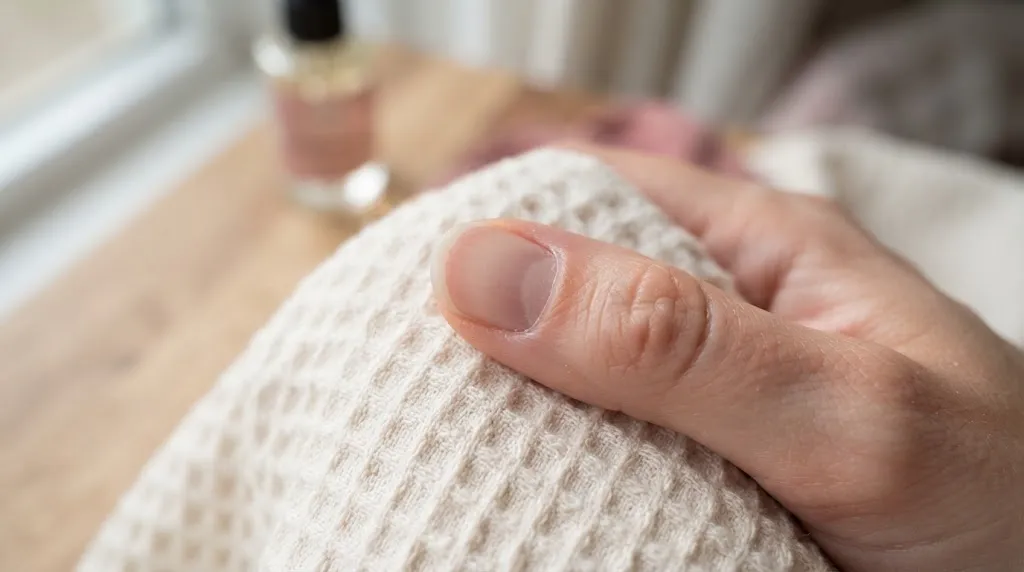
Look closely at one of your fingernails. The hard, visible surface is your nail plate. The skin bordering its base and two sides forms the nail folds. These folds are living tissue, unlike the hard nail plate, which consists mainly of compacted, dead keratinized cells.
Your nail plate emerges from beneath the skin at its base. As it grows forward, the folds frame its edges and help protect the areas where the plate meets surrounding skin. They work with other structures, including the cuticle and nail bed, to support the nail unit.
You have nail folds around your toenails, too. Their basic anatomy is similar, although footwear pressure, moisture, and nail-trimming habits can create different problems on your feet.
What Are the Different Types of Nail Folds?
1. Proximal Nail Fold: The Skin at the Nail Base
The proximal nail fold is the living fold of skin at the base of your nail, just above the area where the nail plate becomes visible. It overlies part of the nail matrix, the tissue responsible for producing the nail plate.
Its underside helps form a protective seal with the emerging nail. This matters because the growing nail and surrounding tissues can be vulnerable to injury and infection when that seal is disrupted.
During a manicure, the proximal nail fold is sometimes mistaken for excess cuticle. But cutting this living fold can create small wounds, soreness, and opportunities for infection. A neat manicure doesn’t require removing it.
2. Lateral Nail Folds: The Skin Along the Sides
The lateral nail folds are the skin ridges along the left and right edges of the nail plate. They help define the nail’s side borders and protect the adjacent soft tissue.
These folds can become irritated when you pick at the edges, file aggressively into the sides, or wear enhancements that press against the skin. On toes, tight footwear and improperly trimmed nails may contribute to painful inflammation along a side fold.
If the side of a nail becomes red, swollen, or tender, don’t assume it’s just dry skin. The surrounding tissue may be inflamed, and an ingrown nail or infection could be involved.
3. How the Nail Folds Work Together
Think of your nail plate as a firm surface framed by soft protective tissue. The proximal fold covers the emerging base, while the lateral folds border the sides. Together with the cuticle’s seal, these structures help limit exposure of vulnerable nail-unit tissues to water, irritants, and microbes.
They’re not completely waterproof barriers, and they can’t prevent every infection. Still, preserving healthy skin around your nails is an important part of keeping the whole nail unit comfortable.
Are Nail Folds the Same as Cuticles?
No. Your nail folds and your cuticles are different structures. The distinction is especially important when you’re trimming or pushing back skin during a manicure.
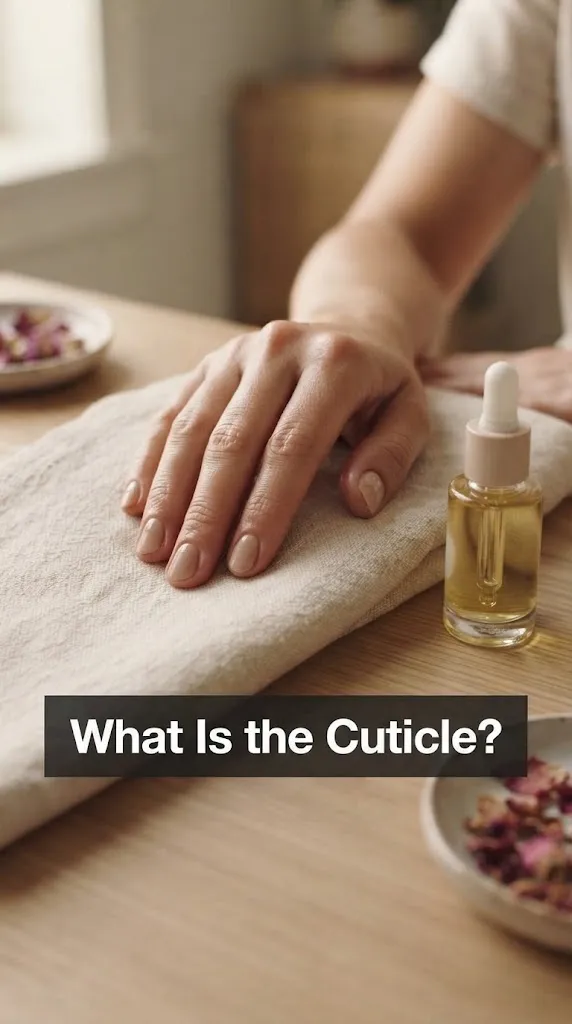
The proximal nail fold is living skin at the nail base. The cuticle is a thin layer of dead keratinized tissue that extends from beneath that fold and adheres to the nail plate. It helps create a seal between the emerging nail and surrounding skin.
In everyday salon language, people often call the entire area at the nail base the “cuticle.” That shorthand can cause confusion because a technician may refer to living skin and dead tissue using the same word.
- Nail fold: Living skin that borders and protects your nail.
- Cuticle: Thin dead tissue attached to the nail plate near its base.
- Eponychium: A term associated with living tissue on the underside of the proximal nail fold; definitions can vary across anatomy and beauty education sources.
- Nail matrix: The growth-producing tissue, much of which is hidden beneath the proximal fold.
Here’s the practical takeaway: don’t cut or tear the living skin at your nail base. You don’t need to remove the cuticle seal for healthy nails, either. If you choose cosmetic cuticle grooming, keep it minimal and gentle.
Why Are Nail Folds Important for Nail Health?
They Help Protect the Nail Growth Area
Your nail matrix produces the cells that become your nail plate. Because much of the matrix lies beneath the proximal nail fold, the overlying skin offers an important layer of protection. Trauma near the base can sometimes affect how the nail grows, particularly if the matrix itself is injured.
They Help Maintain a Protective Seal
Healthy folds and the cuticle help separate sensitive nail-unit tissue from everyday exposure. When you cut, pick, or repeatedly traumatize this area, the protective seal can break down. That can make inflammation and infections around the nail more likely.
They Provide Clues About Irritation
Your nail folds may show signs of trouble before the nail plate looks noticeably different. Persistent redness, tenderness, swelling, peeling, or separation of the cuticle from the fold can signal irritation or a medical problem that deserves attention.
What Do Healthy Nail Folds Look Like?
Healthy nail folds usually look like smooth, intact skin framing your nail. Their color varies naturally with your skin tone. They shouldn’t be persistently painful, significantly swollen, or draining fluid.
It’s normal for the skin around your nails to develop some dryness, especially after frequent handwashing or exposure to cold weather. A small hangnail can also occur when surface skin tears. Neither automatically means you have an infection.
However, recurring cracks, tenderness, and inflamed skin aren’t something to ignore. Your goal isn’t a perfectly invisible nail fold; it’s comfortable, intact skin that can do its protective job.
What Problems Can Affect Nail Folds?
Paronychia: Inflammation Around the Nail
Paronychia is inflammation of the tissue around a fingernail or toenail. Acute paronychia often develops after a break in the skin barrier and may involve infection. Symptoms can include redness, swelling, pain, warmth, and sometimes pus.
Chronic paronychia generally involves ongoing inflammation, often associated with repeated wet work or irritant exposure. It may affect more than one nail, and the protective cuticle seal may become damaged or absent.
Don’t puncture, squeeze, or attempt to drain a swollen nail fold yourself. A clinician can determine whether you need treatment, especially if an abscess is present.
Hangnails and Small Skin Tears
A hangnail is a small torn piece of skin beside a nail, not a piece of the nail itself. It may catch on clothing and tempt you to pull it away. That tug can tear healthy tissue and cause bleeding.
If a loose flap is catching, carefully clip only the already detached skin with clean, sharp nippers. Don’t cut into the attached fold. Wash the area gently, apply plain petroleum jelly, and protect it if needed.
Contact Dermatitis and Product Irritation
Polish removers, detergents, fragrances, and nail enhancement ingredients can irritate skin. Some people develop allergic contact dermatitis to ingredients such as acrylates in certain gel or acrylic nail systems.
If your nail folds become itchy, cracked, or swollen after a product application, stop using the suspected product and seek professional advice if symptoms persist. A dermatologist may recommend patch testing when allergy is suspected.
Ingrown Nails
Ingrown toenails occur when a nail edge presses into or penetrates nearby skin. The lateral fold may become tender, swollen, and inflamed. Tight shoes, nail shape, injury, and cutting toenails too short or rounding the corners can contribute.
Don’t dig into an inflamed side fold with sharp manicure tools. If the pain is substantial, redness is spreading, or drainage appears, arrange medical assessment.
Warning
Seek prompt medical care for spreading redness, severe pain, fever, or pus around a nail. If you have diabetes, poor circulation, or a weakened immune system, get professional advice early rather than trying to treat a suspected nail-fold infection yourself.
How Can You Keep Your Nail Folds Healthy?
Moisturize After Washing Your Hands
Frequent handwashing can leave the skin around your nails dry and rough. After washing, pat your hands dry and apply a fragrance-free moisturizer while the skin is still slightly damp.
Look for simple ingredients such as glycerin, petrolatum, or ceramides. These help support the skin’s moisture barrier without requiring a complicated nail-care routine.
If your skin becomes very dry, apply a thin layer of plain petroleum jelly before bed. This helps reduce moisture loss while you sleep.
You can browse fragrance-free hand moisturizers for everyday nail-fold care.
Use Cuticle Oil Gently
Cuticle oil can make dry surrounding skin feel softer and more comfortable. Apply a small drop around the nail base and sides, then massage gently.
Oil is optional. It won’t treat an infection or repair an injured nail matrix. If your folds are cracked or inflamed, a bland moisturizer or petroleum jelly may be a better starting point.
For routine care, you can explore fragrance-free cuticle oils and check the ingredient lists before choosing one.
Wear Gloves for Wet or Chemical-Heavy Tasks
Repeated dishwashing, cleaning, and prolonged water exposure can weaken the skin barrier around your nails. Wear protective gloves when working with detergents or cleaning products. If your hands sweat inside gloves, take breaks and dry them thoroughly.
For household chores, consider reusable cleaning gloves that fit comfortably without squeezing your fingers.
Keep Manicure Tools Clean
Clean tools reduce the chance of transferring dirt and microbes into damaged skin. Don’t share tools that might contact broken skin. A salon should follow appropriate cleaning, disinfection, and single-use procedures for its equipment.
If a tool causes pain, bleeding, or visible damage, stop the manicure. Nail-fold care should never require enduring injury to achieve a tidy finish.
Should You Push Back or Cut Your Nail Folds?
Don’t cut living nail folds for cosmetic reasons. Removing the protective skin at the base or sides creates unnecessary injury risk. You can have attractive natural nails, regular polish, or nail art without cutting that skin.
It’s also safest to avoid forceful pushing or scraping at the nail base. Aggressive manipulation can damage the protective seal even if the skin doesn’t visibly bleed.
If you’re preparing your nails for polish, gently wash and dry your hands, remove old polish carefully, and keep the application away from surrounding skin. You don’t need to scrape beneath the proximal fold to get a clean-looking result.
When filing, avoid digging into the lateral folds. File the free edge of the nail with light pressure and don’t repeatedly thin the sidewalls. This helps reduce unnecessary irritation during nail shaping.
What Should You Do If a Nail Fold Is Red or Swollen?
First, stop any activity that may be irritating it, including picking, cutting, and applying nail enhancements over the affected area. Gently wash the skin and keep it clean.
If the irritation is mild and there’s no pus or spreading redness, protect the area from further trauma and monitor it closely. A warm-water soak may provide comfort for some minor nail-fold inflammation, but it isn’t a substitute for treatment when infection is suspected.
If symptoms worsen, don’t improve, or include significant pain, warmth, swelling, or drainage, contact a healthcare professional. They can distinguish irritation from infection and recommend appropriate care.
A damaged cuticle seal can take time to recover. Avoid repeated grooming or wet work while the skin heals. If the problem keeps returning, a dermatologist can help identify an underlying cause such as chronic irritation or contact allergy.
What Are the Biggest Nail Fold Care Mistakes?
- Cutting living skin: This can cause wounds and compromise the protective barrier.
- Pulling hangnails: Tearing a loose flap may extend the injury into healthy tissue.
- Scraping under the nail base: Forceful tools can damage the cuticle seal and irritate the proximal fold.
- Ignoring repeated swelling: Persistent inflammation may require medical evaluation rather than another manicure product.
- Applying enhancements over damaged skin: Nail products can worsen irritation and make it harder to notice changes beneath them.
- Keeping hands wet for long periods: Frequent moisture exposure can contribute to skin barrier problems, particularly with detergents.
How Can You Build a Gentle Nail Fold Care Routine?
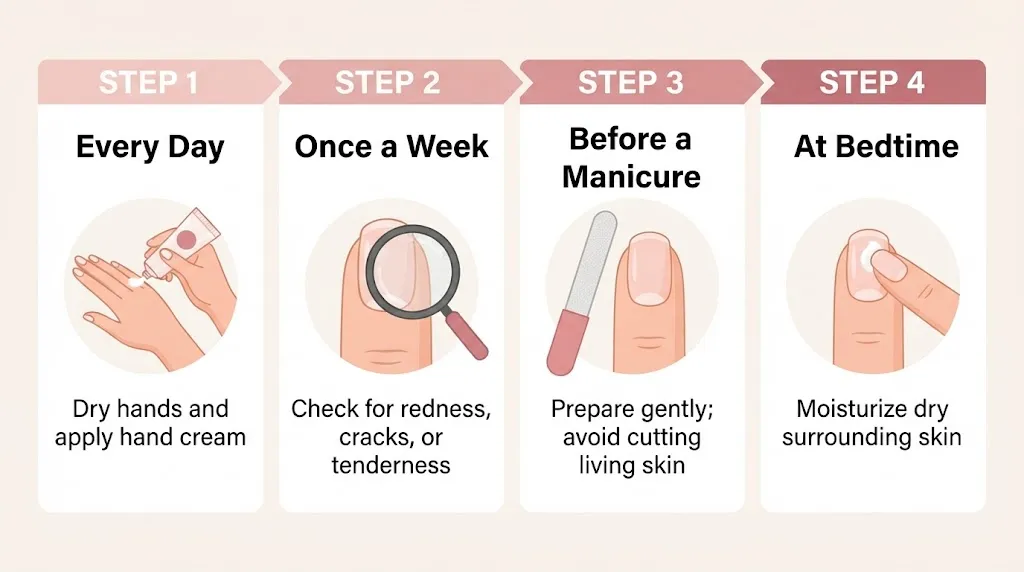
Every Day: Protect the Skin Barrier
After handwashing, dry around your fingertips and apply hand cream. Before cleaning, put on protective gloves. If you notice a rough skin edge, resist the urge to pick it during the day.
Once a Week: Check for Changes
Look at the base and sides of each nail in good light. Check for persistent redness, cracks, tenderness, or a new gap in the cuticle seal. A quick visual check is more useful than repeatedly pushing or probing the skin.
Before a Manicure: Keep Preparation Minimal
Remove polish without harsh scraping, wash your hands, and dry them completely. Shape the free edges gently and apply polish without flooding the folds. If your skin is inflamed or broken, postpone nail enhancements until it has recovered.
At Bedtime: Help Dry Skin Recover
Massage a small amount of fragrance-free moisturizer or petroleum jelly into dry surrounding skin. If you want a convenient option, browse fragrance-free hand creams for dry skin.
Pro Tip
Keep a small tube of plain hand cream near the sink you use most. Applying it immediately after drying your hands makes consistent nail-fold care easier than relying on an elaborate weekly routine.
Can Nail Fold Damage Affect Nail Growth?
Sometimes, depending on what was injured. Superficial dryness or a small hangnail generally affects the surrounding skin rather than the nail-producing tissue. More significant trauma near the nail base can potentially involve the underlying matrix and lead to nail plate changes.
You might notice ridges, grooves, or an uneven area growing forward after a substantial injury or illness. Not every nail change comes from fold damage, however. Nail conditions have many possible causes, including skin disorders, infection, and trauma.
If a nail develops a persistent new deformity, separates unexpectedly, or changes color in a concerning way, consult a dermatologist. A new or changing dark streak, especially one accompanied by pigment on surrounding skin, should be professionally evaluated rather than covered with polish.
Frequently Asked Questions About Nail Folds
Q: What are nail folds made of?
A: Nail folds are living skin structures containing layers of skin tissue, blood vessels, and nerves. They differ from the hard nail plate, which is composed of compacted keratinized cells.
Q: Is the proximal nail fold the same as the cuticle?
A: No. The proximal nail fold is living skin at the base of your nail. The cuticle is a thin layer of dead tissue adhering to the nail plate and contributing to the protective seal.
Q: Why do my nail folds hurt after a manicure?
A: Pain may follow aggressive cuticle work, filing, chemical irritation, or injury. Persistent swelling, warmth, pus, or increasing pain may indicate infection and should be medically assessed.
Q: Can damaged nail folds heal?
A: Minor superficial skin damage often heals with protection and gentle care. More serious injury, recurring inflammation, or damage involving the nail matrix may need medical treatment.
Q: Should nail folds be removed for gel nails?
A: No. Healthy living nail folds should not be removed for gel polish or other enhancements. Careful product placement and gentle preparation are safer than cutting protective skin.
Keep Your Nail Folds Healthy and Your Manicures Beautiful
Your nail folds are living protective skin, not extra tissue you need to remove. Gentle moisturizing, avoiding aggressive grooming, and recognizing early signs of inflammation can help keep the skin around your nails comfortable.
Save this guide to your Pinterest nail-care board so you can check your nail anatomy before your next manicure.

Hi, I’m Jessica, the creator behind Unique Lash & Nails Katy.
I created this website for anyone who loves beautiful nails as much as I do. Here, I share trendy nail designs, seasonal manicure ideas, easy nail care tips, honest product recommendations, and step-by-step guides to help you create salon-worthy nails at home. Whether you’re looking for everyday inspiration or your next favorite nail trend, I hope you’ll find something you love.