Why Do Nails Become Brittle With Age? Causes & Care
Quick Answer
Nails often become brittle with age because nail growth slows and age-related changes affect the nail plate’s flexibility and structure. Years of exposure to water, detergents, harsh manicures, and everyday wear can make splitting and peeling worse. Regular moisturizing, protective gloves, gentle filing, and shorter nails can reduce breakage. Persistent or unusual nail changes may need a medical evaluation.
Have you noticed that your nails break more easily than they used to? Maybe your once-smooth fingernails now have ridges, peel at the tips, or split whenever you try to grow them longer.
Age-related nail changes are common, but that doesn’t mean you have to accept constant breakage. Understanding why your nails become more fragile can help you choose the right care routine and recognize when something else might be affecting their health.
Here’s what happens to your nails as you get older, what makes brittleness worse, and which everyday habits can help keep them looking healthier.


Why Do Nails Become More Brittle as You Get Older?
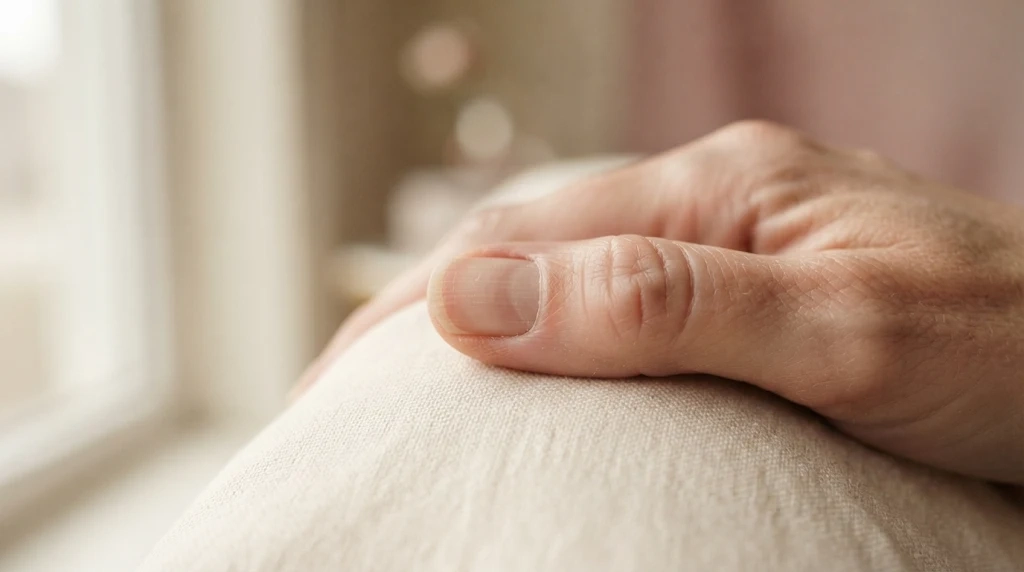
Your fingernails are made mainly of keratin, a tough structural protein also found in your hair and outer skin. New nail cells form in the nail matrix beneath the skin near the base of each nail. As new cells develop, they push older cells forward, creating the visible nail plate.
Over time, several changes can make this process less efficient and your nails more vulnerable to damage.
1. Nail Growth Naturally Slows Down
One important reason nails become brittle with age is that fingernail growth generally slows as you get older.
When your nails grow more slowly, damaged sections remain visible for longer. A small split that might have grown out relatively quickly when you were younger can become a recurring frustration.
Slower growth also means you need to be patient with nail recovery. Even after improving your daily habits, the damaged nail plate must gradually grow forward before it can be trimmed away.
2. Changes in Nail Structure Reduce Flexibility
Healthy nails need a balance of firmness and flexibility. A nail that bends slightly under everyday pressure may be less likely to snap than one that is excessively rigid.
Aging can affect the structural proteins and lipids that contribute to the nail plate’s strength and flexibility. These changes help explain why some older nails become thinner, more ridged, or easier to split.
Not everyone experiences these changes in the same way. Your genetics, health, environment, and nail-care habits all influence how your nails look and behave over time.
3. Dryness Makes Existing Brittleness More Noticeable
Your skin tends to retain less moisture as you age, and dryness around the fingertips and nail folds can become more noticeable.
Dry conditions, repeated handwashing, and frequent use of detergents can also affect your nails. Nails exposed to repeated wetting and drying may expand and contract, making their layers more likely to separate.
Moisturizer won’t permanently repair a cracked nail, but it can condition the nail surface and surrounding skin while you protect the new nail growing underneath.
For a practical moisturizing routine, see our guide on how to moisturize nails correctly.
4. Years of Everyday Wear Add Up
Think about everything your fingernails encounter during an ordinary week: washing dishes, opening containers, typing, cleaning, gardening, and removing nail polish.
These activities are not automatically harmful. However, repeated pressure, chemical exposure, and unnecessary scraping can gradually damage the nail plate.
If your nails have become less resilient with age, habits that once caused little trouble may now produce visible peeling and splitting.
5. Hormonal and Health Changes May Contribute
Hormonal changes can occur throughout adulthood, including around menopause. Some people notice changes in skin dryness and nail appearance during this period.
However, brittle nails alone cannot establish that your hormones are responsible. Thyroid disorders, nutritional deficiencies, certain skin conditions, and other health problems can also affect nail strength.
If nail changes are sudden, severe, or accompanied by other symptoms, it’s important not to assume that aging is the only explanation.
What Do Age-Related Brittle Nails Look Like?
Brittle nails don’t always look exactly the same. Some nails split into layers, while others crack lengthwise or develop more visible ridges.
Common signs include:
- Peeling tips: Thin layers separate near the free edge of the nail.
- Frequent breakage: Nails crack before reaching your preferred length.
- Vertical ridges: Lines run from the cuticle area toward the nail tip.
- Rough edges: Small splits catch on clothing, towels, or hair.
- Reduced flexibility: Nails snap instead of tolerating gentle pressure.
- Thin-looking nail plates: Some nails appear more delicate than before.
Vertical nail ridges often become more noticeable with age and are usually harmless. They are different from deep horizontal grooves, which can develop when nail growth has been interrupted.
Is It Normal for Nails to Become Brittle With Age?
Yes. Mild brittleness can be a normal age-related change. According to the American Academy of Dermatology, brittle nails affect approximately 20% of people, and the condition is especially common among older women.
Normal aging may explain gradual changes such as slightly slower growth, mild vertical ridges, and increased susceptibility to splitting.
However, normal doesn’t mean every change should be ignored.
A nail that suddenly changes color, separates from the nail bed, becomes painful, or develops an unusual dark streak deserves medical attention.
The most useful distinction is whether your nail changes are gradual and relatively mild or sudden, progressive, and accompanied by other symptoms.
What Makes Brittle Nails Worse as You Age?
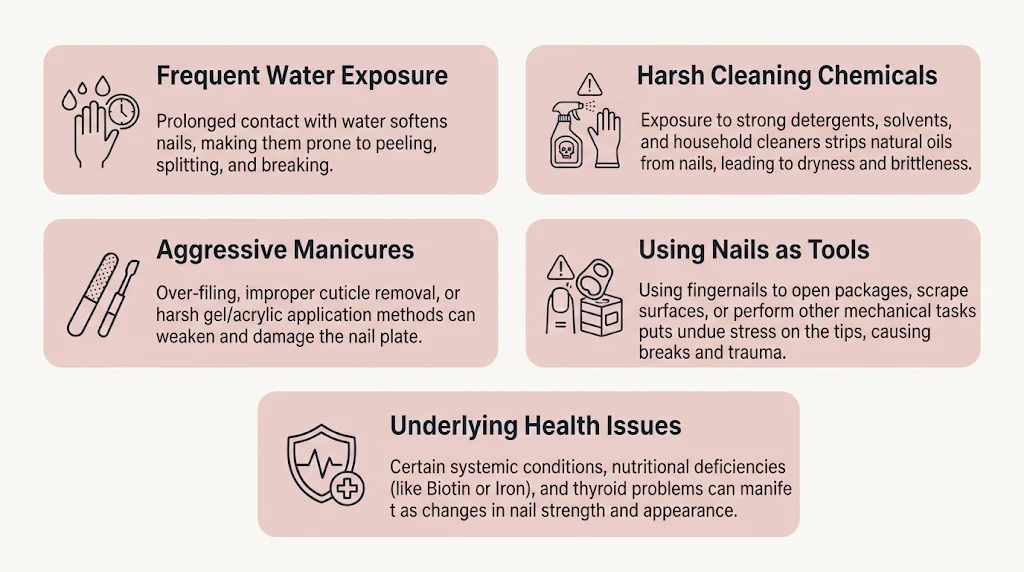
Aging is only one part of the picture. Several avoidable exposures can make already fragile nails more likely to break.
Frequent Exposure to Water
Long periods of dishwashing, cleaning, or soaking can repeatedly saturate your nail plates. When nails dry again, their structure contracts.
This repeated cycle can contribute to peeling and splitting, especially at the tips.
Harsh Cleaning Products
Household detergents, degreasers, and other cleaning chemicals can irritate the skin around your nails and contribute to dryness.
Protective household gloves help reduce direct contact with these products.
Aggressive Manicure Techniques
Overbuffing, forcefully removing gel polish, scraping the nail surface, and repeatedly applying artificial nails can damage the natural nail plate.
For aging nails that already split easily, preserving the existing nail layers becomes particularly important.
Using Fingernails as Tools
Opening packages, scraping labels, and prying objects apart can put concentrated pressure on the nail tip.
These small mechanical stresses may cause splits that extend farther into the nail over time.
Underlying Medical Conditions
Thyroid problems, iron deficiency, psoriasis, and fungal infections can sometimes produce brittle or abnormal nails.
These conditions require different approaches. A moisturizer may help dryness, but it cannot correct an iron deficiency, treat an infection, or manage an untreated thyroid condition.
How Can You Strengthen Brittle Nails as You Age?
You cannot stop the natural aging process, but you can reduce avoidable damage and give your nails a better chance to grow without breaking.
The most useful approach combines consistent moisture, protection during chores, and gentle nail maintenance.
1. Moisturize Your Nails and Cuticles Every Day
Apply a fragrance-free hand cream over your fingers, nail plates, and cuticle areas after washing your hands.
Choose a cream with moisturizing ingredients such as glycerin, petrolatum, or urea if your skin tolerates them.
When your cuticles feel especially dry, a small amount of cuticle oil can provide additional conditioning.
You don’t need an expensive nail-growth serum. Simple products used consistently are often more practical than an elaborate routine.
2. Protect Your Hands During Wet Chores
Wear waterproof household gloves when washing dishes, cleaning surfaces, or handling detergents.
Choose a pair that fits comfortably and remove them if the inside becomes excessively damp.
After finishing, dry your hands gently and apply moisturizer.
This habit is especially helpful if your nails peel after frequent cleaning or prolonged water exposure.
3. Keep Your Nails at a Manageable Length
Long nails experience greater leverage when they catch on objects or experience pressure.
Keeping brittle nails relatively short can reduce the chance of a small crack turning into a painful break.
Trim with clean, sharp clippers and shape the corners gently instead of cutting deeply into the sides.
4. File Rough Edges Carefully
A fine-grit nail file or smooth glass file can help prevent a small snag from becoming a larger split.
Use light pressure and avoid repeatedly sawing across the nail edge.
Focus on smoothing the free edge rather than buffing away layers from the top of the nail plate.
5. Give Damaged Nails a Break From Aggressive Treatments
If your nails are already thin or peeling, consider reducing gel manicures, acrylic applications, aggressive buffing, and frequent acetone exposure.
Remove existing products according to their instructions instead of pulling or peeling them off.
Read our guide on strengthening nails after gel polish if your brittleness became noticeable after a manicure.
6. Eat a Balanced Diet
Your body needs adequate protein, vitamins, and minerals to support normal nail production.
Include varied protein sources, vegetables, fruits, whole grains, and iron-containing foods as part of your regular diet.
However, taking extra vitamins doesn’t automatically make nails stronger. Supplements are most useful when they address a confirmed deficiency or a specific medical need.
Important Safety Note
Don’t start high-dose biotin or iron supplements simply because your nails are brittle. Evidence for biotin in otherwise healthy people is limited, and biotin can interfere with certain medical laboratory tests. Excess iron can also be harmful. Ask a healthcare professional whether testing or supplementation is appropriate.
What Is the Best Daily Nail Care Routine for Aging Nails?
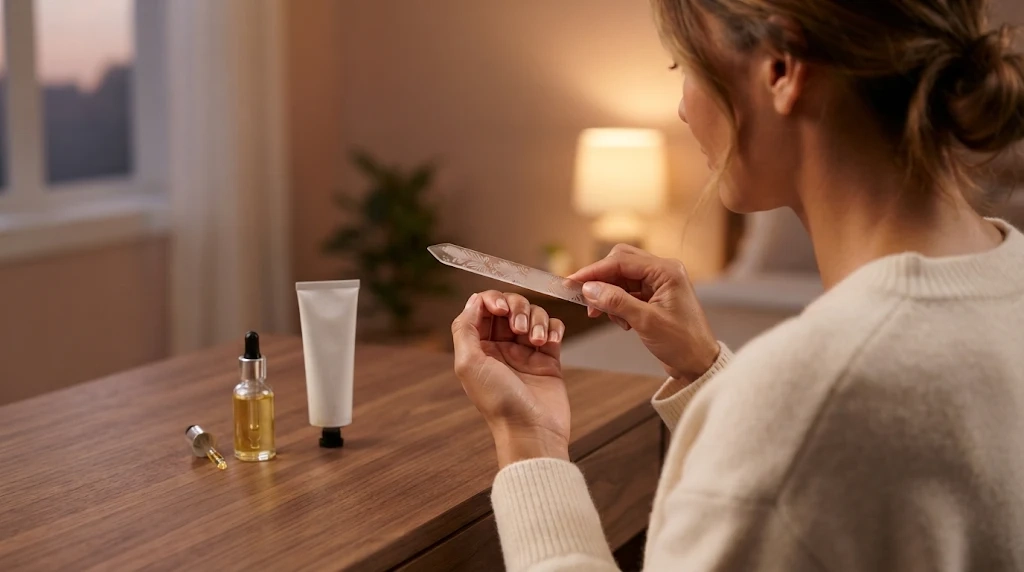
Once your nails start feeling fragile, consistency matters more than complicated treatments.
A straightforward daily routine can help minimize avoidable damage.
Morning: Moisturize and Inspect
After washing and drying your hands, apply hand cream to each nail and the surrounding skin.
Check for rough edges that might catch on your clothes during the day. If necessary, smooth them gently with a fine file.
During the Day: Protect Against Repeated Stress
Reapply moisturizer after handwashing when practical, especially if your hands feel dry.
Use gloves for wet cleaning tasks and avoid using your fingernails to open packages or scrape surfaces.
Evening: Condition the Nail Area
Before bed, massage a small amount of moisturizer over your fingertips and cuticle areas.
If your skin is particularly dry, apply a thin layer of plain petroleum jelly over the moisturizer.
Soft cotton gloves are optional if you prefer keeping the treatment on your hands overnight.
Pro Tip
Keep a small hand cream beside the sink you use most often. Applying it after ordinary handwashing makes moisturizing easier to maintain than relying on a once-a-week intensive treatment.
For additional daily maintenance advice, explore our daily nail care routine for healthier nails.
What Should You Do and Avoid With Brittle Aging Nails?
Do
- Moisturize nails daily.
- Use gloves during cleaning.
- Keep fragile nails short.
- File rough tips gently.
- Protect your cuticles.
- Eat a balanced diet.
Don’t
- Peel off gel polish.
- Overbuff the nail surface.
- Use nails as tools.
- Cut cuticles aggressively.
- Overuse harsh hardeners.
- Take supplements without need.
Which Products Help Care for Brittle Nails?
You don’t need a large collection of nail treatments. For most people, a good moisturizer, protective gloves, and a gentle nail file are useful starting points.
Choose products based on the problems you actually experience, rather than promises of instant nail growth or permanent repair.
Recommended Product
Fragrance-Free Moisturizing Hand Cream
A rich, fragrance-free cream helps condition dry nail folds and fingertips. Look for ingredients such as glycerin or petrolatum, and use it regularly after washing.
As an Amazon Associate, we earn from qualifying purchases.
Recommended Product
Jojoba Nail and Cuticle Oil
A lightweight cuticle oil is a convenient option for conditioning dry nail surfaces and surrounding skin. It won’t cure an underlying medical cause or permanently rebuild damaged nail layers.
As an Amazon Associate, we earn from qualifying purchases.
Recommended Product
Fine Glass Nail File
A smooth glass file can help tidy fragile nail tips with gentle pressure, reducing snagging without the need for aggressive buffing.
As an Amazon Associate, we earn from qualifying purchases.
How Long Does It Take for Brittle Nails to Improve?
Some aspects of your nails can look and feel better relatively quickly. Moisturizing may improve the comfort of dry cuticles within days, and filing a rough edge can immediately reduce snagging.
However, a damaged nail plate doesn’t heal the way living skin does.
Visible structural improvement depends on growing new nail from the matrix. Fingernails commonly take around four to six months to grow out completely, although individual growth rates vary and may slow with age.
This means you might need several months of consistent protection before the most damaged portions disappear.
Taking photos of your nails once a month can make gradual changes easier to recognize without constantly checking them.
If your nails continue to deteriorate despite gentle care, consider having a healthcare professional assess the cause.
Can Brittle Nails Be a Sign of a Vitamin Deficiency?
Sometimes, but not always.
Iron deficiency and certain nutritional problems can contribute to abnormal nail changes. However, ordinary brittleness is frequently related to age, repeated water exposure, and external damage rather than a missing supplement.
Iron deficiency may occasionally cause thin, fragile nails or spoon-shaped nails, a condition called koilonychia.
Other health issues, including thyroid disorders, may also affect nail texture.
If you notice brittle nails along with persistent fatigue, unexplained hair changes, unusual weakness, or other symptoms, ask a healthcare professional whether testing is needed.
Do not diagnose yourself from your nail appearance alone. Similar nail changes can have several different explanations.
When Should You See a Doctor About Brittle Nails?
Most mild, gradually developing brittleness is not an emergency. Still, some nail changes are important medical warning signs.
When to Seek Medical Advice
Arrange a medical evaluation if you develop a new or changing dark streak, unexplained nail lifting, significant pain, swelling, bleeding, persistent yellowing or thickening, or sudden changes affecting several nails. Painful redness, pus, or rapidly worsening swelling should be assessed promptly.
A dermatologist can examine the nail plate, surrounding skin, and nail growth pattern to help determine whether the changes are age-related, caused by external damage, or associated with another condition.
Identifying the cause is important because moisturizers and cosmetic treatments won’t correct every nail problem.
Frequently Asked Questions About Brittle Nails and Aging
Q: At what age do nails start becoming brittle?
A: There is no specific age when everyone’s nails become brittle. Changes can develop gradually throughout adulthood and are more common later in life. Genetics, daily habits, medical conditions, and environmental exposure all influence when brittleness becomes noticeable.
Q: Can brittle nails become strong again?
A: Brittle nails can often become less prone to breaking when you reduce damage and maintain gentle care. The already damaged portion won’t permanently repair itself, but healthier-looking new nail may grow in over several months.
Q: Does menopause cause brittle nails?
A: Some people notice nail and skin changes around menopause, but brittle nails are not specific proof of a hormonal cause. Aging, environmental exposure, thyroid conditions, and nutritional problems may also contribute.
Q: What is the best oil for aging brittle nails?
A: Jojoba-based cuticle oil is a convenient moisturizing choice, but there is no single oil proven to reverse age-related brittleness. Plain petroleum jelly or a fragrance-free moisturizing cream can also help condition dry nails and surrounding skin.
Q: Why do my fingernails split vertically as I get older?
A: Vertical ridges can become more noticeable with age, and brittle nail plates may develop lengthwise cracks. Repeated trauma and dryness can worsen splitting. Deep, painful, sudden, or persistent changes should be examined by a dermatologist.
How Can You Keep Your Nails Healthier as You Age?
Nails become brittle with age for several reasons, including slower growth, changes in nail structure, and increased vulnerability to repeated everyday damage.
You can’t reverse natural aging, but you can make your nail-care routine gentler. Start with daily moisturizing, protective gloves, shorter nail lengths, and careful filing. These simple habits can help reduce breakage while new nails grow.
And remember: unusual or worsening nail changes deserve medical attention rather than another cosmetic treatment.
Save this guide on Pinterest so you can return to these simple nail-care habits whenever your nails need extra attention.

Hi, I’m Jessica, the creator behind Unique Lash & Nails Katy.
I created this website for anyone who loves beautiful nails as much as I do. Here, I share trendy nail designs, seasonal manicure ideas, easy nail care tips, honest product recommendations, and step-by-step guides to help you create salon-worthy nails at home. Whether you’re looking for everyday inspiration or your next favorite nail trend, I hope you’ll find something you love.