Common Nail Recovery Mistakes: 12 Fixes That Help
Quick Answer
The most common nail recovery mistakes include peeling off gel polish, over-buffing thin nails, applying new enhancements too soon, skipping moisturizer, and expecting damaged nails to repair overnight. Your best recovery plan is to keep nails short, moisturize regularly, protect them from repeated trauma, and allow healthy new nail to grow. Pain, swelling, or unusual discoloration needs professional attention.
You’ve finally removed your gel polish or acrylics, but your natural nails look thin, flaky, or unusually fragile. You want them to feel healthy again, yet some popular recovery tricks can make the problem worse.
Understanding common nail recovery mistakes helps you avoid unnecessary damage while your nails grow. You don’t need an expensive collection of treatments. You need gentle habits, realistic expectations, and a little consistency.
Here’s what to stop doing, what to try instead, and how to recognize when your nails need more than at-home care.


Why Do Nails Struggle to Recover After Damage?
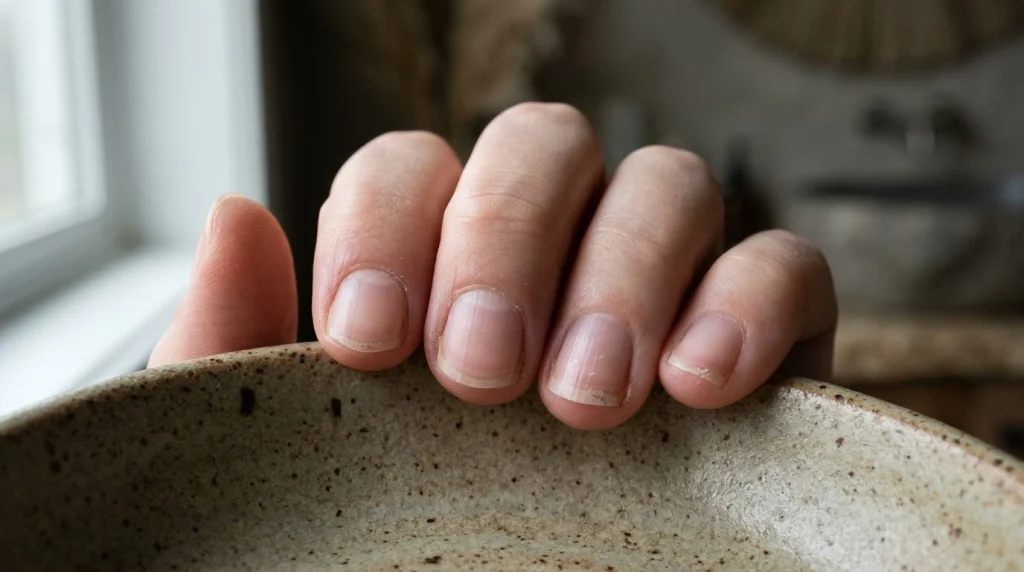
Your nail plate is made primarily of keratin, a tough protective protein. When filing, peeling, aggressive removal, or repeated manicures damage its layers, the existing nail cannot simply rebuild the missing material.
Instead, healthy new nail gradually grows from the nail matrix beneath the base of your nail. This is why nail recovery requires time, even when your daily care routine is excellent.
Common reasons your nails may become fragile include:
- Improper gel removal: Peeling or scraping can remove superficial nail layers.
- Excessive filing: Repeated buffing can leave your nail plate thinner.
- Frequent water exposure: Repeated wetting and drying can contribute to brittleness and splitting.
- Physical trauma: Long nails can catch on objects and develop cracks.
- Skin irritation: Harsh products and damaged cuticles may affect the surrounding skin.
Some nail changes can also come from infection, inflammatory skin conditions, or other medical causes. Not every weak or discolored nail is the result of a manicure.
12 Common Nail Recovery Mistakes You Should Avoid
1. Peeling Off Gel Polish Instead of Removing It Properly
Peeling gel polish may feel satisfying, especially when the edges have already started lifting. Unfortunately, the gel can pull away superficial layers of your natural nail plate.
This may leave your nails rough, uneven, or more vulnerable to splitting. Trying to smooth out the damage afterward can make things worse.
What to do instead: Follow the removal instructions for the specific nail product. Some soak-off gels can be removed with carefully controlled acetone exposure, while other enhancements require professional filing or removal.
Never force off material that remains firmly attached. If removal becomes difficult or painful, stop and ask a qualified nail technician for help.
Recovery tip: Once your enhancements are removed, keep your natural nails short and avoid further scraping.
2. Over-Buffing Nails to Make Them Look Smooth
After removing gel or acrylics, you might notice ridges, rough patches, and an uneven surface. Your first instinct may be to buff everything until your nails look shiny again.
That approach can remove more material from an already weakened nail plate.
Buffing doesn’t restore missing keratin. It simply changes the surface by removing material, which is particularly risky when your nails are thin or sensitive.
What to do instead: Leave harmless surface irregularities alone while the damaged portion grows forward. Use a gentle file only to smooth sharp free edges that could snag.
If your nails bend easily or feel sore, avoid cosmetic buffing entirely.
For a more detailed routine, see our guide on caring for weak nails after gel or acrylic removal.
3. Applying New Acrylics or Gel Too Soon
Covering damaged nails with another manicure can seem like an easy solution. A fresh set hides peeling, ridges, and broken tips almost immediately.
However, new enhancements may require more preparation, filing, adhesives, or removal procedures. These additional steps can place stress on nails that are already compromised.
What to do instead: Give visibly damaged nails time without enhancements, especially if they are tender, peeling, lifting, or extremely thin.
There isn’t one medically established waiting period that works for everyone. The appropriate break depends on the type and severity of damage.
Remember that nails don’t need to breathe. A manicure break is useful because it reduces repeated chemical exposure and mechanical trauma, not because nails absorb oxygen from the air.
4. Cutting or Pushing Back Your Cuticles Aggressively
During nail recovery, it’s tempting to remove every bit of dry skin around the nail. But your cuticle serves an important protective function.
Cutting living cuticle tissue or pushing it back aggressively can create small openings that increase the risk of irritation and infection.
What to do instead: Apply a little moisturizer or cuticle oil to the surrounding skin. Avoid cutting or digging into the cuticle area.
If you have a hangnail, carefully clip only the loose piece of skin with clean tools. Never pull or bite it.
Healthy-looking cuticles don’t have to be perfectly trimmed. Protecting this area matters much more than achieving a flawless salon appearance.
5. Picking at Peeling Nails or Filing Away Every Split
When the top layers of your nails begin peeling, you may want to pull away the loose pieces. Unfortunately, picking can extend a small split farther into the nail plate.
Repeatedly filing down the entire nail surface to hide peeling creates a similar problem.
What to do instead: Keep nails short and carefully smooth only rough free edges with a fine-grit file. Avoid digging between layers of the nail.
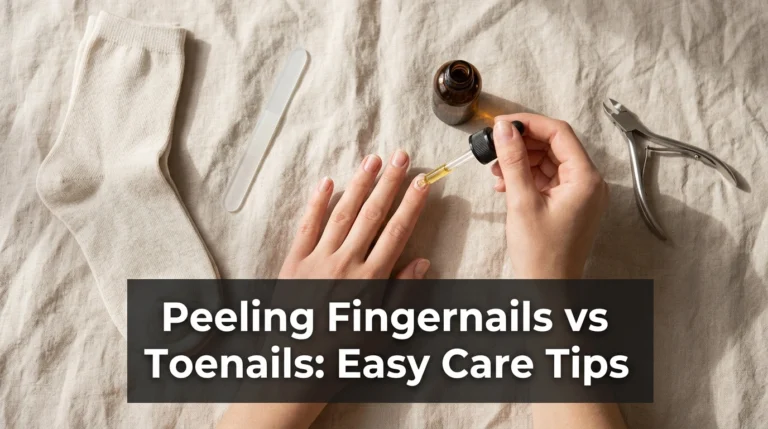
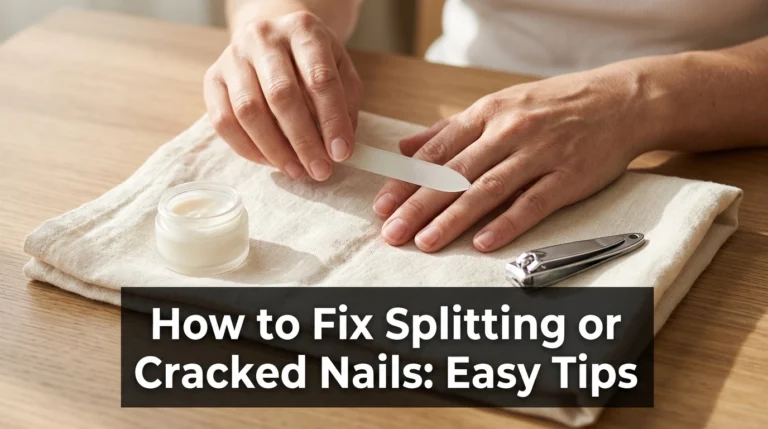
A glass nail file can be useful for gently shaping the free edge when used without excessive pressure.
If peeling continues, follow our guide to caring for peeling nails after gel or acrylic removal for additional protective habits.
Deep splits, bleeding, or cracks extending into attached nail tissue should not be managed by aggressive filing or home adhesives.
6. Keeping Your Nails Too Long During Recovery
Long nails can look beautiful, but they also create more leverage when they catch on clothing, hair, or everyday objects.
For already weakened nails, that extra force may contribute to bending, splitting, or painful breakage.
What to do instead: Keep your nails at a comfortable short length, with free edges that don’t extend far beyond your fingertips.
Choose a gently rounded or squoval shape without sharp corners that easily snag.
Trim carefully using clean nail clippers. If your nails are extremely fragile, take small cuts rather than forcing the clipper through a large section.
You can grow your nails longer again once the damaged portions have grown out and your nails tolerate everyday activity without frequent breakage.
7. Skipping Moisturizer and Cuticle Oil
One of the easiest nail recovery mistakes to correct is neglecting daily moisturizing.
Frequent handwashing, household cleaners, and dry environments can leave your nails and surrounding skin feeling rough. Dry, brittle nails are more likely to crack or split under stress.
What to do instead: Apply a fragrance-free hand cream after washing your hands. Massage a small amount into your nails and surrounding skin.
You can also try jojoba-based cuticle oil to condition dry nail surfaces and cuticles.
A simple bedtime routine works well:
- Wash your hands gently and pat them dry.
- Apply moisturizer to your hands, nails, and cuticles.
- Massage lightly without pushing or picking at your cuticles.
- Repeat regularly, particularly after handwashing.
Important: Oils and creams can help reduce dryness, but they cannot permanently replace nail layers that have already been removed.
8. Cleaning and Washing Dishes Without Protection
Repeated exposure to water and cleaning chemicals can make nail recovery more difficult.
Your nails absorb and release water. Frequent cycles of wetting and drying may increase brittleness, especially when the nail plate is already weakened.
Detergents can also remove oils from your skin and contribute to irritation.
What to do instead: Wear well-fitting household gloves when washing dishes or using cleaning products. Consider cotton-lined cleaning gloves if ordinary rubber gloves feel uncomfortable.
Remove the gloves after the task, dry your hands thoroughly, and apply moisturizer.
Avoid keeping your hands inside damp gloves for extended periods, because trapped moisture can irritate skin.
For additional ideas, explore our guide on protecting nails after gel removal.
9. Repeatedly Using Harsh Removers and Chemical Treatments
Acetone is an effective remover for compatible nail products, but repeated or unnecessarily prolonged exposure may leave nails and nearby skin feeling dry.
Another mistake is experimenting with household chemicals, harsh scraping tools, or unapproved removal techniques to dissolve stubborn enhancements.
What to do instead: Use products according to their instructions. Limit remover contact to what is needed and avoid repeatedly soaking nails without a clear purpose.
After proper removal, wash your hands gently and apply moisturizer.
Don’t use household bleach, strong cleaning solvents, or unknown chemical mixtures to remove nail products.
When you’re unsure whether your enhancement is soak-off or file-off, professional removal is safer than guessing.
10. Expecting Nail Hardeners or Supplements to Fix Everything
Products promising dramatically stronger nails in a few days can sound especially appealing when your natural nails are damaged.
Some protective nail coatings may temporarily improve appearance or reduce everyday snagging. However, they cannot recreate missing nail layers.
Certain hardening formulas can also cause irritation or make some nails excessively rigid if used incorrectly.
What to do instead: Choose products based on your nails’ condition, follow label instructions, and discontinue anything that causes burning, redness, or worsening brittleness.
Be cautious with supplements marketed for rapid nail growth. There’s limited evidence that extra biotin benefits people without a deficiency, and high-dose biotin can interfere with some medical laboratory tests.
A varied diet and treatment of any underlying nutritional problem are more meaningful than taking random high-dose supplements.
11. Covering Unusual Nail Changes Instead of Checking Them
Not every nail problem is cosmetic damage. Sometimes a change that appears after a manicure has another cause.
For example, persistent discoloration, nail lifting, swelling, or thickening may need medical assessment. Applying polish or another enhancement can make it harder to monitor changes.
What to do instead: Inspect your nails in natural light before using new products.
Watch for changes such as:
- Increasing redness or swelling around the nail.
- Greenish discoloration or unusual drainage.
- Persistent pain or tenderness.
- A nail separating from the underlying skin.
- A new or changing dark stripe without an obvious explanation.
These findings don’t all mean the same thing, and their causes vary. Contact a qualified healthcare professional rather than attempting to diagnose them from photographs or home remedies.
12. Giving Up on Recovery After Only One Week
Nail recovery can be frustrating because visible improvement is often gradual.
You might moisturize every day, avoid gel polish, and still notice the same peeling areas after a week. That doesn’t necessarily mean your routine isn’t helping.
The already damaged nail plate must move forward with normal nail growth.
What to do instead: Focus on preventing new damage rather than expecting existing damage to disappear immediately.
Take a clear photograph of your nails once every few weeks under similar lighting. You may notice smoother new growth near the base even while the older ends remain fragile.
Consistency is more useful than frequently switching between treatments.
Important Safety Warning
Home care is appropriate for minor cosmetic nail damage, not serious injuries or suspected infections. Seek medical care for worsening pain, warmth, redness, swelling, pus, or significant nail lifting. A new or changing dark nail streak also deserves professional assessment. Don’t seal a painful, bleeding, or infected-looking nail beneath acrylic, gel, or glue.
What Should You Do Instead? A Simple Nail Recovery Routine
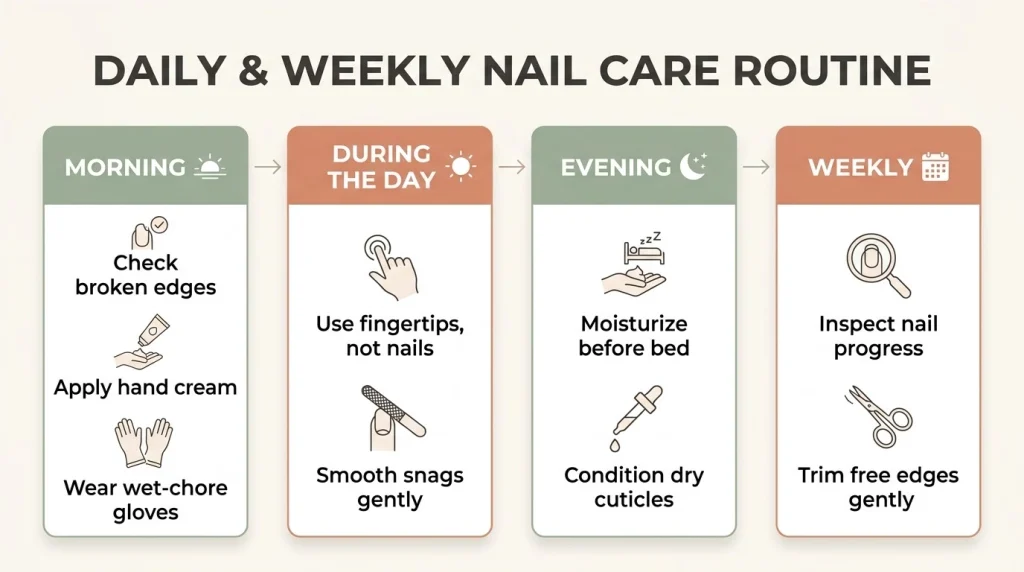
After avoiding the most common nail recovery mistakes, your next goal is to build a routine that’s gentle enough to follow every day.
You don’t need ten different products. Start with these practical habits.
Morning: Protect Your Nails
- Check for broken edges that could catch on clothing.
- Apply fragrance-free hand cream after washing.
- Avoid using your nails to open packages or scrape surfaces.
- Wear protective gloves for wet household chores.
During the Day: Prevent Repeated Trauma
Use your fingertips rather than your nails when opening containers, typing on difficult surfaces, or handling small objects.
If an edge snags, smooth only the rough free edge. Avoid picking at attached layers of the nail plate.
Evening: Moisturize Consistently
Before bed, apply hand cream or a simple emollient to your nails and surrounding skin.
Pay particular attention to dry cuticles and cracked skin. Don’t massage open wounds or irritated areas with fragranced cosmetic products.
Weekly: Check Your Progress
Once a week, examine your nails for new cracks, lifting, discoloration, or irritation.
Trim or gently shape free edges as needed. There’s no reason to buff the entire nail surface every week.
If an isolated nail is deeply split, follow more specific guidance on caring for split or cracked nails, and seek medical help if the split reaches living tissue.
Pro Tip
Watch the new nail growing from the base, not just the damaged tips. A smoother band of new growth can be a more useful sign of progress than how the old, peeling free edge looks today. Take photographs every few weeks instead of checking repeatedly throughout the day.
What Are the Biggest Dos and Don’ts During Nail Recovery?
Do
- Keep fragile nails short.
- Moisturize nails and surrounding skin.
- Wear gloves for wet cleaning tasks.
- Use clean manicure tools.
- Allow damaged nail to grow out.
- Seek help for concerning changes.
Don’t
- Peel off gel or acrylic products.
- Over-buff thin nail plates.
- Cut or injure your cuticles.
- Pick at peeling nail layers.
- Expect overnight regrowth.
- Ignore pain or unusual discoloration.
How Long Does It Take for Damaged Nails to Recover?

The recovery timeline depends on how much of the nail was damaged, whether the nail matrix was affected, and whether an underlying condition is present.
According to the Cleveland Clinic, fingernails typically grow about 3 millimeters per month. Complete replacement of a fingernail generally takes several months and may take six months or longer.
Here’s a practical way to understand the timeline:
- First few days: Moisturizing may improve dryness and the feeling of roughness, but it doesn’t reverse structural nail damage.
- First few weeks: Protecting nails may reduce repeated snagging and breakage. Visible regrowth can still be limited.
- Following months: New nail gradually replaces older damaged sections, assuming the nail growth area remains healthy.
- Several months later: A damaged fingernail may be substantially replaced, although severe injuries and medical conditions can affect the result.
Toenails grow more slowly than fingernails and may require a year or longer to fully replace.
If your nails continue to deteriorate despite gentle care, or you notice persistent changes without an obvious cause, arrange a medical evaluation.
What If Your Nails Are Still Weak or Peeling?
Your nails keep splitting at the tips
Try this: Keep them short, gently smooth snagging edges, and limit unnecessary trauma. If cracks become deep or painful, seek professional advice.
Your cuticles are dry and peeling
Try this: Apply fragrance-free moisturizer regularly and avoid trimming intact cuticles. Watch for redness, increasing tenderness, or swelling.
Your nails feel thin after acrylic removal
Try this: Avoid extra buffing and new enhancements. Protect the nail plate while healthy new nail grows. Persistent pain or marked thinning should be assessed.
Your nails are changing color or lifting
Try this: Don’t cover the change with another manicure. Consult a healthcare professional to determine whether injury, infection, or another condition is responsible.
Frequently Asked Questions About Nail Recovery Mistakes
Q: What is the biggest mistake when trying to recover damaged nails?
A: Continuing to remove nail products aggressively or repeatedly buffing fragile nails can cause additional damage. Gentle care and protecting new growth are more useful than trying to smooth away every imperfection.
Q: Can damaged nails recover naturally?
A: Many mildly damaged nails can regain a healthier appearance as new nail grows and replaces the damaged portion. Recovery depends on the cause and whether the nail matrix remains healthy.
Q: Should I stop wearing nail polish while my nails recover?
A: Taking a break from gel, acrylic, or other enhancements may help reduce repeated filing and removal trauma. If nails are painful, lifting, or unusually discolored, avoid covering them until the cause is assessed.
Q: Does cuticle oil make damaged nails grow faster?
A: Cuticle oil can condition dry skin and nail surfaces, but there’s no reliable evidence that ordinary cuticle oil substantially accelerates nail growth. Its main benefit is supporting comfortable, gentle care.
Q: Why are my nails still peeling after several weeks?
A: The damaged portions may still be present because fingernails grow slowly. Repeated moisture exposure, picking, or further filing can also contribute. Persistent unexplained peeling warrants professional evaluation.
Give Your Nails Time to Recover
Avoiding common nail recovery mistakes isn’t about finding a miracle product. It’s about stopping repeated damage while protecting the healthy nail growing underneath.
Keep your nails short, moisturize consistently, remove enhancements carefully, and pay attention to changes that need medical care.
Progress may be gradual, but a gentle, repeatable routine gives your nails a better chance to grow without additional damage.
Save this guide to Pinterest so you can revisit these nail recovery tips whenever your natural nails need extra attention.
Editorial note: This article provides general nail-care information and is not a substitute for diagnosis or treatment by a healthcare professional.
As an Amazon Associate, we earn from qualifying purchases.
References and Further Reading
- American Academy of Dermatology: Gel Manicures and Healthy Nails
- American Academy of Dermatology: Reducing Artificial Nail Damage
- Cleveland Clinic: Fingernail Anatomy and Growth
- Mayo Clinic: Fingernail Care Dos and Don’ts

Hi, I’m Jessica, the creator behind Unique Lash & Nails Katy.
I created this website for anyone who loves beautiful nails as much as I do. Here, I share trendy nail designs, seasonal manicure ideas, easy nail care tips, honest product recommendations, and step-by-step guides to help you create salon-worthy nails at home. Whether you’re looking for everyday inspiration or your next favorite nail trend, I hope you’ll find something you love.