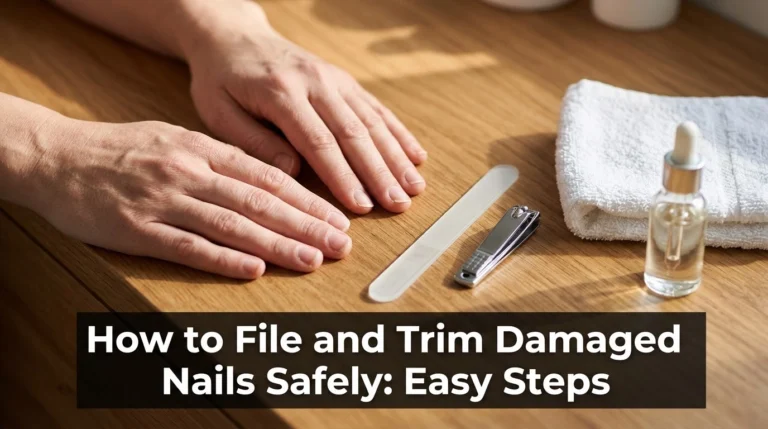
How Long Should You Rest Nails After Enhancements?
Quick Answer
After gel manicures, dermatologists recommend taking a polish break of one to two weeks or longer. For repeat gel or dip powder manicures, a one-month break after removal is a more cautious recommendation. Acrylic enhancements have no universal rest period, so your nails’ condition matters most. If your nails are thin, peeling, painful, or lifting, avoid new enhancements until the problem improves or a dermatologist advises you. Significant nail damage may take several months to grow out.
Your nails looked beautiful with acrylics, gel, or dip powder. But after removal, you might notice that your natural nails feel softer, thinner, or more fragile than usual.
Now you’re wondering whether you can book another manicure or should give your nails time to recover.
The answer depends on your nail condition, the type of enhancement, and how your previous manicure was removed. Here’s how to choose a sensible break, protect your natural nails, and recognize when they’re ready for another appointment.


How Long Should You Rest Nails After Different Enhancements?
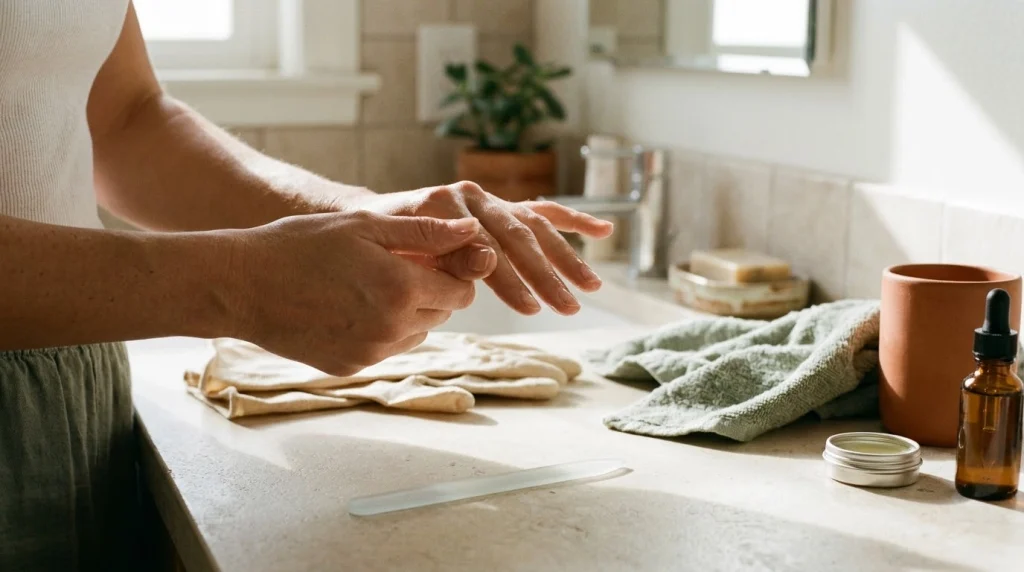
There isn’t one scientifically established recovery period that works for every nail enhancement. Your nails may need only a short break from polish, or they may need months of protection while damaged nail material grows out.
The American Academy of Dermatology (AAD) recommends taking one to two weeks or longer without polish between gel manicures. In its guidance on dip powder manicures, it also recommends waiting one month after removing gel or dip color before another such manicure.
These recommendations are useful starting points, not guarantees that weakened nails will fully recover within that time.
After Gel Nail Enhancements
If your gel manicure was removed correctly and your natural nails look healthy, consider taking at least one to two weeks without polish.
During this period, moisturize your nails and cuticles several times daily. Avoid picking, buffing, or repeatedly applying and removing polish.
For people who regularly alternate gel manicures, the AAD’s more cautious advice is to wait approximately one month before another gel or dip manicure.
If your nails remain thin, painful, or visibly damaged after that break, extending the rest period is more sensible than covering them immediately.
After Acrylic Nail Enhancements
Acrylic nails often require filing the natural nail before application. Repeated fills, aggressive removal, and accidental lifting can also contribute to damage.
Unlike gel polish, there isn’t a universal dermatologist-approved number of days you must wait after every acrylic set.
If your nails are comfortable and healthy after professional removal, discuss your next manicure with a qualified technician. However, if they’re noticeably thin or peeling, avoid new acrylics while the damaged areas grow out.
You may need several weeks or months without acrylics if substantial nail layers have been removed.
For more targeted advice, see our guide on how to protect nails after acrylic removal.
After Dip Powder Nails
Dip powder manicures usually require removal with acetone and sometimes gentle filing. Frequent removal can contribute to dryness and thinning.
The AAD recommends waiting about one month after removing dip powder before getting another dip or gel manicure.
Use that period to check your bare nails for changes, especially peeling, discoloration, unusual tenderness, or lifting.
Regular nail polish may be an option if your nails and surrounding skin are healthy, but avoid covering unexplained changes.
After Builder Gel or Hard Gel
Builder gel and hard gel can provide structure and length, but their removal methods differ. Some products are soak-off; others require careful filing.
Because unnecessary filing can thin your natural nails, the safest recovery approach depends on how much preparation and removal your nails experienced.
Don’t assume that changing from hard gel to another overlay automatically gives your nails a break. If the next manicure requires additional buffing or filing, it may increase stress on an already fragile nail plate.
Why Do Your Nails Need a Break After Enhancements?
Natural nails are made primarily of layers of keratin. These layers provide strength while allowing a small amount of flexibility.
Nail enhancements don’t necessarily cause serious damage when they’re applied and removed properly. However, several parts of the manicure process can affect your nails.
Repeated Filing Can Thin Natural Nails
Some enhancement systems require preparation of the nail surface. If too much natural nail material is filed away, the nail becomes thinner and more vulnerable to bending or splitting.
Another set won’t replace the lost nail layers. New, healthier nail must gradually grow forward to replace the damaged portion.
Acetone Can Cause Temporary Dryness
Acetone effectively dissolves certain nail products, but it can also dry the nail surface and surrounding skin.
This is why moisturizing after removal matters. It helps reduce dryness and brittleness, although it cannot permanently rebuild nail layers that have been removed.
Peeling Off Enhancements Can Remove Nail Layers
When you pull off attached gel or acrylic, pieces of the natural nail surface may come away with the product.
You might notice white patches, rough spots, peeling edges, or nails that bend more easily afterward.
If you’re already experiencing those problems, our guide to caring for peeling nails after gel or acrylic removal explains how to protect the affected areas.
Your Nails Don’t Actually Need to Breathe
It’s common to hear that natural nails need fresh air between manicures. However, the visible nail plate consists of nonliving keratin, and nails don’t need to absorb oxygen from the air.
The real benefit of a nail break is reducing repeated exposure to filing, solvents, adhesives, and mechanical pressure.
It also gives you an opportunity to examine your nails and notice changes that could otherwise remain hidden.
How Long Does It Take for Damaged Nails to Recover?
There’s an important difference between improving dryness and growing out structural nail damage.
Dryness and roughness may become less noticeable with consistent care. However, deep thinning, splits, and damaged nail layers cannot instantly return to their original condition.
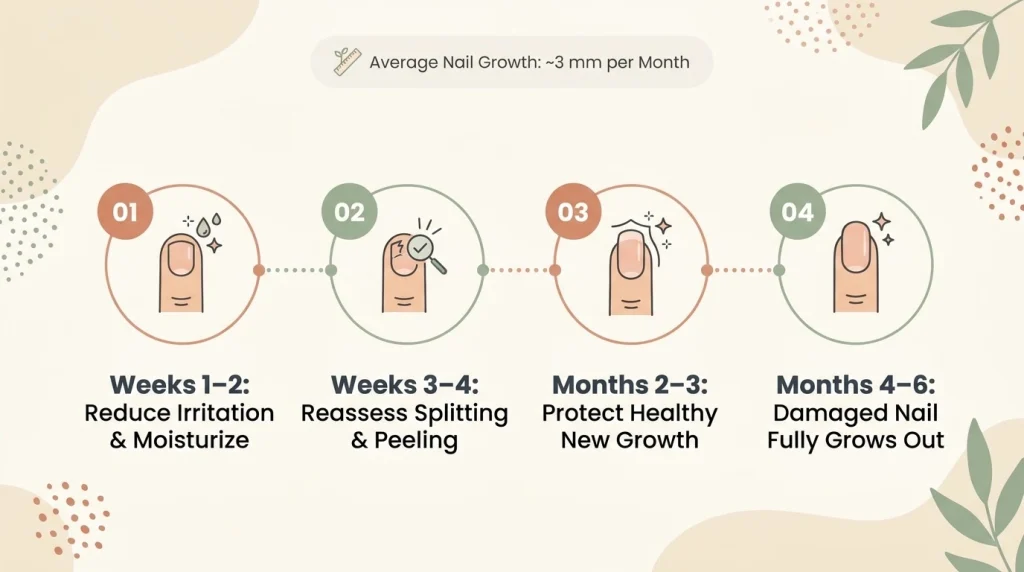
Fingernails generally grow around 3 millimeters per month, although individual growth rates vary. A complete fingernail can take approximately four to six months to grow out.
Here’s a practical way to understand the recovery process:
First 1–2 Weeks: Reduce Irritation
Focus on moisturizing, protecting nail edges, and avoiding unnecessary filing. Minor dryness may improve, but any missing nail layers will still need to grow out.
Weeks 3–4: Reassess Your Nail Condition
Check whether splitting, peeling, and tenderness have improved. Continue postponing enhancements if your nails remain fragile. Persistent changes deserve professional assessment.
Months 2–3: Protect New Growth
Healthy new nail may become more visible near the cuticle. Continue keeping your nails short enough to prevent damaged tips from catching and splitting.
Months 4–6: Damaged Portions May Grow Out
With normal growth, much of the previously damaged fingernail may be replaced. Recovery can take longer depending on the injury, your health, and whether further damage occurs.
Remember: These stages describe typical nail growth, not a guaranteed healing schedule. Severe damage or an underlying nail condition may need medical care.
What Signs Mean Your Nails Need More Rest?
Before scheduling your next enhancement appointment, examine your nails without polish.
Pay attention to the following changes:
- Peeling layers: The surface separates into thin flakes, especially near the tips.
- Excessive flexibility: Your nails bend unusually easily after removal.
- Frequent splitting: Small cracks develop during ordinary activities.
- Persistent tenderness: Your nail plate or surrounding skin hurts when touched.
- Visible thinning: Your nails look unusually delicate or feel weaker than before.
- Nail lifting: Part of the nail separates from the underlying nail bed.
- Unusual discoloration: Greenish, dark, or otherwise unexplained color changes appear.
Minor surface dryness is different from pain, swelling, or nail lifting. Don’t treat concerning changes as ordinary manicure damage.
Important Warning
Don’t cover nails that are painful, swollen, lifting, or suspiciously discolored with fresh enhancements. These changes may indicate infection, injury, or an allergic reaction. Arrange medical evaluation, especially if symptoms are worsening.
How Should You Care for Your Nails During the Rest Period?
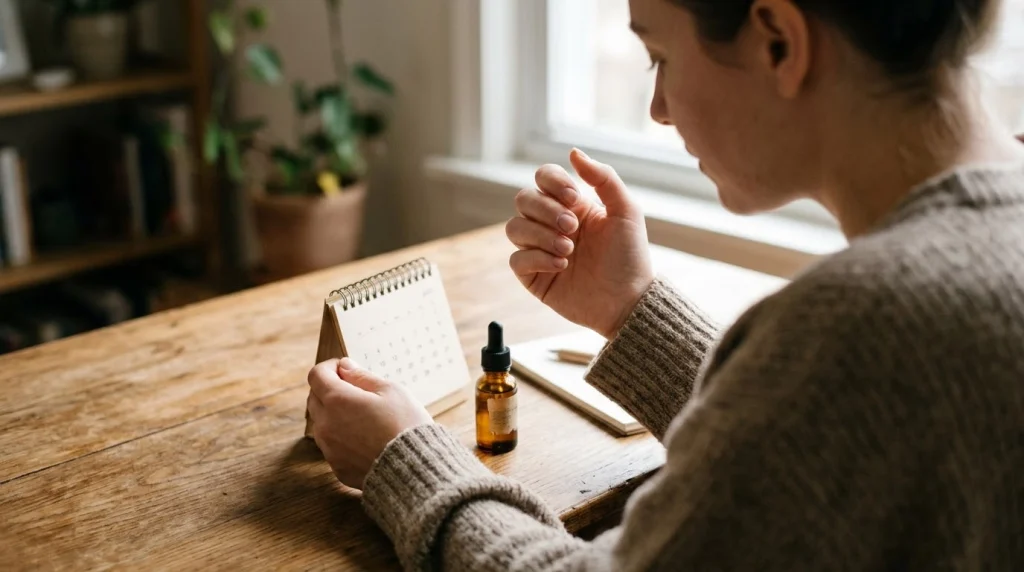
You don’t need an expensive nail recovery kit. The most helpful approach is to minimize additional damage while protecting the natural nail plate and surrounding skin.
1. Keep Your Natural Nails Short
Short nails are less likely to catch on clothing, bend backward, or develop painful splits.
Trim them carefully and use a fine-grit nail file to smooth rough edges. Don’t repeatedly buff the top surface to make it look shiny.
If you prefer a reusable option, a glass nail file for natural nails can help you maintain smooth edges with gentle pressure.
2. Moisturize Nails and Cuticles Regularly
Apply a moisturizing product to your nails and cuticles several times a day, especially after handwashing.
Petroleum jelly is a simple, inexpensive option. A fragrance-free hand cream or well-tolerated cuticle oil can also help reduce dryness.
For a convenient conditioning product, consider CND SolarOil Nail and Cuticle Care.
Remember that moisturizing helps protect nails and surrounding skin. It doesn’t permanently replace keratin layers lost during filing or removal.
3. Wear Gloves During Wet Chores
Frequent exposure to water and cleaning products can contribute to brittle, splitting nails.
Wear protective gloves when washing dishes, cleaning bathrooms, or handling household detergents.
Choose a comfortable pair that allows you to work without repeatedly catching your nails on objects.
4. Avoid Additional Buffing and Scraping
It’s tempting to buff away rough white patches after gel or acrylic removal. However, those marks may represent surface damage.
Removing more nail material to make the surface look smooth can leave it even thinner.
Instead, protect your nails and allow the affected areas to grow out. If enhancement material remains firmly attached, ask a qualified nail technician about safe removal.
5. Give Cuticles Gentle Care
Your cuticles help protect the area where new nail growth begins.
Don’t cut or aggressively push them back during your recovery period. Apply moisturizer to the surrounding skin and avoid picking at hangnails.
For additional guidance on recovering from weakness after removal, see how to care for weak nails after gel or acrylic removal.
What Should You Do and Avoid While Your Nails Rest?
Do
- Keep nails short and smooth.
- Moisturize nails and cuticles daily.
- Protect your hands during cleaning.
- Inspect bare nails regularly.
- Allow damaged nail material to grow out.
Don’t
- Peel off remaining enhancements.
- Buff already-thin nail plates.
- Use nails to open containers.
- Cover painful or infected-looking nails.
- Assume nail hardeners repair lost layers.
Which Nail Care Products Are Worth Using?
Most people only need a few inexpensive products during an enhancement break. Choose items that reduce dryness or prevent accidental damage rather than products promising instant nail regrowth.
Recommended Nail Care
Petroleum Jelly for Dry Nails and Cuticles
A basic skin protectant helps reduce moisture loss around your nails. It’s particularly useful after handwashing and before bedtime.
As an Amazon Associate, we earn from qualifying purchases.
Recommended Protection
Reusable Household Cleaning Gloves
Protective gloves help reduce repeated exposure to water, detergents, and cleaning chemicals while your nails are fragile.
As an Amazon Associate, we earn from qualifying purchases.
You generally don’t need multiple strengthening treatments at once. Some hardeners can make nails overly rigid, while certain formulas may irritate sensitive skin.
If you have persistent nail weakness, talk with a healthcare professional before relying on supplements or intensive nail treatments.
How Can You Tell When Your Nails Are Ready for Enhancements Again?
Don’t rely only on how many days have passed since your previous manicure. Examine how your natural nails look and feel.
Before considering another set, ask yourself:
- Are my nails comfortable during normal daily activities?
- Have the peeling and splitting problems improved?
- Is the surrounding skin free from redness, swelling, and irritation?
- Are there any unusual color changes or signs of nail lifting?
- Can my nails tolerate gentle handling without painful bending?
If your nails look healthy, discuss your next service with a qualified nail technician. Ask about gentle preparation, appropriate removal, and avoiding unnecessary filing.
If you still have significant peeling or cracking, extending the break is wiser than hiding the problem under another enhancement.
Our guide to caring for split or cracked nails after gel or acrylic removal can help you recognize damage that needs extra protection.
Pro Tip
Take a clear photo of your bare nails after removing enhancements and another photo a few weeks later under similar lighting. This can help you notice changes in peeling, discoloration, and new growth without repeatedly touching or testing fragile nails.
Should You Get Regular Nail Polish During Your Break?
If your nails are healthy and free from concerning symptoms, traditional nail polish may be a gentler cosmetic choice than repeatedly applying durable enhancements.
However, a polish-free period makes it easier to inspect your nails and reduces the need for additional remover.
For nails experiencing active peeling, irritation, or unusual discoloration, keeping them bare is a sensible choice while you assess the problem.
If you decide to wear regular polish, remove it gently rather than scraping it off. Apply moisturizer afterward to limit dryness.
Don’t use polish to hide nail lifting, pain, or a suspected infection.
When Should You See a Dermatologist?
Most minor cosmetic nail damage can be managed with gentle care, but some changes require professional attention.
Arrange medical evaluation if you notice:
- Increasing pain, redness, warmth, or swelling.
- Pus or fluid around the nail.
- New nail lifting or separation from the nail bed.
- Unexplained green, black, or other unusual discoloration.
- Persistent itching or blistering after nail products.
- Nail changes that aren’t improving after several weeks.
These symptoms can have causes other than routine enhancement damage. A dermatologist can evaluate the problem and recommend appropriate treatment.
If you have spreading redness, severe pain, fever, or rapidly worsening symptoms, seek prompt medical care.
Frequently Asked Questions
Q: Is one week enough to rest nails after acrylics?
A: One week may be too short if your natural nails are thin, peeling, or painful. There isn’t a universal acrylic recovery timeline. Wait until your nails are in better condition, and remember that significant damage can take months to grow out.
Q: How long should you wait between gel manicures?
A: The AAD recommends a polish-free break of one to two weeks or longer after gel manicures. Its more cautious guidance for repeat gel or dip services recommends waiting one month after removal.
Q: Can you put acrylics on thin nails?
A: It’s better to avoid applying acrylics over significantly thin or damaged nails. Additional preparation and removal may worsen the problem. Have persistent thinning assessed before getting another enhancement.
Q: Does cuticle oil make damaged nails heal faster?
A: Cuticle oil helps moisturize your nails and surrounding skin, which can reduce dryness-related brittleness. It doesn’t replace missing nail layers or reliably accelerate nail growth beyond your normal rate.
Q: Can natural nails fully recover after acrylic or gel damage?
A: Many nails improve as healthier nail material grows out, provided the nail-growing structures haven’t suffered lasting injury. A full fingernail commonly takes approximately four to six months to replace, and persistent problems should be evaluated.
Give Your Nails the Rest They Actually Need
Learning how long to rest nails after enhancements is about more than counting days. Your nail condition should guide your next appointment.
Take a polish break after gel manicures, consider a longer interval between repeat gel or dip services, and avoid placing new enhancements over damaged nails. Moisturize regularly, protect your hands, and allow fragile areas to grow out.
Your next beautiful manicure starts with healthy natural nails underneath. Save this guide on Pinterest so you can refer to your recovery routine before booking another nail appointment.

Hi, I’m Jessica, the creator behind Unique Lash & Nails Katy.
I created this website for anyone who loves beautiful nails as much as I do. Here, I share trendy nail designs, seasonal manicure ideas, easy nail care tips, honest product recommendations, and step-by-step guides to help you create salon-worthy nails at home. Whether you’re looking for everyday inspiration or your next favorite nail trend, I hope you’ll find something you love.