How Frequent Manicures Can Damage Nails: 7 Key Risks
Quick Answer
Frequent manicures can damage nails when repeated filing, aggressive cuticle work, harsh product removal, and nail enhancements weaken the natural nail plate. Common warning signs include peeling, thinning, brittleness, and irritated skin. You don’t necessarily need to stop getting manicures. Choosing gentler techniques, moisturizing regularly, avoiding unnecessary filing, and allowing damaged nails to recover can significantly reduce your risk.
There’s something satisfying about having freshly manicured nails. Whether you love glossy gel polish, elegant French tips, or intricate Pinterest-inspired designs, beautiful nails can make you feel instantly put together.
But what happens when your nails start peeling, breaking, or feeling unusually thin between appointments?
The problem isn’t always the manicure itself. Often, it’s the repeated preparation, removal, and handling of your natural nails.
Understanding how frequent manicures can damage nails helps you recognize early warning signs, protect your nail health, and continue enjoying your favorite nail designs more safely.


What Happens to Your Nails When You Get Frequent Manicures?
Your natural nails are made primarily of tightly packed layers of keratin, a structural protein that gives the nail plate its strength and flexibility.
Unlike living skin, the visible nail plate cannot repair damaged layers in place. Once excessive filing or peeling removes part of the nail surface, that damaged section generally needs to grow out.
A properly performed manicure should involve minimal disturbance to your natural nail plate. However, repeated treatments can introduce several stresses:
- Mechanical stress: Filing, buffing, scraping, and pulling can remove or damage nail layers.
- Chemical exposure: Polish removers, adhesives, and certain nail products may irritate or dry your nails and surrounding skin.
- Physical pressure: Long acrylic or gel extensions can create leverage that increases the chance of painful nail injuries.
- Cuticle damage: Cutting protective skin around your nails can increase the risk of irritation and infection.
- Repeated product changes: Frequent application and removal increase opportunities for cumulative damage.
The important distinction is that manicure frequency alone doesn’t determine nail damage. The techniques used, your existing nail condition, and how carefully products are removed also matter.
What Are the 7 Ways Frequent Manicures Can Damage Your Nails?
1. Excessive Filing Can Make Your Nails Thinner
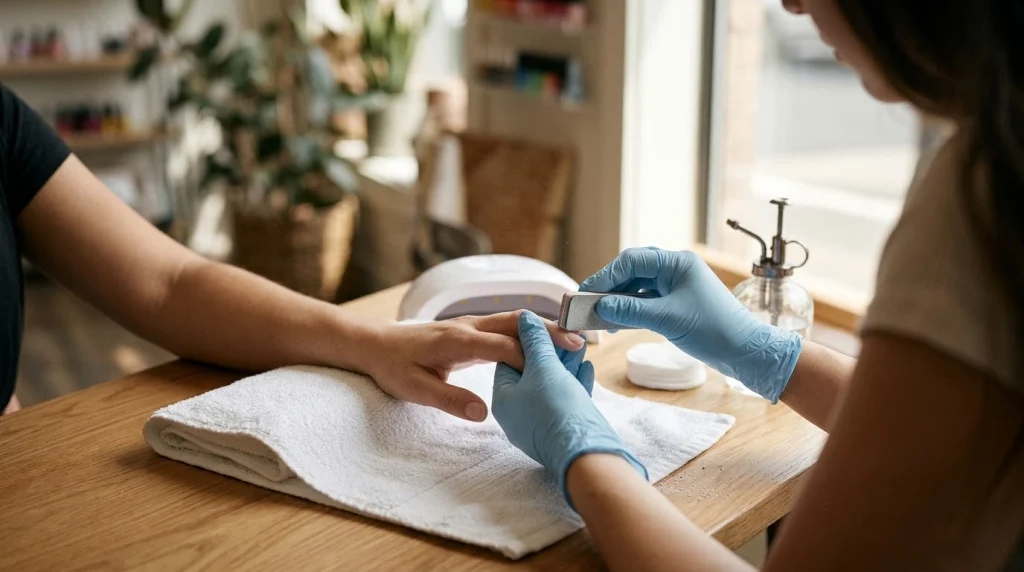
Before applying certain gel or acrylic products, a nail technician may lightly prepare your natural nail surface to help the enhancement adhere.
Some preparation is normal, but excessive filing can remove protective keratin layers.
When too much nail material is removed, your nails may become unusually flexible, sensitive, or prone to splitting.
This damage can become more noticeable when the surface is repeatedly filed during every appointment.
How to protect your nails: Ask your technician to minimize filing of the natural nail plate. If you experience heat, pain, or noticeable thinning during preparation, request that the filing stop.
2. Harsh Gel Polish Removal Can Cause Peeling
Gel manicures are popular because they resist chipping and maintain their shine longer than many traditional polishes.
However, removal can damage your nails when the product is peeled, scraped, or forcibly lifted.
Gel polish adheres to your nail surface. Pulling it away before the bond has been properly released may remove superficial nail layers along with the coating.
The result can be rough patches, peeling tips, and weakened nails.
Learn more about caring for weak nails after gel or acrylic removal if your nails already feel fragile.
Warning
Never peel off gel polish simply because an edge has started lifting. If the product won’t release with its recommended removal method, stop rather than scraping or forcing it off. Some enhancement systems require professional removal.
3. Repeated Acetone Exposure Can Increase Dryness
Acetone is an effective solvent commonly used to remove traditional polish and soak-off nail products.
Unfortunately, repeated or prolonged exposure can temporarily strip oils from the nails and surrounding skin.
When combined with frequent handwashing, cleaning products, and dry weather, this exposure may contribute to brittle nails and irritated cuticles.
Acetone isn’t automatically harmful when used correctly. The bigger concern is unnecessarily long exposure, rough removal, or insufficient moisturizing afterward.
For a closer look at chemical exposure, explore our guide to how household cleaners and acetone affect dry nails.
4. Aggressive Cuticle Trimming Can Increase Infection Risk
Your cuticles serve an important protective function. They help seal the area where new nail emerges, limiting the entry of bacteria and other microorganisms.
When cuticles are aggressively cut or pushed back, this natural barrier can become damaged.
Possible consequences include:
- Redness and soreness around the nail.
- Inflamed or swollen nail folds.
- Painful hangnails and irritated skin.
- Increased susceptibility to nail-fold infections.
Safer approach: Ask your technician to avoid cutting living cuticle tissue. Moisturizing dry skin around the nail is generally preferable to removing it.
5. Acrylic Extensions Can Put Extra Pressure on Natural Nails
Acrylic nails can create beautiful length and dramatic shapes, but extensions also change how force travels through your natural nails.
When a long extension catches on clothing or strikes a hard object, that force can pull against the nail underneath.
Repeated acrylic preparation, filing, and removal may further contribute to thinning.
For everyday wear, consider shorter extensions or natural nails if you frequently use your hands for typing, cleaning, cooking, or physical activities.
6. Nail Products Can Trigger Allergic Reactions
Some people develop allergic contact dermatitis from ingredients used in gel products, acrylic enhancements, adhesives, or other nail cosmetics.
Potential symptoms include itching, redness, swelling, blisters, and peeling skin around the nails.
Reactions may appear even after you’ve used similar products successfully in the past.
Repeated exposure to an ingredient you’re allergic to can worsen symptoms. If you suspect an allergy, stop using the product and consult a dermatologist rather than covering the reaction with another manicure.
7. Repeated UV Nail Lamp Exposure Raises Skin-Health Questions
Gel manicures generally require a curing lamp. Both traditional UV lamps and lamps marketed as LED can emit ultraviolet radiation, primarily UVA.
UVA exposure contributes to skin aging, and researchers continue studying the long-term risks associated with repeated nail-lamp use.
Current research has not established that typical nail-lamp use directly causes skin cancer, but reducing unnecessary UV exposure is a sensible precaution.
Before gel appointments, consider applying broad-spectrum, water-resistant SPF 30 or higher sunscreen to exposed skin on your hands, following the product’s directions.
UV-protective fingerless manicure gloves are another option. They cover much of your hands while leaving the nails accessible for curing.
How Can You Tell If Frequent Manicures Have Damaged Your Nails?
Occasional dryness or a broken nail doesn’t necessarily mean you’ve developed serious nail damage.
However, certain changes deserve attention, particularly when they appear repeatedly after salon visits.
Common Signs of Manicure-Related Nail Damage
- Peeling nail tips: Thin layers begin separating along the free edge.
- Unusual flexibility: Nails bend more easily than they normally would.
- Frequent breakage: Small everyday activities cause repeated cracks or splits.
- Rough surfaces: Nails develop visible scratches or uneven patches following product removal.
- Dry cuticles: Skin around your nails feels tight, flaky, or irritated.
- Persistent sensitivity: The nail area feels uncomfortable during ordinary activities.
- Nail lifting: Part of the nail begins separating from the underlying nail bed.
Not every nail change comes from manicures. Skin conditions, infections, injuries, and other medical problems can cause similar symptoms.
When to See a Dermatologist
Persistent pain, swelling, drainage, green discoloration, a new dark streak, or significant nail separation requires medical evaluation. Don’t cover unexplained nail changes with gel, acrylic, or opaque polish.
How Often Can You Get a Manicure Without Damaging Your Nails?
There isn’t one scientifically established manicure schedule that’s safe for everyone.
A person with healthy nails who receives gentle traditional manicures may tolerate appointments more frequently than someone with brittle nails undergoing repeated enhancement removal.
Instead of following a rigid schedule, consider these practical guidelines:
- Traditional manicures: Gentle maintenance can be repeated as needed, provided your natural nails and surrounding skin remain healthy.
- Gel manicures: Pay particular attention to removal methods and signs of dryness or thinning. Consider breaks between applications, especially when nails become fragile.
- Acrylic enhancements: Follow appropriate maintenance schedules, but avoid repeated unnecessary removal and replacement of entire sets.
- Already damaged nails: Pause potentially damaging nail treatments until discomfort settles and your nails show improvement.
The American Academy of Dermatology recommends considering a polish break of one to two weeks or longer between gel manicures, particularly when nails need recovery.
Remember that a short break may help dryness, but it won’t instantly restore nail layers lost through excessive filing.
Which Type of Manicure Is Gentlest on Natural Nails?

Different manicure systems expose your natural nails to different kinds of stress.
Traditional Nail Polish
Traditional polish generally requires less preparation than acrylic or hard gel enhancements.
It can be a good option when you want color without extensive filing or a curing lamp. However, aggressive removal and harsh cuticle work can still cause problems.
Gel Polish
Gel polish offers long-lasting shine and chip resistance, making it convenient when you prefer fewer touch-ups.
Its main considerations include UV exposure, proper curing, possible ingredient allergies, and careful removal.
Acrylic Nails
Acrylic nails provide additional length and structure but often require more extensive preparation and maintenance.
They may be less suitable when your natural nails are already thin, brittle, or injured.
Simple Natural-Nail Manicures
A manicure focused on shaping, moisturizing, and optional traditional polish can be a gentler choice, provided the technician avoids aggressive filing and cuticle cutting.
The best option is the one your natural nails tolerate well. A gentle manicure with fewer potentially damaging steps is often preferable to repeatedly covering already weakened nails.
How Can You Prevent Nail Damage While Still Getting Manicures?
You don’t have to abandon nail art to improve your nail-care habits. A few changes before, during, and after appointments can make a meaningful difference.
Choose a Salon That Prioritizes Nail Health
Look for technicians who explain their products, use properly cleaned or sterilized tools as appropriate, and respond when you report discomfort.
A good technician should be willing to adjust preparation techniques to your natural nail condition.
Stop Aggressive Buffing and Scraping
Ask your technician to preserve as much of your natural nail surface as possible.
Excessive buffing doesn’t make damaged nails healthier. It simply removes more material from an already thin nail plate.
Moisturize Your Nails Every Day
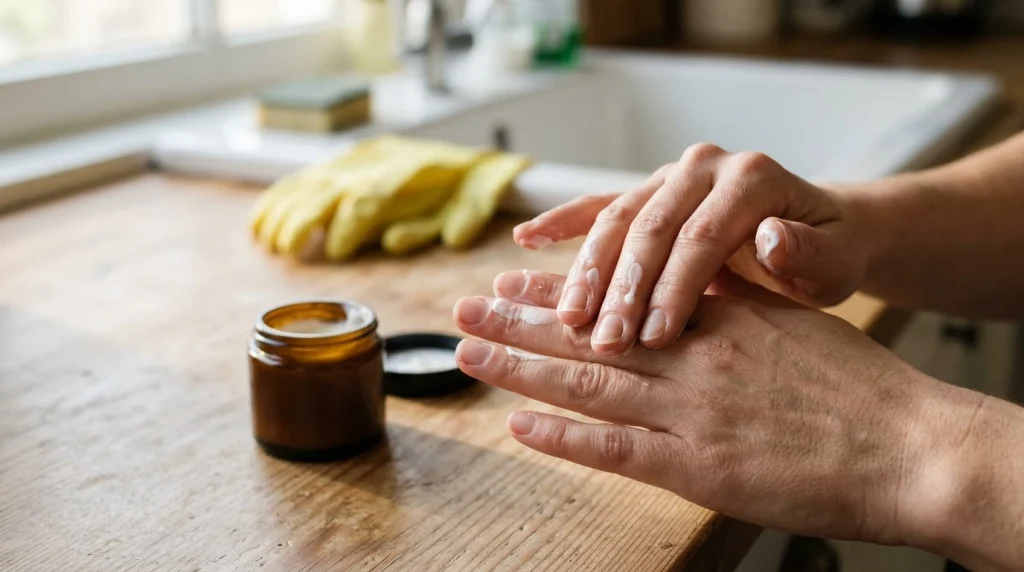
Use fragrance-free hand cream, cuticle oil, or petroleum jelly to reduce dryness around your nails.
Apply moisturizer after handwashing whenever practical and before bed.
For a more detailed routine, see how to moisturize and care for dry nails.
Protect Your Hands During Wet Chores
Repeated exposure to water and cleaning products can contribute to nail brittleness.
Wear household gloves while washing dishes, cleaning bathrooms, or handling detergents.
Afterward, dry your hands and moisturize your nails and surrounding skin.
Remove Nail Products Properly
Always use the removal method recommended for your specific nail system.
Soak-off gel, hard gel, acrylic, and traditional polish don’t necessarily require the same removal process.
If you aren’t sure what product was applied, ask your nail technician before attempting removal at home.
Pro Tip
Photograph your bare nails after each removal, using similar lighting. Comparing photos can help you notice recurring peeling, thinning, or discoloration that may be difficult to judge while wearing polish.
What Should You Do and Avoid Between Manicures?
Do
- Moisturize nails and cuticles daily.
- Keep fragile nails comfortably short.
- Choose gentle filing techniques.
- Wear gloves for wet household work.
- Inspect your bare nails between treatments.
Don’t
- Peel off gel or acrylic products.
- Buff thin nails aggressively.
- Cut healthy cuticle tissue.
- Use nails to pry open objects.
- Hide painful or infected nails under enhancements.
How Long Does It Take for Damaged Nails to Recover?
Recovery depends on the type and severity of damage.
Dry skin around your nails may begin feeling more comfortable after several days of consistent moisturizing and reduced exposure to irritants.
Structural damage to the nail plate takes longer because the damaged section must gradually grow toward the tip.
Fingernails typically grow approximately 3 millimeters per month. Replacing most or all of a damaged fingernail can take around four to six months, sometimes longer.
If your nails have become thin after repeated gel or acrylic removal, focus on preventing further injury while healthier nail grows in.
Our guide to how long it takes to strengthen weak nails explains what improvements you can realistically expect over time.
A Simple Nail Recovery Routine
- Reduce unnecessary treatments: Avoid new enhancements while nails are particularly fragile.
- Keep nails shorter: A shorter length reduces bending and accidental catching.
- Moisturize consistently: Apply cream or petroleum jelly to nails and surrounding skin throughout the day.
- Protect the nail plate: Avoid scraping, picking, aggressive buffing, and unnecessary chemical exposure.
- Monitor changes: Look for healthier new growth and seek professional advice if symptoms persist or worsen.
Your nails don’t need to breathe in the way living skin does. Taking a polish break is helpful because it reduces repeated cosmetic stress and allows you to examine the nail surface.
Which Nail Care Products Can Help Reduce Manicure Damage?
A simple nail-care kit can support healthier habits without requiring expensive treatments.
The following products may help protect fragile nails and reduce dryness. They cannot replace nail layers that have already been removed.
Disclosure: As an Amazon Associate, we earn from qualifying purchases made through eligible links, at no additional cost to you.
Recommended Product
Moisturizing Cuticle Oil
A lightweight cuticle oil can make moisturizing the skin around your nails easier, especially after frequent washing or polish removal. Choose a formula your skin tolerates.
As an Amazon Associate, we earn from qualifying purchases.
Recommended Product
Fine-Grain Glass Nail File
A fine glass file helps smooth rough nail edges with controlled pressure. It’s especially useful for gently maintaining short, fragile natural nails.
As an Amazon Associate, we earn from qualifying purchases.
If your hands become dry after cleaning, a fragrance-free moisturizing hand cream is another useful basic.
For regular gel appointments, consider UV-protective manicure gloves to reduce the amount of exposed skin during curing.
Frequently Asked Questions About Manicure Damage
Q: Is it bad to get your nails done every two weeks?
A: Not necessarily. The safety of frequent manicures depends on the treatment, preparation, removal technique, and condition of your natural nails. Repeated aggressive filing or product removal can cause damage even when appointments are spaced apart.
Q: Can gel manicures permanently damage your nails?
A: Most superficial nail-plate damage improves as the damaged nail grows out. However, severe injuries involving the nail matrix can cause lasting changes. Persistent pain, abnormal growth, or nail separation should be evaluated by a dermatologist.
Q: Should you take breaks between manicures?
A: Taking breaks can be helpful, especially after repeated gel or acrylic treatments. A period without enhancements reduces further cosmetic stress and gives you an opportunity to monitor your natural nails. Damaged layers still need time to grow out.
Q: Can you strengthen nails damaged by frequent manicures?
A: You can protect fragile nails by keeping them short, moisturizing regularly, avoiding aggressive filing, and wearing gloves during wet chores. However, products cannot instantly replace missing nail layers. Healthier nails must gradually grow in.
Q: Are regular manicures safer than gel or acrylic nails?
A: A gentle manicure using traditional polish generally involves less extensive preparation than many nail enhancements. However, any manicure can cause damage when cuticles are cut aggressively or products are removed improperly.
Can You Enjoy Frequent Manicures Without Damaging Your Nails?
Yes, you can enjoy beautiful manicures while taking steps to protect your natural nails. The key is choosing gentle techniques, removing products correctly, moisturizing regularly, and recognizing when your nails need a break.
Remember that frequent manicures can damage nails when repeated treatments become too aggressive, but healthy nail-care habits can help reduce that risk.
Save this guide to Pinterest so you’ll have these nail-protection tips ready before your next manicure appointment.

Hi, I’m Jessica, the creator behind Unique Lash & Nails Katy.
I created this website for anyone who loves beautiful nails as much as I do. Here, I share trendy nail designs, seasonal manicure ideas, easy nail care tips, honest product recommendations, and step-by-step guides to help you create salon-worthy nails at home. Whether you’re looking for everyday inspiration or your next favorite nail trend, I hope you’ll find something you love.