Why Do Nails Split or Crack? Causes and Easy Fixes
Quick Answer
Nails commonly split or crack because of repeated exposure to water, detergents, dry conditions, physical trauma, or damage from manicures and artificial nails. These factors can weaken the layers of keratin that form your nail plate. Keeping your nails short, moisturizing regularly, wearing gloves during wet chores, and avoiding aggressive nail treatments can help reduce breakage. Persistent or unusual splitting sometimes requires a medical evaluation.
You finally grow your nails to your favorite length, only to notice a tiny crack along the edge. A few days later, another nail starts peeling into thin layers. Sound familiar?
Nail splitting is frustrating, especially when you enjoy keeping your nails polished and beautifully shaped. Fortunately, many cases are related to everyday habits you can change.
Understanding why nails split or crack is the first step toward protecting them. Let’s look at the most common causes, what different types of cracks mean, and how you can care for fragile nails without making the problem worse.


Why Do Nails Split or Crack in the First Place?
Your fingernails are made primarily of keratin, a tough structural protein also found in your hair and skin. The visible nail plate contains tightly packed layers that provide strength while allowing some flexibility.
When those layers lose their normal structure or adhesion, your nails can become brittle, peel apart, or develop cracks.
One common form of nail splitting is called onychoschizia. It usually causes the free edges of your nails to separate into thin, horizontal layers.
Another pattern, known as onychorrhexis, involves lengthwise ridges and splits running from the base toward the tip.
These patterns may look similar at first, but their causes can differ. Understanding where a crack appears helps you identify the most likely contributing factors.
What Are the Most Common Causes of Splitting and Cracking Nails?
Not every broken nail means you have a vitamin deficiency or medical condition. In fact, external damage is a common explanation, especially when your fingernails are affected more than your toenails.
1. Repeated Exposure to Water
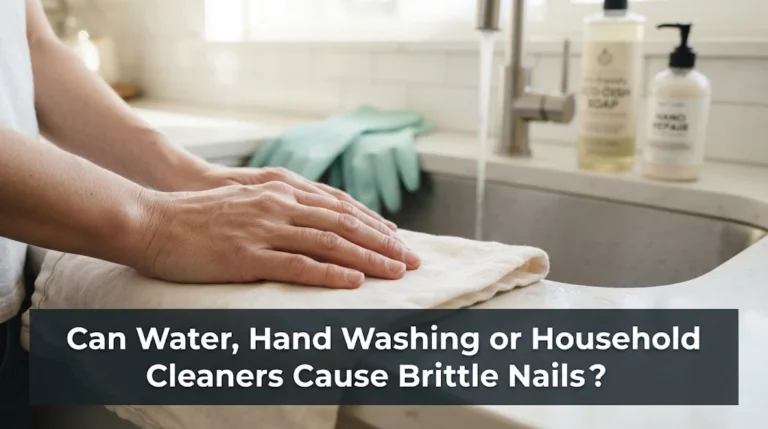
Frequently washing your hands, taking long baths, or doing dishes without gloves can contribute to brittle nails.
Your nail plate absorbs some water and changes as it becomes wet and dries again. Repeated wet-dry cycles can interfere with the way its layers hold together.
Eventually, you may notice:
- Thin layers peeling from the nail tips.
- Soft nails that bend more easily.
- Rough edges that catch on clothing.
- Small cracks developing after ordinary activities.
What helps: Wear suitable protective gloves for wet household chores. After washing your hands, dry them carefully and apply hand cream to your nails and surrounding skin.
2. Dryness and Harsh Cleaning Products
Cold weather, indoor heating, frequent sanitizer use, and contact with detergents can leave your nails and surrounding skin feeling dry.
Dry, brittle nails may be less able to tolerate everyday bending and friction. Harsh cleaning chemicals can also irritate the skin around your nails.
Applying a moisturizing hand cream after washing is an easy way to maintain a more comfortable nail-care routine.
Look for ingredients such as glycerin, petrolatum, or dimethicone. These can help maintain moisture and protect the skin barrier.
3. Frequent Gel, Acrylic, or Dip Powder Manicures
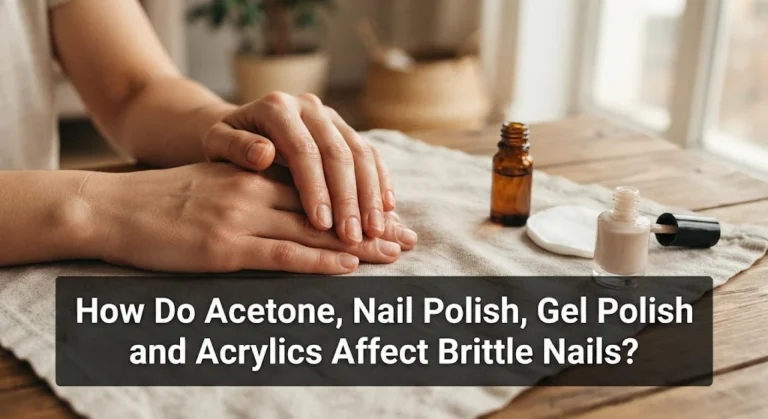
You don’t necessarily need to give up your favorite manicures. However, repeated aggressive preparation or removal can damage the natural nail plate.
Common problems include:
- Over-filing the natural nail before applying enhancements.
- Peeling gel polish off instead of removing it properly.
- Scraping stubborn product from the nail surface.
- Repeatedly covering nails that are already thin or damaged.
These habits may remove superficial nail layers, leaving your nails thinner and more prone to splitting.
If you’re unsure whether your manicure habits are contributing to the problem, explore whether nails are healthier without polish.
4. Physical Trauma and Everyday Nail Habits
Your nails experience small impacts throughout the day. Sometimes, a single accident causes a crack. Other times, repeated pressure gradually weakens the free edge.
Examples include using your nails to open cans, scraping labels, biting your nails, or repeatedly catching long nail tips against hard surfaces.
Even typing or opening a drawer can put pressure on an overlong nail if the tip strikes the surface first.
What helps: Keep fragile nails at a manageable length and use the pads of your fingers instead of your nail tips whenever possible.
5. Aging and Natural Nail Characteristics
Your nails may naturally become more brittle as you get older. Changes in the nail plate and its growth patterns can make splitting more noticeable.
Some people also have naturally thin or flexible nails that are more vulnerable to repeated mechanical damage.
You can’t completely change your inherited nail characteristics, but you can reduce avoidable stress through gentle filing, moisturizing, and consistent protection.
6. Nutritional Deficiencies
Nutrition supports normal nail growth, but not every case of splitting nails indicates that you’re missing a vitamin.
Iron deficiency and inadequate nutrition can sometimes contribute to nail changes. However, you shouldn’t assume you need supplements based on brittle nails alone.
A balanced diet that includes adequate protein, iron-containing foods, and other essential nutrients supports normal nail production.
If you’re also experiencing unusual tiredness, significant hair shedding, or other symptoms, a healthcare professional can determine whether testing is appropriate.
7. Thyroid Conditions and Other Medical Issues
Persistent nail brittleness can occasionally be associated with health conditions such as thyroid disorders, psoriasis, or other diseases affecting nail growth.
These conditions usually require more than a cosmetic nail treatment.
For example, nail psoriasis may produce pitting, discoloration, lifting, or irregular surface changes. Fungal nail infections may cause thickening, discoloration, or crumbling.
Because different nail conditions can look alike, avoid attempting to diagnose yourself from nail appearance alone.
Important
If several nails suddenly become brittle, the changes persist despite gentle care, or you develop pain, swelling, unusual discoloration, or nail lifting, consult a healthcare professional. Nail splitting alone cannot establish a nutritional deficiency or medical diagnosis.
What Do Different Types of Nail Splitting Mean?
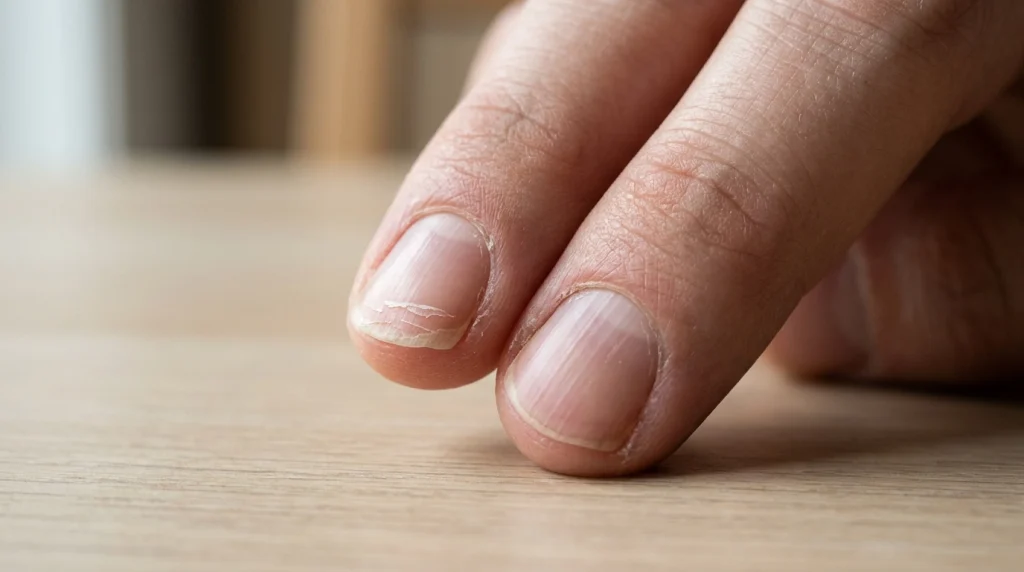
The direction and location of a split can provide useful clues. Take a close look at your bare nails in natural light before applying another manicure.
Horizontal Splitting at the Tips
Horizontal splitting often looks like thin layers lifting away from the free edge. This pattern is typical of lamellar onychoschizia.
Repeated water exposure, nail polish removal, friction, and manicure damage are common contributing factors.
If the damage is limited to the free edge, carefully shortening and smoothing the nail can help stop the loose portion from catching on objects.
Vertical Cracks Running Along the Nail
Vertical splitting follows the length of the nail, sometimes alongside pronounced ridges.
Minor ridging can occur with aging, but a persistent deep split may be associated with trauma or an underlying nail disorder.
If the same nail repeatedly splits along one line, especially from near the base, consider a dermatology evaluation.
Cracks Along the Sides of Your Nails
Side cracks frequently develop when long nail tips experience repeated pressure or accidental impacts.
A small tear may become larger when it catches on clothing or hair.
Keep the free edge short and smooth. If a crack reaches the attached, pink portion of your nail, avoid pulling, gluing, or covering it with artificial enhancements.
Peeling Nails After Gel or Acrylic Removal
If your nails become thin, rough, and flaky immediately after removing enhancements, the removal process may have damaged the surface layers.
Instead of repeatedly buffing the roughness away, let the damaged nail grow forward while protecting it from further injury.
How Can You Fix Nails That Are Already Splitting?

A cracked nail plate doesn’t heal by knitting itself back together like injured skin. The damaged portion must gradually grow out.
However, you can take immediate steps to prevent small splits from worsening and protect newly growing nail.
Keep Your Nails Short and Smooth
If a split is confined to the white free edge, use clean nail clippers to remove excess length without cutting into attached tissue.
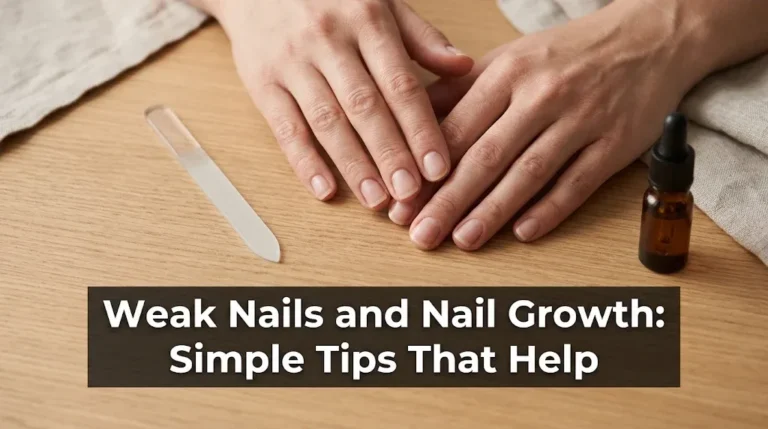
Follow with a fine-grit or glass nail file, using gentle strokes to smooth away rough corners.
A comfortable short or squoval shape often reduces the likelihood of catching a fragile tip.
For more detailed maintenance tips, see this guide on how to stop nails from breaking.
Moisturize Your Nails and Cuticles Every Day
Use a fragrance-free hand cream after washing and before bed. Massage a small amount over each nail and into the surrounding skin.
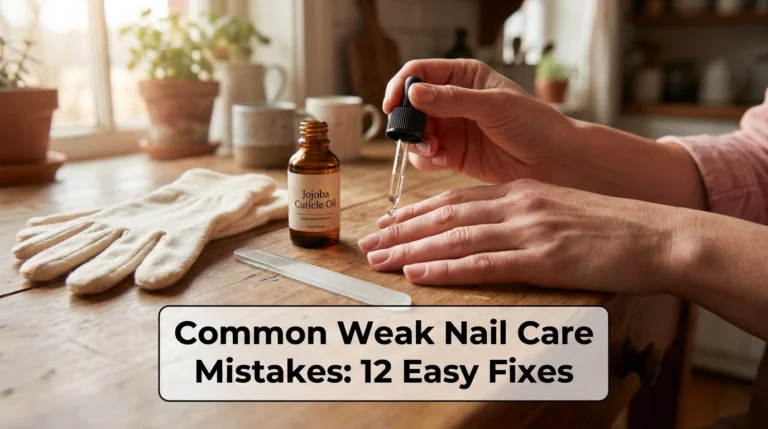
You can also apply cuticle oil to dry nail folds and nail surfaces if you enjoy using it.
Moisturizing won’t permanently reconnect an existing split, but it can improve dryness and support a gentler environment for your nails.
Pro Tip
Keep a small tube of hand cream near the sink and another beside your bed. Applying moisturizer consistently after washing is usually more useful than relying on an occasional intensive nail treatment.
Protect Nails From Water and Detergents
Wear protective gloves when washing dishes or handling household cleaning products.
Choose gloves appropriate for the chemicals you’re using and follow product safety instructions. Remove them if they become wet inside, then clean and dry your hands.
For routine handwashing, use a gentle cleanser and apply moisturizer afterward.
Reduce Aggressive Manicure Treatments
If your nails are peeling after gel, dip, or acrylic removal, consider a period without repeated enhancements.
Avoid peeling polish, scraping the nail plate, or buffing the surface until the damaged layers disappear.
When you return to manicures, prioritize gentle preparation and correct removal rather than frequent product changes.
Use Simple Protective Products
You don’t need a complicated collection of nail treatments. A few basic tools can help you manage brittle nails safely.
Useful options include a fine nail file, fragrance-free hand cream, and household gloves.
A mild regular nail polish may be acceptable if your nails tolerate it, but coatings aren’t a substitute for addressing the underlying cause.
Avoid formaldehyde-containing nail hardeners. Making an already brittle nail excessively rigid can worsen its tendency to crack.
Which Nail Care Products Can Help Protect Brittle Nails?
The best products for splitting nails are usually practical, inexpensive tools that help prevent additional damage rather than promise overnight repair.
Recommended Nail Care Tool
Fine-Grain Glass Nail File
A fine glass nail file helps smooth small snags with controlled pressure, reducing the chance that a rough edge will catch and tear farther.
As an Amazon Associate, we earn from qualifying purchases.
Daily Moisture Essential
Fragrance-Free Moisturizing Hand Cream
A simple cream containing glycerin or petrolatum can help manage dryness in the nails and surrounding skin, particularly after frequent handwashing.
As an Amazon Associate, we earn from qualifying purchases.
Protection Essential
Reusable Household Cleaning Gloves
Suitable protective gloves help limit repeated exposure to dishwater and detergents, two common contributors to brittle, splitting nails.
As an Amazon Associate, we earn from qualifying purchases.
How Can You Prevent Your Nails From Splitting Again?
Once you’ve identified possible causes, prevention becomes much easier. Focus on reducing repeated stress rather than searching for a product that promises instant nail repair.
Start with these everyday habits:
- Keep nails comfortably short: Shorter free edges are less likely to catch and tear.
- File rough edges promptly: Smooth minor snags before they become larger cracks.
- Moisturize after washing: Include the nails and skin around them rather than applying cream only to your palms.
- Protect against wet work: Use suitable gloves for dishes and cleaning.
- Avoid picking: Never peel gel, acrylic, or stubborn polish from the nail plate.
- Limit unnecessary buffing: Removing surface layers can make an already thin nail more fragile.
- Use your fingertips, not your nails: Reach for tools when opening containers or scraping objects.
- Watch for persistent changes: Seek professional advice when symptoms are unusual or don’t improve.
You can build these habits into a simple healthy nail care routine without buying expensive treatments.
What Are the Do’s and Don’ts for Splitting Nails?
Do
- Apply moisturizer regularly.
- Keep fragile nail tips short.
- File away small snags gently.
- Protect hands during wet chores.
- Remove nail enhancements carefully.
- Seek advice for persistent changes.
Don’t
- Peel off gel or acrylic products.
- Overbuff thin nail surfaces.
- Use nails to pry open objects.
- Pull a cracked nail apart.
- Apply strong glue to injured tissue.
- Take supplements without a reason.
How Long Does It Take for Split Nails to Recover?
Recovery depends on where the damage is located and whether the underlying cause has been addressed.
A small split at the free edge may be trimmed away immediately. However, deeper damage needs time to grow out.
Fingernails grow approximately 3 millimeters per month on average, although individual growth rates vary. Replacing an entire fingernail commonly takes around four to six months.
You may notice fewer new snags sooner if you keep your nails short and protect them consistently.
However, an existing crack won’t disappear simply because you apply moisturizer. The damaged nail must move forward as healthy nail grows from the matrix.
Taking a photograph of your nails every few weeks can help you see whether the new growth looks healthier than the older damaged portion.
When Should You See a Doctor About Splitting Nails?

Most minor splits at the nail tips can be managed with gentle care. Still, certain symptoms suggest that you need professional assessment.
Contact a healthcare professional if you notice:
- A deep split extending into the attached nail.
- Persistent pain, bleeding, redness, swelling, or pus.
- A nail separating significantly from the nail bed.
- Repeated lengthwise splitting of the same nail.
- Unexplained thickening, crumbling, or discoloration.
- Several nails suddenly developing significant changes.
- A new or changing dark streak beneath a nail.
A clinician may examine your nails, review your medical history, and recommend testing when indicated.
For example, suspected thyroid disease or iron deficiency may justify laboratory tests, while a possible fungal infection may require a nail sample.
Avoid hiding unexplained changes beneath artificial nails or repeatedly applying treatments before you know what’s causing the problem.
Why Do Your Nails Keep Cracking Despite Regular Care?
If your nails continue to split, look for the specific circumstances surrounding each break rather than adding more products to your routine.
Problem: Your nail tips keep peeling into layers
Immediate fix: Carefully trim loose free edges and smooth them with a fine file. Prevention: Reduce repeated wet-dry cycles, moisturize after washing, and avoid rough polish removal.
Problem: Your nails crack shortly after a manicure
Immediate fix: Avoid additional filing or enhancements over visibly damaged nails. Prevention: Choose gentler preparation and professional removal when appropriate.
Problem: The same nail keeps splitting vertically
Immediate fix: Protect the nail from catching or additional trauma. Prevention: Have persistent recurring splits assessed by a dermatologist to identify possible nail growth disorders.
Problem: Every nail seems thin and brittle
Immediate fix: Simplify your routine and minimize avoidable exposure to harsh products. Prevention: If changes persist or appear alongside other symptoms, seek medical advice rather than taking unverified supplements.
Frequently Asked Questions About Splitting Nails
Q: Why do my nails split in layers at the tips?
A: Repeated exposure to water, detergents, friction, and manicure damage can cause your nail layers to separate. This condition is commonly called onychoschizia. Gentle filing, moisturizing, and protecting your hands during wet chores may help prevent further splitting.
Q: Can vitamin deficiencies cause cracking nails?
A: Certain nutritional deficiencies, including iron deficiency, can contribute to nail changes. However, brittle nails are more commonly related to environmental exposure or repeated trauma. A healthcare professional can evaluate whether testing or supplementation is necessary.
Q: Does cuticle oil stop nails from splitting?
A: Cuticle oil can help condition dry nails and surrounding skin. However, it cannot permanently repair an existing crack or guarantee stronger nails. Consistent moisturizing works best alongside protective habits that reduce repeated damage.
Q: Can a cracked nail heal itself?
A: An existing crack in the nail plate doesn’t reconnect like a cut in your skin. The damaged section needs to grow out. Keep the nail protected and smoothly trimmed while new nail grows forward, and seek medical care for painful or deep splits.
Q: Should I take biotin for splitting nails?
A: Evidence supporting biotin supplements for ordinary brittle nails is limited. High-dose biotin can also interfere with certain laboratory tests. Discuss supplements with a healthcare professional instead of assuming they will solve recurring nail splitting.
Final Thoughts: Protect Your Nails Before the Next Crack
If you’re wondering why your nails split or crack, start by examining your everyday habits. Frequent water exposure, harsh products, unnecessary filing, and repeated nail trauma are common causes that you can often address with simple changes.
Keep your nail tips smooth, moisturize consistently, and protect your hands during wet chores. Give damaged nails time to grow out, and don’t ignore unusual or persistent symptoms.
For additional everyday prevention strategies, explore how to prevent nail splitting.
Save this guide on Pinterest so you can revisit these nail-care habits whenever your nails need a little extra attention.

Hi, I’m Jessica, the creator behind Unique Lash & Nails Katy.
I created this website for anyone who loves beautiful nails as much as I do. Here, I share trendy nail designs, seasonal manicure ideas, easy nail care tips, honest product recommendations, and step-by-step guides to help you create salon-worthy nails at home. Whether you’re looking for everyday inspiration or your next favorite nail trend, I hope you’ll find something you love.