How to Moisturize Nails: Easy Daily Care That Works
Quick Answer
To moisturize nails, wash your hands gently, pat them dry, and massage a fragrance-free hand cream over each nail and surrounding skin. Add a drop of cuticle oil if the edges feel rough, then use a thin layer of petroleum jelly before bed for extra protection. Reapply cream after handwashing and wear gloves for wet chores. Consistency matters more than expensive treatments.
Time needed
About 5 minutes
Difficulty
Beginner
Items needed
3 main products
Result lasts
Maintain daily
If your nails look dull, the tips peel, or your cuticles catch on your sweater, you probably want a fix that fits into real life. You don’t need a complicated salon treatment. A few well-timed moisturizing steps can make the skin around your nails feel more comfortable and help protect fragile nail edges. Here’s how to build a routine you can actually keep doing.


What Does Moisturizing Your Nails Actually Do?
Your visible nail plate is made mostly of hardened keratin. Unlike living skin, a damaged section of nail doesn’t heal itself when you apply lotion. Moisturizers can still help by conditioning the nail surface, reducing dryness around the nail folds, and making brittle nails less likely to catch or chip while they grow out.
The biggest challenge is often repeated wetting and drying. Every handwash, long shower, and sink full of dishes exposes your nails to water; detergents and frequent polish removal add more stress. Your goal isn’t to keep your nails constantly wet. It’s to moisturize after ordinary washing, limit excessive soaking, and protect the surrounding skin.
For a deeper comparison of simple conditioning options, see our guide to the healthiest things to put on nails.
What Do You Need to Moisturize Nails at Home?
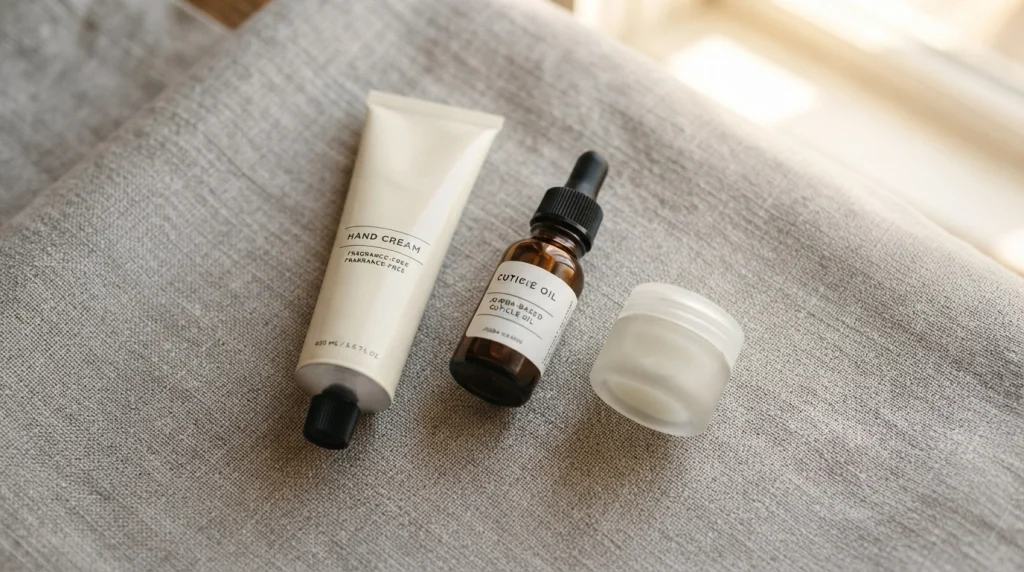
- Fragrance-free hand cream: Look for glycerin, petrolatum, or other moisturizing ingredients. A richer cream is usually more useful than a watery lotion when your hands feel tight.
- Cuticle oil: A small brush-on or dropper bottle makes it easy to condition the skin bordering each nail. Jojoba-based oil is a practical option, but you don’t need a luxury blend.
- Petroleum jelly: A tiny amount works as an overnight barrier, especially around rough cuticles.
- Optional: Soft cotton gloves for bedtime and protective cleaning gloves for dishwashing.
Keep a small cream beside your sink and your oil next to your nightstand. You’ll use the products more often when you don’t have to hunt for them.
How Do You Moisturize Nails Step by Step?
Start with clean hands and follow these seven simple steps. You can do the complete routine at night, then repeat the cream-and-oil portions whenever your nails feel dry.
1 Wash Gently With Lukewarm Water
Wash with a mild cleanser and comfortable water, not a long, steaming soak. If dirt is trapped near the tips, use a soft nail brush rather than scraping under the nail with a metal tool. Clean nails give your cream a fresh starting point without unnecessary friction.
Common mistake: Soaking nails for 15 or 20 minutes to “hydrate” them. Prolonged soaking can leave already fragile nails temporarily softer.
2 Pat Your Hands Dry
Blot your fingers with a clean towel, including the spaces between them. The skin can remain slightly damp when you apply cream, but avoid leaving water pooled around your nail folds or under artificial nails. Trapped moisture isn’t the same as healthy moisturization.
Common mistake: Rubbing a rough towel back and forth over peeling tips. Snagged edges can tear farther.
3 Smooth Any Snagged Nail Tips
If a tip is catching on fabric, gently file the loose edge in one direction with a fine file. Keep weak nails comfortably short while you rebuild your habits. Leave the protective cuticle at the base intact; cutting or aggressively pushing it back can create an opening for irritation or infection.
Common mistake: Buffing the top of an already thin nail to make it look smooth. That removes more nail material.
4 Massage Hand Cream Over Every Nail
Squeeze out a pea-sized amount of hand cream, adding more if your hands need it. Rub it over the nail plates, sidewalls, fingertips, and backs of your hands for about 30 seconds. Don’t stop at your knuckles: your nails and cuticles deserve the same moisturizer as your skin.
Common mistake: Using only a lightweight scented lotion when your fingers are cracked or easily irritated. Try a richer, fragrance-free formula instead.
5 Add a Small Drop of Cuticle Oil
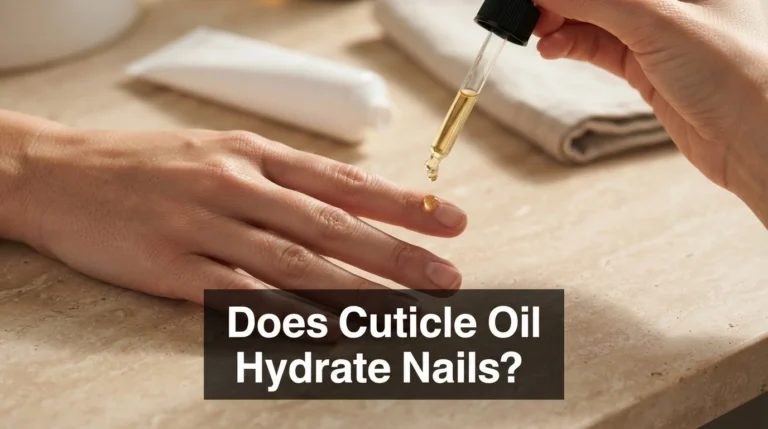
Place a tiny drop along the skin at the base of each nail and massage it around the sides. If your nails are bare, you can spread the remaining oil over their surfaces too. One small drop goes a long way; the goal is a comfortable finish, not slippery fingertips.
Common mistake: Flooding the cuticle area with oil and assuming more will work faster. Excess simply rubs off on your clothes.
6 Seal Dry Areas Before Bed
At night, smooth a rice-grain-sized amount of petroleum jelly over especially dry nails and cuticle edges after your cream. It forms a barrier that slows water loss. Optional clean cotton gloves can keep the product off your bedding if you enjoy a richer overnight treatment.
Common mistake: Applying a thick, messy layer. A thin coat is usually enough, and it feels better to sleep in.
7 Protect Your Nails During Wet Chores
Put on protective gloves before washing dishes or cleaning with detergents. Make sure the inside stays dry, and remove the gloves when you’re finished rather than leaving sweaty hands inside them. Afterward, wash if needed, dry carefully, and reapply a little cream.
Common mistake: Moisturizing beautifully at night but exposing bare hands to strong cleaners all afternoon.
When Should You Moisturize Your Nails During the Day?
The easiest schedule follows the moments that already happen. After washing your hands, use cream while the skin is still slightly damp. After a shower, moisturize as soon as you’ve dried off. Before bed, add cuticle oil and a thin protective layer of petroleum jelly wherever dryness is worst.
You don’t have to apply oil after every single handwash. For many people, once or twice a day is a manageable starting point. If you work in healthcare, wash your hands frequently, or handle cleaning products, the cream step matters particularly because it replaces some of the comfort lost through repeated cleansing.
Set a small bottle by the sink you use most. A reliable habit you repeat is more useful than a seven-product ritual you abandon after two days.
Which Moisturizer Is Best for Your Nail Type?
If Your Cuticles Are Rough and Flaky
Choose a gentle hand cream first, then add a small amount of oil to the skin around each nail. This combination is convenient if your cuticles snag on clothing or feel tight after washing. Skip fragranced essential-oil blends when your skin is sensitive; pleasant scent doesn’t automatically mean better nail care.
If Your Natural Nails Peel or Split
Prioritize protection as well as moisture. Use a thicker cream regularly, keep tips short, file away sharp snags, and wear gloves for lengthy wet tasks. An oil can make your routine pleasant, but it can’t glue layers of a damaged nail plate back together. The damaged edge must gradually grow out.
If Your Hands Are Extremely Dry
Try cream followed by a thin layer of petroleum jelly at bedtime. If a product stings or causes redness, stop using it and switch to a simpler fragrance-free formula. Persistent cracking, painful inflammation, or rash deserves professional assessment rather than a stronger DIY treatment.
If you prefer uncomplicated plant-based care, our article on ways to moisturize and hydrate nails naturally explains the differences among common oils and butters.
How Long Does It Take for Dry Nails to Look Better?
Dry skin around your nails may feel softer immediately after you apply cream or ointment. Rough cuticle edges can look tidier over several days of consistent attention, though results vary with your skin and how often you wash.
Peeling nail tips are a slower story. Moisturizer may help reduce further dryness, but it doesn’t erase existing splits. You need to protect those edges while fresh nail grows forward, which can take months for extensive damage. Look for fewer new snags and more comfortable cuticles, not an overnight transformation.
Taking weekly photos in similar lighting can help you notice gradual changes without constantly testing or picking at the nail surface.
Can You Moisturize Nails With Polish, Gel, or Acrylics?
Regular nail polish: Massage cream and oil around the sides, cuticles, and exposed underside of the free edge. Polish covers most of the nail plate, so focus on the areas you can reach. Avoid oil immediately before applying fresh polish because residue can interfere with adhesion.
Gel manicures: Keep the surrounding skin moisturized and avoid picking at lifting gel. When the gel comes off, give your nails gentle care rather than aggressively buffing away roughness.
Acrylics and other enhancements: Moisturize the exposed skin, but don’t trap water under lifting products or try to seal a suspicious gap with oil. Have lifting or damaged enhancements assessed and removed safely if needed.
For more detail on limiting manicure-related dryness, explore whether nails are healthier without nail polish.
What Should You Do—and Avoid—to Keep Nails Moisturized?
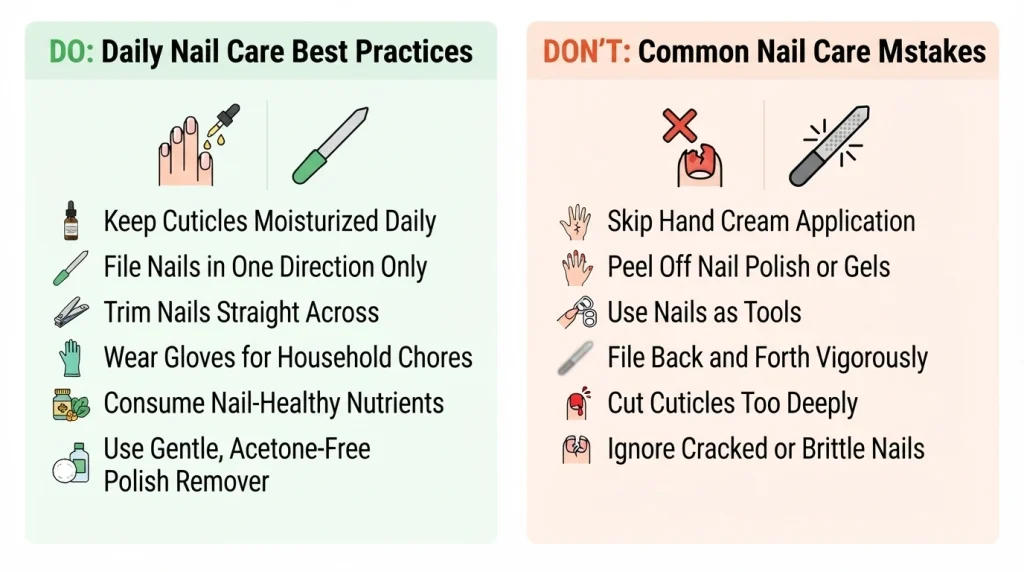
Do
- Apply cream after washing your hands.
- Keep cuticles intact and moisturized.
- Wear gloves during long wet chores.
- File snags gently and keep weak tips short.
- Choose simple, fragrance-free products if sensitive.
Don’t
- Soak weak nails repeatedly in hot water.
- Cut cuticles to make them look smoother.
- Peel off gel or acrylic products.
- Scrub peeling nails with harsh buffers.
- Expect moisturizer to repair an existing tear.
Wondering whether the temperature of your shower matters? Learn what hot water actually does to your nails before trying another soaking hack.
How Can You Get Better Results Without Buying More Products?
Pro Tip
Put a travel-size cream next to your hand soap. You’ll naturally remember to use it after washing, when your skin needs it most.
Make nighttime care your backup plan. Even if you forget during a busy day, a minute of cream and oil before bed keeps the routine going. A thin petroleum-jelly finish is especially handy during colder, drier weather.
Protect the free edge. When a nail has started peeling, gently shorten it rather than letting the split snag and spread. Moisturizer works best alongside sensible grooming, not as a substitute for it.
Don’t chase instant growth claims. Oils can condition the nail area, but there’s no good evidence that a trendy oil massage dramatically speeds up the nail matrix. Your best visible improvement often comes from avoiding breakage while new nail grows.
Which Nail Moisturizing Products Are Worth Trying?
Start with the three product types you already know: cream, oil, and ointment. These are practical options, not a requirement to buy everything.
Recommended Product
Fragrance-Free Rich Hand Cream
A richer hand cream is the most versatile first purchase because it conditions both your nails and surrounding skin after everyday washing. Compare ingredient lists and pick a texture you’ll actually use.
As an Amazon Associate, we earn from qualifying purchases.
Recommended Product
Jojoba Cuticle Oil
A small jojoba-oil bottle is convenient for quick massages around dry nail folds; choose a simple formula rather than paying extra for fragrance or dramatic growth promises.
As an Amazon Associate, we earn from qualifying purchases.
On a tight budget, a small tub of plain petroleum jelly is a sensible extra for rough cuticle edges. If you want to prevent bedding stains during overnight care, consider soft cotton moisturizing gloves. Neither is essential if your cream routine already works.
Why Do Your Nails Still Feel Dry After Moisturizing?
Your cuticles feel dry again within an hour
Try a thicker fragrance-free cream immediately, then repeat after the next wash. For bedtime, add a light ointment layer to slow moisture loss. Keep a small tube wherever you wash most frequently.
Your nails keep peeling at the tips
Shorten and gently smooth the loose edge instead of pulling it away. Protect your hands from prolonged water exposure; existing damage needs to grow out rather than being “sealed” by more oil.
Your cuticle oil stings or causes a rash
Stop that product and wash it off gently. Switch to a plain, fragrance-free moisturizer once irritation settles; avoid trying multiple fragranced oils on already inflamed skin.
Your manicure looks oily or won’t last
Move oil to the end of your manicure routine or apply it at bedtime. Before fresh polish, remove oily residue as directed by the polish manufacturer so the coating adheres properly.
When Should You Get Dry or Damaged Nails Checked?
Warning
Moisturizer isn’t a treatment for a nail infection or an unexplained nail disorder. Seek medical advice for pain, swelling, pus, nail lifting, persistent thickening or discoloration, or a new or changing dark streak. Don’t cover worrying changes with polish.
If you’re not sure whether your nail changes are ordinary dryness, compare them with these signs of unhealthy nails and speak to a dermatologist when anything looks unusual or persists.
Frequently Asked Questions About Moisturizing Nails
Q: Can you use regular hand lotion on your nails?
A: Yes. Rub your hand lotion or cream over the nail plate and surrounding skin. A thicker fragrance-free cream can be more comfortable if your hands are very dry.
Q: Is cuticle oil or hand cream better for dry nails?
A: Hand cream is the best everyday starting point because you can apply it after washing. Cuticle oil is a helpful extra for conditioning the skin bordering your nails.
Q: Should you soak your nails in olive oil?
A: You don’t need an oil soak. A few drops massaged around clean nails are less messy, and regular moisturizing plus protection from excess water is more important than a special soak.
Q: How often should you apply cuticle oil?
A: Once or twice daily is a reasonable routine for many people. You can adjust based on dryness and preference, but you don’t need to coat your nails constantly.
Q: Does moisturizing make nails grow faster?
A: Moisturizing isn’t proven to speed biological nail growth. Its main value is protecting your nails and cuticles, which may help you retain length by reducing dryness-related breakage.
What’s the Easiest Way to Keep Your Nails Moisturized?
Keep the routine simple: cream after washing, a little oil around dry cuticles, petroleum jelly when you want extra nighttime protection, and gloves for messy chores. You won’t undo every split overnight, but you’ll give your growing nails a better chance to stay comfortable and intact. Save this guide to Pinterest so your next at-home nail care night is easy to repeat.

Hi, I’m Jessica, the creator behind Unique Lash & Nails Katy.
I created this website for anyone who loves beautiful nails as much as I do. Here, I share trendy nail designs, seasonal manicure ideas, easy nail care tips, honest product recommendations, and step-by-step guides to help you create salon-worthy nails at home. Whether you’re looking for everyday inspiration or your next favorite nail trend, I hope you’ll find something you love.