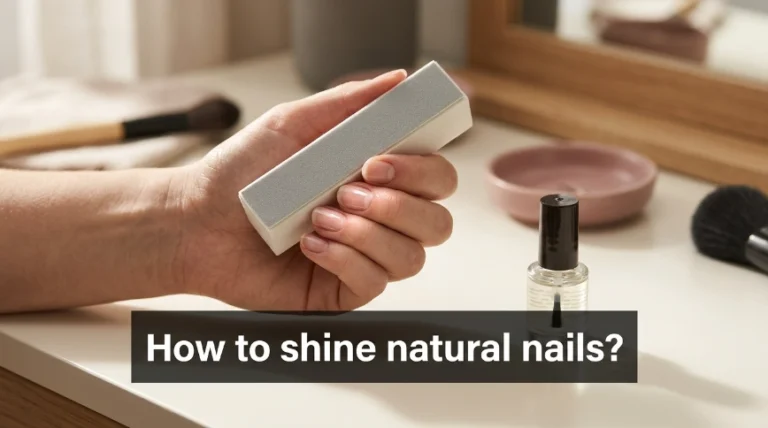
How to Moisturize and Hydrate Nails Naturally: 7 Easy Steps
Quick Answer
To moisturize and hydrate nails naturally, apply a small amount of jojoba oil, sunflower oil, coconut oil, or shea butter to slightly damp nails and cuticles, then massage it in for about a minute. Repeat after handwashing and before bed. Protecting your hands from long water exposure, harsh cleaners, and aggressive polish removal is just as important as adding moisture.
Time needed
5–10 minutes
Difficulty
Beginner
Items needed
3–4 basics
Best results
With daily use
When your nails look dull, your cuticles feel tight, or the edges keep peeling, it’s tempting to soak your fingertips in water and call them hydrated.
That isn’t the best approach. Long or repeated water exposure can leave already brittle nails more vulnerable to splitting. A better routine is to add moisture after normal handwashing and then slow that moisture loss with an oil, rich cream, or butter.
You don’t need an expensive nail treatment either. A few simple products and consistent habits can make your nail area look smoother, softer, and better cared for.
If you want to improve more than dryness, pair this routine with a complete healthy nail care routine so trimming, filing, cleaning, and moisturizing all work together.


What do you need to hydrate dry nails naturally?
You can create a useful nail-moisturizing routine with things you may already have at home.
- A gentle hand cleanser: Strong, heavily fragranced soaps can leave your hands and cuticles feeling tight.
- A natural oil: Jojoba, sunflower, or coconut oil can be massaged over the nail and surrounding skin.
- A richer moisturizer: Shea butter or a thick fragrance-free hand cream helps slow moisture loss.
- Cotton gloves: Optional, but useful for an overnight treatment when your hands are very dry.
You don’t need to use every oil you own. Choosing one product you enjoy using every day is usually more effective than buying five treatments that stay in a drawer.
Recommended Product
Jojoba-Based Cuticle Oil
A simple jojoba-based cuticle oil is easy to massage around your nails throughout the day without requiring a complicated treatment.
As an Amazon Associate, we earn from qualifying purchases.
How do you moisturize and hydrate your nails step by step?
 Save
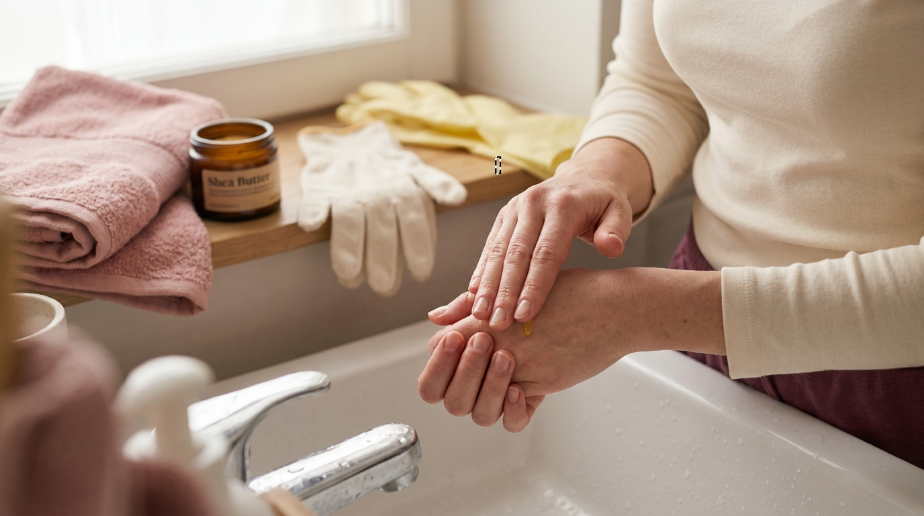
SaveThe goal isn’t to keep your nails wet. You’re trying to keep the nail plate, cuticles, and surrounding skin from becoming excessively dry while protecting them from habits that repeatedly strip moisture away.
1
Wash Your Hands Gently
Start with clean hands. Use lukewarm rather than very hot water, rinse away the cleanser completely, and pat your hands dry. Leave the skin around your nails just slightly damp instead of waiting until it feels completely dry and tight.
Common mistake: Soaking your nails for a long time because you think more water means more hydration. Repeated soaking and drying can be hard on brittle nails.
2
Massage Oil Around Each Nail
Place one small drop of jojoba, sunflower, or coconut oil on each nail area. Massage it across the nail plate, sidewalls, cuticle area, and skin around the fingertip for about 30 to 60 seconds.
You only need a thin layer. Your nails should look conditioned, not as though they’re dripping with oil.
Common mistake: Applying oil only to the visible cuticle line. Spread it over the entire nail and surrounding skin where dryness develops.
3
Seal Dry Areas With Shea Butter
If your cuticles and fingertips are especially dry, follow the oil with a tiny amount of shea butter or another thick moisturizer. Concentrate it around flaky skin, nail folds, and the sides of your nails.
This extra layer is especially useful before bed, during winter, or after frequent handwashing.
Common mistake: Using so much product that your hands stay slippery for hours. A thin, comfortable layer is easier to maintain consistently.
Pro Tip
Keep your cuticle oil beside your nighttime face moisturizer or phone charger. Connecting nail care to a habit you already do every evening makes it much easier to stay consistent.
4
Give Very Dry Nails an Overnight Treatment
For an intensive treatment, moisturize your nails normally before bed and put on lightweight cotton gloves. The gloves keep the product on your hands instead of transferring most of it to your bedding.
You don’t need to do this every night. Try it a few nights per week while your nail area feels particularly dry.
Common mistake: Wearing damp or non-breathable gloves overnight. Your hands should be clean and only lightly moisturized, not wet.
5
Reapply Moisture After Handwashing
If your hands are washed frequently, one nighttime application may not be enough. Massage a little hand cream or oil around your nails after washing whenever the area starts feeling dry.
A small bottle beside your sink, desk, or handbag makes this much easier.
Common mistake: Moisturizing your palms and knuckles but stopping before you reach your fingertips.
6
Protect Your Nails From Water and Cleaners
Wear household gloves when washing dishes, cleaning bathrooms, or doing other wet chores. Moisturizing repeatedly won’t help much if your nails spend long periods in detergent-filled water every day.
Protection is particularly important when you’re trying to recover from peeling, splitting, or frequent manicure removal.
Common mistake: Thinking gloves are only necessary for strong cleaning chemicals. Even repeated dishwashing can leave already-dry hands and nails feeling rougher.
7
Moisturize After Polish Removal
Polish remover can leave the nail area feeling noticeably dry, especially when you use it often. Once you’re finished removing polish and have washed away residue, massage moisturizer over your nails and cuticles.
If your nails are already peeling or splitting, consider keeping your next manicure simple while the damaged portion gradually grows out. This nail recovery routine explains how to protect compromised nails while you wait for healthier-looking growth.
Common mistake: Peeling or scraping polish off and then applying oil afterward. The scraping itself can remove surface layers of the nail.
Which natural oils are best for dry nails?
You don’t need a special “nail growth oil” to moisturize your nails. Several basic oils can work well simply because they soften and condition the nail area.
Jojoba oil
Jojoba oil feels lightweight and spreads easily, which makes it convenient for daytime use. If you dislike greasy fingertips, this is often one of the easiest options to work into a regular routine.
Sunflower oil
Sunflower oil is another lightweight option. Use only a drop or two and massage it over the nail plate and surrounding skin instead of pouring it directly onto your fingertips.
Coconut oil
Coconut oil is thicker and may suit you better as an evening treatment. Warm a tiny amount between your fingers before massaging it around the nails.
Shea butter
Shea butter is especially useful around rough cuticles and fingertips because it forms a richer protective layer than a light oil. Try it before bed when you don’t mind a heavier texture.
Warning
“Natural” doesn’t automatically mean irritation-free. Stop using an oil, butter, fragrance, or essential-oil blend if the skin around your nails becomes red, itchy, swollen, or uncomfortable.
Can Vaseline hydrate nails even though it isn’t a natural oil?
Yes, petroleum jelly can be useful when your goal is moisture retention. It doesn’t add water to a dry nail by itself; instead, it creates a protective layer that helps reduce moisture loss.
If you prefer plant-based products, shea butter or a rich oil-based balm may fit your routine better. If you don’t mind petroleum-based products, petroleum jelly is inexpensive and useful for overnight care.
For a deeper look at when it helps and how to apply it, see our guide to using Vaseline on nails and cuticles.
How long does it take to rehydrate dry nails?
Dry cuticles and surrounding skin can often feel softer after the first few applications. With consistent moisturizing, you may notice less roughness and a more conditioned appearance within several days.
Peeling, splitting, or visibly damaged nail plate takes longer because moisturizer can’t turn an already damaged section back into brand-new nail. You have to protect it while fresh nail gradually grows forward from the base.
Think in terms of weeks of consistent care rather than expecting one overnight oil treatment to completely change brittle nails.
Do
- +Moisturize after washing your hands.
- +Massage product around the nail and cuticle area.
- +Wear gloves for wet household chores.
Don’t
- −Soak brittle nails for long periods.
- −Pick or cut away healthy cuticle tissue.
- −Expect oils to repair damaged nail instantly.
What makes a natural nail-moisturizing routine work better?
Pro Tip
Apply your moisturizer while the nail area is still slightly damp after normal washing. You can then use an oil, butter, or ointment as the finishing layer instead of repeatedly soaking your nails.
Keep your nails reasonably short while they’re peeling. Long, thin edges catch on fabric and objects more easily. Smooth rough edges rather than waiting for them to tear.
Give the free edge some attention. When you apply oil, run the remaining product around the fingertip and underside of the free edge if it is accessible.
Don’t destroy your cuticles trying to make them look perfect. Dry cuticles usually need moisturizing more than aggressive trimming.
If your nails are dirty before applying oil, clean them gently first. Our step-by-step guide to cleaning nails at home shows how to remove debris without digging underneath the nail.
Why do my nails still feel dry after using cuticle oil?
The oil disappears almost immediately
Apply it more consistently rather than using a huge amount once a week. For very dry skin, follow the oil with shea butter, hand cream, or another richer moisturizer before bed.
Your nails improve and then become dry again
Look at your daily exposure. Frequent handwashing, dishwashing, cleaning solutions, cold air, and polish remover can keep removing moisture. Protect your hands during wet chores and reapply moisturizer afterward.
Your nail tips keep peeling
Keep the peeling area short and smooth it gently with a fine file instead of pulling layers away. Moisture helps flexibility, but existing damaged nail still has to grow out.
The skin around your nails becomes irritated
Stop the new product and simplify your routine. Fragrance and essential-oil blends can irritate some people even when they’re marketed as natural.
Which products make natural nail hydration easier?
 Save
SaveRecommended Product
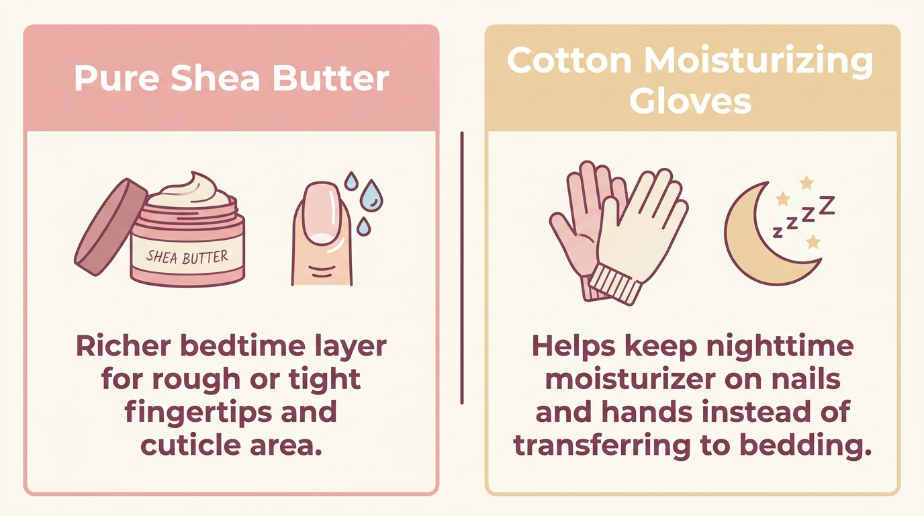
Pure Shea Butter
A small amount of shea butter works well as a richer bedtime layer when your fingertips and cuticle area feel rough or tight.
As an Amazon Associate, we earn from qualifying purchases.
Recommended Product
Cotton Moisturizing Gloves
Cotton gloves are useful when you want to leave your nighttime moisturizer on your nails and hands without coating your bedding.
As an Amazon Associate, we earn from qualifying purchases.
Frequently asked questions about hydrating nails naturally
Q: What is the best natural oil for dry nails?
A: Jojoba oil is a convenient choice because it’s lightweight and easy to massage around the nail and cuticle area. Sunflower and coconut oil can also work if you prefer their texture.
Q: How often should I moisturize my nails?
A: Start with at least once before bed. If you wash your hands frequently or your cuticles feel very dry, apply a small amount of moisturizer after washing several times throughout the day.
Q: Does soaking nails in olive oil hydrate them?
A: You don’t need a long soak. Massaging a small amount of oil into your nails and surrounding skin is less messy and easier to repeat regularly. Consistency matters more than filling a bowl with oil.
Q: Can drinking more water fix dry nails?
A: Normal hydration supports your overall health, but drinking extra water isn’t a direct treatment for dry or peeling nails. Protecting your nails from repeated water exposure and moisturizing the nail area directly are more practical steps.
Q: When should dry or brittle nails be checked by a professional?
A: Consider seeing a healthcare professional or dermatologist if nail changes are persistent, painful, swollen, unusually discolored, separating from the nail bed, or affecting only one nail without an obvious cause.
A simple routine is usually enough
You don’t need to soak your hands in elaborate DIY mixtures to hydrate your nails naturally. Start with gentle washing, apply a small amount of jojoba oil or another moisturizer, seal especially dry areas with shea butter, and protect your hands during wet chores.
The biggest difference comes from repeating those simple habits. Keep your favorite moisturizer where you’ll actually use it, give damaged nail time to grow out, and save this guide to Pinterest so your natural nail hydration routine is always easy to find.

Hi, I’m Jessica, the creator behind Unique Lash & Nails Katy.
I created this website for anyone who loves beautiful nails as much as I do. Here, I share trendy nail designs, seasonal manicure ideas, easy nail care tips, honest product recommendations, and step-by-step guides to help you create salon-worthy nails at home. Whether you’re looking for everyday inspiration or your next favorite nail trend, I hope you’ll find something you love.