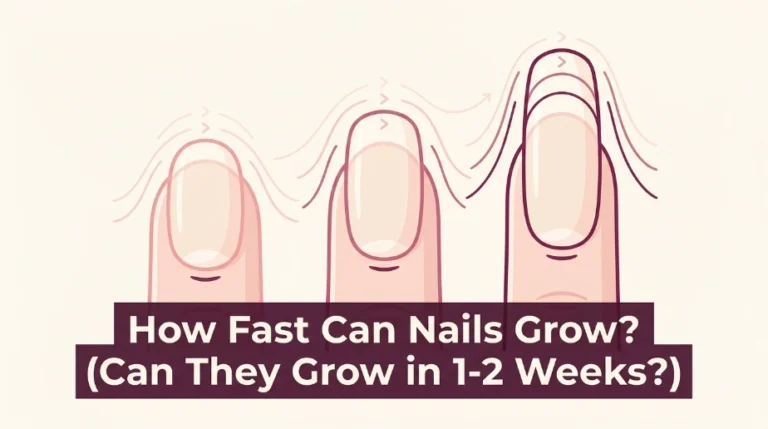
Are Nails Healthier Without Nail Polish? What Actually Helps
Quick Answer
Your nails aren’t automatically healthier without nail polish. Regular polish is generally fine when you remove it gently and check your nails between manicures. A break can help if your nails feel dry, peel, split, look chalky white, or have been repeatedly soaked in acetone, buffed, scraped, or covered with gel or dip.
If you love a glossy manicure but worry that your nails need to “breathe,” you can relax: nails don’t breathe. The visible nail plate is made of keratin, and it receives what it needs from the living tissue underneath and around it—not from the air.
That doesn’t mean every manicure habit is harmless. Wearing polish can hide early changes, while harsh removal can strip surface layers and leave your nails rough, thin, or brittle. The healthiest choice depends less on whether your nails are colored and more on what you apply, how you remove it, and what your nails look like when the color comes off.


Does Leaving Your Nails Bare Make Them Healthier?
Bare nails have one practical advantage: you can see and care for them easily. You can spot discoloration, lifting, cracks, grooves, or irritated skin sooner. Moisturizer and cuticle oil can also reach the nail surface without a polish layer in the way.
However, simply removing color doesn’t repair a damaged nail plate overnight. The nail you see is not living tissue, so a split or thinned area must grow forward and be trimmed away. A bare-nail period supports that process by reducing more chemical and mechanical stress.
If your nails are already smooth, comfortable, and normally colored, you don’t need to stop using regular polish just to make them “breathe.” You may be better served by using a base coat, removing color without scraping, and following a simple nail care routine between manicures.
Pro Tip
Take a clear photo of your bare nails after each removal. Comparing photos in the same lighting makes gradual peeling, yellowing, or lifting easier to notice than relying on memory.
What Actually Damages Nails During a Manicure?
The color layer usually isn’t the main problem. Damage more often comes from the steps before and after application. If you aggressively buff the nail plate, pick off gel, scrape away softened product, or soak in strong acetone frequently, you can remove thin layers of keratin along with the manicure.
Water exposure matters too. Nails absorb water, swell, and then contract as they dry. Repeating that cycle during dishwashing, cleaning, or long baths can encourage splitting. Polish may offer a little surface protection, but it can’t cancel out hours of wet work or exposure to cleaning chemicals.
Watch these common stressors:
- Peeling polish or gel off: The coating can take the upper layers of your nail plate with it, leaving rough, bendy patches.
- Over-buffing: Filing the surface until it feels hot or tender makes the nail thinner; shine isn’t worth soreness.
- Frequent acetone soaking: Acetone removes oils from the nail and surrounding skin, so repeated long soaks can cause dryness and irritation.
- Cutting living cuticle: The cuticle helps seal the gap between your nail and skin. Cutting too deeply creates a route for irritation or infection.
- Covering a changing nail: Repainting a thickened, lifting, painful, green, or dark-streaked nail can delay proper assessment.
Is Regular Nail Polish Safer Than Gel or Dip?
 Save
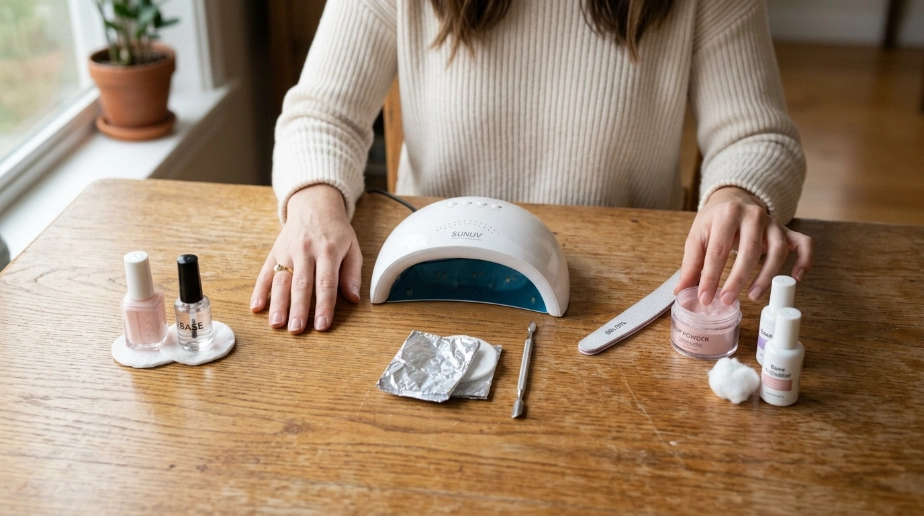
SaveFor most people, traditional air-dry polish is the gentlest option because it doesn’t require a curing lamp, heavy surface filing, or a long acetone soak. You can still develop dryness, staining, or an allergy to an ingredient, but removal is usually faster and involves less force.
Gel and dip manicures last longer because they form a tougher coating. The tradeoff is a more demanding removal process. Gel is commonly soaked and then pushed away; dip may involve filing plus acetone. When you repeat those steps back-to-back, the nail plate may become thin even if the product itself was applied neatly.
| Manicure type | Main concern | Gentler habit |
|---|---|---|
| Regular polish | Dryness or staining after long wear | Use base coat and gentle remover |
| Gel polish | Picking, scraping, acetone, and lamp exposure | Don’t peel; protect skin and remove patiently |
| Dip powder | Filing, long removal, and salon hygiene | Avoid communal dipping and allow recovery time |
If you repeatedly use long-wear systems, a bare period is sensible when removal leaves your nails soft, tender, or flaky. Learn whether your current habits match the guidance on applying nail polish frequently before booking another set.
What Changes When You Stop Wearing Nail Polish?
During the first few days, your nails may look duller or more uneven than you expected. That doesn’t mean going bare made them worse. Polish creates a smooth, light-reflecting surface, so removing it reveals the texture that was already underneath. Residual pigment may also make the tips look yellow or patchy.
After one or two weeks of gentle care, the biggest change is often in comfort rather than thickness. The skin around your nails may feel less tight, and flexible edges may snag less once you’ve kept them short and moisturized. Oil can improve the appearance of dry surface layers, but it doesn’t fuse a split nail back together.
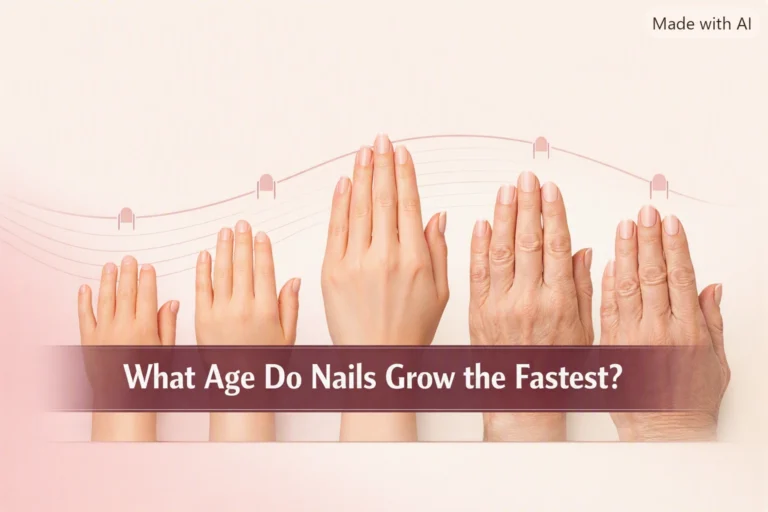
Over the following weeks, look at the narrow band growing from beneath the cuticle. That new section should gradually replace the older, damaged area. Fingernails grow slowly, and individual rates vary with age, health, season, injury, and which finger you’re watching. A complete visual reset can therefore take several months.
Going bare won’t correct every problem. If a nail remains thick, crumbly, detached, painful, or increasingly discolored, more waiting isn’t the answer. Those changes may need a proper diagnosis. Avoid covering the area simply because the bare nail makes you self-conscious.
When Should You Take a Break From Nail Polish?
Take a break when your bare nails are telling you something has changed. A few days without color may make moisturizing easier, but visible plate damage often needs several weeks to begin growing out. Fingernails generally need months—not days—to replace the full nail plate, so judge progress by the healthy new growth near the cuticle.
A two- to four-week break is a practical starting point after you notice mild surface dryness or chalky patches. During that time, keep nails short, moisturize them, and avoid another gel or dip removal cycle. If the problem doesn’t begin to improve, or if it looks more serious than simple dryness, get medical advice rather than extending home experiments.
Warning
Don’t cover a nail that is painful, swollen, lifting, green, unusually thick, or marked by a new dark streak. Polish can hide changes without treating the cause. A dermatologist can distinguish trauma, allergy, infection, and other nail conditions.
For a fuller visual checklist, compare your nails with these signs of unhealthy nails. Remember that appearance alone can’t confirm a diagnosis.
How Do You Give Your Nails a Healthy Polish Break?
1. Remove the manicure without peeling
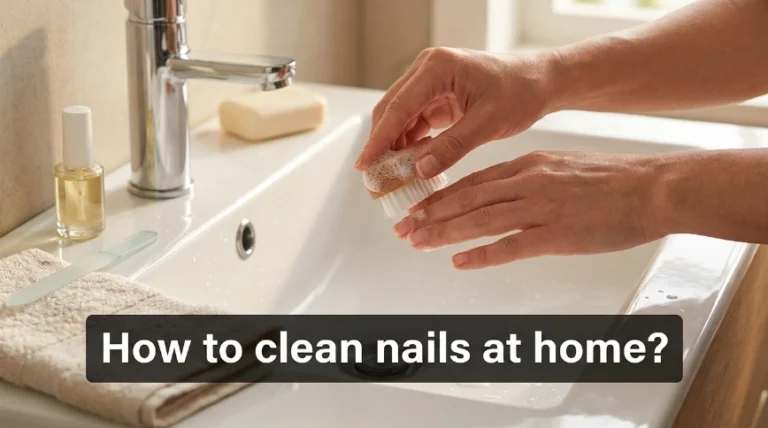
Use the correct remover for your product and give it time to work. For regular polish, press a remover-soaked pad onto the nail for several seconds, then wipe from cuticle to tip. Repeated hard rubbing creates unnecessary friction.
2. Trim and smooth weak edges
Keep recovering nails short enough that flexible tips don’t catch and tear. Use a fine glass file in controlled strokes, then stop once the snag is gone. Don’t thin the top surface to erase ridges or peeling.
3. Replace lost moisture
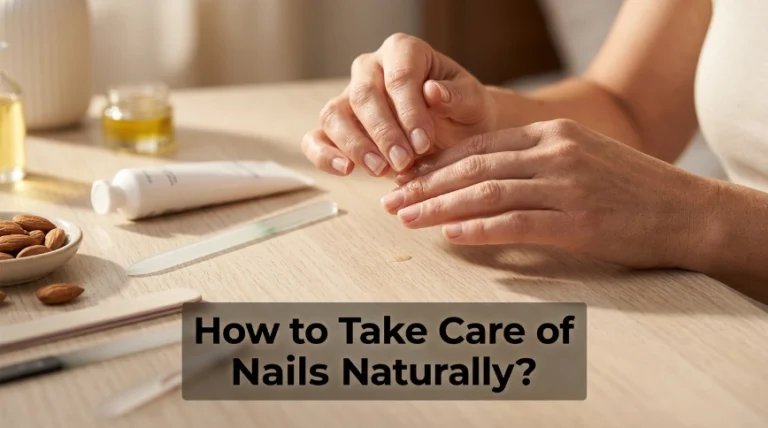
Massage cuticle oil around each nail, then apply a fragrance-free hand cream. Oil helps reduce the dry feel, while cream supports the surrounding skin barrier. Reapply after handwashing and before bed rather than relying on one heavy treatment each week.
4. Protect your hands from water and chemicals
Wear waterproof gloves for dishes and cleaning, ideally with a soft cotton lining if your hands sweat. This reduces repeated swelling and drying of the nail plate. Remove damp gloves promptly because trapped moisture can irritate the skin.
5. Watch the new growth
Check the area near your cuticle once a week. Smooth new growth suggests that the damaged portion is moving toward the free edge. If splitting begins at the base, discomfort develops, or multiple nails change together, schedule a professional evaluation.
You can build these steps into a broader guide on taking care of nails naturally without buying a complicated kit.
What Should You Put on Bare Nails?
You don’t need a cabinet full of treatments. A simple oil, a rich hand cream, and a gentle file cover most day-to-day needs. Hardeners deserve caution: a very rigid nail can snap instead of flexing, and some formulas may irritate sensitive skin.
Recommended Product
Jojoba Cuticle Oil
★★★★☆ Highly rated options on Amazon
A small daily drop makes dry nails and cuticles feel more flexible without requiring a complicated treatment.
As an Amazon Associate, we earn from qualifying purchases.
Recommended Product
Fine-Grit Glass Nail File
★★★★☆ Highly rated options on Amazon
A fine glass file smooths small snags with less aggressive abrasion than a coarse board when nails are peeling.
As an Amazon Associate, we earn from qualifying purchases.
Recommended Product
Acetone-Free Nail Polish Remover
★★★★☆ Highly rated options on Amazon
For ordinary polish, an acetone-free remover may feel less drying, though it can require more contact time for glitter or dark shades.
As an Amazon Associate, we earn from qualifying purchases.
Which Habits Keep Polished and Bare Nails Healthy?
Do
- +Inspect bare nails after every removal
- +Moisturize after washing and removal
- +Wear gloves for wet or chemical work
Don’t
- −Peel, pry, or scrape off product
- −Buff until the nail feels thin or hot
- −Use polish to hide pain or lifting
How Can You Return to Polish Without Repeating the Damage?
 Save
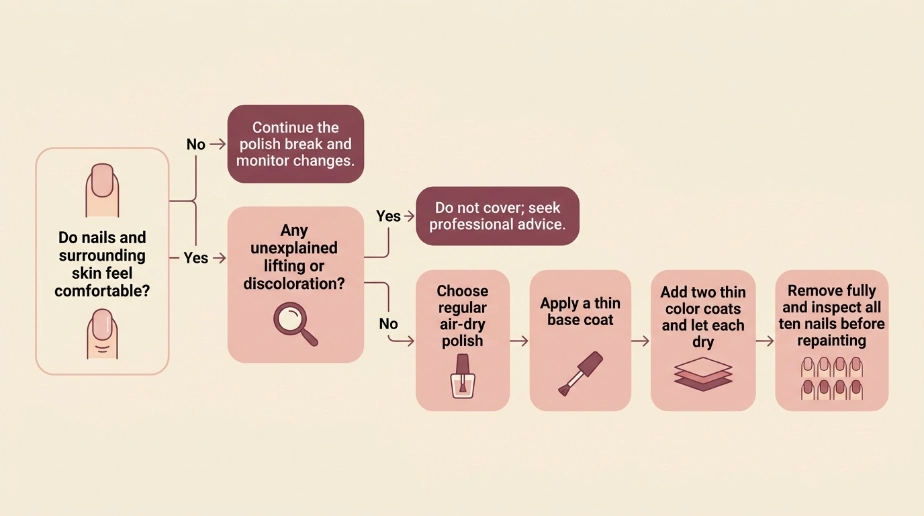
SaveYou don’t have to wait for every millimeter of old nail to grow out before using regular polish again. Return when the nails and surrounding skin feel comfortable, there’s no unexplained lifting or discoloration, and you can remove the next manicure without force. If gel or dip caused the problem, choose ordinary air-dry polish first so removal stays simple.
Start with clean, dry nails and apply a thin base coat. It reduces direct contact between dark pigment and the nail surface and gives color a more even foundation. Use two thin color coats rather than one thick coat, then let each layer dry. Thick layers tempt you to pick when they dent or peel.
Before repainting, remove the old color fully and inspect all ten nails in bright light. Don’t keep stacking fresh polish over chipped layers for weeks. That habit hides changes and makes eventual removal slower. If a shade leaves staining but the nail otherwise looks smooth and normal, give the pigment time to grow out and use base coat next time.
Choose your schedule based on how your nails respond, not a rigid rule from social media. One person may tolerate weekly regular manicures comfortably, while another develops dry skin from remover. Your best routine is the one that leaves the nail plate intact and gives you regular chances to check it.
Your diet matters when a deficiency is present, but supplements aren’t a shortcut for manicure damage. Eat a varied diet with enough protein, iron, zinc, and other nutrients. If several nails become brittle or change shape without an obvious manicure-related cause, ask a clinician whether an underlying condition or deficiency should be investigated.
Frequently Asked Questions
Q: Do nails need to breathe between manicures?
A: No. Nail plates don’t breathe or absorb oxygen from the air. A break is useful because it lets you inspect your nails, moisturize them directly, and avoid repeated removal—not because the nail needs air.
Q: How long should you leave nails bare?
A: Healthy nails don’t require a scheduled break from regular polish. If you notice dryness, peeling, or chalky white patches, start with two to four weeks and watch for healthier growth near the cuticle.
Q: Can wearing nail polish all the time turn nails yellow?
A: Dark pigments can stain the nail surface, especially without a base coat. Yellowing can also have other causes, so don’t assume polish is responsible if the color persists, thickens, spreads, or appears with lifting.
Q: Is clear polish healthier than colored polish?
A: Clear polish is less likely to leave visible pigment stains, but it isn’t automatically healthier. Formula sensitivity, wear time, preparation, and removal technique matter more than whether the bottle contains color.
Q: Will weak nails become strong after stopping polish?
A: They may improve if manicure trauma caused the weakness, but damaged nail must grow out. Protect new growth, avoid peeling and over-buffing, and seek advice if weakness affects many nails or continues without an obvious cause.
The Bottom Line
Your nails can be healthy with or without regular nail polish. Focus on gentle removal, daily moisture, protection from water and chemicals, and a close look at your bare nails between manicures. If your nails show damage, pause long-wear products and let healthy growth guide your return to color.
Save this guide on Pinterest so your next manicure starts with healthier habits—not a guilt-driven polish break.

Hi, I’m Jessica, the creator behind Unique Lash & Nails Katy.
I created this website for anyone who loves beautiful nails as much as I do. Here, I share trendy nail designs, seasonal manicure ideas, easy nail care tips, honest product recommendations, and step-by-step guides to help you create salon-worthy nails at home. Whether you’re looking for everyday inspiration or your next favorite nail trend, I hope you’ll find something you love.