Basic Nail Care for Beginners: 7 Easy Tips (43 characters)
Quick Answer
Basic nail care for beginners starts with seven simple habits: clean your nails gently, trim them when needed, smooth the edges with a fine nail file, moisturize your cuticles, apply hand cream, protect your hands from water and chemicals, and remove polish carefully. Spend 10–15 minutes on weekly maintenance and a few minutes moisturizing daily. You don’t need expensive salon products to maintain neat, healthy-looking nails.
Beautiful nails don’t have to begin with an expensive manicure or a drawer full of beauty products. A few gentle habits can help your natural nails look cleaner, smoother, and better cared for.
If you’re new to nail care, the confusing part is usually knowing what to do first—and what to avoid. This guide explains the essential tools, a beginner-friendly routine, and the mistakes that can leave nails looking damaged.
You’ll also learn how to care for your nails between manicures, whether you prefer natural nails, classic polish, or simple Pinterest-inspired designs.
Time needed
10–15 minutes weekly
Difficulty
Beginner
Items needed
5 essential products
Results
Neater nails immediately


What Nail Care Tools Do Beginners Actually Need?
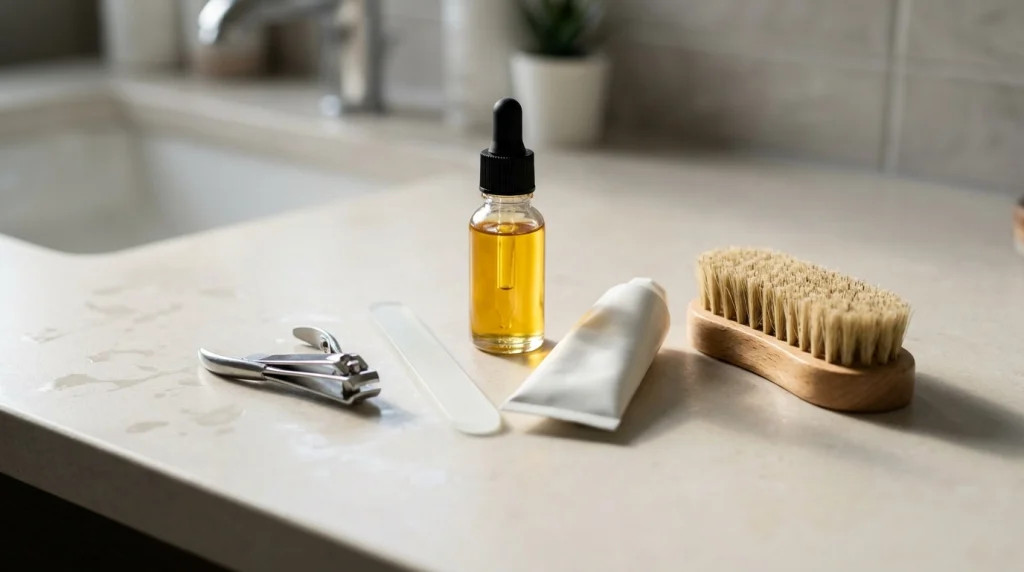
Your first nail care kit should be simple. You don’t need an electric drill, professional acrylic supplies, or a collection of expensive treatments to maintain natural nails at home.
Start with these five essentials:
- Nail clippers: Choose a sharp, comfortable pair that trims nails cleanly without crushing their edges.
- Fine-grit or glass nail file: A gentle file smooths rough corners and helps prevent snagging.
- Cuticle oil: Jojoba-based nail oil or a simple moisturizing oil helps soften dry skin around your nails.
- Hand cream: Look for moisturizing ingredients such as glycerin, petrolatum, or ceramides.
- Soft nail brush: A soft-bristle brush removes everyday dirt without requiring sharp cleaning tools.
If you enjoy wearing regular polish, you can also add a gentle polish remover, a base coat, your favorite nail color, and a top coat.
Keep your tools clean and store them somewhere dry. Avoid sharing personal manicure tools, especially anything that could accidentally nick your skin.
Recommended Product
Fine-Grip Glass Nail File for Natural Nails
A glass nail file gives you precise control when smoothing small snags, making it a practical first purchase for gentle natural nail maintenance.
As an Amazon Associate, we earn from qualifying purchases.
How Do You Take Care of Your Nails Step by Step?
The easiest basic nail care routine for beginners follows a natural order: clean, trim, shape, moisturize, and protect. You can complete the maintenance steps in one short session each week.
Step 1: Clean Your Nails Gently
1Wash and Dry Your Nails
Wash your hands with mild soap and lukewarm water. If dirt is visible under your nail tips, gently loosen it with a soft nail brush.
Rinse thoroughly and dry your fingertips, including the skin around your nails. Keeping your nails clean is important, but prolonged soaking isn’t necessary.
Common mistake: Digging underneath the nail with sharp metal tools. This can injure the sensitive skin beneath your nail and create a place for irritation or infection.
If your nails frequently collect dirt, follow this detailed guide on how to clean nails at home safely for a more thorough cleaning routine.
Step 2: Trim Your Nails to a Comfortable Length
2Trim Carefully
Use clean nail clippers to shorten nails that have grown longer than you prefer. Make several controlled cuts instead of forcing one large cut across a thick nail.
Leave a small comfortable free edge rather than clipping into the attached skin. Short, manageable nails can be easier to maintain when you’re learning.
Common mistake: Cutting nails extremely short. Trimming into sensitive skin can cause discomfort and make everyday activities unpleasant.
Step 3: File Your Nails Into a Simple Shape
3Smooth and Shape the Edges
Hold a fine-grit file against the free edge of each nail and use light, controlled strokes. Smooth rough corners until they no longer catch on fabric.
Rounded and squoval shapes are practical for beginners because they avoid very sharp corners. Choose the shape that feels comfortable with your natural nail length.
Common mistake: Using heavy pressure or a very coarse file. Aggressive filing can leave the free edge rough, especially when your nails already peel easily.
Step 4: Moisturize Your Cuticles Without Cutting Them
4Apply Cuticle Oil
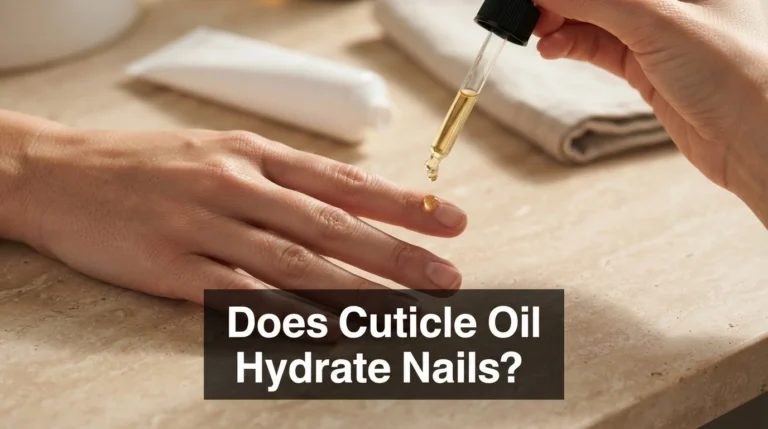
Place a small drop of cuticle oil around each nail and massage it gently into the surrounding skin. Focus on dry areas along the nail folds.
Regular moisturizing can improve the appearance and comfort of dry cuticles. You don’t need to cut healthy cuticle tissue to make your nails look neat.
Common mistake: Cutting or forcefully pushing back the skin at the nail base. Damaging this protective area can increase your risk of inflammation or infection.
Pro Tip
Keep a cuticle oil pen beside your bed. Applying it after your evening routine makes moisturizing easier to remember, especially if you frequently wash your hands throughout the day.
Step 5: Apply Hand Cream
5Hydrate Your Hands and Nails
Massage a small amount of hand cream over your fingers, knuckles, and nail folds. Choose a fragrance-free formula if your skin becomes irritated easily.
Apply cream after handwashing whenever possible. This helps replace moisture lost during cleansing and keeps the surrounding skin feeling soft.
Common mistake: Moisturizing only once your skin becomes cracked. Consistent care is easier than trying to manage severely dry skin later.
Step 6: Protect Your Nails During Household Tasks
6Wear Gloves for Wet Work
Wear household gloves when washing dishes, handling cleaning products, or doing other lengthy wet tasks. Water exposure and detergents can contribute to dry skin and fragile nails.
Remove your gloves afterward, dry your hands, and apply moisturizer. Choose gloves that fit comfortably so your hands aren’t constantly rubbing against the material.
Common mistake: Assuming washing dishes is harmless to a fresh manicure. Repeated soaking and detergent exposure can make already-fragile nails more vulnerable to splitting.
Step 7: Finish With Polish Only If You Want To
7Apply a Simple Protective Manicure
If you enjoy painted nails, start with a clean, dry nail plate. Apply one thin layer of base coat, one or two thin color coats, and a top coat according to the product instructions.
Let each layer dry as directed. You can also leave your nails bare; polish is optional, not a requirement for healthy nails.
Common mistake: Painting over oily or wet nails. Residue on the nail surface can interfere with polish adhesion and cause premature lifting.
For another beginner-friendly walkthrough, explore this step-by-step nail care guide before attempting your first home manicure.
What Is the Easiest Daily Nail Care Routine?
Consistency matters more than spending an hour on occasional manicures. Your daily routine can take only two or three minutes once you get comfortable with the basics.
Morning: Check and Protect
After washing your hands, dry them thoroughly and apply moisturizer. Check whether any nail edges feel rough enough to snag on clothing.
If you notice a small snag, smooth it gently with your nail file instead of pulling or biting it. Keep your nails at a length that works with typing, cooking, and other everyday activities.
During the Day: Prevent Unnecessary Damage
Use the pads of your fingers rather than your nail tips when opening containers, scraping labels, or pressing difficult buttons. Keep a small hand cream nearby if your hands feel dry after frequent washing.
When doing dishes or cleaning, use gloves instead of repeatedly exposing your bare hands to detergents.
Before Bed: Restore Moisture
Massage cuticle oil around each nail, then finish with hand cream. If your skin is particularly dry, a small amount of petroleum jelly over the moisturizer can help reduce moisture loss overnight.
For a more detailed approach to maintaining your nails between manicures, see our guide on how to take care of nails daily.
How Often Should Beginners Do Nail Care?
Your fingernails grow gradually, so there’s no reason to trim, file, or polish them every day. A simple schedule keeps maintenance manageable.
- Every day: Wash and dry your hands, apply moisturizer, and protect your nails during wet household work.
- Several times a week: Apply cuticle oil whenever the surrounding skin feels dry, ideally daily.
- Once a week: Check nail length, file rough edges, and clean your personal manicure tools.
- Every one to two weeks: Trim nails when needed, based on your preferred length and growth rate.
- When changing polish: Remove the old manicure gently and inspect your natural nails before repainting.
Healthy fingernails typically grow around 3 millimeters per month, although growth varies from person to person. That means damaged portions need time to grow out rather than being instantly repaired by a cream or polish.
You may notice neater edges and softer skin after your first routine. Changes that depend on new nail growth require more patience.
Which Nail Care Products Are Worth Buying First?
If you’re choosing between dozens of nail products, prioritize everyday usefulness rather than trendy packaging. Start with tools and moisturizers you can use consistently.
1. Cuticle Oil for Dry Skin Around Nails
A jojoba-based oil is a convenient option because it spreads easily and softens dry-looking skin. A small brush pen is useful when you’re traveling or working at a desk.
Recommended Product
Jojoba Cuticle Oil Pen
A portable oil pen makes daily cuticle moisturizing convenient without needing a full manicure setup.
As an Amazon Associate, we earn from qualifying purchases.
2. Moisturizing Hand Cream
Look for a hand cream containing glycerin and barrier-supporting ingredients such as ceramides. Choose fragrance-free products if scented creams irritate your skin.
Recommended Product
CeraVe Therapeutic Hand Cream
A ceramide-containing hand cream is a practical choice for moisturizing dry hands and the skin surrounding your nails.
As an Amazon Associate, we earn from qualifying purchases.
3. Base Coat for Regular Nail Polish
If you wear traditional nail polish, a thin base coat can help improve polish adhesion and reduce direct contact between colored pigment and your natural nails.
You don’t need a separate ridge filler, hardener, and strengthening treatment when you’re just starting. Begin with one appropriate base coat and see how your nails respond.
Recommended Product
Essie Here to Stay Base Coat
A straightforward base coat is useful when you’re learning to apply regular polish in smooth, thin layers.
As an Amazon Associate, we earn from qualifying purchases.
What Nail Care Mistakes Should Beginners Avoid?
Some popular manicure habits look harmless in short videos but can cause problems when repeated. Avoiding unnecessary damage is often more valuable than buying another treatment.
Cutting Healthy Cuticles
Your cuticle area helps protect the base of your nail. Cutting into living skin can create small wounds, so moisturize instead of aggressively removing it.
Peeling Off Gel or Regular Polish
Picking polish off your nails can pull surface layers away with it, especially with gel manicures. Use the removal method designed for the product rather than scraping or forcing it off.
Buffing the Nail Surface Too Often
Buffing removes a small amount of the nail surface. Frequent or aggressive buffing can make nails thinner, particularly if they’re already damaged.
Using Nails as Tools
Opening cans, scratching off stickers, or prying objects apart with your nails creates unnecessary leverage on the free edge. Use a suitable tool instead.
Believing Every Nail Growth Hack
Internet remedies involving lemon juice, toothpaste, or harsh household chemicals are not necessary for basic nail care. Some can irritate your skin without offering a proven nail benefit.
Warning
Nail pain, increasing redness, swelling, pus, significant nail lifting, or a new unexplained dark streak should not be treated as a routine cosmetic problem. Contact a qualified healthcare professional for evaluation rather than hiding the change under polish.
What Are the Do’s and Don’ts of Basic Nail Care?
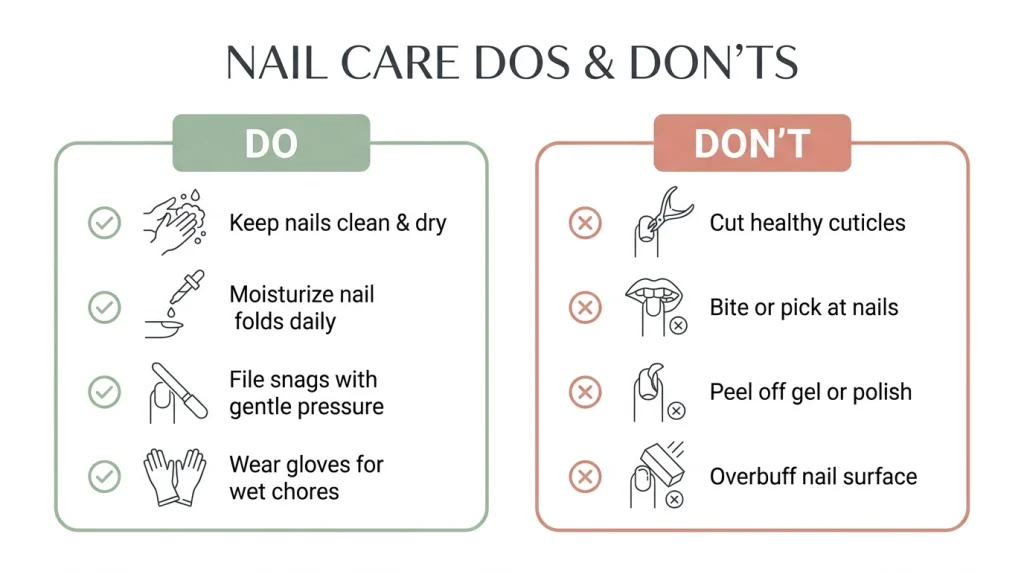
Do
- Keep nails clean and dry.
- Moisturize your nail folds daily.
- File snags with gentle pressure.
- Wear gloves for wet chores.
- Clean manicure tools after use.
- Remove nail products carefully.
Don’t
- Cut healthy cuticles deeply.
- Bite or pick at nails.
- Peel off gel manicures.
- Overbuff the nail surface.
- Use sharp tools under nails.
- Ignore painful nail changes.
How Can You Make Your Beginner Nail Routine More Effective?
Once the basics feel natural, a few small adjustments can make your routine easier to maintain.
Pro Tip: Keep Your Nails Short While Learning
Start with short, rounded or squoval nails. They’re often easier to file evenly, less likely to catch on objects, and more comfortable for everyday tasks than very long pointed nails.
Pro Tip: Separate Moisturizing From Polish Application
Apply oil during your regular care routine, but clean and dry the nail plate before polishing. This keeps moisturizer from interfering with the bond between the polish and your nail.
Pro Tip: Take a Weekly Nail Photo
Take one photo each week in similar lighting. This makes it easier to notice changes in nail length, surface condition, and cuticle dryness without relying on memory.
When your beginner routine becomes comfortable, you can explore a more consistent simple nail care routine for healthy, strong nails that fits your schedule.
Frequently Asked Questions About Basic Nail Care for Beginners
Q: What is the first step in nail care for beginners?
A: Start by washing your hands, cleaning visible dirt gently, and drying your nails completely. Then check the nail edges and trim or file them only if needed.
Q: How often should beginners moisturize their cuticles?
A: Daily moisturizing is a practical starting point. Apply cuticle oil or hand cream after washing your hands or before bed, especially if the skin around your nails becomes dry.
Q: Can I maintain healthy nails without nail polish?
A: Yes. Nail polish is optional. Cleanliness, gentle trimming, filing, moisturizing, and protecting your nails during household work are more important basic care habits.
Q: How long does it take to see results from a nail care routine?
A: Your nails can look neater immediately after cleaning and shaping. Softer skin may be noticeable within days, while changes involving new fingernail growth generally take several weeks or months.
Q: Do beginners need a nail hardener or nail growth serum?
A: Not usually. Begin with gentle maintenance and moisturizing before purchasing specialty treatments. Persistent brittleness or unexplained nail changes may require professional evaluation rather than another cosmetic product.
Start Your Nail Care Journey With Simple Habits
Basic nail care for beginners doesn’t require professional skills or a large beauty budget. Start by keeping your nails clean, filing them gently, moisturizing regularly, and protecting them from unnecessary damage.
Consistency makes these simple habits easier to maintain. Save this beginner nail care guide to Pinterest so you can follow your routine whenever your nails need a little extra attention.

Hi, I’m Jessica, the creator behind Unique Lash & Nails Katy.
I created this website for anyone who loves beautiful nails as much as I do. Here, I share trendy nail designs, seasonal manicure ideas, easy nail care tips, honest product recommendations, and step-by-step guides to help you create salon-worthy nails at home. Whether you’re looking for everyday inspiration or your next favorite nail trend, I hope you’ll find something you love.