How to Strengthen Weak Nails: Easy Daily Care Tips
Quick Answer
To strengthen weak nails, keep them short, apply hand cream and cuticle oil daily, wear gloves during cleaning, and file rough edges gently. Avoid peeling off gel polish, aggressive buffing, and harsh nail hardeners. These habits help prevent new damage while healthier nail grows out. Expect gradual improvement rather than an overnight transformation.
If your nails bend, peel, or break whenever they start growing, you’re probably tired of starting your manicure over again. The good news? You don’t need expensive treatments or complicated salon routines to begin protecting them.
Learning how to strengthen weak nails starts with understanding what causes brittleness and making a few consistent changes. This guide covers practical strengthening methods, helpful products, common mistakes, and a simple recovery routine you can follow at home.


Why Are Your Nails Weak and Breaking?
Your fingernails are made primarily of keratin, a structural protein. When the nail plate becomes damaged or brittle, its layers may separate, its edges may split, or the entire nail may break under everyday pressure.
Several factors can contribute to weak nails, and sometimes more than one is involved.
1. Frequent Water Exposure
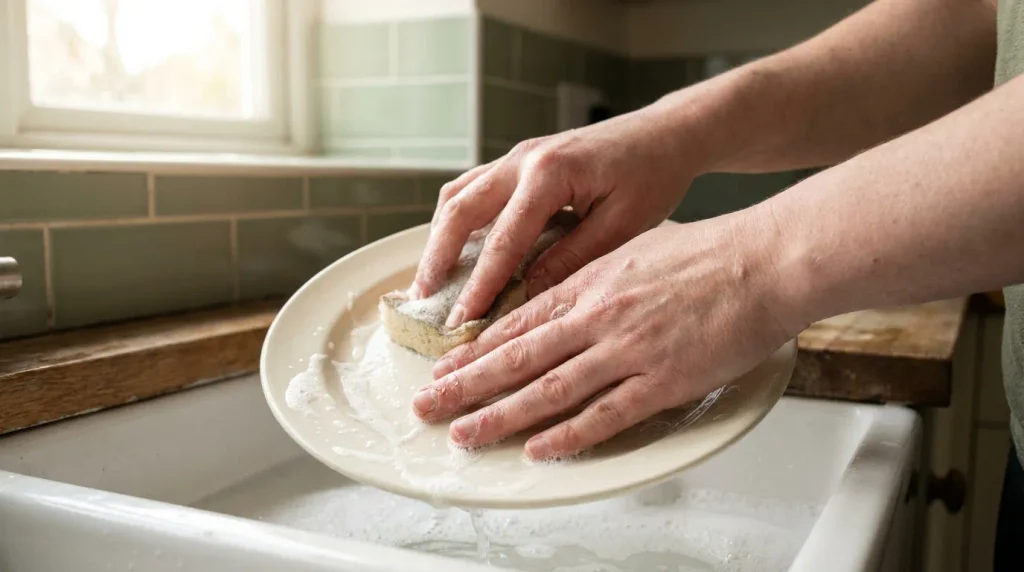
Repeatedly wetting and drying your hands can contribute to nail splitting. Nails absorb water and change as they dry, and frequent exposure to detergents makes the problem worse.
If you regularly wash dishes, clean bathrooms, or work with wet hands, protecting your nails during those activities should be one of your first changes.
2. Gel, Acrylic, and Dip Manicure Damage
Gel and acrylic products don’t automatically damage every nail. However, aggressive preparation, scraping, excessive filing, and improper removal can thin or injure the natural nail plate.
If your nails became noticeably weaker after removing extensions, focus on gentle care while the affected portion grows out.
3. Dry Nails and Cuticles
Harsh removers, repeated handwashing, and dry environments may leave nails and surrounding skin feeling rough. Dry, brittle edges are more vulnerable to catching and splitting.
Regular moisturizing helps protect the nail surface and improve flexibility, especially when combined with less exposure to irritating products.
4. Mechanical Stress
Opening cans, peeling labels, typing against hard surfaces with long nails, or picking at polish can cause repeated small injuries.
Even an otherwise healthy nail can break when its free edge repeatedly hits hard surfaces.
5. Health and Nutritional Factors
Sometimes persistent nail changes relate to conditions such as iron deficiency, thyroid disorders, skin disease, or fungal infections. These aren’t the most common explanation for every broken nail, but they deserve consideration when symptoms persist.
If you notice sudden changes, pain, nail separation, swelling, unusual discoloration, or weakness affecting many nails, speak with a healthcare professional rather than relying only on cosmetic treatments.
What Are the Best Ways to Strengthen Weak Nails?
The most useful approach combines protection, moisture, and gentle maintenance. Each method serves a different purpose, so you can adjust your routine around the cause of your nail damage.
1. Moisturize Your Nails and Cuticles Every Day
Daily moisturizing is one of the easiest ways to care for brittle nails. Products containing petrolatum, glycerin, mineral oil, or other moisturizing ingredients can help reduce dryness around the nail plate.
Apply hand cream after washing and massage a small amount around your nails. At bedtime, use cuticle oil or petroleum jelly to give dry areas additional protection.
Best for: Nails that feel dry, rough, or prone to splitting.
Benefits: Affordable, easy to repeat, and useful for surrounding skin.
Limitations: Moisturizer cannot instantly repair a severely damaged nail plate.
Pro Tip
Keep a small hand cream beside your soap dispenser. Applying moisturizer immediately after drying your hands makes the habit easier to maintain throughout the day.
2. Keep Your Nails Short While They Recover
Long nails create more leverage when they hit objects, which can lead to painful cracks or breaks.
Trim weak nails so that only a small free edge extends beyond your fingertip. A short squoval shape, combining a mostly straight edge with gently rounded corners, is practical for many people.
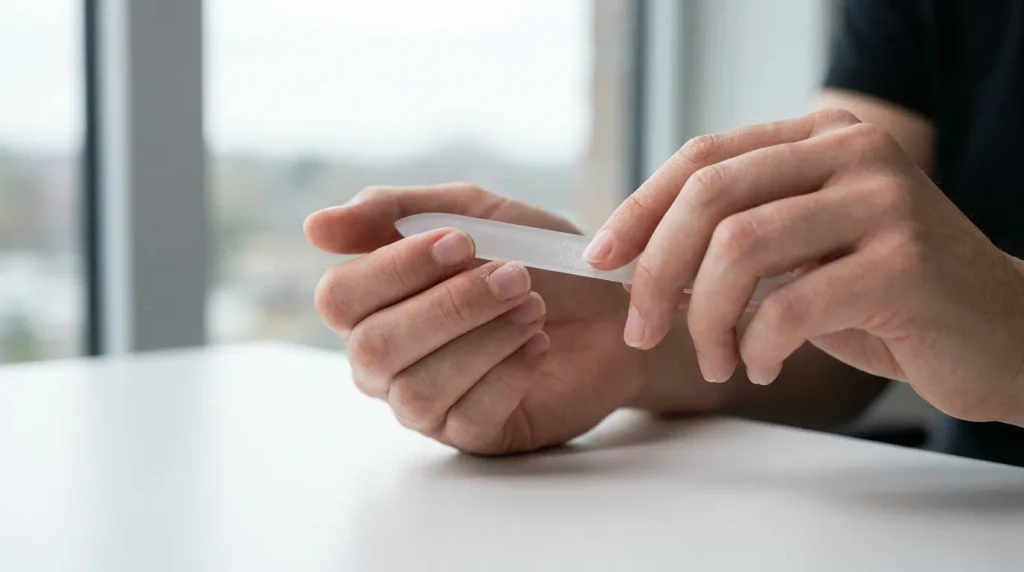
Use clean nail clippers and smooth rough edges with a fine-grit or glass nail file. Avoid filing the top surface to remove ridges because doing so removes nail material.
Best for: Nails that snap repeatedly or split near the tips.
Benefits: Reduces snagging and everyday mechanical stress.
Limitations: Short nails may not suit your preferred manicure length temporarily.
For a complete maintenance routine, follow this step-by-step nail care guide.
3. Wear Protective Gloves for Wet Household Work
Household protection is especially important when water and cleaning products contribute to your nail problems.
Wear well-fitting waterproof gloves for dishwashing and cleaning. If your hands become sweaty inside them, consider cotton liners and remove the gloves when you’re finished.
Dry your hands thoroughly afterward, then apply moisturizer.
Best for: Anyone frequently exposed to water, detergents, or cleaning chemicals.
Benefits: Reduces exposure to common environmental triggers.
Limitations: Gloves need to stay clean and dry inside to remain comfortable.
4. Change How You Remove Nail Polish
Peeling polish, especially cured gel products, can pull away superficial layers of your natural nails.
For regular polish, use an appropriate remover with a cotton pad and avoid aggressive rubbing. Acetone-free options may feel less drying for some people, although they aren’t automatically harmless and can require longer contact.
For gel products, follow the manufacturer’s removal instructions or visit a trained nail technician. Never force off material that remains firmly attached.
Best for: Nails weakened after frequent manicures.
Benefits: Helps prevent avoidable surface damage.
Limitations: Proper removal may require more patience than peeling or scraping.
5. Take a Break From Damaging Nail Enhancements
If your nails are painfully thin, peeling, or splitting after artificial nails, reducing repeated enhancement and removal cycles can help prevent additional damage.
You don’t necessarily have to avoid decorative manicures forever. Instead, let the affected nail grow out and return to cosmetic treatments when your nails are in better condition.
Choose a salon that uses gentle preparation and avoids aggressive filing of the natural nail.
Best for: Nails damaged by acrylic, dip, gel, or repeated removal.
Benefits: Gives newly growing nail a better chance to remain undamaged.
Limitations: Existing surface damage must grow out; it cannot be permanently reversed by a cream.
You can explore more recovery habits in this guide to making damaged nails healthy again.
6. Eat a Balanced Diet Instead of Relying on Nail Supplements
Your body needs adequate nutrition to produce healthy nail tissue. A balanced eating pattern that includes protein, iron-containing foods, zinc, and essential vitamins supports overall health.
Consider foods such as eggs, beans, lentils, fish, leafy greens, nuts, and seeds. The exact balance should suit your dietary needs.
Biotin supplements are widely marketed for nail strength, but evidence of meaningful benefits in people without a deficiency is limited. High-dose biotin can also interfere with important blood tests.
Don’t start high-dose iron, zinc, or biotin simply because your nails are brittle. A healthcare professional can help identify whether a deficiency or another condition needs treatment.
Best for: Supporting normal nail growth and addressing confirmed nutritional gaps.
Benefits: Supports overall health rather than depending on cosmetic fixes.
Limitations: Supplements don’t reliably strengthen nails when there is no underlying deficiency.
What Daily Routine Helps Weak Nails Recover?
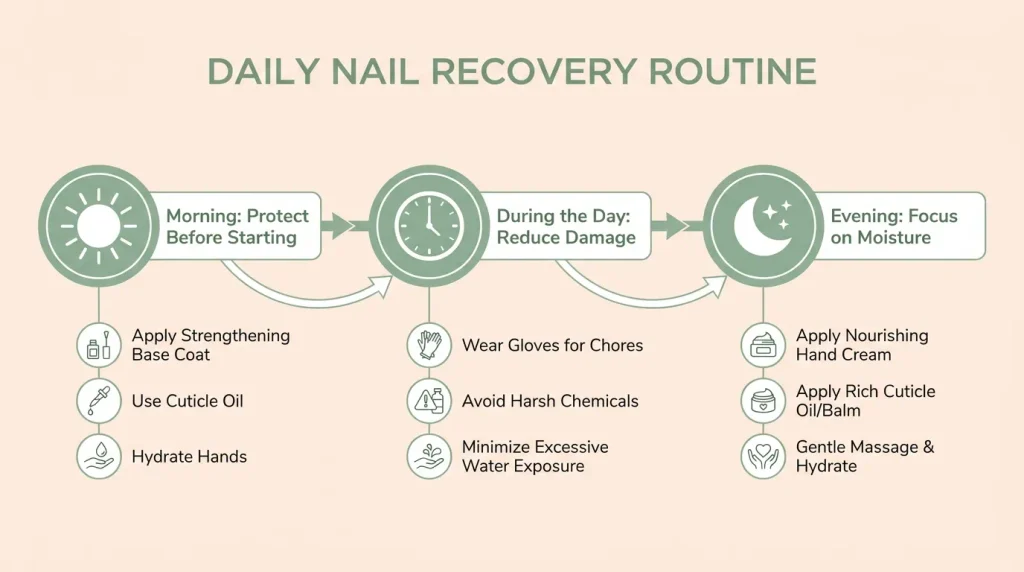
You don’t need a lengthy routine. A few minutes of care every day, plus occasional trimming, is usually more manageable than constantly changing products.
Morning: Protect Before Starting Your Day
- Wash your hands gently and dry them thoroughly.
- Apply moisturizer to your hands, nails, and surrounding skin.
- Check for sharp edges that could snag clothing.
- Prepare gloves if you’ll be cleaning or washing dishes.
This morning routine takes only a couple of minutes. Its main goal is preventing the small injuries that accumulate throughout the day.
During the Day: Reduce Repeated Damage
- Reapply moisturizer after frequent handwashing.
- Use tools rather than fingernails to open packages.
- Avoid picking at polish or peeling nail layers.
- Keep your hands dry when you finish wet work.
If you frequently work with your hands, shorter nails may be more practical until splitting improves.
Evening: Focus on Moisture
- Wash away visible dirt without scraping underneath the nails.
- Pat your hands completely dry.
- Massage moisturizer or cuticle oil around each nail.
- Use a thin layer of petroleum jelly on especially dry areas if suitable for your skin.
For more everyday maintenance ideas, see our daily nail care routine.
Weekly: Trim and Check Your Progress
Once a week, inspect your nails for splitting, peeling, rough edges, or irritation. Trim when necessary and file only enough to smooth the shape.
Take a photograph every few weeks if you want to track improvement. Comparing photographs is often more useful than checking your nails constantly throughout the day.
How Long Does It Take to Strengthen Weak Nails?
Strengthening weak nails is a gradual process because the visible nail plate is largely made of nonliving keratin. A damaged section does not heal like living skin; it moves forward as new nail grows.
Fingernails commonly grow around 3 millimeters per month, although growth rates vary. Replacing an entire fingernail can take approximately four to six months, sometimes longer.
Here’s a practical way to think about progress:
- First week: Moisturizing may make dry skin and cuticles feel more comfortable. Shortening nails may immediately reduce snagging.
- Weeks 2-4: Consistent protection may help you experience fewer new breaks, although results vary.
- Weeks 4-8: You may notice a growing band of healthier-looking nail near the base if damaging habits have stopped.
- Months 3-6: More of the previously damaged nail may have grown out, allowing a clearer assessment of your routine.
These are general expectations, not guaranteed treatment timelines. If your nails continue deteriorating despite careful maintenance, seek professional advice.
What Should You Do and Avoid With Weak Nails?
Do
- Moisturize nails daily.
- Keep weak nails short.
- Use a gentle nail file.
- Wear gloves for cleaning.
- Protect your cuticles.
- Remove polish carefully.
Don’t
- Peel off gel polish.
- Overbuff the nail plate.
- Cut living cuticle tissue.
- Use nails as tools.
- Rely on harsh hardeners.
- Ignore painful changes.
Important Nail Safety Warning
Avoid formaldehyde-containing nail hardeners when treating brittle nails. Excessively stiff nails may become more prone to breaking. If a nail becomes painful, lifts from the nail bed, develops an unusual dark streak, or shows swelling or infection, consult a dermatologist.
Which Products Are Useful for Weak Nails?
You don’t need an expensive collection of nail products. Choose a few practical items that protect your nails and make your care routine easier to maintain.
Disclosure: This article contains Amazon affiliate links. As an Amazon Associate, we earn from qualifying purchases. Product availability, prices, and suitability can vary.
Recommended Product
Jojoba Cuticle Oil
Jojoba-based cuticle oil is a convenient way to soften dry skin around your nails and make daily moisturizing easier.
Look for a simple formula and avoid fragrances if your skin is sensitive.
Affiliate link — Amazon search results.
Recommended Product
Fine-Grain Glass Nail File
A smooth glass nail file helps shape natural nails with greater control. Choose one designed for natural nails and use light pressure on the free edge.
Avoid filing the nail surface to make ridges disappear.
Affiliate link — Amazon search results.
Recommended Product
Cotton-Lined Waterproof Cleaning Gloves
Protective gloves reduce direct exposure to detergents and prolonged water contact. A comfortable, properly fitted pair is especially useful if you do household cleaning frequently.
Affiliate link — Amazon search results.
Recommended Product
Fragrance-Free Hand and Nail Moisturizer
Choose a cream or ointment containing ingredients such as glycerin, petrolatum, or mineral oil. These help support dry skin and reduce moisture loss.
For sensitive skin, a simple fragrance-free formula is a practical starting point.
Affiliate link — Amazon search results.
What Expert Habits Make the Biggest Difference?
Protect Your Nails Before They Break
Prevention is easier than managing repeated splits. If a nail develops a tiny snag, smooth it promptly instead of waiting for it to catch on fabric.
Avoid Overusing Nail Hardeners
Harder doesn’t always mean healthier. A nail that becomes excessively rigid may snap under pressure rather than flex slightly.
If you want to try a protective nail coating, choose a gentle product without formaldehyde and stop using it if you experience irritation, dryness, or increased splitting.
Leave Your Cuticles Intact
The cuticle area helps protect the developing nail from outside irritants. Cutting or aggressively pushing back this protective tissue can lead to injury and infection.
Focus on moisturizing rather than removing it for appearance alone.
Make Your Routine Easy to Repeat
Place your moisturizer where you will actually use it: beside your sink, at your desk, or next to your bed.
Consistent protection matters more than switching between trendy treatments every few days. If you prefer a very simple approach, our beginner-friendly nail care routine offers more everyday ideas.
Why Are Your Nails Still Peeling or Breaking?
If you’re following a strengthening routine but your nails still feel weak, look for the specific problem instead of adding more products.
Problem: Nails keep peeling in layers.
Immediate fix: Trim the peeling edge and smooth it gently without pulling away layers. Prevention: Reduce repeated wet work and avoid aggressive polish removal.
Problem: Nails bend and tear easily.
Immediate fix: Keep them short and avoid activities that place pressure on the free edge. Prevention: Minimize unnecessary buffing, scraping, and enhancement removal.
Problem: Nails feel dry and rough.
Immediate fix: Apply a moisturizing cream to your nails and surrounding skin. Prevention: Moisturize after handwashing and protect your hands from repeated detergent exposure.
Problem: Nails remain weak despite careful maintenance.
Immediate fix: Review whether there are persistent changes in color, thickness, shape, or attachment. Prevention: Seek a dermatology assessment when the problem persists or worsens, rather than repeatedly covering it with cosmetic products.
Frequently Asked Questions About Weak Nails
Q: How can I strengthen weak nails naturally?
A: Keep your nails short, moisturize regularly, wear gloves for wet work, and avoid harsh filing or peeling polish. A balanced diet supports nail growth, while consistent protection helps prevent additional breakage.
Q: Can weak nails become strong again?
A: Yes, many nails can improve when damaging habits stop and healthier nail grows out. However, the improvement depends on the underlying cause, and existing nail-plate damage must gradually grow forward.
Q: Is cuticle oil good for weak nails?
A: Cuticle oil can help soften dry skin around your nails and complement regular moisturizing. It isn’t a permanent repair treatment, but it can make a gentle nail-care routine more comfortable.
Q: Does biotin make weak nails stronger?
A: Evidence for biotin supplements is limited in people without a deficiency. High doses can interfere with laboratory tests, so ask a healthcare professional before taking supplements specifically for brittle nails.
Q: How long should I keep my nails short?
A: Keep them short while they’re actively breaking or splitting. As healthier nail grows and breakage becomes less frequent, you can gradually increase the length while continuing protective habits.
Final Thoughts: Build Stronger Nails Through Consistent Care
Knowing how to strengthen weak nails isn’t about finding one miracle product. Your best starting point is regular moisturizing, gentle shaping, protection from water and chemicals, and patience while damaged areas grow out.
Start with the habits you can maintain every day, and adjust your routine if your nails remain fragile.
Save this guide to your Pinterest nail-care board so you can revisit these simple strengthening tips whenever your nails need extra attention.

Hi, I’m Jessica, the creator behind Unique Lash & Nails Katy.
I created this website for anyone who loves beautiful nails as much as I do. Here, I share trendy nail designs, seasonal manicure ideas, easy nail care tips, honest product recommendations, and step-by-step guides to help you create salon-worthy nails at home. Whether you’re looking for everyday inspiration or your next favorite nail trend, I hope you’ll find something you love.