Water and Chemicals Affect Weak Nails: Easy Protection
Quick Answer
Water and chemicals can make weak nails more vulnerable to peeling, splitting, and breaking. Repeated wetting and drying stresses the nail plate, while detergents, solvents, and harsh nail products can damage its protective structure. Protect your nails by wearing gloves during wet chores, limiting chemical exposure, keeping nails short, and moisturizing after washing. Consistent care helps prevent additional damage while healthier nail growth gradually replaces fragile sections.
Have you noticed your nails peeling after washing dishes or breaking more easily after a week of cleaning? Your everyday routine might be contributing to the problem.
Your fingernails are strong enough for many daily activities, but they aren’t completely waterproof or resistant to chemicals. Repeated exposure can gradually make an already fragile nail plate more likely to split.
Understanding how water and chemicals affect weak nails helps you identify damaging habits, choose safer products, and protect your natural nails without giving up your favorite manicures.


Why Do Water and Chemicals Make Your Nails Weak?
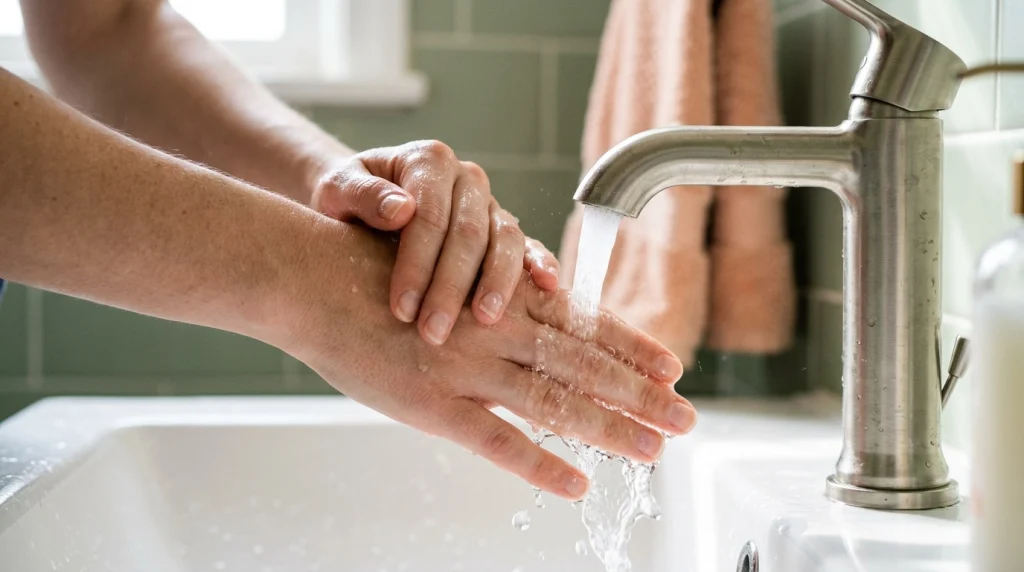
Your nails consist primarily of keratin, a tough structural protein arranged in compact layers. These layers work together to give the nail plate its firmness, flexibility, and resistance to everyday pressure.
Although nails look solid, they absorb water and respond to environmental conditions. Repeated exposure to moisture, cleaning products, and mechanical stress can affect how well their layers stay together.
Three important processes explain why your nails may become more fragile.
1. Repeated Wetting and Drying Stresses Nail Layers
When your nails absorb water, their physical properties change. As they dry, they return toward their previous state.
These repeated wet-to-dry cycles can contribute to splitting, particularly when your nail plate is already damaged or brittle.
Think about how often your hands become wet during an ordinary day. Washing dishes, showering, cleaning, and frequent handwashing can expose your nails to repeated moisture changes.
One brief handwashing session isn’t likely to ruin healthy nails. The greater concern is frequent or prolonged exposure without enough protection.
2. Harsh Chemicals Affect Nail Structure
Your nail plate contains structural proteins and lipids that contribute to its physical properties. Repeated contact with certain solvents and harsh products can interfere with this structure.
Cleaning agents may also irritate or dry the skin around your nails. When the surrounding skin becomes cracked or inflamed, your nail area can become uncomfortable and more vulnerable to problems.
The degree of damage depends on the chemical, its concentration, contact time, and how frequently you use it.
3. Existing Nail Damage Makes Breakage More Likely
Water and chemicals aren’t the only reasons nails become weak. Over-filing, peeling off gel polish, repeatedly applying artificial nails, and using your nails as tools can also contribute.
When these problems overlap, an already thin or rough nail may split more easily during wet work.
If you’re unsure what originally weakened your nails, explore these practical ways to care for weak, thin, and brittle nails.
What Are the Signs of Water- or Chemical-Damaged Nails?
Damage doesn’t always appear suddenly. You may first notice subtle changes around your fingertips before the nail itself begins splitting.
- Peeling nail tips: Thin layers separate near the free edge of your nails.
- Frequent splitting: Small cracks appear after routine activities.
- Rough surfaces: Nails feel uneven or catch on clothing.
- Repeated breakage: Nails snap before reaching your preferred length.
- Dry surrounding skin: Cuticles and nail folds become rough, flaky, or irritated.
- Increased fragility: Your nails seem less able to tolerate everyday pressure.
These symptoms can occur after repeated exposure to water or chemicals, but they aren’t proof that exposure is the only cause.
Medical conditions, nutritional deficiencies, inflammatory skin conditions, and nail infections can sometimes produce similar changes.
Important Warning
Pain, swelling, pus, substantial nail lifting, unexplained discoloration, or a new dark streak requires professional assessment. Don’t assume every nail change is caused by cleaning products or water exposure.
How Does Frequent Water Exposure Damage Weak Nails?
Water is essential for hygiene, and you shouldn’t avoid necessary handwashing. The goal is to reduce unnecessary soaking and protect your nails during long periods of wet work.
Washing Dishes Without Gloves
Dishwashing combines warm water, detergents, repeated hand movements, and prolonged contact with moisture.
Warm water itself isn’t automatically harmful. However, spending extended periods washing dishes can expose your nails to repeated hydration changes while detergents contact your skin.
If your nails already peel, wearing suitable protective gloves is one of the simplest changes you can make.
Taking Long Baths or Soaking Nails
Long baths and deliberate nail soaking can leave your nails temporarily more flexible. The repeated transition from prolonged soaking to drying may contribute to fragility in susceptible nails.
You don’t need to avoid bathing. Instead, skip unnecessary nail-soaking treatments marketed as essential for strengthening your nails.
Frequent Handwashing
If you work in healthcare, food preparation, beauty services, or another profession involving frequent handwashing, your nails may experience more wet-to-dry cycles.
Always follow appropriate hygiene rules. After washing, dry your hands carefully and apply a moisturizer whenever practical.
Use a hand cream that contains helpful moisturizing ingredients such as glycerin, petrolatum, or dimethicone.
Leaving Hands Damp
Moisture trapped beneath gloves or around the nail folds may irritate your skin and create conditions that favor certain infections.
Dry your hands before putting on protective gloves. Change gloves or inner cotton liners if they become wet.
Pro Tip
Keep a small tube of fragrance-free hand cream near your kitchen sink. After wet chores, dry your hands and massage a little cream over the nails, cuticles, and fingertips. This makes moisturizing an easy part of your existing routine.
Which Chemicals Are Most Likely to Affect Weak Nails?
Different products create different risks. Some primarily irritate your skin, while others can contribute to nail dryness, brittleness, or damage during manicure removal.
Dishwashing Liquid and Laundry Detergent
Detergents contain surfactants that help remove oils and dirt. Their cleaning ability is useful for household tasks, but repeated direct exposure may irritate your hands and worsen dryness.
Choose a mild product when possible, and use suitable gloves for extended cleaning.
If your skin stings, cracks, or develops a rash, stop direct contact with the suspected irritant and seek medical advice if symptoms persist.
Bleach and Strong Household Cleaners
Bleach, concentrated degreasers, and some disinfectants can irritate skin, especially when used improperly or without protection.
Read the product label before cleaning. Follow its instructions for dilution, ventilation, and chemical-resistant gloves.
Never mix bleach with ammonia, acids, or other household cleaners. Dangerous gases can form.
For a closer look at cleaning-related risks, see this guide explaining how cleaning products affect nails.
Acetone and Nail Polish Removers
Acetone dissolves many nail coatings effectively, but repeated or prolonged exposure can leave nails and surrounding skin feeling dry.
Non-acetone removers aren’t necessarily harmless. They also contain solvents and may require more rubbing, depending on the polish.
The safest approach is to use a remover appropriate for your manicure, avoid unnecessary soaking, and moisturize after removal.
Gel, Acrylic, and Nail Enhancement Products
Gel and acrylic nail systems involve multiple chemical products, and certain ingredients can cause irritation or allergic contact dermatitis.
Another major concern is mechanical damage from aggressive filing, scraping, or peeling during removal.
If your nails already feel thin, consider taking a break from enhancements while the damaged nail grows out.
Never peel off a lifting gel manicure. Removing the coating forcefully can pull surface layers from your natural nail.
Nail Hardeners Containing Formaldehyde
Some nail hardeners use formaldehyde-related chemistry to increase nail hardness. Excessive hardening can make certain brittle nails less flexible and more prone to breaking.
If your nails are already splitting, avoid assuming the strongest hardener is the best treatment.
A gentle protective routine is often more appropriate than repeatedly applying aggressive strengthening products.
How Can You Protect Weak Nails From Water and Chemicals?
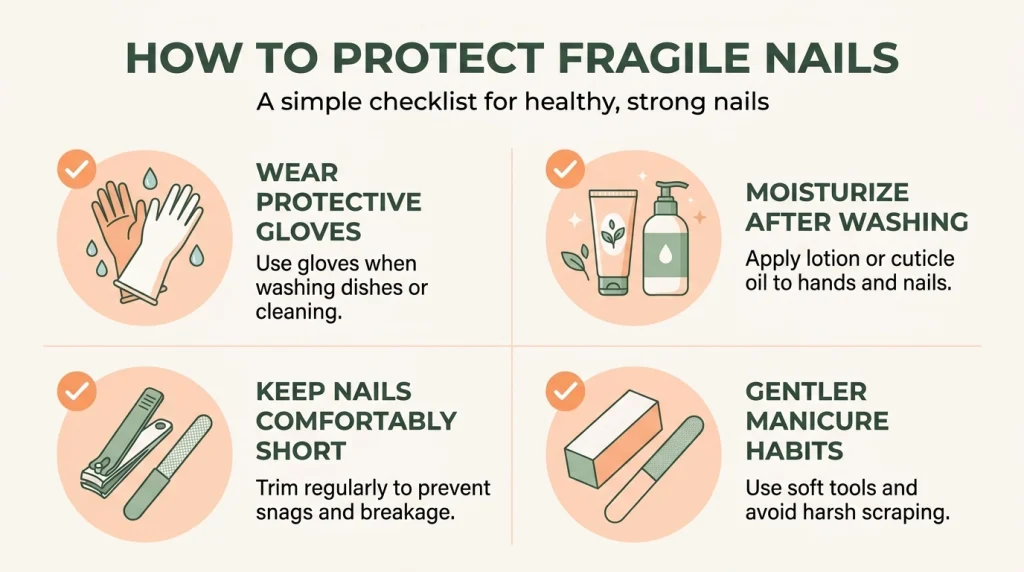
You don’t need an expensive collection of nail treatments to start protecting your nails. Focus on reducing unnecessary exposure and preventing additional physical damage.
Wear Protective Gloves for Wet Chores
Use waterproof gloves when washing dishes, cleaning bathrooms, or handling products that could irritate your skin.
For chemical cleaning, choose gloves recommended by the product’s manufacturer. Not every glove material protects against every chemical.
If your hands become sweaty inside gloves, a clean cotton liner can improve comfort during longer tasks.
Remove gloves when your work is finished, then dry and moisturize your hands.
Moisturize After Washing
Apply hand cream after washing whenever practical. Massage it over your fingernails and the skin surrounding them.
A fragrance-free cream is particularly useful if your skin is easily irritated. For very dry hands, a small amount of plain petrolatum can help reduce moisture loss.
Cuticle oil can be an optional finishing step, but it doesn’t replace the need to reduce damaging exposures.
Keep Your Nails Comfortably Short
Long nails experience more leverage when they hit objects or catch on fabrics. If your nail tips are fragile, keeping them shorter can reduce accidental breaks.
Trim your nails straight across and gently round the corners with a fine nail file.
Avoid filing the entire nail surface to make it appear smooth. This removes material from an already vulnerable nail plate.
Choose Gentler Manicure Habits
You can still enjoy nail polish while caring for weak nails. What matters most is avoiding unnecessary trauma during preparation and removal.
- Don’t aggressively buff your natural nail surface.
- Avoid scraping away stubborn polish or gel.
- Remove products according to their instructions.
- Use moisturizing cream after nail polish removal.
- Inspect your bare nails before applying another manicure.
If your nails are significantly damaged, your safest option may be to avoid artificial enhancements until they recover.
Avoid Using Your Nails as Tools
Opening cans, scraping labels, and prying objects apart may seem harmless, but these activities place stress on the nail edge.
Use an actual tool instead. This small habit becomes especially important when your nails are already weakened by frequent wet work.
What Daily Routine Helps Protect Weak Nails?
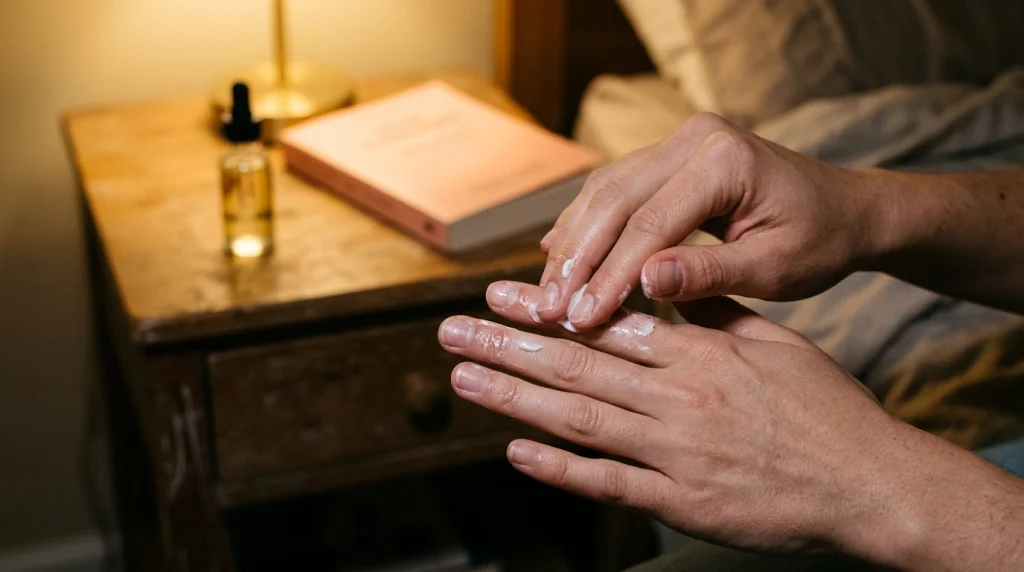
A simple routine works best when it fits into activities you already do. You don’t need to spend an hour on nail care every evening.
Morning: Prepare Your Nails for the Day
Start by checking your nails for snags or small splits. Gently smooth a rough edge before it catches on clothing.
Apply a fragrance-free hand cream and massage a little over each nail.
If you plan to clean or wash dishes, place suitable gloves nearby before starting.
During the Day: Reduce Unnecessary Exposure
Wash your hands as needed for hygiene, then dry them carefully.
Wear gloves for prolonged wet tasks and follow safety instructions when using cleaning chemicals.
If your fingertips feel dry after repeated washing, reapply moisturizer as soon as practical.
Evening: Support Your Nail-Care Routine
Before bed, inspect your nails and apply a generous layer of hand cream.
You can add a small amount of cuticle oil around the nail folds if you enjoy using it.
Don’t cut healthy cuticles or push aggressively against the skin at your nail base.
For a more complete schedule, follow this daily nail care routine for healthier nails.
What Should You Do and Avoid When Your Nails Are Weak?
Do
- Wear suitable gloves for wet chores.
- Moisturize after handwashing.
- Keep fragile nails short.
- File rough edges gently.
- Use nail products as directed.
- Dry your hands after cleaning.
Don’t
- Soak nails unnecessarily.
- Handle harsh cleaners barehanded.
- Peel off gel polish.
- Overbuff thin nail plates.
- Use nails to open objects.
- Ignore painful nail changes.
How Long Does It Take for Weak Nails to Recover?
You may notice that your fingertips feel more comfortable within days of reducing irritating exposures and moisturizing consistently.
However, repairing the appearance of a damaged nail plate takes much longer. The part of your nail that has already grown out cannot rebuild itself like living skin.
Instead, new nail grows from the nail matrix beneath the skin near its base.
Fingernails commonly grow around 3 millimeters per month, although the rate varies. Replacing an entire fingernail may take approximately four to six months.
First 1–2 Weeks
Your surrounding skin may feel less dry, and carefully filed edges may catch less often.
Don’t expect previously split nail layers to fuse back together during this stage.
Weeks 3–6
With consistent protection, you may experience fewer new breaks. Changes depend on your existing damage, routine, and any underlying causes.
Continue wearing gloves and avoid restarting habits that repeatedly traumatize your nails.
Months 2–6
As your nails grow, damaged portions can gradually be trimmed away.
Healthy-looking new growth is encouraging, but persistent or worsening changes deserve medical evaluation.
If you need more help maintaining your nails during this period, explore these simple habits that help strengthen your nails.
Which Products Can Help Protect Weak Nails?
The most useful nail-care purchases are often practical products that help you avoid irritation and reduce unnecessary damage.
You don’t need every item below. Choose products based on your specific routine.
Recommended Product Type
Cotton-Lined Reusable Cleaning Gloves
Useful for reducing prolonged water and detergent contact during everyday household chores. Check chemical compatibility before handling strong cleaning agents.
Find Cleaning Gloves on Amazon
As an Amazon Associate, we earn from qualifying purchases.
Recommended Product Type
Fragrance-Free Moisturizing Hand Cream
A cream containing glycerin, petrolatum, or dimethicone can help reduce skin dryness after repeated handwashing. Apply it to your nails and surrounding skin.
As an Amazon Associate, we earn from qualifying purchases.
Optional Nail-Care Product
Jojoba-Based Cuticle Oil
Cuticle oil can condition dry skin around your nails. It’s an optional addition to your moisturizing routine, not a treatment that permanently repairs damaged keratin layers.
As an Amazon Associate, we earn from qualifying purchases.
Product note: These are product-category recommendations, not personally tested products. Prices, ratings, and individual product suitability have not been verified.
Can Water and Chemical Damage Be Reversed?
Existing splits and peeling layers cannot be permanently restored to their original structure with an oil, serum, or nail hardener.
However, you can often reduce further damage by protecting your nails from repeated wet work, avoiding harsh removal methods, and keeping fragile edges trimmed.
Moisturizers can improve the condition of dry surrounding skin and help your nails feel better cared for.
As new nail grows, you’ll gradually be able to remove damaged sections through normal trimming.
If your nails continue deteriorating despite careful protection, don’t keep switching cosmetic treatments. A dermatologist can assess whether another condition is involved.
When Should You See a Dermatologist for Weak Nails?
Many mild cases of nail brittleness improve with changes to everyday habits. Some problems, however, require a professional diagnosis.
Arrange a medical evaluation if you notice:
- Persistent weakness despite reducing damaging exposures.
- Sudden changes affecting several nails.
- Pain, bleeding, swelling, or discharge.
- Nails separating significantly from the nail bed.
- New dark streaks or unexplained changes in color.
- Marked thickening, crumbling, or abnormal nail growth.
Nail changes can sometimes accompany fungal infections, psoriasis, eczema, thyroid disorders, or iron deficiency.
Don’t begin high-dose supplements or assume you have a deficiency without appropriate medical advice.
Frequently Asked Questions About Water, Chemicals, and Weak Nails
Q: Can washing dishes every day weaken your nails?
A: Yes, prolonged daily exposure to water and detergents may contribute to peeling and splitting in susceptible nails. Wearing appropriate gloves and moisturizing afterward can help reduce the risk.
Q: Does soaking your nails in water make them stronger?
A: No. Soaking temporarily changes the moisture content of your nails, but it doesn’t permanently strengthen the nail plate. Frequent prolonged soaking may worsen splitting in already-fragile nails.
Q: Can cleaning chemicals permanently damage your nails?
A: Repeated chemical exposure can damage the existing nail plate, but damaged sections may gradually grow out. Severe chemical injuries or damage involving the nail matrix can have longer-lasting consequences and require medical care.
Q: Is acetone worse than non-acetone nail polish remover?
A: Both types contain solvents that can contribute to dryness. The best option depends on the nail coating and removal method. Avoid prolonged exposure, harsh rubbing, and peeling, regardless of the remover you choose.
Q: What is the fastest way to protect weak nails?
A: Keep them comfortably short, smooth sharp edges, wear gloves during wet chores, and moisturize after washing. These habits can reduce additional breakage immediately, although damaged nail layers take months to grow out.
Final Thoughts: Protect Your Nails Before Damage Builds Up
Understanding how water and chemicals affect weak nails makes it easier to protect your hands without overcomplicating your beauty routine. Reduce prolonged wet work, avoid unnecessary exposure to harsh products, and moisturize consistently.
Your most effective strategy is preventing new damage while healthier nails grow. Small protective habits practiced every day can make a meaningful difference over time.
Save this guide to your Pinterest nail-care board so you can revisit these practical tips whenever your nails need extra protection.

Hi, I’m Jessica, the creator behind Unique Lash & Nails Katy.
I created this website for anyone who loves beautiful nails as much as I do. Here, I share trendy nail designs, seasonal manicure ideas, easy nail care tips, honest product recommendations, and step-by-step guides to help you create salon-worthy nails at home. Whether you’re looking for everyday inspiration or your next favorite nail trend, I hope you’ll find something you love.