Cracked Nails After Manicure? Simple Care and Fixes
Quick Answer
If your nails crack after a manicure, stop picking or buffing them,
trim only loose length, gently smooth small snags, and moisturize
your nails and cuticles several times daily. Avoid gel, acrylics,
and nail glue while the damaged area grows out. A crack that
extends into the attached pink nail, bleeds, hurts, or shows
swelling needs medical assessment rather than a cosmetic patch.
Noticing cracked nails after a manicure can be upsetting, especially when you expected your nails to look neat for weeks. Maybe the tips have started splitting, or a thin line appeared after removing gel or acrylics. The best next step is not another product-filled manicure. It is figuring out how deep the damage goes, preventing more tearing, and giving new nail a chance to grow.
This care guide explains why post-manicure cracks happen, what you can safely do at home, which products are actually useful, and when you should skip DIY fixes.


Why Do Nails Crack After a Manicure?
Your natural nail plate is made mainly of layers of keratin. Those layers can become thin, dry, or mechanically damaged during nail preparation and removal. A manicure does not automatically cause cracking, but certain techniques and repeated treatments raise the risk.
Over-filing or aggressive buffing
Removing too much of the nail surface leaves less material to withstand everyday bending. You might first notice paper-thin tips that fold backward or tiny splits running from the edge. Buffing the visible damage again generally makes this worse, not better.
Peeling off gel, dip, or acrylic products
When a coating remains firmly attached, pulling it away can lift layers of natural nail along with the product. That can leave chalky patches, uneven texture, and weak edges. If you recently removed gel, our guide to protecting nails after gel removal explains how to minimize further stress.
Dryness from removal and repeated washing
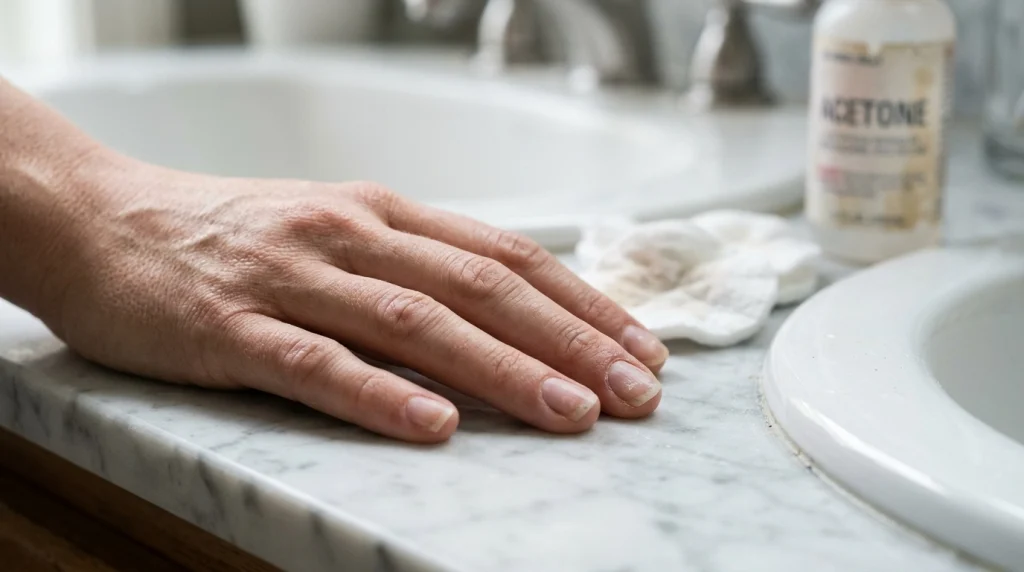
Acetone can dry nails and nearby skin, particularly with repeated exposure. Frequent cycles of wetting and drying may also contribute to brittleness. Dryness alone is not always the cause, but it can make an already compromised nail easier to snag.
Length, leverage, and daily impact
Long nail extensions increase the leverage on your natural nail when you accidentally strike a drawer or catch a nail on clothing. Even a small side crack can lengthen with continued pressure. Keep damaged nails shorter until the vulnerable portion grows out.
Something other than manicure damage
Not every crack is cosmetic. Skin conditions, infections, previous injuries, and some medical problems can affect nails. If changes recur without a clear manicure-related trigger, involve a dermatologist rather than assuming the salon caused them.
How Can You Tell Whether a Cracked Nail Is Minor or Serious?
Look at your nails in bright, natural light before deciding what to do. Location and symptoms matter more than whether the crack looks dramatic in a photo.
- Small split at the white free edge: Usually easier to manage with gentle shortening and snag prevention if there is no pain or bleeding.
- Peeling layers at the tip: Often suggests surface damage or brittleness, especially after product removal.
- Vertical crack starting at a side edge: Can catch repeatedly; avoid pulling it and watch whether it extends into attached nail.
- Crack through the pink attached nail: May involve sensitive tissue beneath the plate and deserves medical guidance.
- Discoloration, lifting, or inflamed skin: Could indicate irritation, injury, or infection and should not be hidden with polish.
Warning
Get prompt medical advice if a crack bleeds, is deeply painful, extends into the attached nail, or comes with warmth, pus, worsening redness, or significant nail lifting. Do not seal a suspected infection or open wound under polish, glue, gel, or an artificial tip.
What Should You Do Immediately When a Nail Cracks?
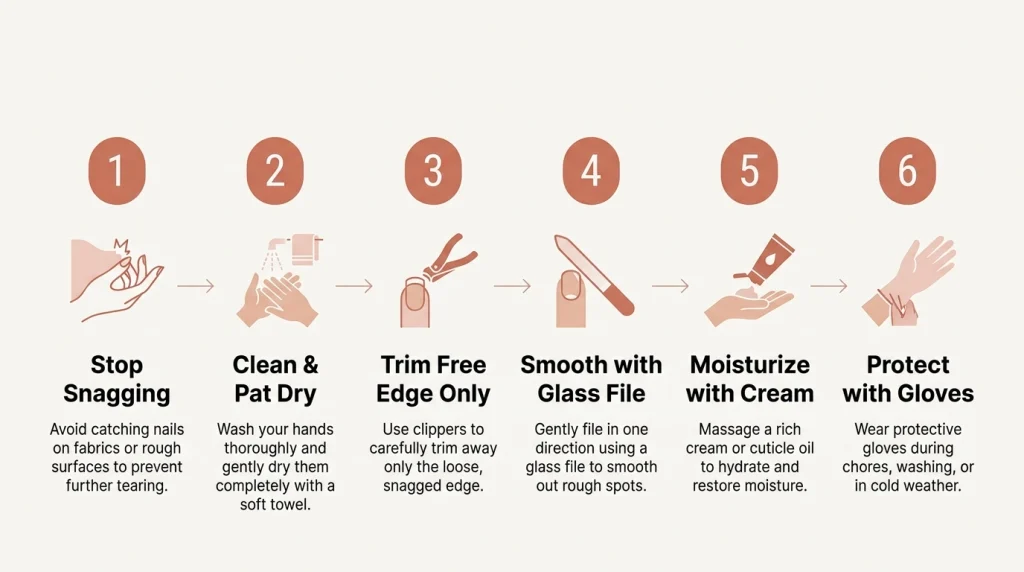
For a superficial, painless split limited to the free edge, follow a gentle first-day routine. The goal is to prevent the crack from spreading, not to make the damaged nail plate magically fuse together.
1. Stop the activity that caused the snag
Do not test the split by bending it, and avoid pulling on a loose corner. Remove rings or accessories only if they obstruct safe inspection. If the finger was injured and is painful or swollen, seek medical evaluation instead of working on the nail.
Common mistake: Repeatedly pressing the two sides of the crack together to see whether it has “fixed” itself.
2. Clean gently and dry thoroughly
Wash with mild soap and water, then pat dry. Avoid digging beneath the nail or scrubbing a fragile area with a stiff brush. Never use harsh disinfectants or acetone as a treatment for a crack.
Common mistake: Long soaking sessions that soften an already fragile edge and encourage more tearing.
3. Shorten only the unsupported free edge
If the split is entirely within the white tip and you can trim it without touching attached nail or causing discomfort, carefully shorten the nail with clean clippers. Take tiny cuts instead of one forceful clip. Stop immediately if the split reaches sensitive tissue.
Common mistake: Cutting below the free edge in an attempt to remove the whole crack.
4. Smooth the snag without thinning the surface
Use a fine-grit or glass file to round any remaining sharp corner. Make light, controlled strokes along the edge; do not file across a crack in the attached nail or buff the upper nail plate. A shorter, smoother tip is less likely to catch on fabric.
Common mistake: Sanding the nail surface until the split seems invisible.
5. Add moisturizer, not a hard patch
Massage a small amount of fragrance-free cream into the nail folds and visible plate. You can add a little petroleum jelly at bedtime to limit moisture loss. These products help with dryness; they cannot permanently bond cracked keratin back together.
Common mistake: Using household superglue or repeatedly layering nail hardener on a potentially injured nail.
6. Protect the nail during chores
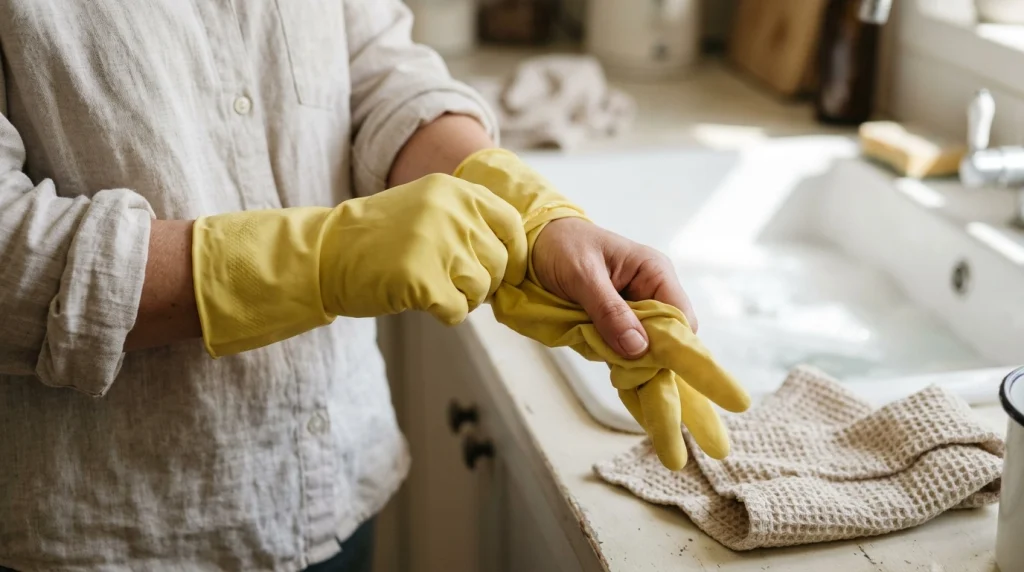
Wear protective gloves for dishes and cleaning, and avoid using your nails to open cans, scrape labels, or pry up objects. Keep the gloves clean and dry inside. If the crack catches despite trimming, ask a professional how to protect it safely rather than improvising with adhesive.
Common mistake: Wearing wet gloves for long stretches, which can irritate the surrounding skin.
Should You Use Nail Glue, a Tea Bag Patch, or Gel to Repair It?
Online nail hacks often recommend glue-and-tea-bag wraps. They can make a nail look intact, but a cosmetic patch is not a medical repair. Adhesives may irritate skin, disguise worsening damage, or be difficult to remove without further trauma.
For a tiny painless snag entirely within the free edge, the simplest solution is usually trimming and smoothing it. Avoid applying glue, gel, acrylic, or a patch over a crack that reaches the attached nail or involves pain, bleeding, lifting, or possible infection. A trained nail professional may be able to advise about an intact but cosmetically damaged nail; a clinician should assess any injury.
Be skeptical of products advertised as instantly healing a split. Once visible nail keratin is physically separated, the damaged portion has to grow outward. Read our safe damaged-nail care guide for more situations where home care is appropriate.
What Daily Routine Helps Cracked Nails Recover?
A simple repeatable routine is more useful than an expensive collection of serums. Concentrate on moisture, short nails, gentle handling, and fewer chemical or mechanical stresses.
Morning: check, moisturize, protect
Inspect the nail edge for new snags. Use a fine file only if a small free-edge catch needs attention. Massage fragrance-free hand cream around each nail, then put on gloves before wet or chemical-heavy chores. Skip polish if you need to monitor a damaged nail.
During the day: moisturize after washing
After washing your hands, dry carefully and reapply cream. Keep your nails out of repetitive picking and scraping tasks. A small travel-size hand cream can be more practical than multiple specialty treatments.
At night: seal in moisture
Apply moisturizer again. If your cuticles are very dry, add a thin layer of plain petroleum jelly to the nail folds. Avoid trimming live cuticle tissue, which helps protect the area where nails grow.
Weekly: reassess without overdoing it
Check whether cracking is spreading, whether the nail is painful, and whether healthier new nail is becoming visible at the base. Trim free-edge growth gently, but do not buff the entire nail every week. If you keep having new splits despite protecting your hands, seek medical advice.
Pro Tip
Take one photo of your bare nails every two weeks in similar lighting. It is easier to notice whether a damaged section is growing outward—and whether new splitting has stopped—when you compare photos rather than checking repeatedly throughout the day.
Which Nail-Care Products Are Actually Worth Using?
You do not need a “nail rescue kit” with ten bottles. These inexpensive basics can support a low-stress routine. The product links below are Amazon search links, so compare ingredients and reviews before choosing.
Recommended Product
Fine Glass Nail File
A fine glass file helps you smooth minor snags along the white free edge with less aggressive abrasion than a rough emery board.
As an Amazon Associate, we earn from qualifying purchases.
Recommended Product
Fragrance-Free Hand Cream
Choose a simple moisturizer with glycerin, petrolatum, or similar moisturizing ingredients to help manage dry skin and nails after repeated washing.
As an Amazon Associate, we earn from qualifying purchases.
Recommended Product
Reusable Household Cleaning Gloves
Gloves limit contact with detergent and prolonged dishwater exposure. Choose a comfortable fit and dry them between uses.
As an Amazon Associate, we earn from qualifying purchases.
Optional cuticle oil can help soften dry surrounding skin, but plain moisturizer works well for many people. Skip formaldehyde-containing nail hardeners and harsh buffing systems, especially when your nails already feel brittle. For everyday habits beyond this recovery period, see our simple healthy nail-care routine.
How Long Will Cracked Nails Take to Grow Out?
Moisturizer may improve the way dry skin feels within days, but it does not rebuild missing nail layers. A superficial split at the very tip may disappear after you safely trim the free edge. Damage farther down the plate must travel forward with normal growth.
Fingernails typically take several months to grow from base to tip; a complete replacement often takes around four to six months, although growth varies. A one- or two-week break from polish can reduce repeated stress and make it easier to monitor the nail, but it does not guarantee that every crack will vanish in that time.
Watch for a smoother, healthier-looking section emerging near the base. Persistent cracks, new pain, or a nail that repeatedly splits in the same place warrant a dermatologist’s assessment.
What Should You Avoid While Nails Are Cracked?
Do
- Keep free edges comfortably short.
- Apply moisturizer after washing.
- Wear gloves for cleaning.
- Use clean tools and gentle filing.
- Track recurring changes.
Don’t
- Peel off gel or acrylic coatings.
- Buff down visible cracks.
- Glue over a painful or open split.
- Cut living cuticle tissue.
- Hide concerning discoloration under polish.
One easy way to prevent a repeat is to identify the habit that started the problem. Was a coating pulled off? Was the nail plate filed too thin? Are your nails catching on clothing because of their length? Our guide to common nail health mistakes can help you spot patterns.
How Can You Prevent Cracks at Your Next Manicure?
Before booking another appointment, wait until your nails are comfortable and no longer showing active damage. Ask the technician about their preparation and removal process. Good technique should prioritize the natural nail, not just the finish of the coating.
- Request gentle prep. Avoid heavy filing or repeated buffing of the nail plate.
- Choose shorter lengths. Less leverage means fewer accidental bends and snags.
- Do not peel product off. Ask how the particular gel, dip, or enhancement should be professionally removed.
- Protect your cuticles. Ask the technician not to cut or forcibly push back living cuticle tissue.
- Check salon hygiene. Tools should be properly cleaned and disinfected between clients.
- Take breaks when damaged. If nails feel thin, sore, or brittle, postpone further coatings until they improve.
If your nails repeatedly crack after the same service, consider switching to basic polish on healthy nails or temporarily going bare. A beautiful manicure should not require you to ignore pain or damage.
What If Your Cracked Nails Are Not Improving?
The same tip keeps splitting.
Shorten it conservatively and reduce snagging. If the crack recurs in exactly the same place, especially from the nail base, consult a dermatologist to check for an underlying issue.
Several nails are peeling after removal.
Stop further cosmetic removal cycles, moisturize regularly, and avoid buffing. If changes persist or worsen, get an assessment rather than trying stronger chemical treatments.
Skin around the nail is red or sore.
Pause all nail products and check for worsening pain, warmth, or drainage. Seek medical care if inflammation persists or infection is possible.
A nail is lifting or changing color.
Do not force the nail down or cover it with an enhancement. A clinician can evaluate injury, infection, or other conditions and recommend suitable treatment.
Frequently Asked Questions About Cracked Nails After a Manicure
Q: Can a cracked natural nail heal itself?
A: The separated nail plate does not knit back together like living skin. A small tip crack can be trimmed away; deeper damage gradually grows outward as the nail forms at its base.
Q: Is it normal for nails to crack after gel removal?
A: Cracking can occur after gel removal, particularly when the coating is peeled, scraped, or aggressively filed. It is not something you should simply accept as unavoidable; gentler removal matters.
Q: Should I put clear polish over a cracked nail?
A: If your nail is visibly damaged, it is usually better to leave it bare while you assess and protect it. Never apply polish over an open, painful, swollen, or discolored crack.
Q: Does cuticle oil fix cracked nails?
A: Cuticle oil can help condition dry nails and surrounding skin, but it cannot reverse a physical split or replace layers removed during filing. Moisturizing and gentle handling support recovery.
Q: When is a cracked nail serious?
A: Seek medical advice for deep cracks, bleeding, significant pain, swelling, pus, nail lifting, or unexplained color changes. Those signs need more than a salon repair.
Give Your Nails a Gentler Fresh Start
Cracked nails after a manicure need protection, not more aggressive filing or another quick cover-up. Keep superficial splits from snagging, moisturize consistently, and let the damaged portion grow out. If you see signs of injury or infection, get qualified medical care. Save this guide to your Pinterest nail-care board so you have a calm, practical recovery plan when you need it.

Hi, I’m Jessica, the creator behind Unique Lash & Nails Katy.
I created this website for anyone who loves beautiful nails as much as I do. Here, I share trendy nail designs, seasonal manicure ideas, easy nail care tips, honest product recommendations, and step-by-step guides to help you create salon-worthy nails at home. Whether you’re looking for everyday inspiration or your next favorite nail trend, I hope you’ll find something you love.