What Is the Safest Nail Polish Brand? 7 Better Choices
Quick Answer
There isn’t one nail polish brand proven to be safest for everyone. For most adults, ella+mila is a strong all-around choice because it offers clearly labeled, vegan, “17-free” conventional polish in many colors. If odor is your main concern or you’re buying for a child, a water-based brand such as Piggy Paint may be a better fit. Your allergies, ventilation, application habits, and frequency of use matter as much as the name on the bottle.
Safety labels on nail polish can feel like a confusing number game. One bottle says “5-free,” another says “17-free,” and a third promises a clean or natural formula without explaining what those words mean.
The easiest way to choose is to look beyond the largest number. You need a polish that clearly identifies its ingredients, suits your sensitivities, applies well, and doesn’t tempt you to ignore basic precautions. Here’s how the better-known options compare.


What Does “Safest Nail Polish” Actually Mean?
A safer nail polish minimizes ingredients associated with irritation or unnecessary exposure while still working as intended. It should also come from a company that gives you enough ingredient information to make an informed choice.
However, “non-toxic,” “clean,” and “chemical-free” aren’t reliable guarantees. Nail polish is made from chemicals, including pigments, solvents, film-forming agents, and plasticizers. Even water is a chemical. A more useful question is whether the formula contains an ingredient that causes problems for you.
Four factors deserve the most attention:
- Ingredient transparency: You should be able to find a readable ingredient list before buying.
- Your known sensitivities: Fragrance, acrylates, resins, pigments, and solvents can affect different people differently.
- Ventilation: Using polish in a small, closed room can increase your exposure to solvent vapors.
- Frequency and technique: Occasional use on the nail plate is different from frequent exposure on your skin or around damaged cuticles.
Warning
Stop using a polish if you develop burning, swelling, blisters, persistent itching, or a rash around your nails, eyelids, face, or neck. Remove the product carefully and speak with a dermatologist or allergy specialist, especially if the reaction spreads or returns.
Which Nail Polish Brand Is the Best Overall Choice?
 Save
Saveella+mila: A Balanced Option for Most Adults
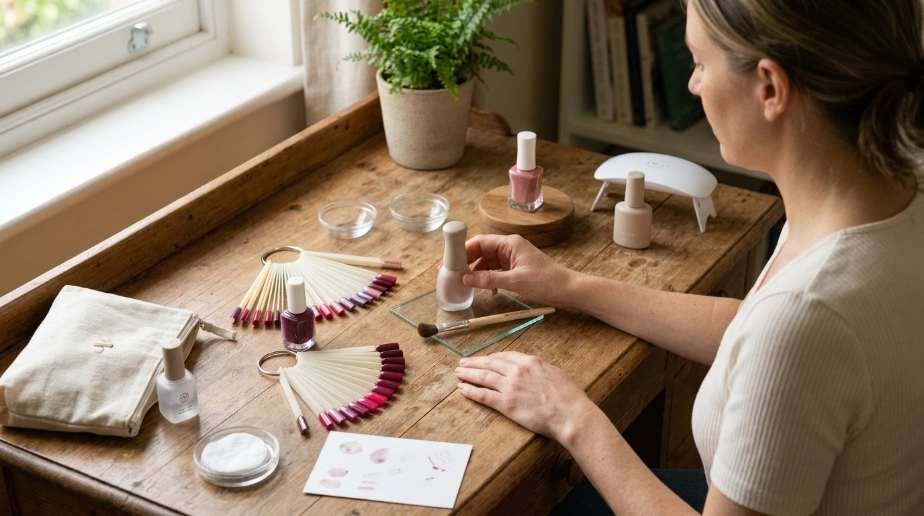
ella+mila is my best overall suggestion when you want regular nail polish with broad color choices and a clearly marketed “free-from” formula. Its conventional lacquer performs more like traditional polish than many water-based alternatives, which makes it easier to use for everyday manicures.
This choice suits you if you want a vegan, cruelty-free formula and prefer to avoid several ingredients commonly excluded from modern polish. The important limitation is that “17-free” doesn’t mean allergy-proof or completely risk-free. Check the current ingredient list for your exact shade because formulations may change.
Recommended Product
ella+mila Nail Polish
★★★★☆ Popular on Amazon
This is a practical choice when you want a widely available, vegan conventional polish without giving up familiar application and finish.
As an Amazon Associate, we earn from qualifying purchases.
Which Brands Are Better for Specific Safety Concerns?
Your safest option depends on what you’re trying to avoid. A person bothered by strong odors has different needs from someone with a confirmed allergy or a parent choosing polish for a child.
Piggy Paint: Better When Odor Is Your Main Concern
Piggy Paint is a water-based polish best known as an option for children. Its low-odor formula can also appeal to adults who dislike the strong solvent smell of conventional lacquer.
Water-based doesn’t automatically mean reaction-proof, so you should still check the label and keep the product away from your eyes and mouth. It may also wear differently from standard polish, and careful preparation may be needed for better adhesion.
Recommended Product
Piggy Paint Water-Based Nail Polish
★★★★☆ Popular on Amazon
The low-odor, water-based formula makes this worth considering for children or anyone who finds conventional polish fumes uncomfortable.
As an Amazon Associate, we earn from qualifying purchases.
Zoya: Better for a Large Shade Selection
Zoya is another established choice for shoppers who want conventional lacquer with an extensive color range. It offers the familiar appearance and wear of standard polish while excluding a stated list of ingredients from its formula.
Choose it when color variety matters and water-based polish doesn’t give you the finish you want. As with any brand, review the current label rather than assuming every base coat, top coat, treatment, and colored lacquer has an identical formula.
Olive & June: Better for an Easy Home Manicure System
Olive & June may suit you if application is one of your biggest problems. Its polishes and manicure tools are designed to work as a coordinated home system, which can help you keep polish on the nail rather than flooding your cuticles.
That difference matters because repeated skin contact can increase the chance of irritation. A “free-from” formula doesn’t replace careful application, but an easier brush and controlled technique can reduce unnecessary mess.
ORLY Breathable: Better When You Prefer Fewer Layers
ORLY Breathable is marketed as an all-in-one color that doesn’t require a separate base coat or top coat. Using fewer layers may appeal to you if you want a faster routine or prefer fewer product applications.
“Breathable” shouldn’t be interpreted as medical protection or proof that your nails receive oxygen through the coating. Nails are made from keratin and receive nutrients through the blood supply beneath them, not by breathing air through the polish.
Manucurist Green Flash: A Removable Gel Alternative
Manucurist Green Flash is designed for people who want a gel-like manicure that can be removed without the same filing routine used for many traditional gels. It still requires a compatible lamp and careful curing, so it isn’t the simplest option for highly sensitive users.
If you’ve reacted to gel products before, don’t assume a plant-derived or “green” description makes another cured system safe for you. Gel allergies can involve specific acrylates, and switching brands without identifying the trigger may cause another reaction.
Does a Higher “Free-From” Number Make Polish Safer?
Not necessarily. “3-free,” “10-free,” and “21-free” are marketing descriptions based on ingredients a company says it excludes. There isn’t one universal list that every brand follows for each number.
A 10-free product from one company may exclude a different set of ingredients than a 10-free product from another. Some lists also count ingredients that aren’t commonly used in comparable formulas. That makes the ingredient list more valuable than the number on the front.
You may commonly see brands advertise formulas without ingredients such as:
- Formaldehyde
- Toluene
- Dibutyl phthalate, or DBP
- Formaldehyde resin
- Camphor
- Triphenyl phosphate, or TPHP
- Xylene
Excluding these ingredients can help you narrow your choices, but it doesn’t prove that every remaining ingredient is harmless in every situation. It also doesn’t tell you how your body will respond to pigments, fragrances, preservatives, or resins.
Pro Tip
Photograph the bottle’s ingredient label before your first manicure. If you later develop irritation, you’ll have a record of the exact formula and can show it to a dermatologist instead of trying to remember which product you used.
Is Regular Nail Polish Safer Than Gel Polish?
Regular lacquer and gel polish have different concerns. Traditional polish releases noticeable solvent vapors while it dries, but it hardens through evaporation and doesn’t require an ultraviolet or LED nail lamp.
Gel polish uses reactive ingredients that cure under a compatible lamp. Uncured gel touching your skin can increase your risk of developing an acrylate allergy. Under-curing caused by incompatible lamps, thick coats, or incorrect curing times may leave more reactive material behind.
If you have a history of reactions, regular polish or a water-based formula may be the simpler choice. If you use gel, keep every layer off your skin, apply thin coats, use the lamp specified for that system, and follow the manufacturer’s full curing time.
You can also protect your natural nails by learning how to clean gel nails without damaging the finish instead of repeatedly scraping or reapplying product.
How Can You Choose a Safer Polish for Your Own Nails?
1. Identify the Problem You Want to Avoid
Decide whether you’re concerned about odor, pregnancy, a known allergy, brittle nails, a child’s use, or frequent salon exposure. One label cannot answer all of those concerns.
If you’ve previously developed a rash from polish or gel, professional patch testing is more useful than randomly switching to another “free-from” brand. An allergy specialist may help identify the specific ingredient family you need to avoid.
2. Read the Exact Ingredient List
Check the bottle, package, or manufacturer’s current product page. Don’t rely solely on a retailer’s short description because formulas and listings can change.
Compare the list with any ingredients your dermatologist has told you to avoid. Remember that a brand’s regular lacquer, gel system, treatment, base coat, and top coat can contain different ingredients.
3. Choose Established Sellers
Buy from the brand, an authorized retailer, or a dependable store. Avoid bottles with missing labels, spelling errors, broken seals, unusual odors, or no traceable manufacturer.
An extremely cheap, unbranded product may not give you enough information to evaluate its contents. Saving a few dollars isn’t worthwhile if you can’t identify what you’re putting on your nails.
4. Test One Product at a Time
Use one new color on a limited number of nails and watch for irritation. A small test cannot guarantee that you won’t develop an allergy, but introducing products one at a time makes it easier to identify a possible trigger.
Don’t intentionally place nail polish on your skin as a home “patch test.” Nail products are formulated for the nail plate, and skin exposure may itself contribute to sensitization.
5. Pay Attention to Your Nail Condition
Skip polish when the skin around your nails is cut, inflamed, infected, or actively peeling. Covering a suspicious nail change may delay proper treatment and make it harder to monitor.
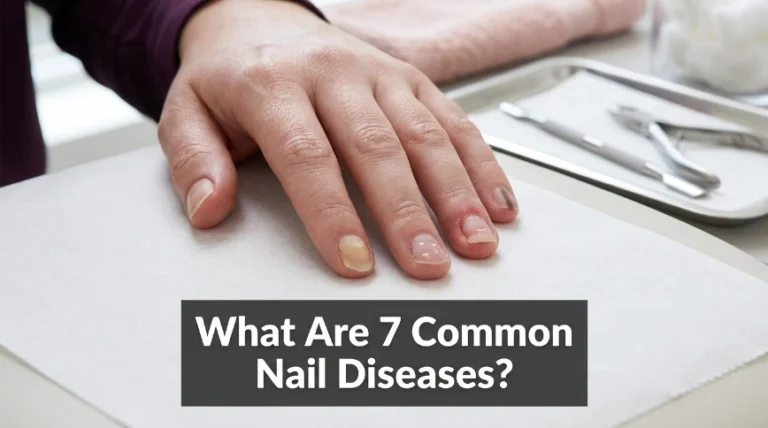
If you’re unsure whether your nails are simply stained or showing a genuine problem, review the signs of unhealthy nails before applying another opaque color.
How Do You Make Any Nail Polish Routine Safer?
Do
- +Paint your nails beside an open window or in a ventilated room.
- +Apply thin coats and keep polish on the nail plate.
- +Close bottles tightly and store them away from heat and children.
Don’t
- −Paint in a closed bedroom or near a flame or cigarette.
- −Peel gel or lacquer off your natural nail.
- −Continue using a product that causes itching or burning.
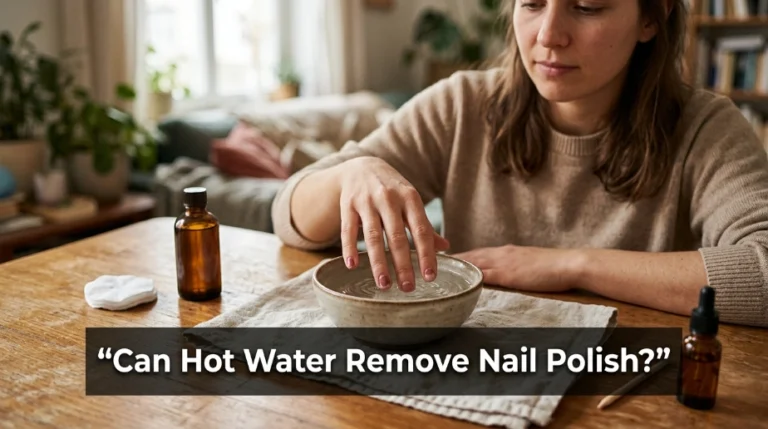
Good removal habits matter too. Aggressive scraping can thin the nail surface, while prolonged or repeated solvent exposure may dry your skin. Use the least force needed, moisturize afterward, and try a gentler nail polish remover method when it suits the type of polish you’re wearing.
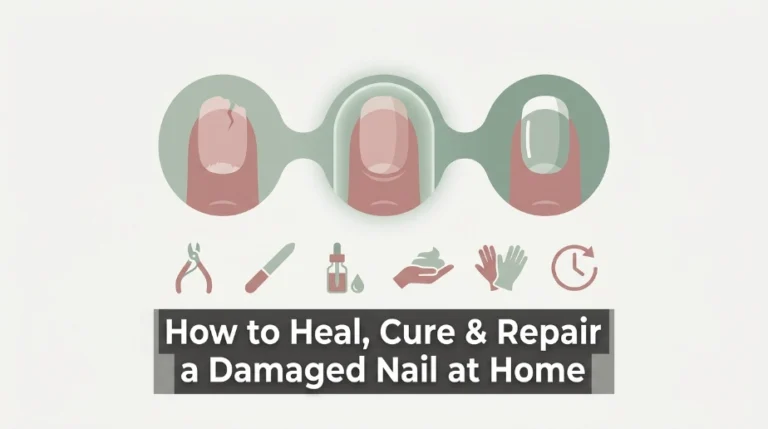
If you paint your nails frequently, follow a simple nail care routine that includes clean tools, cuticle oil, hand cream, and regular checks for color or texture changes.
What Are the Best Products for a Lower-Exposure Manicure?
 Save
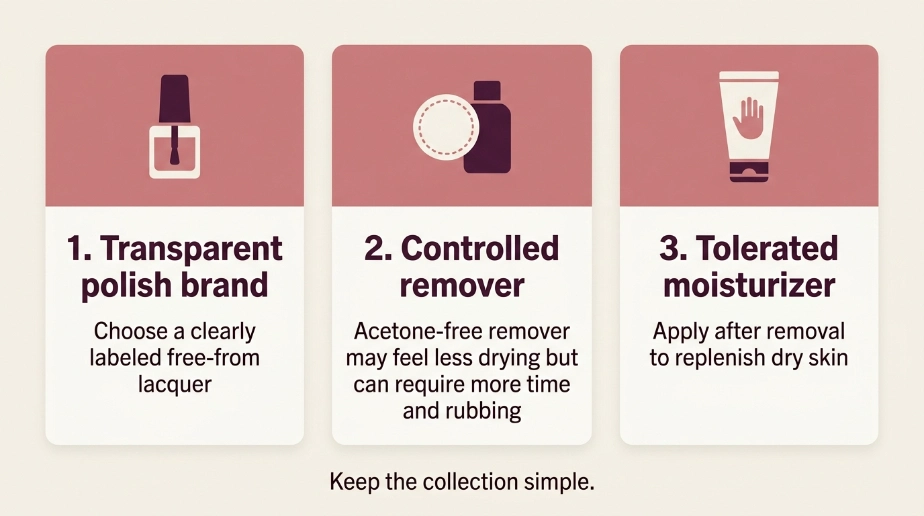
SaveYou don’t need a crowded collection. Start with one transparent polish brand, a controlled remover, and a moisturizer you already tolerate.
Recommended Product
Zoya Nail Polish
★★★★☆ Popular on Amazon
Zoya offers a broad shade range for anyone who wants a modern “free-from” lacquer with a traditional polished finish.
As an Amazon Associate, we earn from qualifying purchases.
Recommended Product
Acetone-Free Nail Polish Remover
★★★★☆ Popular on Amazon
An acetone-free remover may feel less drying for ordinary lacquer, although it usually needs more time and rubbing than pure acetone.
As an Amazon Associate, we earn from qualifying purchases.
Frequently Asked Questions
Q: Is there a completely non-toxic nail polish?
A: No nail polish can be guaranteed completely harmless for every person and every use. Water-based and “free-from” formulas can reduce specific exposures, but they may still contain ingredients capable of causing irritation or allergy.
Q: What is the safest nail polish for children?
A: A low-odor, water-based product made specifically for children, such as Piggy Paint, is a practical choice. An adult should supervise application, prevent ingestion, and check the recommended age and current ingredient label.
Q: Is vegan nail polish automatically safer?
A: No. Vegan means the formula doesn’t use animal-derived ingredients according to the brand’s standard. It doesn’t mean the product is free from allergens, solvents, or every ingredient you may personally want to avoid.
Q: Is breathable nail polish healthier for your nails?
A: “Breathable” describes how a polish film allows some water or air molecules to pass through. It doesn’t prove that the polish strengthens nails or makes them healthier, so proper removal and routine nail care still matter.
Q: Should you stop wearing nail polish during pregnancy?
A: You don’t necessarily need to stop, but choose a clearly labeled formula, limit unnecessary exposure, and use it in a well-ventilated area. Ask your healthcare professional for personalized guidance if you have a high-risk pregnancy or workplace-level exposure.
Which Nail Polish Brand Should You Choose?
For most adults, ella+mila is a sensible overall choice, while Piggy Paint is better when low odor or child-friendly use is the priority. Zoya is a strong alternative when you want more shades in a conventional lacquer.
Whatever brand you select, read the exact ingredient list, avoid skin contact, ventilate the room, and stop if irritation appears. Save this guide to your Pinterest nail-care board so you can check these safety points before your next polish purchase.

Hi, I’m Jessica, the creator behind Unique Lash & Nails Katy.
I created this website for anyone who loves beautiful nails as much as I do. Here, I share trendy nail designs, seasonal manicure ideas, easy nail care tips, honest product recommendations, and step-by-step guides to help you create salon-worthy nails at home. Whether you’re looking for everyday inspiration or your next favorite nail trend, I hope you’ll find something you love.