How to Fix Brittle Nails Naturally: Easy Care Tips
Quick Answer
To fix brittle nails naturally, keep your nails short, moisturize your nails and cuticles after washing, and wear protective gloves when cleaning. Avoid aggressive filing, peeling off gel polish, and frequent exposure to harsh removers. These habits help prevent further damage while healthier nail growth gradually replaces the brittle sections. See a dermatologist if the problem persists or your nails become painful or discolored.
Are your nails constantly splitting, peeling, or breaking before they get a chance to grow? You’re not alone. Brittle nails can make even a simple manicure frustrating, especially when you’ve already tried multiple nail products without seeing lasting improvement.
The encouraging news is that you don’t necessarily need expensive salon treatments to improve your nail care routine. Small changes to how you wash, moisturize, file, and protect your nails can make a meaningful difference.
Here’s how to fix brittle nails naturally with practical, dermatologist-informed habits, what might be causing the problem, and how to recognize when your nails need professional attention.


Why Do Your Nails Become Brittle and Break Easily?
Your fingernails are primarily made of keratin, a protein that forms the hard nail plate. Although nails feel solid, they can still be damaged by repeated exposure to moisture, chemicals, friction, and mechanical stress.
Understanding the cause is important because a moisturizing product won’t fully solve a problem caused by repeatedly peeling off gel polish or exposing your hands to cleaning chemicals.
1. Frequent Exposure to Water
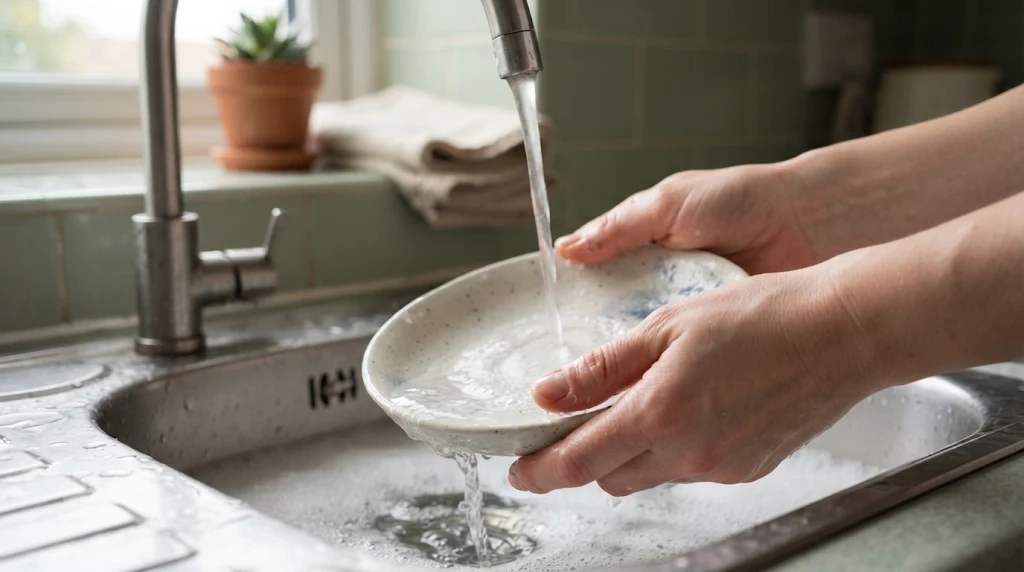
Repeated washing, dishwashing, and long periods of wet work can contribute to nail splitting. Your nails absorb water and then dry out again, creating repeated changes that may aggravate fragile nail layers.
This is particularly relevant if you wash dishes without gloves or frequently clean with water and detergents.
Learn more about how hot water can damage your nails and which everyday habits may contribute to peeling.
2. Harsh Nail Products and Manicure Removal
Frequent polish removal, aggressive buffing, and peeling artificial nail products can damage the nail surface. The result may be thin, rough, or fragile nails that split more easily.
Acetone can also dry the nails and surrounding skin, particularly when you use it frequently or leave your fingers soaking unnecessarily.
3. Dry Skin and Neglected Nail Care
If your hands regularly feel rough and your cuticles look dry, your nails may also be exposed to conditions that contribute to brittleness.
Moisturizing won’t permanently repair a nail that has already split, but consistent care can improve comfort and help protect the nail as new growth appears.
4. Nutritional Deficiencies or Medical Conditions
Sometimes persistent nail changes are related to iron deficiency, thyroid disorders, skin conditions, or other medical concerns. However, most everyday brittle nails are associated with external factors rather than a vitamin deficiency.
If several nails suddenly become brittle without an obvious reason, a healthcare professional can help determine whether testing is appropriate.
How Can You Tell If Your Nails Are Brittle?
Brittle nails do not always look the same. Some become hard and snap, while others become soft and develop peeling layers at their tips.
Common signs include:
- Peeling tips: Thin layers separate from the free edge of the nail.
- Frequent breakage: Nails crack during ordinary daily activities.
- Splitting: Vertical cracks or horizontal layers appear in the nail plate.
- Rough edges: The tips catch on clothing, towels, or hair.
- Fragile nail surfaces: Nails become thin or easily damaged after repeated manicures.
These signs can suggest brittleness, but they don’t identify the exact cause. Pain, swelling, lifting, unusual thickening, or persistent discoloration may indicate a different nail condition.
What Are the Best Natural Ways to Fix Brittle Nails?
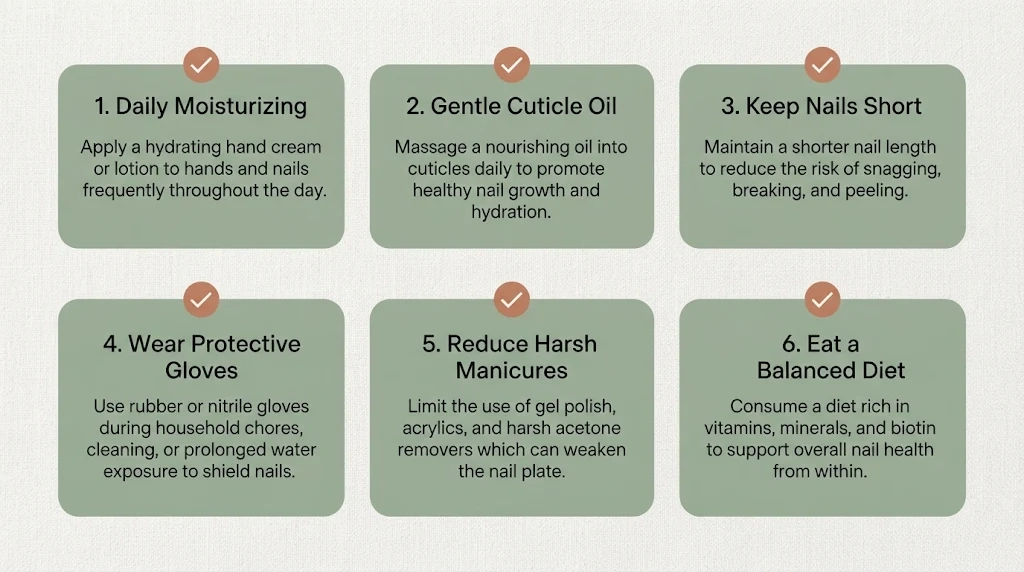
The most effective approach is usually a combination of moisturizing, reducing physical damage, and protecting your nails from repeated water and chemical exposure.
Start with these practical methods rather than trying multiple unproven home remedies at once.
1. Moisturize Your Nails and Cuticles Every Day
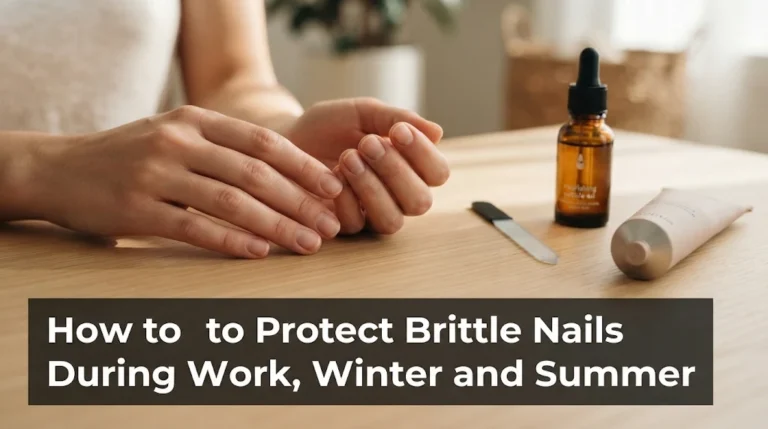
Regular moisturizing is one of the simplest ways to care for brittle nails. A fragrance-free hand cream, petroleum jelly, or mineral-oil-based moisturizer can help reduce dryness around your nails and support the skin barrier.
How to do it: Apply hand cream after washing your hands. Massage a small amount over each nail plate, around the cuticles, and into the surrounding skin. Repeat before bedtime.
If your nails are extremely dry, consider applying a thicker ointment at night and wearing clean cotton gloves if comfortable.
Best for: Nails affected by frequent handwashing, dry weather, and everyday exposure.
Limitation: Moisturizer cannot glue separated nail layers back together. Those sections need protection while they gradually grow out.
2. Use a Gentle Cuticle Oil
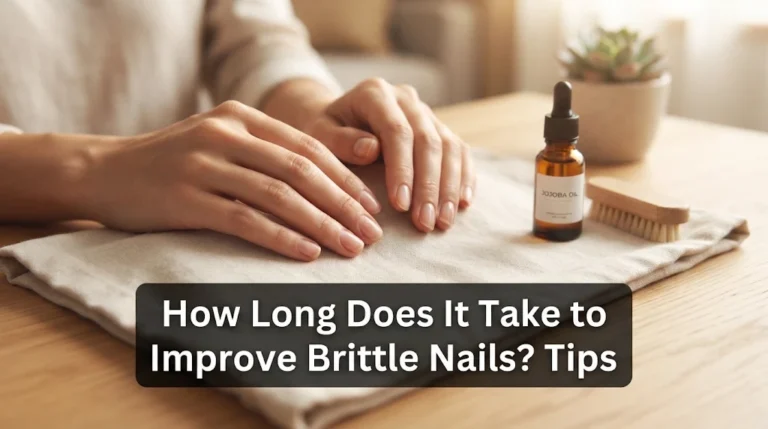
Cuticle oils can complement hand creams, especially if the skin surrounding your nails feels rough or tight. Jojoba oil and other cosmetic oils can soften the area and improve the appearance of dry cuticles.
Place a small drop around each nail and massage gently. Apply a moisturizer afterward when additional moisture protection is needed.
Choose an unscented product if you have sensitive skin, and discontinue use if redness or irritation develops.
Best for: Dry cuticles and nails exposed to frequent washing.
Limitation: There is no strong clinical evidence that a particular natural oil makes existing damaged nails permanently stronger.
Pro Tip
Keep a small hand cream beside your sink. Applying it immediately after you dry your hands makes moisturizing easier to remember and helps counteract the drying effects of frequent washing.
3. Keep Your Nails Short While They Recover
Long, brittle nails are more likely to catch on clothing or hard surfaces. Keeping them short reduces leverage on the fragile tips and helps prevent existing cracks from extending.
Trim your fingernails carefully, then use a fine-grit file to smooth rough edges. A softly rounded or squoval shape can reduce sharp corners that catch easily.
Never file deeply into the nail’s sides or aggressively buff the upper surface to remove visible peeling. That can thin the nail plate further.
Best for: Nails that repeatedly snag, split, or break at the tips.
Limitation: Shortening nails prevents some mechanical damage but does not treat an underlying medical condition.
4. Wear Gloves When Washing Dishes or Cleaning
Protecting your nails during wet work is especially important if you regularly wash dishes, scrub surfaces, or use cleaning chemicals.
Use waterproof cleaning gloves that fit comfortably. A cotton lining may improve comfort when you expect to wear them for an extended period.
Take the gloves off after finishing, dry your hands thoroughly, and apply moisturizer.
Avoid keeping your hands inside damp gloves for long periods. Trapped moisture can irritate your skin.
Best for: Frequent dishwashing, cleaning, and other wet household tasks.
Limitation: Gloves are preventive rather than an instant repair treatment, so consistency matters.
5. Reduce Gel Manicures and Aggressive Polish Removal
If your nails became brittle after repeated gel, dip, or acrylic manicures, consider reducing those treatments while damaged sections grow out.
Never peel off long-wear products. Removing a coating forcefully can take layers of the natural nail plate with it.
If you want a manicure during recovery, ordinary air-dry nail polish may be easier to remove gently than some long-wear systems.
You can also explore whether nails are healthier without nail polish to understand when a break from manicures makes sense.
Best for: Nails that feel thin or rough after repeated manicure removal.
Limitation: A polish break does not instantly restore missing nail layers. Improvement depends on avoiding further damage and allowing new nail growth.
6. Eat a Balanced Diet That Supports Nail Growth
Your body needs adequate protein, vitamins, and minerals to produce healthy new nail tissue. A varied diet helps supply these nutrients without relying on unnecessary supplements.
Include nutritious foods such as:
- Eggs, fish, beans, and poultry: Provide protein for normal tissue growth.
- Lentils, beans, and lean meat: Supply iron, which helps prevent deficiency-related problems.
- Nuts, seeds, and whole grains: Offer minerals and other essential nutrients.
- Leafy vegetables and colorful produce: Contribute vitamins and minerals to a balanced diet.
- Dairy or fortified alternatives: Can provide additional nutrients depending on the product.
For more food ideas, read our guide to what to eat for stronger, healthier nails.
Don’t assume brittle nails mean you’re deficient in biotin or iron. High-dose supplements should not replace a proper medical assessment when one is needed.
Can Natural Home Remedies Actually Strengthen Brittle Nails?
Natural remedies are popular, but not every DIY treatment has reliable evidence behind it. The most useful home-care habits are usually the least complicated.
Does Olive Oil Help Brittle Nails?
Olive oil can soften and condition dry skin surrounding your nails. However, research does not establish that applying olive oil repairs damaged nail keratin or permanently strengthens brittle nail plates.
If you enjoy using it, apply a small amount to intact skin and stop if irritation occurs. A fragrance-free hand cream or petroleum jelly is an equally practical alternative.
Can Coconut Oil Repair Splitting Nails?
Coconut oil acts as an emollient, which means it can soften dry skin. It may make your cuticles feel more comfortable, but there is insufficient evidence that it repairs existing nail splits.
Use it as an optional moisturizing product, not as a substitute for protecting nails from the activities causing breakage.
Should You Soak Nails in Lemon Juice?
Lemon juice is sometimes recommended online for improving nail appearance. However, its acidity can irritate damaged skin, particularly around cracked cuticles.
It is not a proven solution for brittle nails. Frequent soaking also adds another wetting-and-drying cycle, which may aggravate some types of brittleness.
Does Garlic Make Nails Grow Stronger?
There is no good clinical evidence that rubbing garlic on your nails improves their strength. Raw garlic can also irritate the skin and occasionally cause burns with prolonged contact.
Skip garlic treatments and focus on gentle filing, moisturizing, and protective gloves instead.
Warning
Avoid harsh DIY nail treatments involving undiluted essential oils, bleach, prolonged acidic soaks, or household chemicals. These methods may irritate your skin without providing proven benefits for brittle nails.
How Long Does It Take for Brittle Nails to Get Stronger?
Recovery depends on the cause, how much damage already exists, and how consistently you protect your nails.
Fingernails typically grow around 3 millimeters per month, although the rate varies between individuals. A completely new fingernail may take approximately four to six months to replace the old nail plate.
Here’s a realistic way to assess progress:
- First 1-2 weeks: Regular moisturizing may improve dryness and comfort. Keeping tips short can reduce snagging and breakage.
- After 3-6 weeks: You may notice a small area of new growth near the nail base. Protect this section from repeated trauma.
- After 2-3 months: More of the previously damaged nail may have grown forward, making changes easier to observe.
- After 4-6 months: Much of the old fingernail plate may have been replaced, assuming growth is normal and the cause of damage has been addressed.
These are approximate timelines, not guaranteed results. If brittle nails continue to worsen despite gentle care, ask a dermatologist to evaluate them.
What Should Your Daily Brittle Nail Care Routine Look Like?

You don’t need a complicated routine. The goal is to create habits you can repeat without spending much time or money.
Morning: Protect Your Nails Before Daily Activities
Check for snags or sharp edges and smooth them gently if needed. After washing and drying your hands, apply a fragrance-free hand cream.
If you’re going to clean or wash dishes, keep protective gloves nearby so you don’t expose your nails unnecessarily.
During the Day: Reapply Moisturizer
Every time you wash your hands, dry them carefully and moisturize afterward when possible.
Try not to use your fingernails to peel labels, open containers, or scrape surfaces. Use an appropriate tool instead.
Evening: Moisturize Before Bed
Massage a small amount of moisturizer over your nails, cuticles, and hands. If your skin is particularly dry, apply a thicker ointment as the final step.
There’s no need to soak your nails in water every night. Consistent moisturizing is more practical than repeated soaking treatments.
Weekly: Check Your Nail Growth
Once a week, examine your nails in good lighting. Look for new growth near the cuticle, areas of peeling, changes in color, and developing cracks.
Take a photo if you want to compare progress over time. Avoid aggressively filing away surface irregularities simply to make your nails look smoother.
Pro Tip
Watch the newest section of nail near the cuticle rather than expecting old peeling tips to become smooth again. Healthy-looking new growth is often a more useful sign of improvement than the appearance of previously damaged edges.
What Should You Do and Avoid When Caring for Brittle Nails?
Do
- Keep your nails short.
- Moisturize after washing.
- Wear gloves for wet work.
- Use a gentle nail file.
- Eat a balanced diet.
- Monitor nail changes.
Don’t
- Peel off gel polish.
- Over-buff nail surfaces.
- Use nails as tools.
- Overuse harsh removers.
- Cut living cuticle tissue.
- Ignore persistent pain.
Why Are Your Nails Still Breaking Despite Natural Care?
If your routine isn’t producing the improvement you expected, examine what happens to your nails throughout the day.
Problem: Your nail tips keep peeling.
Immediate fix: Shorten the nails and gently file any loose, catching edges. Prevention: Avoid wet work without gloves and stop peeling off polish or gel. The damaged layers must grow out.
Problem: Your nails feel dry and rough.
Immediate fix: Apply a fragrance-free cream or ointment to the nails and surrounding skin. Prevention: Reapply after washing and reduce frequent exposure to solvents.
Problem: Your nails split after every manicure.
Immediate fix: Stop applying additional artificial nail products to visibly damaged areas. Prevention: Avoid aggressive buffing, scraping, and forced removal. Choose gentler manicures while your nails recover.
Problem: All your nails remain unusually fragile.
Immediate fix: Protect your nails from further damage. Next step: Consult a healthcare professional if the changes persist or have no obvious environmental cause. Some medical conditions require specific treatment.
Which Nail Care Products Are Worth Using?
A few basic products can support your routine. You don’t need to buy an expensive complete nail repair kit.
Affiliate disclosure: As an Amazon Associate, we earn from qualifying purchases. Product links below lead to Amazon search results rather than specific listings.
Recommended Product
Jojoba Nail and Cuticle Oil
A convenient option for conditioning dry cuticles and supporting a simple moisturizing routine.
As an Amazon Associate, we earn from qualifying purchases.
Recommended Product
Fine-Grit Glass Nail File
A fine glass file helps smooth small snags so fragile nail tips are less likely to catch and tear.
As an Amazon Associate, we earn from qualifying purchases.
Recommended Product
Fragrance-Free Hand Moisturizer
A rich, fragrance-free moisturizer is useful after washing and before bed to reduce dryness around the nails.
As an Amazon Associate, we earn from qualifying purchases.
When Should You See a Dermatologist for Brittle Nails?
Most mild nail brittleness can initially be managed with gentle care. However, home remedies aren’t appropriate for every nail problem.
Arrange a professional evaluation if you notice:
- Persistent or worsening nail splitting despite reducing damage.
- Swelling, redness, tenderness, or pain around a nail.
- Nails lifting away from the nail bed.
- Unexplained thickening, crumbling, or discoloration.
- A new or changing dark streak in a nail.
- Multiple nails changing suddenly without an obvious explanation.
A dermatologist can determine whether your symptoms are related to everyday damage, inflammation, infection, or an underlying health condition.
If you suspect a nutrient deficiency, learn more about vitamin B12 and fingernail health, but remember that nail appearance alone cannot confirm a deficiency.
Important Safety Note
Biotin supplements are frequently marketed for nail strength, but evidence of benefit in people without a deficiency is limited. High-dose biotin can also interfere with important medical laboratory tests. Consult a healthcare professional before using supplements specifically to treat brittle nails.
Frequently Asked Questions About Brittle Nails
Q: Can brittle nails become strong again naturally?
A: Yes, brittle nails caused by everyday environmental damage may improve when you reduce trauma, moisturize regularly, and protect your hands. Existing damaged sections must gradually grow out rather than repair themselves overnight.
Q: What is the best natural oil for brittle nails?
A: Jojoba, mineral oil, and other gentle cosmetic oils can help condition dry cuticles and surrounding skin. No single natural oil has strong evidence proving that it permanently repairs brittle nail plates.
Q: Does drinking more water fix brittle nails?
A: Staying adequately hydrated supports general health, but drinking extra water has not been shown to repair brittle nails when you’re already properly hydrated. Protecting nails from repeated wetting and drying is often more useful.
Q: Should I stop wearing nail polish if my nails are brittle?
A: You don’t always have to stop using regular nail polish. However, taking a break from gel, dip, acrylics, or aggressive removal techniques can help when those treatments are contributing to nail damage.
Q: How can I stop my nails from peeling at the tips?
A: Keep your nails short, smooth snags with a fine file, moisturize regularly, and wear gloves during wet work. Avoid picking at peeling layers because doing so can extend the damage.
Final Thoughts: How to Fix Brittle Nails Naturally
Fixing brittle nails naturally starts with simple, consistent habits: moisturize your nails and cuticles, keep your nails short, protect them from water and chemicals, and avoid damaging manicure techniques.
Give healthy new nail growth time to replace damaged sections, and seek medical advice if unusual changes continue. Save this guide on Pinterest so you can return to your gentle nail care routine whenever you need a reminder.

Hi, I’m Jessica, the creator behind Unique Lash & Nails Katy.
I created this website for anyone who loves beautiful nails as much as I do. Here, I share trendy nail designs, seasonal manicure ideas, easy nail care tips, honest product recommendations, and step-by-step guides to help you create salon-worthy nails at home. Whether you’re looking for everyday inspiration or your next favorite nail trend, I hope you’ll find something you love.