Can Hot Water Damage Your Nails? Easy Ways to Prevent Peeling
Quick Answer
Yes, repeated exposure to hot water can leave your nails dry, soft, and more likely to peel or split. Heat isn’t usually the only problem: long soaking makes the nail plate absorb water and swell, while soap and cleaners strip protective oils. Brief handwashing is unlikely to ruin healthy nails, but hot showers, baths, and dishwashing sessions can add up.
You don’t need to panic every time warm water touches your hands. The real concern is repeated wetting, long soaking, high heat, and the products that often come with them. Once you understand that combination, you can protect your natural nails and keep gel, polish, or acrylic looking better without giving up normal showers or household chores.


Why Can Hot Water Make Your Nails Feel Weak?
Your nail plate looks solid, but it isn’t waterproof. It is made from tightly packed layers of keratin that can take in water. During a long shower, bath, or sink full of dishes, those layers absorb moisture and expand. As your nails dry, they contract again.
One wet-and-dry cycle won’t normally cause obvious harm. Repeating the cycle throughout the day can strain the bonds between nail layers, especially when your nails are already thin or damaged. The free edge may start to separate into fine layers, a problem you notice as peeling, flaking, or splitting.
Hot water can make the situation worse because it removes surface oils more efficiently than lukewarm water. Dish soap, shampoo, body wash, and household cleaners add to that oil loss. Your skin may feel tight afterward, while your cuticles turn rough and the flexible nail plate becomes easier to crack.
If your nails were weak before the water exposure began, look at other possible causes too. Frequent acetone use, aggressive buffing, picking off gel, cleaning chemicals, and everyday impact can all contribute. This guide to common causes of weak nails can help you identify the rest of the pattern.
Warning
Hot water doesn’t cause a fungal infection by itself. However, a nail that repeatedly lifts, splits, or stays damp can create a place where irritation or infection is easier to miss. See a healthcare professional if you develop pain, swelling, pus, a dark streak, major lifting, or a lasting change in nail color or shape.
What Are the Signs of Water-Damaged Nails?
Water-related damage usually appears gradually rather than after one hot shower. Watch for a combination of these changes:
- Peeling at the tips: Thin layers lift from the free edge or catch on fabric.
- Temporary softness: Your nails bend more easily after a bath, shower, swim, or cleaning session.
- Splitting: Small cracks form along the sides or travel into the nail plate.
- Dry, frayed cuticles: The skin around your nails feels tight, rough, or develops hangnails.
- Dull polish: Regular polish loses shine or chips sooner after repeated soaking.
- Lifting enhancements: Gel or acrylic begins separating around an edge, creating a visible gap.
These signs aren’t proof that hot water is the only cause. If you want a broader comparison, review the signs of unhealthy nails. Sudden or persistent changes deserve more attention than mild dryness that improves when you moisturize and reduce soaking.
Does Water Temperature Matter More Than Soaking Time?
Both matter, but soaking time is often the bigger issue. A quick rinse in comfortably warm water is very different from holding your hands in a hot sink for 20 minutes. The longer your nail plate stays wet, the more water it can absorb and the longer it remains temporarily soft.
Temperature still matters because very hot water can strip oils from your nails and surrounding skin. It can also make you more likely to stay in a steamy shower until your hands look wrinkled. Aim for lukewarm water for handwashing and routine bathing, then keep direct hand soaking as short as practical.
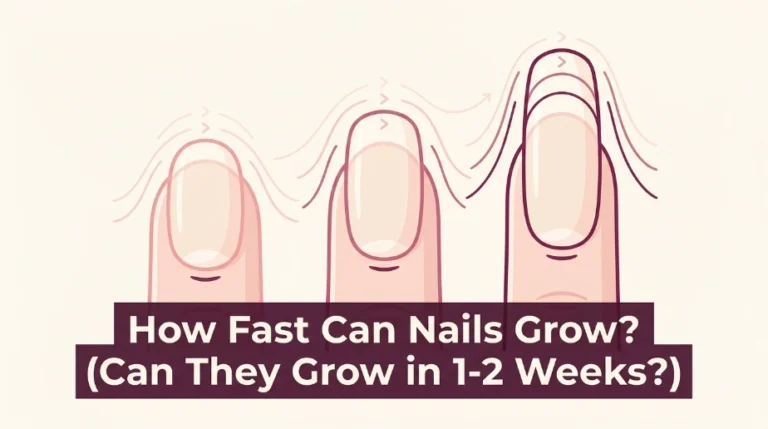
You may have heard that hot water makes nails grow faster. It doesn’t speed growth at the nail matrix. Warmth may briefly increase circulation, but it can’t replace nutrition, gentle care, and time. For a closer look at that claim, see whether hot water is good or bad for nail growth.
Can Hot Water Damage Gel, Acrylic, or Press-On Nails?
 Save
SaveGel polish
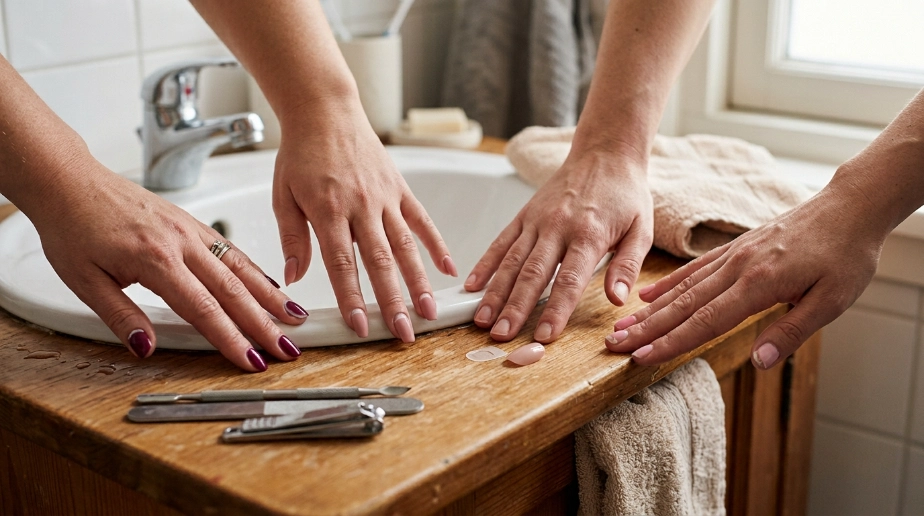
Cured gel is designed to handle normal handwashing, but repeated soaking can shorten its wear. Water may enter through a tiny lifted edge or through the natural nail underneath. As the nail expands and contracts, a weak seal can worsen. Hot water won’t properly remove intact gel, so don’t soak and scrape in an attempt to take it off.
Acrylic nails
Acrylic itself doesn’t melt in shower water. The vulnerable area is the bond between the enhancement and your natural nail. If lifting already exists, long soaking can let water sit in the gap. Don’t glue down a lifted area while moisture may be trapped underneath; have the loose product removed or repaired correctly.
Press-on nails
Press-ons are the most likely to loosen during a hot bath or a long dishwashing session because heat and moisture can weaken some nail glues and adhesive tabs. Apply them to clean, completely dry nails, and avoid long water exposure during the first several hours after application.
Regular nail polish
Fully dry polish can tolerate a quick wash, but long hot-water exposure may soften the manicure temporarily and encourage chipping at the tips. Fresh polish is more vulnerable. If the surface feels dry but the lower layers haven’t hardened, a hot shower can leave dents, sheet marks, or smudges.
Pro Tip
Schedule your manicure after your shower, not before it. Nails that have soaked are temporarily swollen and flexible, so filing them or applying polish immediately can lead to ragged edges and a shorter-lasting finish. Let them return to a dry, firm state first.
How Do You Protect Your Nails From Hot Water?
1. Turn the temperature down
Use comfortably lukewarm water instead of water that leaves your skin red or stinging. You don’t need icy water. A moderate temperature cleans your hands without stripping as much oil from the nail folds and cuticles.
2. Wear gloves for wet household work
Gloves create the most useful barrier during dishwashing, bathroom cleaning, and handwashing laundry. Choose a pair with a comfortable lining, or wear thin cotton gloves under waterproof gloves if sweating irritates your hands. Replace any pair that leaks.
3. Dry your hands carefully
Pat around the sides of each nail and beneath long free edges rather than rubbing hard. Don’t dig a sharp object under your nails to remove moisture or debris. That can separate the nail plate from the nail bed and make the area more vulnerable.
4. Replace lost oil and moisture
Apply cuticle oil after drying, then massage hand cream over your nails and surrounding skin. Jojoba-based oil spreads easily around the nail folds, while a cream containing glycerin, petrolatum, or ceramides helps slow moisture loss. Reapply after dishes and before bed.
5. Keep vulnerable nails shorter
A shorter, softly rounded nail has less leverage when it becomes temporarily flexible. File snags in one controlled direction with a fine file. Don’t peel off a loose layer, because the tear can travel into healthy nail and leave the tip even thinner.
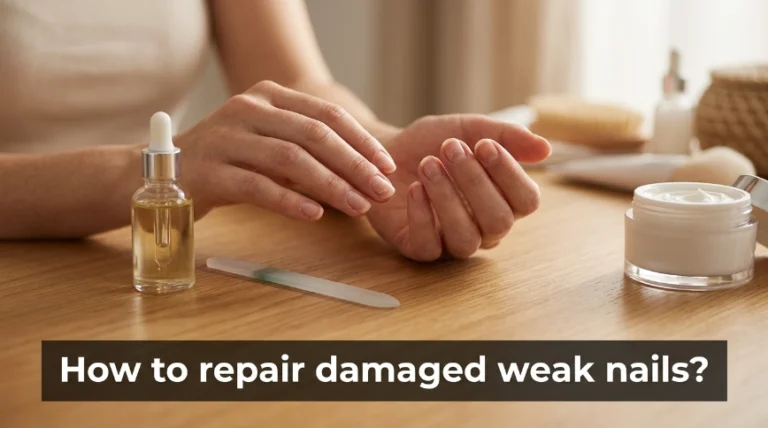
If your nails are already peeling or splitting, follow a gentle routine for repairing damaged, weak nails. Most improvements must grow out, so protection needs to be consistent rather than intense for only a few days.
What Should You Do Right After a Long Hot-Water Soak?
First, dry your hands gently and give your nails time to firm up. Avoid opening cans, scraping labels, or using your nails as tools while they still feel soft. If an edge has started peeling, wait until it is dry and carefully smooth the snag with a fine file.
Next, apply cuticle oil around the nail folds and underneath the free edge if you can do so without lifting a manicure. Seal it with hand cream. If polish or an enhancement has lifted, don’t pick, bite, or press it back into place. A clean repair is safer than trapping moisture under loose product.
One long soak usually doesn’t require a treatment marathon. Resume a simple routine and protect your nails from the next wet chore. The site’s simple nail-care routine can help you build habits that are realistic enough to repeat.
Which Hot-Water Nail-Care Habits Help Most?
Do
- +Use lukewarm water for routine washing
- +Wear waterproof gloves for dishes and cleaning
- +Oil and moisturize after repeated washing
Don’t
- −Soak nails in hot water to remove enhancements
- −File, buff, or bend nails while they’re soft
- −Ignore lifting, pain, swelling, or color changes
What Products Can Protect Dry, Water-Stressed Nails?
You don’t need a crowded nail shelf. A barrier for wet work, an oil for the nail folds, and a rich hand cream cover the most useful jobs. These options are practical rather than instant cures; they reduce repeated stress while the damaged portion grows out.
Recommended Product
Reusable Waterproof Dishwashing Gloves
★★★★☆ Highly rated options on Amazon
A well-fitting pair limits the repeated soaking and detergent contact that cause more trouble than a quick splash of hot water.
As an Amazon Associate, we earn from qualifying purchases.
Recommended Product
Jojoba Cuticle Oil Pen
★★★★☆ Highly rated options on Amazon
A pen makes it easy to replace oil around dry cuticles after handwashing without spilling a bottle at your desk or in your bag.
As an Amazon Associate, we earn from qualifying purchases.
Recommended Product
Fragrance-Free Ceramide Hand Cream
★★★★☆ Highly rated options on Amazon
A rich, low-fragrance cream supports the dry skin around your nails and is easier to use repeatedly when strong scents bother you.
As an Amazon Associate, we earn from qualifying purchases.
What Expert Tricks Make a Protective Routine Easier?
 Save
SavePro Tip
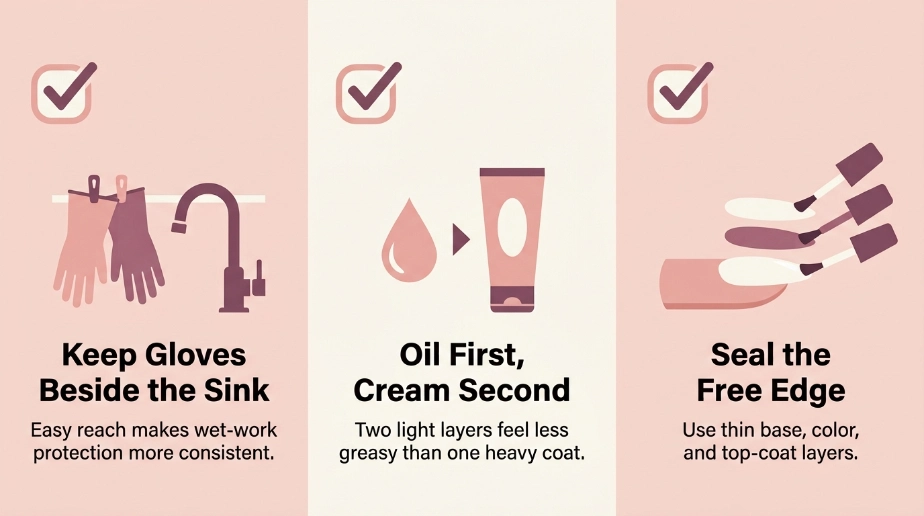
Keep one pair of gloves beside the sink instead of storing them out of sight. Nail protection works best when it removes friction from your routine; if gloves take effort to find, you’ll skip them during short chores that often become long ones.
Pro Tip
Place cuticle oil next to your hand cream and use them in that order. Oil first reaches the nail folds; cream afterward helps create a more lasting surface barrier. Two light applications usually feel less greasy than one heavy coating.
Pro Tip
Seal the free edge when applying base coat, color, and top coat, but use thin layers. This won’t waterproof your nails, yet it can reduce tip wear. Thick caps at the edge tend to shrink, look bulky, and chip sooner.
Frequently Asked Questions About Hot Water and Nails
Q: Does hot water make your nails brittle?
A: Repeated hot-water exposure can contribute to brittleness by stripping oils and increasing wet-and-dry swelling cycles. Occasional brief contact is unlikely to make healthy nails brittle on its own.
Q: Is cold water better for your nails?
A: You don’t need cold water to keep nails healthy. Lukewarm water is comfortable and less drying than very hot water. Limiting soaking time and wearing gloves during wet chores matter more than making every wash cold.
Q: How long should you wait to do your nails after a shower?
A: Wait until your nails are fully dry and no longer feel soft or flexible. For many people, 30 to 60 minutes is a practical window after a long shower, though very long soaking may require more time.
Q: Can hot water remove nail polish?
A: Hot water may soften old polish or loosen an already chipped edge, but it doesn’t remove polish cleanly or reliably. Peeling softened polish can take surface layers of your natural nail with it, so use the correct remover.
Q: Will damaged nails grow back normally?
A: Mild surface damage generally moves toward the tip as the nail grows. Fingernails often take several months to replace fully. Damage involving the nail matrix, ongoing disease, or significant injury needs professional assessment.
Should You Stop Using Hot Water Completely?
No. Normal handwashing and a comfortable shower aren’t enemies of healthy nails. The habits most likely to help are simple: avoid very hot temperatures, shorten long soaks, wear gloves for wet chores, dry your hands well, and replace moisture afterward.
If peeling or splitting continues despite those changes, look beyond the faucet and consider your removal habits, chemicals, health, and repeated trauma. Save this guide to your Pinterest nail-care board so your protective routine is easy to find before your next manicure.

Hi, I’m Jessica, the creator behind Unique Lash & Nails Katy.
I created this website for anyone who loves beautiful nails as much as I do. Here, I share trendy nail designs, seasonal manicure ideas, easy nail care tips, honest product recommendations, and step-by-step guides to help you create salon-worthy nails at home. Whether you’re looking for everyday inspiration or your next favorite nail trend, I hope you’ll find something you love.