What Do Salt and Vaseline Do for Nails? The Real Benefits
Quick Answer
Salt and Vaseline do very different things for your nails. A short warm salt-water soak can temporarily soften nails and surrounding skin, but salt does not make nails grow faster or permanently strengthen them. Vaseline, or petroleum jelly, is more useful for everyday nail care because it helps reduce moisture loss, soften dry cuticles, and protect brittle nails from dryness-related chipping. If you use both, keep the salt soak brief and apply Vaseline afterward while your nail area is still slightly damp.
If you’ve seen a viral nail-care trick telling you to mix salt and Vaseline for stronger, longer nails, the idea sounds almost too easy. There is a little practical value behind the combination, but not for the reasons many social posts claim.
Salt is mainly useful as part of a short warm soak. Vaseline is the ingredient doing most of the moisture-protecting work. Understanding that difference helps you use both safely instead of expecting them to repair damaged nails or dramatically accelerate nail growth.
If dryness is your main problem, you may also want to see how Vaseline helps nails and cuticles on its own.


What Does Salt Actually Do for Your Nails?
Salt isn’t a nail vitamin, hardener, or growth treatment. Putting salt on your nails doesn’t feed the nail plate or make new nail grow faster from the matrix beneath your skin.
Where salt can be useful is in a short warm-water soak. Warm water temporarily softens the nail and surrounding skin. Dermatology guidance even includes brief warm salt-water soaking as one way to make thick toenails easier to trim.
That doesn’t mean soaking healthy fingernails in salt water every day will make them stronger. In fact, repeated exposure to water can work against you if your nails already split and peel easily.
Salt may temporarily soften hard or thick nails
If a toenail is thick and difficult to trim, a brief warm soak can make it easier to work with. The benefit is largely practical: you’re softening the nail before trimming rather than changing its structure permanently.
For ordinary fingernails, you usually don’t need a salt soak before moisturizing. Washing your hands normally and applying moisturizer afterward is enough.
Salt does not permanently harden weak nails
A brittle nail isn’t automatically weak because it lacks salt. Nails can become fragile from repeated wetting and drying, detergents, polish remover, manicures, physical trauma, and other causes.
If your nails constantly bend, peel, or snap, learning the common causes of weak nails will help you more than repeatedly soaking them in homemade mixtures.
Too much salt-water exposure can leave skin feeling dry
More isn’t better. Long or frequent salt-water exposure can leave your hands and cuticle area feeling dry or tight, especially if your skin is already sensitive.
Your goal isn’t to soak the nails until they feel dehydrated. If you choose to use salt water, keep the session short, rinse if necessary, and follow with moisture care.
Warning
Don’t make long salt-water soaks a daily habit if your nails are already peeling, splitting, or extremely dry. Repeated wetting and drying can contribute to brittle nails instead of fixing them.
What Does Vaseline Actually Do for Your Nails?
 Save
SaveVaseline is a brand of petroleum jelly, and this is where the combination becomes much more useful.
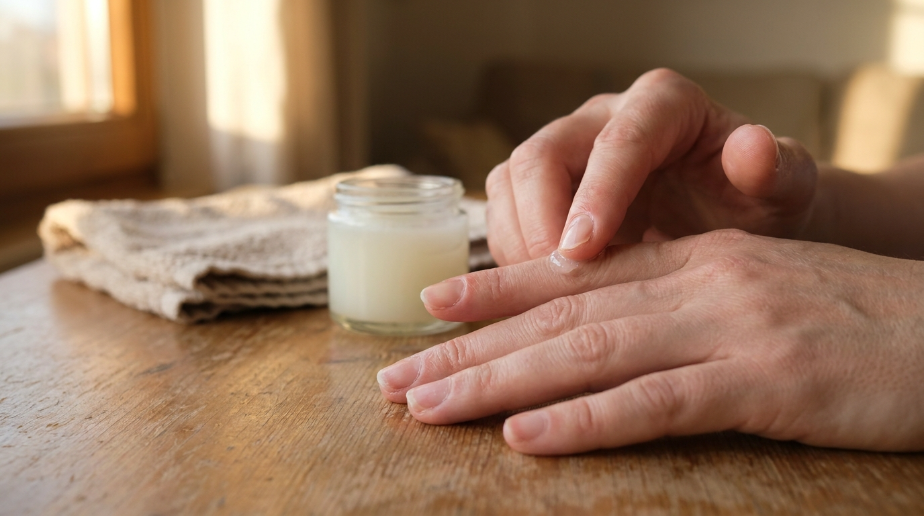
Petroleum jelly acts mainly as an occlusive moisturizer. In simple terms, it forms a protective layer that slows moisture from escaping from the surface of your skin and nail area.
That makes it especially useful around dry cuticles, nail folds, and brittle-looking nails.
It helps soften dry cuticles
If the skin around your nails looks rough, flaky, or chalky after handwashing, acetone, or cold weather, massage a small amount of petroleum jelly over the cuticle area.
Applying it while your skin is slightly damp is particularly useful because you’re sealing in moisture that’s already present rather than spreading an ointment over completely dehydrated skin.
It can reduce dryness-related brittleness
Petroleum jelly doesn’t chemically rebuild a damaged nail plate. What it can do is help keep the nail and surrounding skin from becoming excessively dry.
That matters because very dry nails can feel rigid and may chip, peel, or split more easily during daily activities. Consistent moisturizing helps create a better environment for maintaining the nail you already have while healthier nail gradually grows forward.
It can make the nail area look healthier
One of the fastest improvements you’ll notice is cosmetic. Moisturized cuticles look smoother. Dry white skin around the nail becomes less noticeable. The nail surface may also look slightly glossier after you’ve applied a thin coating.
That doesn’t mean Vaseline has permanently repaired the nail. You’re seeing the benefit of better moisture retention and surface protection.
It does not make nails grow dramatically faster
This is the claim to be most skeptical about.
Petroleum jelly isn’t a nail-growth stimulant. It doesn’t change the biological growth rate of your nail matrix simply because you’ve rubbed it over the nail plate.
What it may help you do is retain more of the length you grow. If your tips aren’t constantly breaking from dryness, your nails can appear to grow better because you’re losing less length.
Pro Tip
Apply Vaseline after hand cream or cuticle oil instead of using a huge amount by itself. The lighter moisturizer provides hydration and the petroleum jelly helps reduce how quickly that moisture escapes.
Do Salt and Vaseline Work Better Together?
They can complement each other, but you don’t need to mix them into a scrub or paste.
The most sensible way to combine them is to treat them as two separate steps:
- Use a brief warm salt-water soak only when you have a reason to soften the nail or surrounding skin.
- Pat your hands dry without aggressively rubbing the cuticle area.
- Leave the skin slightly damp or apply hand cream or cuticle oil.
- Finish with a very thin layer of petroleum jelly to help hold moisture in.
This sequence makes more sense than rubbing dry salt crystals directly over your cuticles. Your cuticle is protective tissue, so aggressive scrubbing, cutting, or picking doesn’t help create healthier nails.
For ordinary daily care, you can skip the salt completely. A consistent moisturizing routine is usually more practical. This simple nail care routine can help you build one without adding unnecessary steps.
What’s the Safest Way to Use Salt and Vaseline on Nails?
If you still want to try the combination, keep it gentle and uncomplicated.
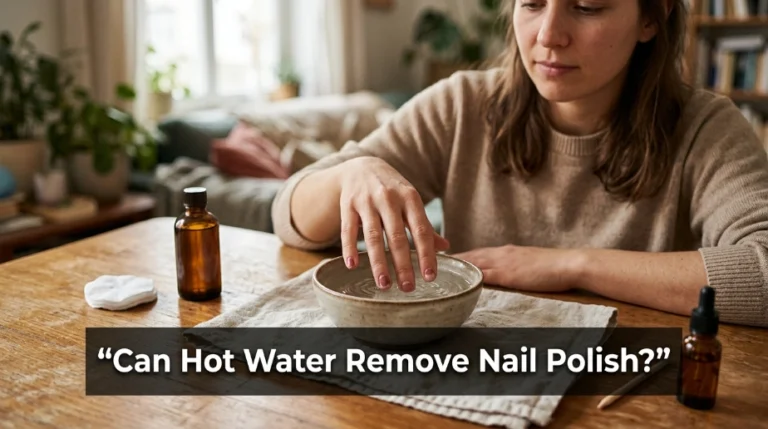
1. Prepare a small bowl of comfortably warm water
The water should feel warm, not hot. Add a modest amount of regular salt and stir until it dissolves.
You don’t need an extremely concentrated solution. Making the water aggressively salty won’t make your nails grow faster.
2. Soak briefly
Keep the soak short. If your goal is simply softening the nail area, several minutes is generally enough to make the next step easier.
If your fingernails are already very soft, peeling, or water-damaged, skip this step and go directly to moisturizing.
3. Pat your hands gently
Don’t scrub the skin dry with a rough towel. Pat away dripping water while leaving the nail and cuticle area slightly damp.
4. Apply moisture before Vaseline
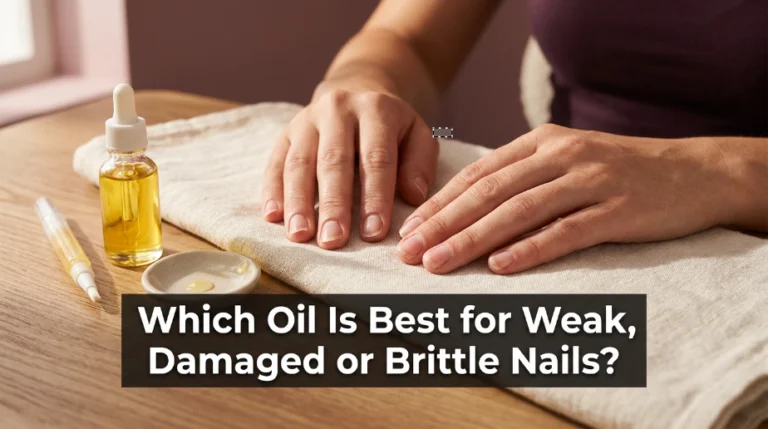
You can use your regular hand cream or a few drops of jojoba cuticle oil.
Massage it around the cuticle, sidewalls, and nail surface.
5. Seal it with petroleum jelly
Apply a small amount of pure petroleum jelly over each nail and cuticle.
You only need a thin film. A thick glob doesn’t automatically work better and is more likely to end up on your phone, clothing, or bedding.
6. Leave it on
Bedtime is convenient because you’re less likely to wash your hands immediately afterward. If the texture bothers you, lightweight cotton moisturizing gloves can keep the product off your sheets.
Who May Benefit Most From Vaseline Nail Care?
Petroleum jelly is especially practical when your main issue is dryness rather than an underlying nail condition.
- Dry cuticles: It helps protect rough skin from moisture loss.
- Frequent handwashing: Reapplying moisture afterward can help counter the drying cycle.
- Post-manicure dryness: Nail polish remover and repeated manicure routines can leave the surrounding skin feeling parched.
- Cold-weather nails: Winter air and indoor heating can make your hands and cuticles feel noticeably drier.
- Brittle-looking nails: Regular moisturizing may reduce dryness-related chipping while damaged nail grows out.
A fragrance-free hand cream underneath petroleum jelly is a useful combination if the dryness affects your entire hand rather than just your cuticles.
How Long Does It Take to See a Difference?
Your cuticles can feel softer quickly — sometimes after the first application — because the ointment immediately coats the surface and reduces moisture loss.
Changes in a damaged nail plate take much longer.
Once part of your visible nail has split, peeled, or been thinned by aggressive manicure removal, petroleum jelly doesn’t fuse that damaged nail back together. You have to protect it while healthier nail grows forward.
That’s why consistency matters more than expecting an overnight transformation. A nightly routine can improve how the nail area feels and looks while you wait for damaged portions to grow out.
What Should You Do and Avoid?
Do
- +Apply petroleum jelly to slightly damp nails and cuticles.
- +Keep any salt-water soak brief and purposeful.
- +Wear gloves for cleaning and prolonged wet work.
Don’t
- −Expect salt or Vaseline to dramatically accelerate nail growth.
- −Soak brittle nails for long periods every day.
- −Use moisturizer as a substitute for treating infection or unexplained nail changes.
What Are the Best Ways to Get More From This Routine?
Pro Tip
Use Vaseline after washing, not before. Applying it while your cuticle area still has a little moisture gives the ointment moisture to help retain.
Pro Tip
Don’t put Vaseline on the nail plate immediately before polishing. Greasy residue can make it harder for polish or base coat to grip cleanly. Moisturize first, then clean the nail plate thoroughly before your manicure.
Pro Tip
Protect your nails from water outside your beauty routine. A five-minute moisturizing routine won’t compensate for hours of dishwashing or cleaning with bare hands when your nails are already brittle.
What Products Actually Help With Dry Nails and Cuticles?
 Save
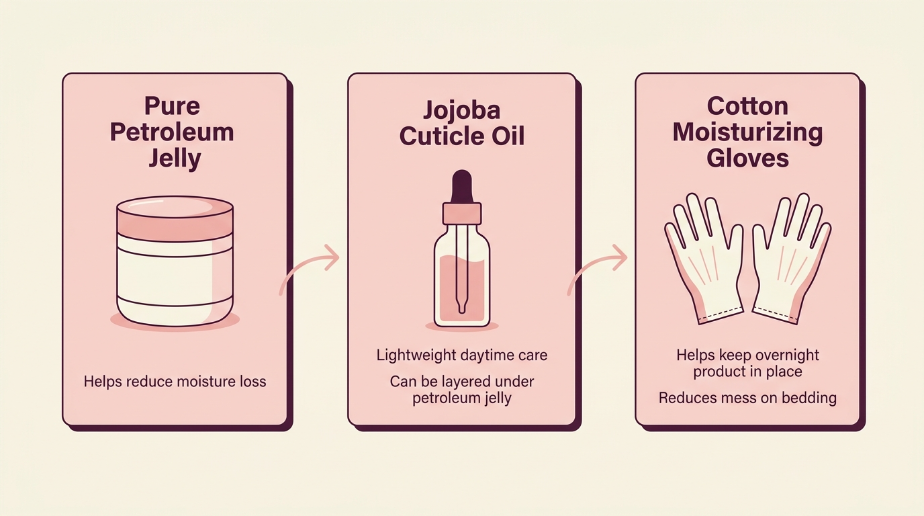
SaveYou don’t need an expensive nail kit. The most useful products are simple ones that help you moisturize consistently.
Recommended Product
Pure Petroleum Jelly
A simple petroleum jelly is the most relevant product for this routine because it helps reduce moisture loss from dry nails and cuticles without requiring a complicated ingredient list.
As an Amazon Associate, we earn from qualifying purchases.
Recommended Product
Jojoba Cuticle Oil
A lightweight cuticle oil is convenient during the day and can be layered underneath petroleum jelly when your cuticles need extra moisture care.
As an Amazon Associate, we earn from qualifying purchases.
Recommended Product
Cotton Moisturizing Gloves
Cotton gloves make an overnight petroleum-jelly routine less messy and help you leave the product in place instead of wiping it off on your bedding.
As an Amazon Associate, we earn from qualifying purchases.
When Are Salt and Vaseline Not Enough?
Dryness is a cosmetic-care problem. Persistent nail changes can be something different.
Don’t keep adding salt, Vaseline, oils, or polish over a nail that’s getting progressively worse. Consider professional medical advice if you notice:
- Persistent yellow, green, brown, or black discoloration.
- Increasing redness, warmth, swelling, or throbbing around a nail.
- Pus or drainage.
- A nail becoming unusually thick, crumbly, or distorted.
- Significant separation between the nail plate and nail bed.
- A painful crack extending into attached nail or skin.
- Unexplained changes affecting several nails.
Petroleum jelly may keep surrounding skin moisturized, but it doesn’t diagnose or treat fungal infections, bacterial infections, inflammatory nail disorders, or significant nail injuries.
If damage came from a manicure, picking, or trauma, this guide explains how to repair a damaged nail at home safely and which warning signs shouldn’t be handled as a cosmetic problem.
Warning
Warm salt-water soaking is sometimes used as supportive care for certain nail-fold problems, but a home soak should not delay medical care when redness is spreading, pain is increasing, pus is present, or you feel unwell.
Frequently Asked Questions About Salt and Vaseline for Nails
Q: Does salt and Vaseline make nails grow faster?
A: There isn’t a good reason to expect this combination to dramatically speed nail growth. Vaseline mainly helps reduce moisture loss, while salt is useful only in specific soaking situations. Better moisture care may help you retain length by reducing dryness-related breakage.
Q: Can I put Vaseline on my nails every night?
A: For most people, a small amount of petroleum jelly can be used regularly on dry nails and cuticles. Applying it after washing or over another moisturizer is an easy way to build it into your bedtime routine.
Q: Does salt strengthen weak fingernails?
A: Salt isn’t a permanent nail-strengthening treatment. Brief soaking can soften nails when needed, but repeated soaking can be counterproductive for brittle nails because frequent water exposure can contribute to splitting and peeling.
Q: Should I mix salt directly into Vaseline?
A: You don’t need to. If you want the benefits of both, use a short warm salt-water soak first and petroleum jelly afterward. That avoids unnecessary scrubbing while still giving you the moisture-sealing benefit of Vaseline.
Q: Is Vaseline better than cuticle oil?
A: They serve slightly different purposes. Cuticle oil is lighter and convenient during the day, while petroleum jelly creates a heavier moisture-protective layer. If your cuticles are extremely dry, you can use cuticle oil first and a thin layer of Vaseline on top.
So, What Do Salt and Vaseline Really Do for Your Nails?
Salt has a limited role: a brief warm salt-water soak can temporarily soften nails and surrounding skin, but it isn’t a proven shortcut to faster growth or permanently stronger nails. Vaseline is the more useful everyday step because petroleum jelly helps reduce moisture loss, soften dry cuticles, and protect brittle-looking nails from additional dryness.
If you want to try both, keep the salt soak short and let Vaseline do the moisture-sealing work afterward. Save this guide to Pinterest so you can come back to the routine whenever your nails or cuticles start feeling dry.

Hi, I’m Jessica, the creator behind Unique Lash & Nails Katy.
I created this website for anyone who loves beautiful nails as much as I do. Here, I share trendy nail designs, seasonal manicure ideas, easy nail care tips, honest product recommendations, and step-by-step guides to help you create salon-worthy nails at home. Whether you’re looking for everyday inspiration or your next favorite nail trend, I hope you’ll find something you love.