Is Vaseline Good for Nails? Benefits, Uses & Nail Care Tips
Quick Answer
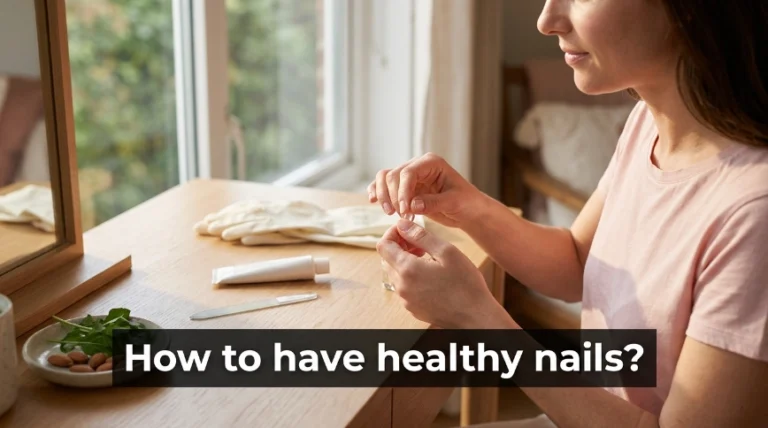
Yes, Vaseline can be good for your nails, especially when your nails and cuticles feel dry, rough, or brittle. Petroleum jelly creates an occlusive layer that slows moisture loss, helping your cuticles stay softer and making dry nails less likely to chip. It won’t magically make your nails grow faster, but regular use can support a healthier-looking nail environment.
If you’ve seen people coating their nails with Vaseline before bed, there’s a real reason behind the trend. Petroleum jelly isn’t a nail-growth treatment, but it can be surprisingly useful when dryness is making your nails and cuticles look rough.
The trick is knowing what Vaseline can realistically do. Used correctly, it’s an inexpensive way to seal moisture around your nail plate and cuticles. Used with unrealistic expectations, though, it can feel like it’s doing nothing.


What does Vaseline actually do for your nails?
Vaseline is a brand of petroleum jelly. Petroleum jelly works mainly as an occlusive, meaning it creates a protective layer that helps slow water from escaping from the surface of your skin.
That matters around your nails because your cuticles and the skin surrounding your nail plate can become dry from handwashing, nail polish remover, cold weather, cleaning products, and repeated manicures.
When you apply petroleum jelly after washing your hands or while the nail area is slightly damp, it helps hold that moisture in.
The result isn’t instant nail growth. Instead, your cuticles may feel softer, the skin around your nails may look smoother, and brittle nails may become less prone to dryness-related chipping.
Pro Tip
Apply Vaseline when your hands are still slightly damp after washing them. Petroleum jelly works especially well when there’s already moisture available for it to help seal in.
What are the main benefits of Vaseline for nails?
1. It helps soften dry cuticles
Dry cuticles can become rough, flaky, and uncomfortable. Massaging a tiny amount of Vaseline around each nail gives the cuticle area a protective coating that reduces moisture loss.
This is particularly useful at night because you’re less likely to wash the product off immediately afterward.
2. It can help reduce dryness-related brittleness
If your nails repeatedly become dry and brittle after polish removal, handwashing, or household chores, moisturizing them consistently can help.
Petroleum jelly won’t rebuild a severely damaged nail overnight, but keeping your nail plate and surrounding skin moisturized can make your nails feel less dry while the damaged portion gradually grows out.
3. It may help prevent chipping caused by dryness
A dry nail plate is less flexible. When it repeatedly bends or catches on objects, the edges may chip or split more easily.
Regular moisturizing is one protective step you can add alongside keeping your nails neatly filed and avoiding excessive water exposure.
If you’re maintaining extra length, pair your moisture routine with practical shaping and manicure ideas like these long wedding guest nail ideas, especially if you prefer keeping your natural nails longer.
4. It protects skin after drying nail treatments
Acetone and repeated polish removal can leave the skin around your nails feeling tight and dry. Petroleum jelly is useful after removal because it helps restore a comfortable, moisturized feel around the nail area.
You can also apply petroleum jelly around your skin before certain manicure steps when you want a protective barrier, although you should keep greasy residue away from the nail plate immediately before applying polish.
What’s the best way to use Vaseline on your nails?
 Save
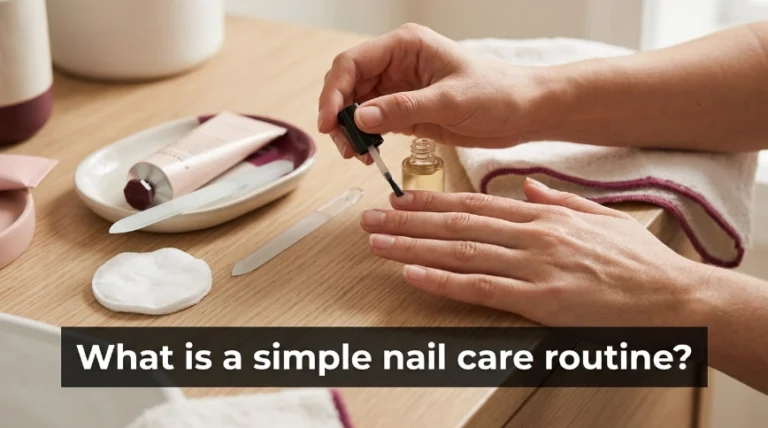
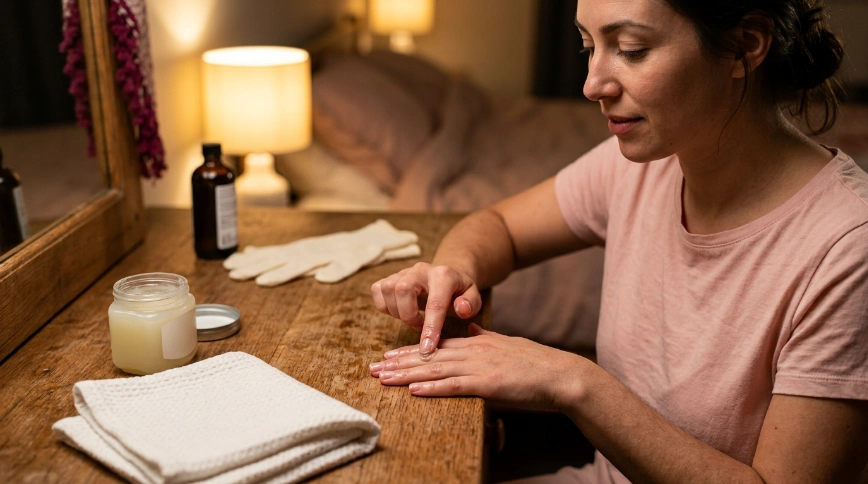
SaveYou don’t need a complicated nail routine. For everyday moisture care, a small amount is enough.
Method 1: Overnight nail and cuticle treatment
Wash your hands, pat them mostly dry, and leave the nail area slightly damp. Take a very small amount of petroleum jelly and massage it over each nail, cuticle, and the surrounding skin.
Leave it on overnight. If you dislike getting petroleum jelly on your bedding, wear lightweight cotton gloves.
Best for: noticeably dry cuticles, winter dryness, and nails that feel dehydrated after frequent polish changes.
Method 2: Apply it after handwashing
If you wash your hands many times throughout the day, repeated exposure to soap and water can leave the nail area dry.
After washing, apply your normal hand cream first if you use one. Then massage a tiny layer of petroleum jelly around your cuticles to help seal the moisture in.
You don’t have to cover your entire hands if you dislike the greasy feeling. Concentrating on the nail folds and cuticles is enough for a quick routine.
Method 3: Use it after removing nail polish
Once you’ve removed your polish and washed away remover residue, moisturize your hands and nails. Apply Vaseline around your nails afterward, particularly if acetone has left your skin looking chalky or feeling tight.
If you’re planning another manicure immediately, give the moisturizer time to work and then thoroughly clean the nail plate before applying base coat. Oil or petroleum residue on the nail can interfere with polish adhesion.
When you’re ready to choose your next manicure, this guide to wedding-ready nail polish options can help you compare different finishes and wear styles.
Can Vaseline make your nails grow faster?
No, Vaseline isn’t a nail-growth accelerator.
Your visible nail plate grows from the nail matrix beneath the skin. Coating the outside of your nail with petroleum jelly doesn’t directly speed up that biological growth process.
What Vaseline can do is help you protect the nail you already have.
That distinction matters. If moisturizing reduces dryness-related splitting and chipping, you may be able to keep more length instead of constantly losing the tips of your nails. Your nails can therefore appear to be growing better because you’re preserving them rather than because petroleum jelly is making them grow faster.
Warning
Don’t rely on Vaseline to treat persistent nail discoloration, thickening, separation, pain, swelling, or suspected fungal infection. Moisturizing may improve dryness, but it doesn’t treat the underlying cause of these nail changes.
Is Vaseline better than cuticle oil?
Neither product automatically wins because they work a little differently.
Vaseline is excellent at sealing moisture in. It’s thick, inexpensive, long-lasting, and particularly convenient as an overnight treatment.
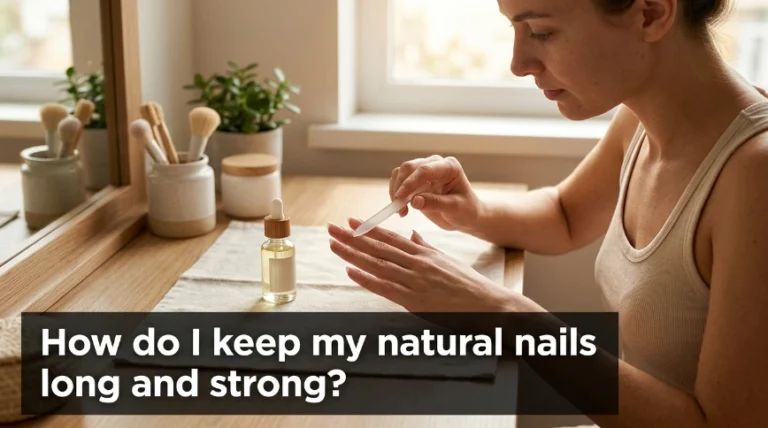
Cuticle oil is usually lighter and easier to massage in during the day. Oils containing ingredients such as jojoba can soften the cuticle area without leaving the same heavy coating.
You can even use them together.
Massage a small amount of cuticle oil into the nail and cuticle first. Give it a minute to spread, then apply a very thin layer of petroleum jelly over the top before bed.
This combination is especially useful when your cuticles become extremely dry during winter or after several manicure cycles.
Recommended Product
Plain Petroleum Jelly for Nails and Cuticles
A basic fragrance-free petroleum jelly is all you need for an inexpensive overnight moisture-sealing nail treatment.
As an Amazon Associate, we earn from qualifying purchases.
What should you do and avoid when using Vaseline on nails?
Do
- +Apply it to slightly damp nails and cuticles.
- +Massage a small amount around the entire cuticle.
- +Use it consistently when your nails feel dry.
Don’t
- −Expect it to dramatically accelerate nail growth.
- −Apply a greasy layer immediately before nail polish.
- −Use it as a substitute for treatment of persistent nail disease.
When should you apply Vaseline for the best results?
Bedtime is usually the easiest option. Your hands stay relatively undisturbed for several hours, so the product has less chance of being washed away.
Another useful time is immediately after washing your hands. Pat them dry rather than scrubbing them completely dry, then apply moisturizer followed by a small amount of petroleum jelly around your nails.
You may also find it useful:
- After removing regular or gel nail polish.
- After cleaning with household products.
- During cold or dry weather.
- After long periods of handwashing.
- Whenever your cuticles begin looking rough or flaky.
If you love simple manicures that show plenty of natural nail, keeping the surrounding skin neat makes an especially noticeable difference. You can pair your care routine with these minimalist nail ideas for a clean, understated look.
How often should you put Vaseline on your nails?
For ordinary maintenance, applying it once each evening is an easy routine to maintain.
If your hands are extremely dry or you’re washing them repeatedly, you can use a small amount more often. You don’t need a thick coating each time. A thin film massaged into your cuticles and nail folds is usually more comfortable and less messy.
Consistency matters more than quantity. One enormous application once a week isn’t necessarily as useful for dryness as regularly protecting the area from repeated moisture loss.
Pro Tip
Keep a small jar beside your hand cream rather than hidden with your manicure supplies. You’ll remember to moisturize your cuticles after washing instead of only thinking about them when you’re doing your nails.
What products pair well with Vaseline?
 Save
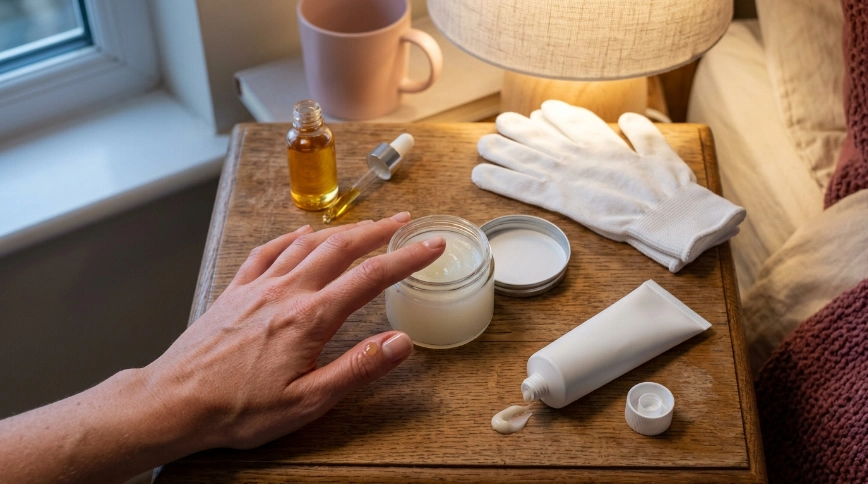
SaveVaseline can work perfectly well by itself, but you can build a slightly more complete routine if your nails are especially dry.
Jojoba cuticle oil
A lightweight cuticle oil is useful during the day when you don’t want greasy fingertips. Massage it around the cuticle and sidewalls whenever the area feels dry.
Jojoba cuticle oil is a convenient option for regular nail and cuticle moisturizing.
Fragrance-free hand cream
Hand cream can provide moisture across your entire hand, while petroleum jelly works well as the final protective layer around especially dry areas.
Look for a fragrance-free hand cream if heavily scented formulas tend to irritate your skin.
Cotton moisturizing gloves
If nighttime Vaseline ends up on your sheets, lightweight gloves solve the mess problem while encouraging you to leave the moisturizer in place.
A pair of cotton moisturizing gloves can make an overnight routine much easier.
Can you use Vaseline around polished, gel, or acrylic nails?
Yes. You can moisturize the cuticles and skin surrounding polished nails, gel manicures, and enhancements.
In fact, keeping the surrounding skin moisturized can make an older manicure look noticeably neater.
Just remember that petroleum jelly isn’t a repair product for lifting gel or acrylic. If an enhancement begins lifting significantly, don’t use Vaseline as a way to seal the gap. Moisture and debris can become trapped around compromised enhancements, so damaged product should be handled appropriately instead of covered up.
Before applying a new manicure, remove oily residue from the nail plate so your base coat or enhancement has a clean surface to adhere to.
When is Vaseline not enough for a nail problem?
Dryness is one thing. Persistent changes in the nail itself deserve more attention.
Consider getting professional medical advice if you notice problems such as:
- Persistent yellow, green, brown, or black discoloration.
- A nail becoming unusually thick or crumbly.
- The nail separating significantly from the nail bed.
- Pain, warmth, swelling, or pus around the nail.
- Repeated unexplained nail changes affecting several nails.
Petroleum jelly can moisturize surrounding skin, but moisturizing doesn’t identify or treat infections, inflammatory nail conditions, or other underlying causes.
Frequently asked questions about Vaseline and nails
Q: Can I put Vaseline on my nails every day?
A: Yes. You can apply a small amount daily to dry nails and cuticles. Bedtime or immediately after washing your hands are convenient times because you’re helping seal existing moisture into the area.
Q: Does Vaseline strengthen nails?
A: Vaseline doesn’t chemically harden your nail plate. Its main benefit is moisture retention, which can help dry, brittle nails stay more flexible and less prone to dryness-related chipping.
Q: Does Vaseline help nails grow overnight?
A: No. Vaseline won’t suddenly increase nail growth overnight. It can moisturize and protect your existing nails, which may help you retain length by reducing dryness-related breakage.
Q: Is Vaseline good for damaged cuticles?
A: It’s particularly useful for dry, rough cuticles because it helps reduce moisture loss. However, painful swelling, pus, significant redness, or other signs of infection need proper medical evaluation rather than moisturizer alone.
Q: Is Vaseline or cuticle oil better for nails?
A: Cuticle oil is lighter and convenient for daytime use, while Vaseline provides a heavier moisture-sealing layer. You don’t have to choose one: apply cuticle oil first and a thin layer of petroleum jelly afterward when you need extra overnight moisture protection.
So, is Vaseline good for your nails?
Yes—especially if dryness, rough cuticles, or brittle-looking nails are your main concern. Vaseline won’t make your nails grow dramatically faster or fix an underlying nail condition, but it’s an inexpensive and dermatologist-supported way to help seal moisture into your nails and cuticles.
Apply a thin layer to slightly damp nails before bed, stay consistent, and protect your hands from the things that keep drying them out. Save this guide to Pinterest so you have the routine ready the next time your nails need a little extra care.

Hi, I’m Jessica, the creator behind Unique Lash & Nails Katy.
I created this website for anyone who loves beautiful nails as much as I do. Here, I share trendy nail designs, seasonal manicure ideas, easy nail care tips, honest product recommendations, and step-by-step guides to help you create salon-worthy nails at home. Whether you’re looking for everyday inspiration or your next favorite nail trend, I hope you’ll find something you love.