How Moisturizing and Nail Oil Help Peeling Nails
Quick Answer
Moisturizing and nail oil help peeling nails by conditioning dry nail surfaces, softening cuticles, and reducing moisture loss around fragile fingertips. Apply a fragrance-free hand cream after washing, massage nail oil over your nails and cuticles daily, and protect your hands from prolonged water exposure. These habits may reduce further dryness and damage, but existing peeled nail layers must grow out naturally.
Are your nails peeling at the tips even though you keep them trimmed and polished? Those thin, separating layers can make your favorite manicure frustrating to maintain.
The good news is that you don’t need an expensive collection of nail treatments. Understanding how moisturizing and nail oil help peeling nails can make everyday care much easier.
With a few affordable products, consistent moisturizing, and better protection, you can help your nails stay comfortable and reduce avoidable damage while healthier nail grows in.


Why Do Nails Peel in the First Place?
Before choosing a nail oil or moisturizer, it helps to understand what’s happening beneath those flaky tips.
Your nail plate consists of tightly packed layers of keratin. When the outer layers begin separating, you may notice thin flakes lifting from the free edge. This type of nail splitting is often called onychoschizia.
Several everyday habits can contribute to the problem.
Repeated Water Exposure
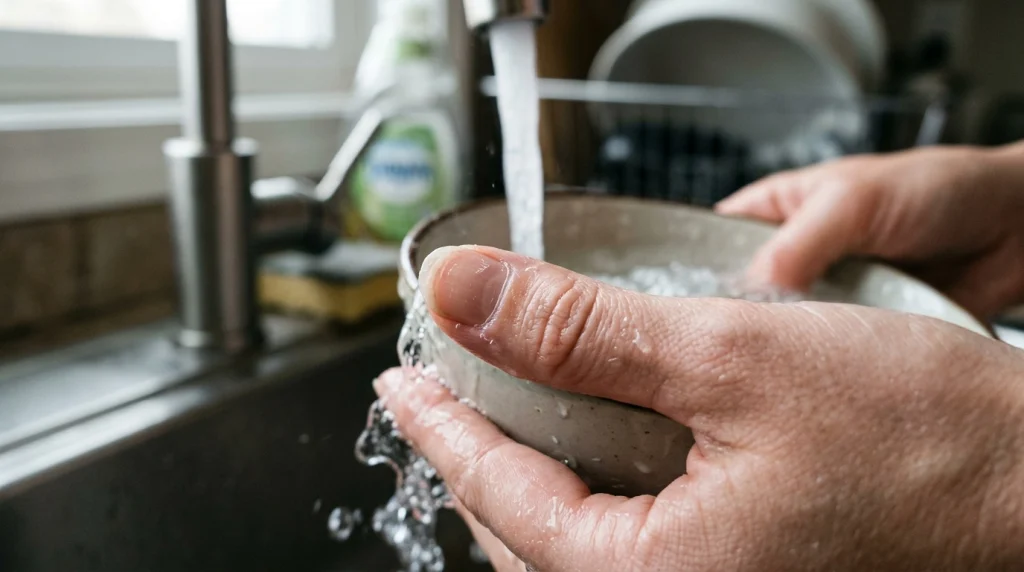
Your nails absorb water during activities such as washing dishes, showering, and frequent handwashing. Repeated wetting and drying can stress the nail plate and contribute to splitting.
If you regularly clean without gloves, those repeated moisture changes may make fragile tips harder to maintain.
Harsh Nail Products and Removal Methods
Frequent exposure to nail polish remover can leave nails feeling dry. Aggressive buffing, scraping, and peeling off gel polish may physically remove superficial nail layers.
That damage cannot simply be reversed with oil. The affected area needs protection as it grows toward the tip.
Dryness and Environmental Conditions
Cold weather, dry indoor air, detergents, and frequent cleaning can increase dryness around your nails and fingertips.
When your nail edges are already fragile, everyday friction can make peeling more noticeable.
Other Possible Causes
Persistent nail peeling isn’t always caused by dryness. Skin conditions, certain medical problems, nutritional deficiencies, and nail infections can sometimes contribute to changes in nail appearance.
If your nails suddenly change, become painful, separate from the nail bed, or continue peeling despite gentle care, consult a healthcare professional.
For additional preventive strategies, explore our guide on how to prevent nail peeling.
How Does Moisturizing Help Peeling Nails?
Moisturizing is one of the simplest ways to care for dry, peeling-prone nails. Its main purpose is to reduce dryness and improve the condition of your nails and surrounding skin.
1. Helps Reduce Dryness Around Fragile Nails
A moisturizing hand cream can improve the condition of dry fingertips, nail folds, and cuticles.
Ingredients such as glycerin attract and retain moisture, while petrolatum helps reduce moisture loss from the skin.
When applying your hand cream, don’t stop at your palms. Massage a small amount directly over each nail and around its edges.
2. Supports a More Comfortable Nail Area
Dry skin around your nails can become rough, tight, and uncomfortable. Regular moisturizing softens that skin and helps maintain a healthier-feeling protective barrier.
This matters because damaged cuticles and surrounding skin can become irritated when you repeatedly pick at rough areas.
3. Helps Protect Against Everyday Dryness
Moisturizing after handwashing replaces some of the conditioning your skin loses during routine washing.
A richer cream or ointment is particularly useful before bed, when you can leave the product on without immediately washing it away.
4. Encourages Gentler Nail-Care Habits
Applying moisturizer regularly also gives you an opportunity to notice small snags, rough cuticles, and changes in your nails before they become more troublesome.
However, remember that moisturizer does not permanently reconnect separated keratin layers. Its value lies in conditioning the nail area and supporting a protective routine.
How Does Nail Oil Help Peeling Nails?
Nail oil is a lightweight conditioning treatment applied to the nail plate, cuticles, and surrounding skin.
It’s especially convenient when your fingernails feel dry but you don’t want the heavier texture of hand cream.
Conditions the Nail Surface
Nail oils create a conditioning layer over exposed nails and cuticles. Depending on the formula, they can help reduce the rough, dry feeling associated with frequent handwashing and polish removal.
Some oils spread easily around the nail edges, making daily application simple.
Softens Dry Cuticles
Dry cuticles may look flaky or feel uncomfortable. Massaging nail oil into the skin around your nails helps soften rough areas and makes them less tempting to pick.
Keeping cuticles comfortable is useful because they form part of the protective barrier around the growing nail.
Complements Hand Cream
Oil and moisturizer work well as part of the same routine, although using both isn’t mandatory.
Hand cream is useful for conditioning the surrounding skin, while nail oil provides a convenient way to apply a small amount of conditioning product to the nail area.
For very dry fingertips, you can apply a little oil, follow with cream, and finish with a thin layer of petroleum jelly before bed.
May Help Limit Further Dryness
Regular conditioning may help nails feel less dry, but there is limited high-quality evidence that a particular cosmetic nail oil can directly repair peeling nails.
The most realistic benefit comes from combining oil with gentle filing, protection from excessive water exposure, and careful manicure removal.
If you’re wondering whether you need separate formulas, our nail oil vs cuticle oil comparison explains the differences.
Which Is Better for Peeling Nails: Moisturizer or Nail Oil?
You don’t necessarily need to choose one. Both can be useful, but their textures and everyday purposes are slightly different.
| Feature | Moisturizer | Nail Oil |
|---|---|---|
| Main purpose | Condition nails and surrounding skin | Condition nails and cuticles |
| Typical texture | Cream or lotion | Lightweight oil |
| Best application time | After handwashing | Daily or before bedtime |
| Can repair split layers? | No | No |
My recommendation: Start with a fragrance-free hand cream after washing. Add nail oil once or twice daily if your cuticles and nail tips feel especially dry.
You don’t need expensive products or complicated layering to make the routine worthwhile.
What Is the Best Daily Moisturizing Routine for Peeling Nails?
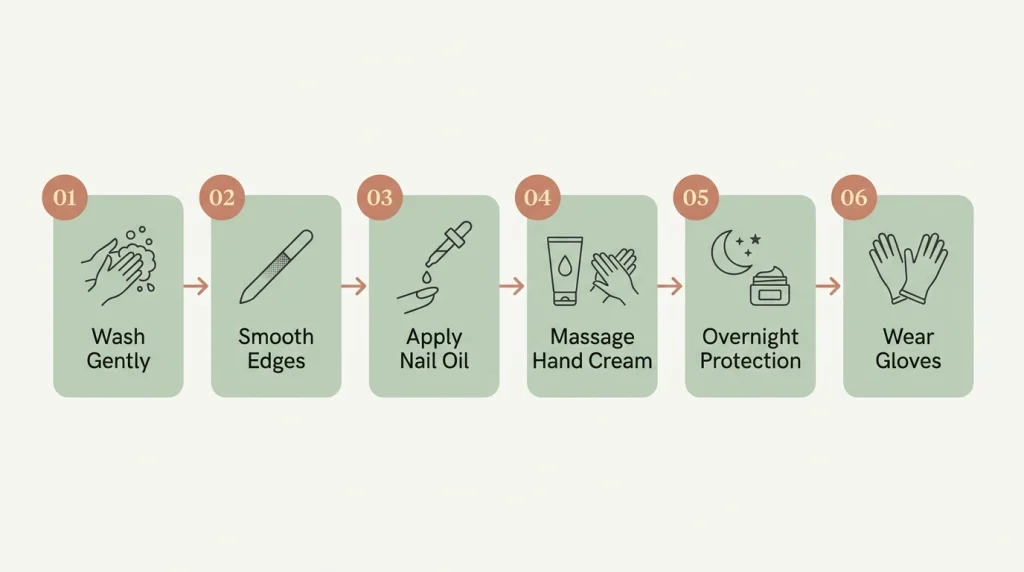
A consistent five-minute routine is more practical than an occasional intensive treatment.
Follow these steps to keep your nail area conditioned and protect fragile tips.
Step 1: Wash Your Hands Gently
Use lukewarm water and mild soap. Avoid unnecessary scrubbing or digging underneath your nails with sharp tools.
Pat your hands dry, including the spaces around your fingertips.
Common mistake: Soaking your nails for long periods before every treatment. Extra soaking isn’t necessary and may increase repeated water exposure.
Step 2: Smooth Any Peeling Edges
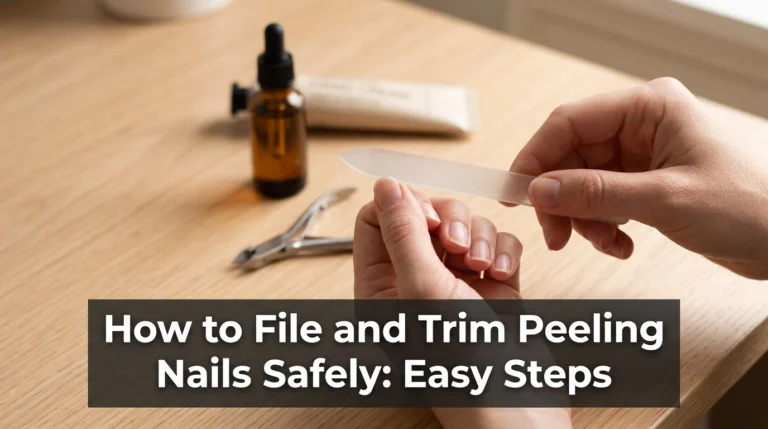
Use a fine nail file to smooth snags at the free edge. Keep your nails reasonably short while the damaged areas grow out.
File gently without pulling off peeling layers.
Common mistake: Buffing the entire nail surface until peeling disappears. This removes additional nail material and can make your nails thinner.
Step 3: Apply a Small Amount of Nail Oil
Place a small drop of nail oil near each cuticle and massage it over the nail surface, sidewalls, and surrounding skin.
Allow the oil to spread naturally rather than applying excessive amounts.
Common mistake: Expecting nail oil to glue peeling layers together. Oil conditions the surface but does not reverse structural nail damage.
Step 4: Massage Hand Cream Over Your Fingertips
Apply a fragrance-free hand cream containing ingredients such as glycerin, ceramides, or petrolatum.
Massage the cream across your hands, nails, and cuticle areas. Reapply after handwashing when practical.
Common mistake: Applying cream only to the backs of your hands while leaving your nails and cuticles untreated.
Step 5: Add Overnight Protection When Needed
If your fingertips feel very dry, apply a thin layer of plain petroleum jelly over the nail folds and cuticles before sleeping.
This creates a thicker protective barrier over the skin and helps reduce overnight moisture loss.
Common mistake: Using a heavy overnight treatment while ignoring daily exposure to cleaning products and water.
Step 6: Wear Gloves During Wet Chores
Protect your hands with suitable gloves when washing dishes or handling household detergents.
Remove the gloves if the inside becomes damp, and dry your hands afterward.
Common mistake: Wearing sweaty or wet gloves for extended periods. Trapped moisture can irritate your skin.
Pro Tip
Keep a travel-size moisturizer next to your hand soap and a nail oil pen in your bag. Making products easy to reach helps you maintain the routine even on busy days.
For more guidance on everyday application, visit our article explaining how to moisturize nails.
What Ingredients Should You Look for in Nail Oil?
Not all nail oils feel the same. Choose a formula based on your skin sensitivity, texture preferences, and budget.
Jojoba Oil
Jojoba oil is technically a liquid wax with a lightweight texture. It’s a popular ingredient in cuticle products because it spreads easily and helps condition dry skin.
It’s a practical choice if you want something convenient for daytime use.
Sweet Almond Oil
Sweet almond oil is an emollient that helps soften the skin around your nails.
However, check ingredient information and avoid it if you have a relevant almond allergy or sensitivity.
Vitamin E
Vitamin E appears in many nail-care formulas as an antioxidant and conditioning ingredient.
Although it’s popular in cosmetic oils, there isn’t strong evidence that applying vitamin E alone can permanently repair split nail layers. Some people also develop contact irritation from topical vitamin E.
Mineral Oil
Cosmetic-grade mineral oil is a straightforward conditioning option that helps reduce moisture loss from the skin.
It’s often suitable for simple, fragrance-free routines and may be useful if strongly scented botanical formulas irritate your fingertips.
What should you avoid? If your skin is sensitive, be cautious with heavily fragranced nail oils and essential oils. Stop using any product that causes redness, itching, burning, or swelling.
Which Products Are Worth Buying for Peeling Nails?
You can build a useful nail-care routine with three affordable product categories. Choose based on your needs rather than assuming a higher price means better results.
Affiliate disclosure: As an Amazon Associate, we earn from qualifying purchases.
Recommended Product
Jojoba-Based Cuticle Oil
A lightweight jojoba-based oil is convenient for conditioning your nails and cuticles without using a thick cream throughout the day. Look for a simple formula and an easy-to-control brush or dropper.
As an Amazon Associate, we earn from qualifying purchases.
Recommended Product
Fragrance-Free Moisturizing Hand Cream
A fragrance-free hand cream containing glycerin or ceramides is a practical choice for frequently washed hands, dry nail folds, and peeling-prone fingertips. Apply it after washing and before bed.
As an Amazon Associate, we earn from qualifying purchases.
Recommended Product
Fine Glass Nail File
A fine glass file helps smooth rough nail edges without aggressive buffing. It’s especially useful when a peeling tip catches on clothing or hair.
As an Amazon Associate, we earn from qualifying purchases.
How Long Does It Take for Peeling Nails to Improve?
Moisturizing can improve the feel of dry cuticles relatively quickly, but damaged nail layers cannot permanently reattach.
You may notice softer skin and less tightness after the first few applications. Over the following weeks, consistent protection may help reduce new dryness-related damage.
Visible improvement in a damaged nail plate generally takes longer because new nail must grow from the base.
Fingernails commonly grow around 3 millimeters per month, although growth varies. Replacing an entire fingernail can take approximately four to six months, and sometimes longer.
Here’s a realistic way to evaluate progress:
- First few days: Your cuticles may feel softer and more comfortable.
- After several weeks: You can look for fewer new snags and less visible dryness, although improvement isn’t guaranteed.
- After several months: Previously damaged sections gradually move toward the free edge as new nail grows.
Rather than testing your nails by bending or scraping them, take a photograph every few weeks under similar lighting.
This gives you a better way to monitor changes without creating additional damage.
What Should You Do and Avoid When Your Nails Are Peeling?
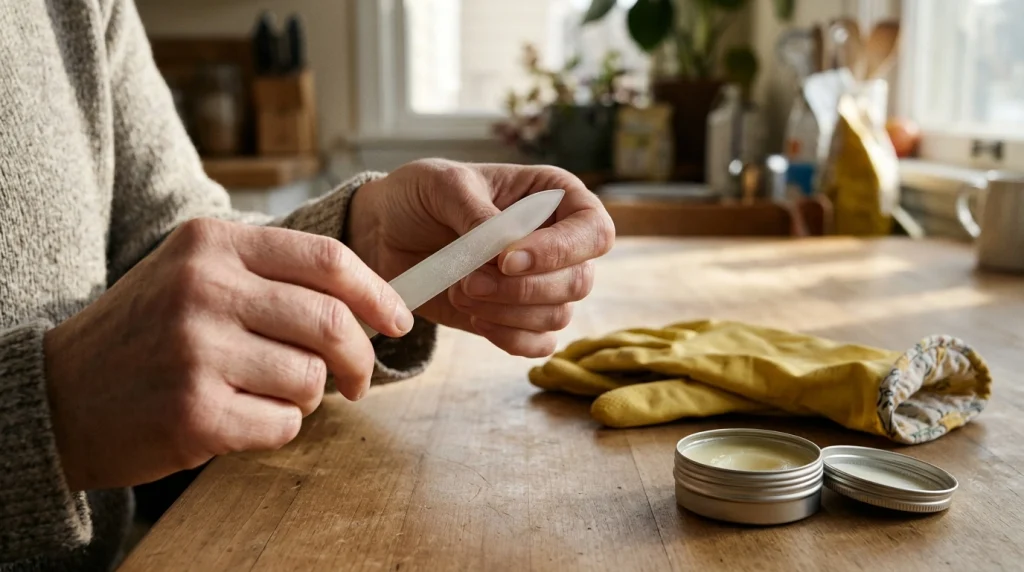
Do
- Apply moisturizer after washing your hands.
- Massage nail oil into dry cuticles.
- Keep peeling nails reasonably short.
- Use gloves during wet household chores.
- Remove nail polish gently.
- Monitor persistent changes in nail appearance.
Don’t
- Pull away peeling nail layers.
- Overbuff thin nail surfaces.
- Peel gel polish off by force.
- Expose fragile nails to detergents unnecessarily.
- Expect oils to repair damaged keratin instantly.
- Cover painful or suspicious nail changes with enhancements.
Can You Use Nail Oil With Gel Polish or Acrylic Nails?
Yes, you can generally moisturize the exposed skin and cuticle areas while wearing gel polish or acrylic enhancements.
Apply a small amount around the nail folds and gently massage it into the surrounding skin.
However, the coating covers much of your natural nail, so oil cannot reach the entire nail plate directly.
If your manicure begins lifting, don’t pull it away or attempt to conceal a suspicious gap with more product.
Trapped moisture and improper removal can contribute to additional nail problems.
For nails already weakened by manicures, our guide to protecting nails after gel removal explains how to reduce further trauma.
Why Are Your Nails Still Peeling Despite Using Nail Oil?
If you’ve been applying cuticle oil regularly but your nails continue peeling, examine the rest of your routine.
Problem: Your nails peel after frequent handwashing.
Immediate fix: Apply hand cream after washing and gently file any snagged tips. Prevention: Protect your hands from unnecessary soaking and detergents during chores.
Problem: Peeling worsens after gel manicures.
Immediate fix: Avoid further buffing or picking, and keep your nails short. Prevention: Use appropriate removal methods or professional assistance instead of prying off gel.
Problem: Your cuticles become irritated after applying oil.
Immediate fix: Stop using the product and gently wash away any residue. Prevention: Choose a simpler, fragrance-free formula and avoid ingredients that have previously caused irritation.
Problem: Peeling continues for months.
Immediate fix: Continue gentle protection without adding harsh treatments. Next step: Arrange a medical assessment if peeling persists, spreads, or appears alongside other symptoms.
Warning
Seek medical advice for persistent or unexplained nail changes. Increasing pain, swelling, pus, nail separation, unusual discoloration, or a new dark streak should not be treated as ordinary dryness. Nail oil and moisturizer are cosmetic care products, not treatments for infection or underlying medical conditions.
Frequently Asked Questions About Moisturizing and Nail Oil for Peeling Nails
Q: Can nail oil stop nails from peeling?
A: Nail oil can condition dry nail surfaces and cuticles, but it cannot permanently repair existing splits. Combine regular oil application with moisturizing, gentle filing, and protection from prolonged water exposure.
Q: How often should you apply nail oil to peeling nails?
A: Once or twice daily is a practical starting point. Apply a small amount around the nails and cuticles, and adjust according to dryness and how well your skin tolerates the product.
Q: Is Vaseline good for peeling nails?
A: Plain petroleum jelly can help reduce moisture loss from the skin around your nails. Apply a thin layer after hand cream, especially before bed. It won’t reconnect separated nail layers.
Q: Should you apply nail oil before or after hand cream?
A: Either order can be reasonable. You can massage oil onto your nails first and follow with cream, or use hand cream after washing and apply nail oil separately before bed. Regular application matters more than a strict order.
Q: Can peeling nails grow back healthy?
A: Yes, healthier nail may gradually replace damaged sections as the nail grows, especially when the cause of the damage is addressed. Complete fingernail replacement often takes several months. Persistent changes deserve professional evaluation.
Final Thoughts: Keep Your Peeling Nail Routine Simple
Understanding how moisturizing and nail oil help peeling nails makes it easier to focus on practical care instead of miracle treatments. Use hand cream regularly, condition dry nail edges with oil, protect your hands during wet chores, and avoid removing nail layers by force.
Your existing damage needs time to grow out, but consistent gentle care can help protect new nail growth and keep your cuticles comfortable.
Save this guide to your Pinterest nail-care board so you can return to this simple routine whenever your nails need extra attention.

Hi, I’m Jessica, the creator behind Unique Lash & Nails Katy.
I created this website for anyone who loves beautiful nails as much as I do. Here, I share trendy nail designs, seasonal manicure ideas, easy nail care tips, honest product recommendations, and step-by-step guides to help you create salon-worthy nails at home. Whether you’re looking for everyday inspiration or your next favorite nail trend, I hope you’ll find something you love.