Peeling Nails Grow-Out Timeline: What to Expect
Quick Answer
Peeling fingernails usually take about 4–6 months to grow out completely, although minor peeling near the tips may disappear much sooner as you trim it away. Fingernails grow approximately 2.5–3 millimeters per month. Moisturizing, keeping nails short, and avoiding further damage help protect healthy new growth. Existing peeled layers cannot permanently repair themselves, so patience and consistent nail care are essential.
If your nails keep peeling in thin layers, you probably want to know when they’ll finally look healthy again. It can feel especially frustrating when you stop wearing gel polish or start using cuticle oil but still see damaged tips weeks later.
The encouraging news? Peeling nails often improve with gentle care and time. The important part is understanding that your nails grow gradually rather than repairing existing damage overnight.
Here’s what your nail recovery timeline may look like, why peeling happens, and how you can protect your nails while they grow out.


How Long Does It Actually Take Peeling Nails to Grow Out?
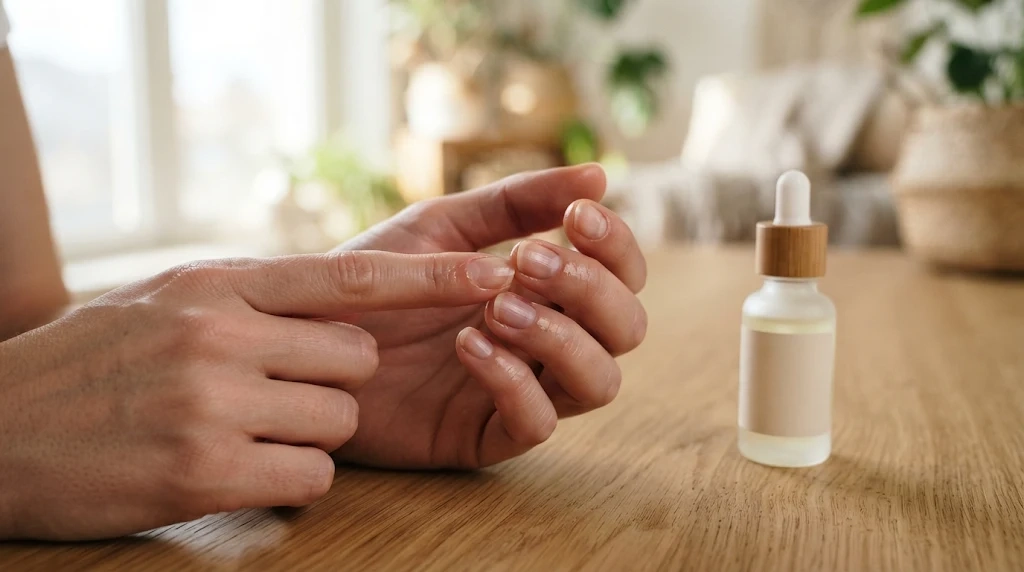
For most adults, a complete fingernail replacement takes approximately four to six months. This is the usual timeframe for new nail to travel from the growth area near your cuticle to the tip.
However, you won’t necessarily have to wait six months to notice improvement. The recovery timeline depends on how much of your nail is damaged and whether the original cause of peeling has stopped.
- Minor peeling at the tips: The affected portion may be trimmed away within several weeks if it is already near the free edge.
- Moderate damage: You may need two to four months for a substantial section of healthier-looking nail to replace the damaged area.
- Extensive surface damage: Complete replacement may take four to six months or longer.
- Ongoing peeling: Improvement may be delayed if repeated water exposure, picking, or aggressive manicures continue damaging the nail.
These ranges are approximate, not guaranteed recovery deadlines. Nail growth varies with age, health, injury, and individual biology.
How Fast Do Fingernails Grow Each Month?
Fingernails typically grow about 2.5–3 millimeters per month, or roughly one-tenth of a millimeter daily.
That may sound tiny, but the progress adds up. Over three months, a typical nail may grow approximately 7.5–9 millimeters.
Because nails grow from the nail matrix beneath the base of your nail, new nail gradually pushes older material toward the fingertip.
You can explore the normal growth process in our guide to how fast fingernails grow.
Why Do Your Nails Peel Instead of Growing Smoothly?
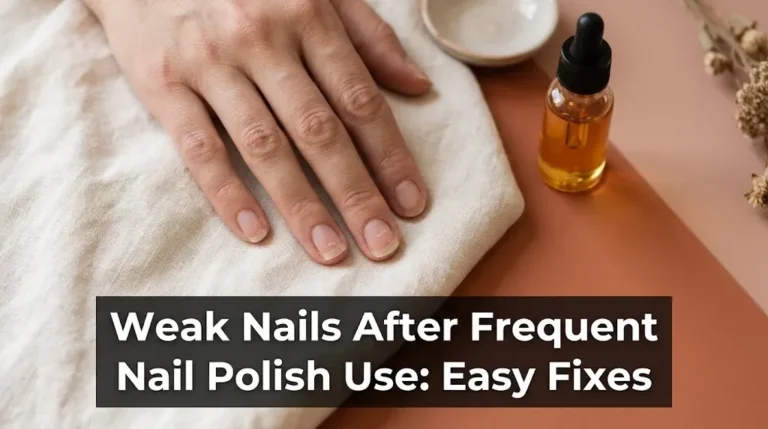
Peeling nails often develop when the thin layers of the nail plate begin separating from one another.
Dermatologists call this condition lamellar onychoschizia. It commonly appears as thin, flaky layers lifting near the free edge of the nail.
Your nail plate contains closely packed keratin structures. Repeated exposure to moisture, chemicals, or physical trauma can weaken the connections between these layers.
1. Repeated Water Exposure
Frequently washing dishes, cleaning, or keeping your hands wet can contribute to nail peeling.
Nails absorb water and change slightly in volume. Repeated wetting and drying can place stress on their layered structure.
If your hands spend a lot of time in water, protective gloves may be one of the most useful changes you can make.
2. Gel Polish or Acrylic Removal Damage
Peeling off gel polish can remove superficial layers of your natural nail along with the coating.
Aggressive filing during acrylic or dip removal can produce similar damage.
You may notice thin white patches, rough texture, or flexible nail tips after removing enhancements.
3. Excessive Filing and Buffing
Frequent buffing gradually removes nail material. When your nails are already thin, even additional light buffing can leave them more vulnerable to splitting.
Use a fine-grit file to smooth the free edge rather than repeatedly polishing the entire nail surface.
4. Harsh Chemicals and Nail Products
Cleaning detergents, solvents, and repeated exposure to some nail removers can contribute to brittleness.
Acetone is effective for removing certain nail products, but frequent exposure may temporarily increase dryness around the nails and cuticles.
The solution isn’t necessarily avoiding every manicure product. Instead, reduce unnecessary exposure and remove products carefully.
5. Nutritional or Medical Problems
Most ordinary peeling is associated with environmental exposure or physical damage. However, persistent nail changes can sometimes relate to iron deficiency, thyroid conditions, inflammatory skin conditions, or infection.
If peeling affects several nails without an obvious cause, or comes with other symptoms, a healthcare professional can help identify whether something more than cosmetic damage is involved.
What Does Peeling Nail Recovery Look Like Week by Week?
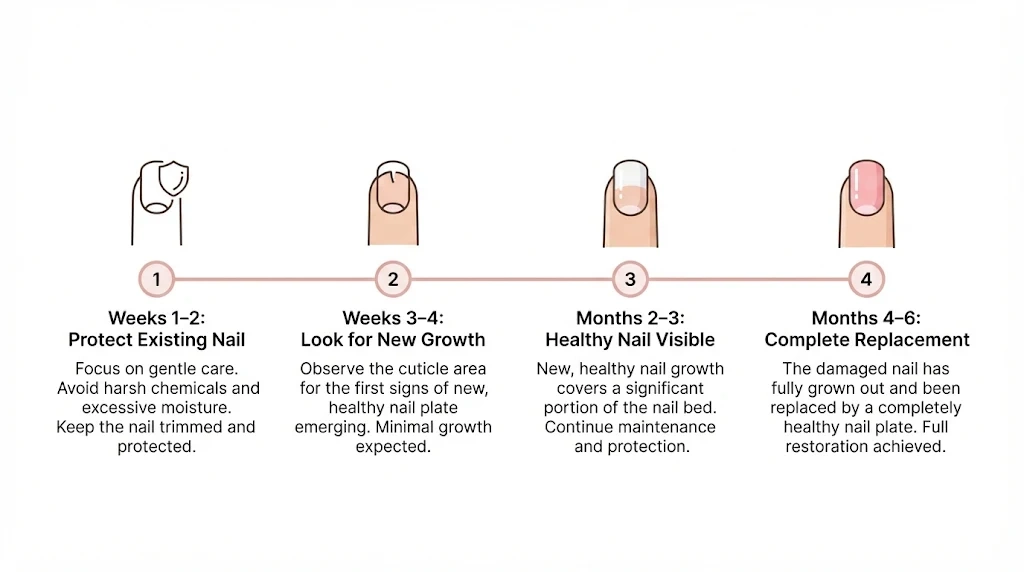
Your nails won’t suddenly become strong after a particular number of days. Instead, you’ll gradually see a difference between older damaged nail and new growth.
Weeks 1–2: Protect the Existing Nail
During the first two weeks, your main goal is to prevent additional splitting.
Keeping nails short, smoothing rough edges, and moisturizing consistently may make your nails feel more comfortable and easier to manage.
However, the previously damaged portion usually remains visible.
Don’t mistake the lack of immediate visual improvement for treatment failure. The new nail simply hasn’t grown very far yet.
Weeks 3–4: Look for New Growth
By the end of the first month, your nails may have grown approximately 2.5–3 millimeters.
If the growth area is healthy and the source of damage has stopped, you may notice a smoother-looking section developing near the cuticle.
Peeling tips can still be present because they consist of older nail material.
Months 2–3: More Healthy Nail Becomes Visible
As new growth moves forward, the damaged region occupies a smaller proportion of your nail.
You may be able to trim away some of the older peeling sections without cutting the nail too short.
This is often when your consistent care habits begin making a more noticeable difference.
Months 4–6: Most or All Damaged Nail May Be Replaced
For many people, four to six months provides enough time for a complete fingernail replacement.
If damage occurred only to the older nail plate, the replacement nail may look considerably smoother.
However, ongoing peeling, damage to the nail matrix, or underlying medical conditions can change the outcome and extend the timeline.
Pro Tip
Take a clear photograph of your nails every four weeks in similar lighting. Compare the smooth area near your cuticles instead of focusing only on damaged tips. Monthly comparisons make gradual progress easier to recognize.
Can Peeling Nails Repair Themselves Without Growing Out?
No. Once the visible nail plate has split into layers, it cannot permanently regenerate those missing connections like living skin can repair a small wound.
Moisturizers, oils, and protective coatings can improve the nail’s appearance, reduce dryness, and help prevent additional damage.
They cannot rebuild missing keratin layers into their original structure.
That’s why products promising to completely repair severely peeling nails overnight deserve skepticism.
The realistic approach is to protect your existing nail while allowing healthy new nail to replace the damaged portion.
How Can You Help Peeling Nails Grow Out Without More Damage?
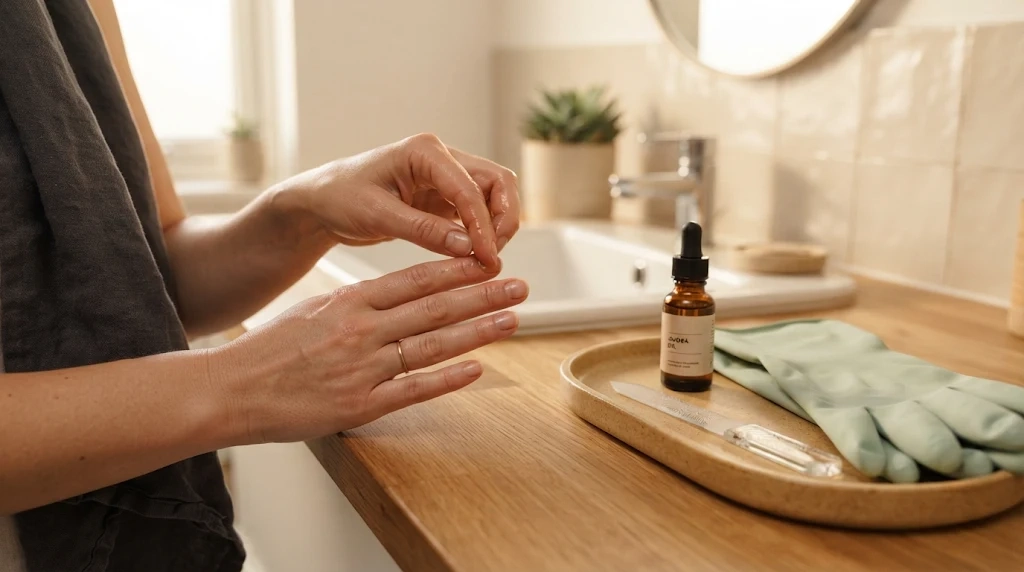
You don’t need an elaborate collection of treatments to support nail recovery. A simple routine focused on protection and gentle maintenance is usually more practical.
1. Keep Your Nails Short and Smooth
Shorter nails experience less leverage when they hit objects, catch on clothing, or bend during daily activities.
Trim the free edge carefully using clean nail clippers. Smooth rough spots with a fine-grit or glass file.
A soft oval or rounded-square shape is often easier to maintain while your nails are fragile.
Avoid: Pulling off loose nail layers or filing deeply into the attached nail plate.
2. Moisturize Nails and Cuticles Every Day
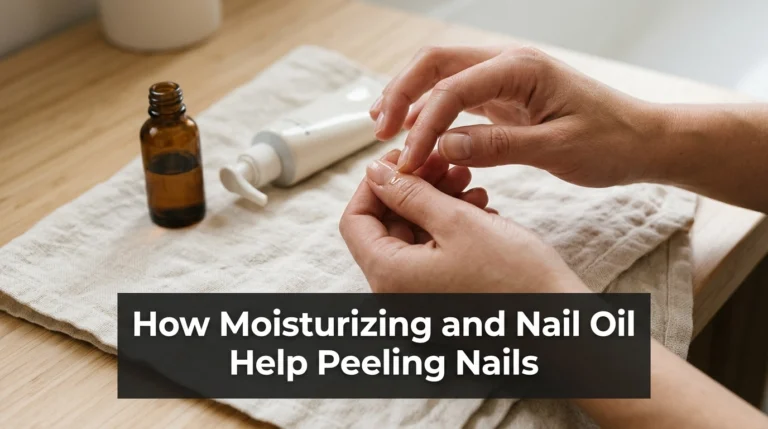
Apply fragrance-free hand cream after washing your hands, making sure to massage a little over each nail and around the cuticle area.
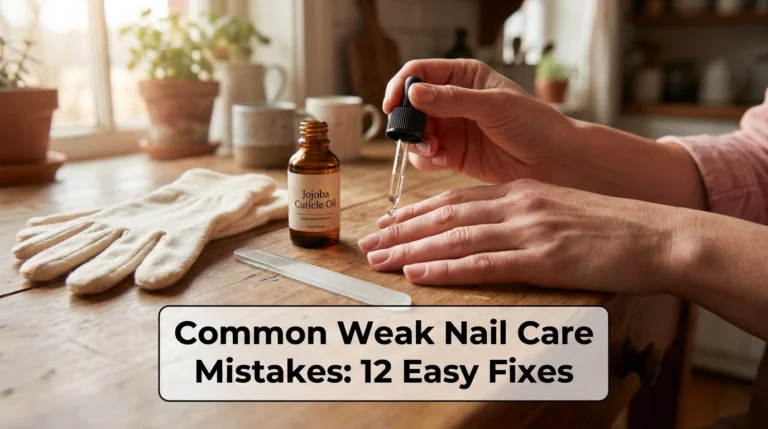
For additional conditioning, use a small amount of jojoba-based cuticle oil when your nails feel dry.
Moisturizers help maintain flexibility and reduce dryness, but they don’t substantially accelerate the biological rate of nail growth.
If your nails are very dry, consider applying a thin layer of petroleum jelly over your moisturizer before bed.
3. Wear Gloves for Wet Household Chores
Repeated exposure to water and detergents can make peeling nails harder to manage.
Wear reusable protective gloves when washing dishes or handling household cleaning solutions.
Make sure your gloves fit comfortably, and dry your hands thoroughly afterward.
If your hands become sweaty inside gloves, take breaks and allow them to dry rather than keeping your nails damp for extended periods.
4. Pause Damaging Nail Treatments
If your nails began peeling after acrylic, gel, or dip manicures, reduce further filing and aggressive removal while they recover.
You don’t necessarily need to avoid every form of nail polish for six months. However, avoid enhancements that require substantial surface preparation or create pressure on already fragile nails.
Never pull off a lifting enhancement. Have it removed using the appropriate technique.
For more practical advice, see our guide to repairing a damaged nail at home safely.
5. Eat a Balanced, Nutrient-Rich Diet
Nails need adequate nutrition to grow normally. Protein, iron, zinc, and other essential nutrients contribute to overall nail health.
Build your diet around regular meals containing protein sources, vegetables, fruits, whole grains, and other nutrient-rich foods.
However, taking extra vitamins when you aren’t deficient isn’t a proven shortcut to faster nail growth.
High-dose biotin supplements can interfere with certain medical laboratory tests, so discuss supplementation with your healthcare professional before starting them.
What Should You Do and Avoid While Peeling Nails Recover?
Do
- Keep peeling nails short.
- Moisturize after handwashing.
- Wear gloves for cleaning.
- File snagged tips gently.
- Remove manicures carefully.
- Track growth monthly.
Don’t
- Peel off gel polish.
- Pull loose nail layers.
- Overbuff thin nails.
- Use nails as tools.
- Ignore painful changes.
- Expect overnight repair.
Which Products Are Actually Useful for Peeling Nails?
The best products for peeling nails aren’t necessarily the most expensive ones. Focus on items that reduce everyday damage, improve comfort, or make gentle nail maintenance easier.
The recommendations below are product categories rather than claims about a particular product’s verified performance.
Recommended Product
Jojoba Cuticle Oil
A jojoba-based cuticle oil can help condition dry nails and surrounding skin. Apply a small amount once or twice daily, especially after frequent handwashing.
As an Amazon Associate, we earn from qualifying purchases.
Recommended Product
Fine-Grit Glass Nail File
A fine-grit glass nail file makes it easier to smooth rough edges gently. Use light strokes and avoid filing into the thin, peeling surface.
As an Amazon Associate, we earn from qualifying purchases.
Recommended Product
Reusable Household Cleaning Gloves
Protective gloves reduce direct contact with dishwater and detergents. Choose a comfortable, well-fitting pair and keep the inside dry between uses.
As an Amazon Associate, we earn from qualifying purchases.
Why Are Your Nails Still Peeling After Several Weeks?
If you’ve started a nail care routine but haven’t noticed much improvement, consider whether the original damage is still present or new damage is continuing.
Problem: Your Nail Tips Keep Splitting
Immediate fix: Carefully trim any loose free-edge material and smooth snags. Prevention: Keep nails short until the damaged section has grown away, and avoid repeated water exposure.
Problem: Your Nails Still Feel Thin After Gel Removal
Immediate fix: Stop unnecessary buffing and avoid pulling away remaining product. Prevention: Use gentle professional removal when needed and give the damaged area time to grow out.
Problem: You See No Improvement Near the Cuticle
Immediate fix: Review whether water, chemical exposure, or manicure trauma is continuing. Prevention: Follow consistent protective care and seek medical assessment if peeling remains persistent or unexplained.
Problem: Your Nails Break Before They Grow Long
Immediate fix: Trim to a practical length and smooth the edges. Prevention: Reduce mechanical stress and follow these additional tips on how to stop nails from breaking.
Can You Wear Nail Polish While Peeling Nails Grow Out?
You may be able to wear regular nail polish if your peeling is mild and your nails are not painful, inflamed, or significantly lifted.
However, polish doesn’t repair separated nail layers, and repeated removal can add unnecessary stress.
If you choose to wear polish, consider these precautions:
- Choose a simple manicure that doesn’t require aggressive buffing.
- Apply thin coats rather than building a thick, rigid finish.
- Remove polish gently without scraping the nail surface.
- Stop using any product that causes irritation or discomfort.
- Leave visibly damaged or painful nails uncovered until they’re assessed.
Be cautious with strong nail hardeners. Some formulas may make already fragile nails overly rigid or cause irritation, especially when used excessively.
You can also follow a simple daily nail care routine to protect your nails between manicures.
When Should You See a Dermatologist About Peeling Nails?
Mild peeling limited to the tips often responds to reducing damage and allowing the nail to grow. However, not every nail change is simply a beauty concern.
Warning
Seek medical advice if peeling is accompanied by pain, swelling, redness, pus, nail lifting, unusual thickening, or significant color changes. A new or changing dark streak needs prompt dermatologic evaluation. Persistent peeling without an obvious cause may also need assessment for underlying conditions.
A dermatologist can examine your nails, review your products and daily habits, and determine whether testing or treatment is necessary.
Don’t cover unexplained nail abnormalities with acrylics or thick enhancements simply to hide their appearance.
Frequently Asked Questions About Peeling Nails
Q: Can peeling nails grow out in two weeks?
A: Two weeks usually isn’t enough for complete fingernail replacement. However, mild peeling confined to the very tips may be trimmed away sooner. More extensive damage can require several months.
Q: Will peeling nails grow back healthy after gel polish damage?
A: Often, yes. If the nail-producing area remains healthy and further trauma stops, new nail can gradually replace the damaged portion. Significant matrix injuries may affect future growth and require professional evaluation.
Q: Does cuticle oil make peeling nails grow faster?
A: Cuticle oil can condition dry nails and surrounding skin, but there isn’t reliable evidence that it dramatically increases nail growth speed. Its main benefit is helping you maintain comfortable, protected nails during recovery.
Q: Should I cut off peeling nail layers?
A: You can carefully trim loose peeling material that extends beyond the fingertip. Don’t cut into attached nail, pull off layers, or aggressively buff the surface, as these actions can create more damage.
Q: Why do my nails keep peeling even when I moisturize?
A: Moisturizing alone may not overcome repeated wetting, chemical exposure, or manicure damage. Persistent peeling can occasionally have medical causes, so consider a dermatology appointment if protective care doesn’t help.
Final Thoughts: Give Your Nails Time to Grow Out
Peeling nails commonly need several months to grow out completely, but you may notice improvement earlier as healthier nail emerges and damaged tips are trimmed away.
Focus on keeping nails short, moisturizing consistently, protecting them from water and harsh treatments, and avoiding further trauma. Those everyday habits matter more than quick-fix products.
Save this guide to your Pinterest nail care board so you can revisit the recovery timeline and keep your routine consistent while your nails grow.

Hi, I’m Jessica, the creator behind Unique Lash & Nails Katy.
I created this website for anyone who loves beautiful nails as much as I do. Here, I share trendy nail designs, seasonal manicure ideas, easy nail care tips, honest product recommendations, and step-by-step guides to help you create salon-worthy nails at home. Whether you’re looking for everyday inspiration or your next favorite nail trend, I hope you’ll find something you love.