Weak Nails After Frequent Nail Polish Use: Easy Fixes
Quick Answer
Weak nails after frequent nail polish use often result from repeated remover exposure, aggressive filing, peeling off gel, or everyday moisture and friction. Keep your nails short, moisturize your nails and cuticles daily, wear gloves during wet chores, and avoid harsh manicure removal. A short polish break can reduce repeated stress, but damaged nail layers need time to grow out. See a dermatologist for pain, swelling, unusual discoloration, or persistent nail changes.
You love the look of freshly painted nails, but now your natural nails feel thin, bend easily, or peel at the tips. It’s frustrating when your favorite beauty routine seems to be working against your nails.
The good news? You don’t necessarily have to give up nail polish forever. The biggest improvements often come from changing how you prepare, remove, moisturize, and protect your nails.
Here’s how to recognize manicure-related damage, care for fragile nails, and return to wearing your favorite colors more gently.


Why Do Nails Become Weak After Frequent Nail Polish Use?

Normal nail polish isn’t automatically harmful to healthy nails. However, the repeated steps surrounding a manicure can leave nails feeling dry, brittle, or unusually thin.
Your nail plate consists mainly of layers of keratin. Once those layers become worn or damaged, cosmetic products can’t instantly rebuild them. Healthy nail growth must gradually replace the affected areas.
1. Frequent Nail Polish Remover Exposure
Nail polish removers dissolve the ingredients that help polish stick to your nails. Acetone is effective, but frequent exposure can strip oils from the nail surface and surrounding skin, leaving both feeling dry.
Acetone-free removers can be useful for ordinary polish, although they still contain solvents and aren’t completely free from drying effects.
If you change your manicure every couple of days, repeated removal may contribute to brittle nail tips.
2. Peeling Off Nail Polish or Gel
Picking at chipped polish can be tempting, especially when a gel manicure starts lifting around the edges.
Unfortunately, peeling off a firmly attached coating may pull away superficial nail layers. Over time, this can create roughness, visible peeling, and thin sections that bend more easily.
Gel manicures are particularly concerning when the coating is repeatedly forced off instead of removed using the appropriate method.
3. Excessive Filing and Buffing
Buffing can temporarily produce a smoother-looking nail surface, but it works by removing a small amount of material.
Repeatedly buffing the entire nail plate before applying polish can gradually reduce its thickness. Aggressive electric filing during gel or acrylic removal can have a similar effect.
When your nails already feel fragile, additional surface filing usually makes the problem worse rather than helping.
4. Repeated Water and Detergent Exposure
Your nails absorb water during activities such as washing dishes, showering, and cleaning.
Frequent wetting and drying can contribute to splitting and peeling, particularly when your nails are already compromised by manicure treatments.
Household detergents add another source of irritation. That’s why your nail-care routine should include protection during everyday chores, not just improvements to your manicure products.
5. Gel, Acrylic, and Dip Powder Removal
Long-lasting nail enhancements often require more intensive application and removal than traditional polish.
Filing the natural nail, using adhesives, soaking with acetone, or scraping stubborn material can contribute to thinning when done improperly.
Learn more about broader causes in our guide to why your nails become weak.
What Are the Signs of Nail Damage From Frequent Manicures?
Before choosing a treatment, look closely at your bare nails. Different symptoms can point to different types of damage.
- Peeling layers: Thin pieces separate near the nail tips.
- Frequent breakage: Nails split during ordinary daily activities.
- Unusual flexibility: Nail tips bend more easily than before.
- Rough surfaces: Nails feel uneven after polish removal or buffing.
- Dry cuticles: Surrounding skin looks flaky, tight, or irritated.
- White chalky patches: Surface changes sometimes appear after prolonged polish wear or repeated removal.
A single damaged nail following rough removal may suggest localized trauma. Changes affecting many nails, especially without a clear manicure-related cause, deserve closer attention.
Important Warning
Persistent pain, redness, swelling, pus, nail lifting, new dark streaks, or significant unexplained discoloration aren’t typical cosmetic problems. Stop applying nail products and seek medical advice. Brittle nails can sometimes be associated with skin conditions, nutritional deficiencies, or other health issues.
How Can You Help Weak Nails Recover After Frequent Polish Use?
You don’t need an expensive collection of repair treatments. A consistent routine focused on reducing damage is more useful than constantly switching products.
1. Take a Break From Repeated Manicures
If your nails are peeling, unusually thin, or sore after gel removal, avoid immediately covering them with another gel or acrylic set.
A one- to two-week polish break is a reasonable starting point, particularly after frequent gel manicures. More severe damage may require a longer period without enhancements.
The purpose isn’t to let your nails breathe. Nail plates don’t need oxygen from the air. Instead, the break reduces exposure to repeated filing, solvents, adhesives, and removal procedures.
Already-thinned nail sections won’t immediately regain their original thickness. Those areas must gradually grow forward.
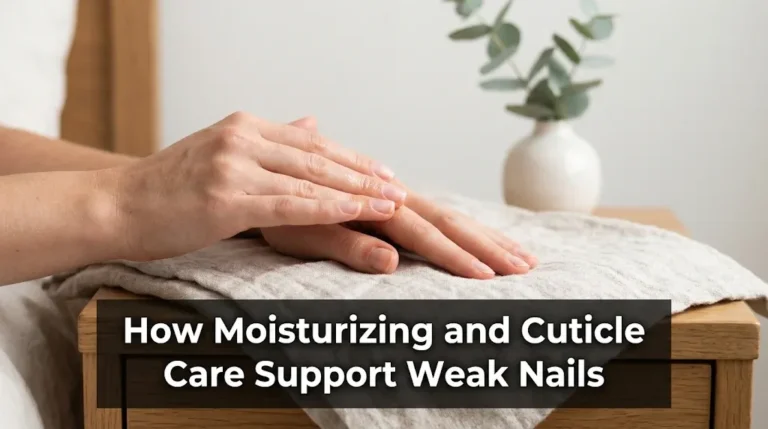
2. Moisturize Your Nails and Cuticles Every Day
Moisturizing is one of the simplest ways to make dry nail-care routines gentler.
After washing your hands, apply a fragrance-free hand cream to your fingertips, nail surfaces, and surrounding skin.
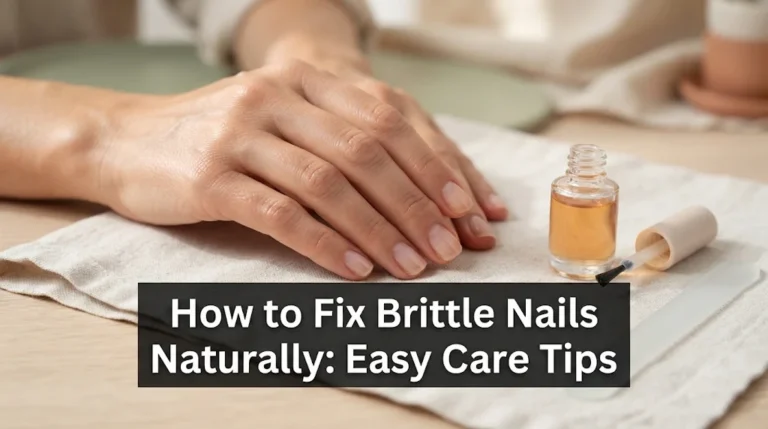
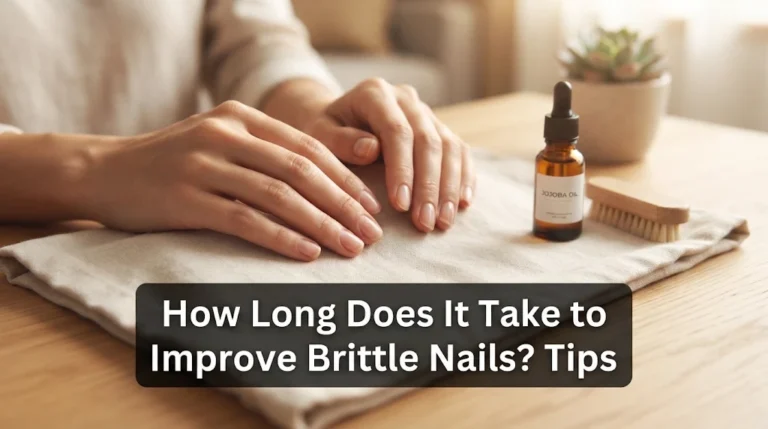
Look for moisturizing ingredients such as glycerin or petrolatum. A lightweight jojoba-based cuticle oil can also help condition dry skin around the nails.
At bedtime, massage a small amount of petroleum jelly into the nail folds and surrounding cuticles.
Moisture won’t permanently bond split nail layers together, but it can help reduce dryness and make the surrounding skin more comfortable.
Pro Tip
Keep a small moisturizer beside your hand soap and a cuticle oil pen near your bed. Linking nail care to habits you already follow makes regular application easier.
3. Keep Your Nails Short While They Recover
Long nails experience greater leverage when they bump against surfaces. Fragile nail tips can split when you type, open packaging, or pick up everyday objects.
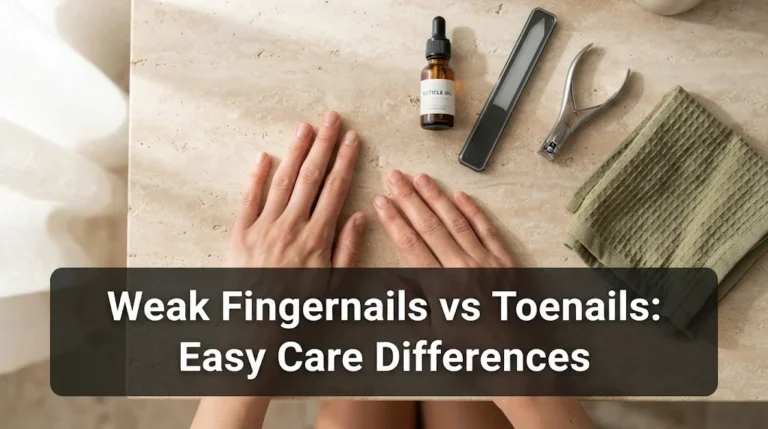
Trim your nails close to fingertip length while leaving a comfortable free edge. Use clean clippers and smooth any rough corners with a fine-grit nail file.
Short oval or softly rounded shapes are practical options because they reduce sharp corners that catch on clothing.
Avoid aggressive surface buffing. Focus on smoothing the free edge rather than making the entire nail plate perfectly glossy.
4. Protect Your Hands During Household Chores
Washing dishes without gloves may expose your nails to water and cleaning chemicals for extended periods.
Wear reusable waterproof gloves when washing dishes, cleaning bathrooms, or handling detergents.
If gloves become damp inside, remove them, dry your hands, and let the gloves dry before wearing them again.
After finishing your chores, wash and dry your hands normally and apply moisturizing cream.
5. Stop Picking, Peeling, and Scraping Nail Products
If your polish starts lifting, resist pulling it away.
Ordinary polish should be removed using a suitable nail polish remover and gentle cotton pressure. Gel and other enhancements require their product-specific removal procedures.
Never use metal tools to pry firmly attached material off your natural nails.
If you aren’t sure whether a product is soak-off or file-off, ask a qualified nail technician rather than experimenting with aggressive removal at home.
6. Choose Gentler Nail Products
When you return to regular polish, choose products that suit your nails and skin sensitivity.
Consider an appropriate base coat, thin layers of color, and a standard top coat. A base coat can help reduce pigment staining, although it cannot prevent damage caused by rough removal.
Be cautious with nail hardeners promising instant strength. Some ingredients increase stiffness, which can make already-brittle nails more likely to snap.
In particular, frequent use of formaldehyde-containing hardeners can contribute to brittleness and irritation.
7. Avoid Cutting Your Cuticles
Your cuticles help protect the area where the nail grows.
Cutting or aggressively pushing them back can damage surrounding skin and create opportunities for infection.
Instead, moisturize dry cuticles regularly. If you develop a hangnail, carefully trim only the loose piece of skin with clean clippers rather than pulling it.
8. Support Healthy Nail Growth Through Nutrition
Your body needs adequate nutrients to produce healthy new nail material.
Include protein sources such as eggs, fish, beans, tofu, yogurt, or lean meat in your meals. A varied diet also provides iron, zinc, and other nutrients involved in normal growth.
Don’t assume weak nails mean you need a supplement. Biotin products are heavily marketed for nail strengthening, but evidence of benefit in people without a deficiency is limited.
High-dose biotin can also interfere with certain laboratory tests. Ask a healthcare professional before taking supplements specifically to treat brittle nails.
9. Follow a Consistent Nail-Care Routine
Consistency matters more than using a new treatment every few days.
Your core routine can stay simple: moisturize daily, protect your hands during chores, keep the nail edges smooth, and avoid damaging manicure removal.
For additional practical habits, explore how to strengthen nails without relying on aggressive nail treatments.
What Daily Routine Helps Weak Nails Feel Better?

A structured routine helps you protect vulnerable nails without spending an hour on nail care.
Morning: Protect Before Daily Activities
- Check your nail tips for sharp edges or fresh splits.
- Gently smooth snags using a fine-grit file.
- Apply moisturizing hand cream after washing.
- Wear protective gloves before lengthy wet chores.
If you wear polish, inspect any lifting or chipping rather than picking at it throughout the day.
Evening: Moisturize and Reduce Friction
- Wash and thoroughly dry your hands.
- Massage cuticle oil or petroleum jelly around the nails.
- Apply hand cream if your skin feels dry.
- Leave peeling nail layers alone.
Bedtime is convenient because you generally have fewer handwashing interruptions while sleeping.
Weekly: Check Your Progress
- Trim your nails if they have grown beyond a comfortable length.
- Remove old regular polish gently when needed.
- Inspect nail surfaces for lifting, discoloration, or irritation.
- Take a photograph to track gradual changes.
- Wash and dry reusable nail tools.
You can also follow this simple nail care routine when you want an easy weekly maintenance plan.
How Long Does It Take for Weak Nails to Recover?
The recovery timeline depends on how much damage occurred and whether you stop the habits causing it.
Most fingernails grow approximately 3 millimeters per month, although the exact rate varies from person to person.
During the First Week
Moisturizing can make dry nails and surrounding skin feel more comfortable. Shortening nail tips and smoothing snags may also reduce immediate breakage.
However, the nail plate won’t suddenly become thicker within a few days.
After Two to Four Weeks
You may notice fewer new splits if you consistently protect your nails from excessive water, friction, and rough polish removal.
Healthy new growth may become visible near the base, although damaged sections will still be present farther toward the tips.
After Two to Three Months
A greater portion of your nail plate may consist of newer growth.
As damaged material moves toward the free edge, you can gradually trim it away.
Visible improvement depends on your nail growth rate, the original damage, and whether new injury continues.
After Approximately Four to Six Months
A fingernail commonly takes around four to six months, sometimes longer, to grow out substantially or completely.
Severely damaged nails can require additional time, especially if the nail’s growth area was affected.
For a deeper breakdown of realistic expectations, see how long it takes to strengthen nails.
Should You Stop Wearing Nail Polish Completely?
Not necessarily. If your nails are healthy and you remove ordinary polish gently, wearing nail polish isn’t automatically damaging.
The important distinction is between ordinary polish wear and repeated processes that can stress the natural nail.
If your nails have become fragile, consider these options:
Option 1: Leave Your Nails Bare Temporarily
Best for: Nails that are visibly peeling, unusually thin, or sensitive after a manicure.
Advantages: No new polish-removal cycles, easier inspection, and fewer opportunities for further cosmetic damage.
Limitation: Bare nails still require moisture and protection. A polish break cannot instantly reverse existing thinning.
Option 2: Return to Traditional Nail Polish
Best for: Nails that are comfortable and no longer showing significant damage.
Advantages: Standard polish usually requires less intensive removal than many gel and enhancement systems.
Limitation: Frequent solvent exposure and picking can still cause problems.
Option 3: Reserve Gel Manicures for Occasional Wear
Best for: People who enjoy longer-lasting manicures but have experienced damage with frequent gel application or removal.
Advantages: Reduces the frequency of enhancement-related procedures.
Limitations: Gel still requires careful preparation and removal, and curing lamps involve ultraviolet exposure.
If you choose gel again, use appropriate hand UV protection, avoid skin contact with uncured gel, and never peel the product away.
What Should You Do and Avoid With Weak Nails?

Do
- Moisturize daily.
- Keep nails short.
- File snags gently.
- Wear gloves for cleaning.
- Remove polish properly.
- Inspect bare nails regularly.
Don’t
- Peel off gel polish.
- Overbuff nail surfaces.
- Cut healthy cuticles.
- Scrape off enhancements.
- Use nails as tools.
- Ignore painful changes.
What If Your Nails Are Still Peeling or Breaking?
Not every weak nail responds to the same adjustment. Start by identifying the problem you notice most.
Problem: Nail Tips Keep Peeling
Immediate fix: Shorten the affected tips and gently smooth any snagging edges. Prevention: Reduce prolonged water exposure, moisturize regularly, and avoid picking away loose nail layers.
Problem: Nails Bend After Gel Removal
Immediate fix: Avoid new enhancements and keep the nails short. Prevention: Request minimal filing and appropriate product removal during future appointments. Thin sections must grow out gradually.
Problem: Cuticles Become Dry and Flaky
Immediate fix: Apply fragrance-free cream or petroleum jelly. Prevention: Moisturize after handwashing and avoid cutting or aggressively pushing back cuticles. Persistent redness or itching may indicate irritation or allergy.
Problem: Nails Stay Weak Despite Gentle Care
Immediate fix: Avoid additional trauma and monitor changes. Next step: Consult a dermatologist if brittleness persists, worsens, or affects multiple nails. An underlying health issue may need evaluation.
Which Nail-Care Products Are Worth Using?
You don’t need every strengthening product marketed online. Focus on items that support gentle maintenance and help prevent new damage.
The following Amazon links are product searches, so you can compare current listings and check ingredient details before purchasing.
Recommended Product
Jojoba-Based Cuticle Oil Pen
A portable cuticle oil pen helps you moisturize dry skin around your nails throughout the day. Choose a fragrance-free option if your skin is sensitive.
As an Amazon Associate, we earn from qualifying purchases.
Recommended Product
Fine-Grit Glass Nail File
A smooth, fine-grit glass file helps you shape fragile nail tips with controlled pressure instead of aggressively buffing the nail surface.
As an Amazon Associate, we earn from qualifying purchases.
Recommended Product
Fragrance-Free Moisturizing Hand Cream
A cream containing glycerin or petrolatum helps maintain comfortable skin around nails after washing and polish removal.
As an Amazon Associate, we earn from qualifying purchases.
Recommended Product
Reusable Household Cleaning Gloves
Waterproof cleaning gloves protect fragile nails during dishwashing and cleaning. A comfortable cotton lining may help during longer chores.
As an Amazon Associate, we earn from qualifying purchases.
Frequently Asked Questions About Weak Nails After Nail Polish
Q: Can frequent nail polish use permanently damage your nails?
A: Most superficial manicure-related nail damage gradually grows out. However, severe injury to the nail matrix can cause lasting changes. Persistent deformity, pain, or nail separation should be evaluated by a dermatologist.
Q: How long should you stop wearing nail polish when your nails are weak?
A: A one- to two-week break can help reduce repeated manicure stress, especially after gel polish. Thin or peeling nails may benefit from a longer break while damaged sections grow out.
Q: Does cuticle oil repair damaged nails?
A: Cuticle oil helps condition dry skin and the nail surface, but it cannot permanently repair missing nail layers. Its main benefit is supporting a gentler moisture-care routine while healthy new nails grow.
Q: Is acetone-free nail polish remover better for weak nails?
A: Acetone-free removers may be preferable for some people using ordinary polish, but they still contain solvents. Gentle removal and moisturizing afterward matter more than assuming a product is completely nondrying.
Q: Can you put gel polish over thin, damaged nails?
A: It’s better to avoid gel over noticeably damaged, tender, or peeling nails. Additional filing, application, and removal may worsen the problem. Seek professional advice if your nails show significant or persistent damage.
Final Thoughts: Give Your Natural Nails the Care They Need
Weak nails after frequent nail polish use don’t always mean you need to abandon your favorite manicures. Focus on gentle removal, regular moisturizing, shorter nail tips, and protection from repeated daily stress.
Give damaged nail layers time to grow out, and seek professional help for unusual or persistent symptoms. Save this guide to your Pinterest nail-care board so you can revisit these tips before your next manicure.

Hi, I’m Jessica, the creator behind Unique Lash & Nails Katy.
I created this website for anyone who loves beautiful nails as much as I do. Here, I share trendy nail designs, seasonal manicure ideas, easy nail care tips, honest product recommendations, and step-by-step guides to help you create salon-worthy nails at home. Whether you’re looking for everyday inspiration or your next favorite nail trend, I hope you’ll find something you love.