How to Protect Nails From Household Chemicals
Quick Answer
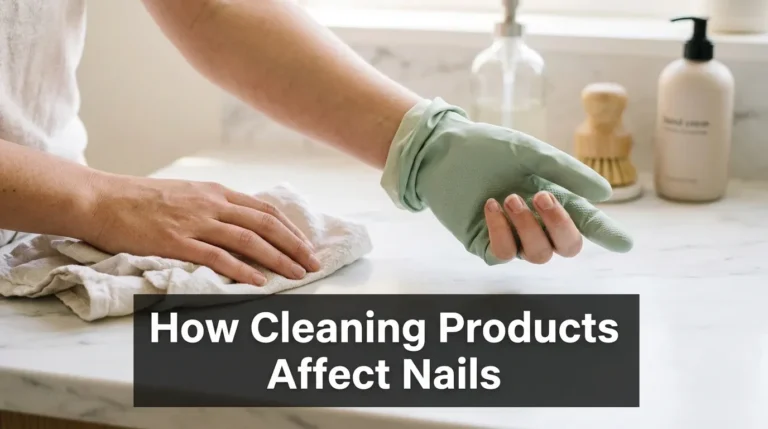
To protect nails from household chemicals, wear waterproof, chemical-compatible gloves whenever you wash dishes or use cleaners. Follow the product label, never mix cleaning chemicals, and keep splashes off your hands. Afterward, remove gloves carefully, wash and dry your hands, then apply a rich hand cream and cuticle oil. These habits protect your nail plate, surrounding skin, and manicure without requiring expensive treatments.
You shouldn’t have to choose between a clean kitchen and nails that don’t peel. Yet dish soap, bathroom sprays, bleach products, and repeated washing can leave your fingertips feeling dry and your manicure looking tired.
The solution isn’t to stop cleaning. It’s to put a reliable barrier between your nails and the products you use, then give your hands a little attention afterward. Here’s exactly how to make that routine work, whether you wear bare nails, regular polish, gel, or acrylics.
Time needed
2 minutes before; 3 after
Difficulty
Beginner
Items needed
Gloves, cream, optional oil
Protection lasts
Each properly gloved chore


Can Household Cleaning Chemicals Really Damage Your Nails?
Yes, especially when exposure is frequent or your nails are already fragile. Your nail plate is made of layers of keratin. Repeated wetting, drying, detergents, and friction can make the free edges more likely to split or peel. Some cleaning products also irritate the skin around your nails, leaving it tight, red, or cracked.
Not every cleaner causes the same problem. Dish detergent mainly removes oils and grease, including some of the oils that help your skin feel comfortable. Strong disinfectants, concentrated degreasers, and bathroom cleaners may be more irritating or corrosive, depending on their ingredients and how they’re used. Even plain water can become a problem when your hands stay submerged repeatedly.
Common clues include rough cuticles, dry nail folds, peeling tips, small splits, and polish that chips sooner after wet chores. These signs aren’t proof that one product is responsible. If you’re unsure what else might contribute, read about the common causes of weak nails.
A single dishwashing session doesn’t automatically ruin healthy nails. The bigger concern is repeated exposure without protection. That’s why changing your cleaning routine is usually more useful than buying another strengthener after damage appears.
Which Household Products Deserve Extra Caution?
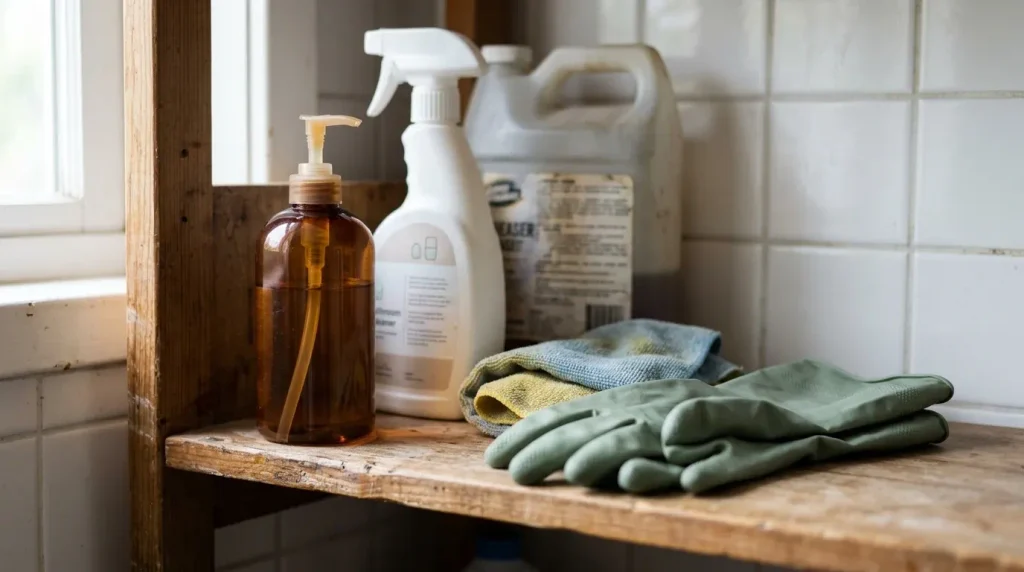
- Dish soap and laundry detergent: Frequent contact can dry the skin around your nails, while soaking adds repeated water exposure.
- Bleach-based cleaners: These can irritate skin and eyes. Use only as labeled, with the required gloves and ventilation.
- Bathroom descalers and toilet cleaners: Some contain strong acids or other ingredients that can cause burns. Avoid splashes and direct contact.
- Oven cleaners and heavy-duty degreasers: Strong alkaline formulas can be especially damaging to skin; check their specific protective-equipment instructions.
- Alcohol-based sprays and solvent cleaners: Some can leave hands feeling dry and may affect certain manicure materials. Follow the product-specific precautions.
Don’t judge safety by a pleasant scent or a label that says “natural.” What matters is the actual formula and its instructions. A gentle cleaner may be enough for routine soil, while a disinfectant should be used when disinfection is necessary and according to its labeled directions.
Warning
Never mix bleach with ammonia, vinegar, acids, or other cleaning products. Dangerous gases can form. Don’t combine cleaners to make them “stronger,” and don’t pour a new chemical into a bottle with leftover product. Open windows or use appropriate ventilation, and follow each product label for gloves and eye protection. If fumes cause breathing difficulty, leave the area and seek urgent help.
What Do You Need Before Cleaning?
Keep your supplies simple and easy to reach. You’ll use them more consistently if they live beside your usual cleaning products rather than at the bottom of a beauty drawer.
- Well-fitting waterproof gloves: Choose a material the cleaner’s label or manufacturer identifies as suitable. No glove material resists every chemical.
- Optional cotton glove liners: Helpful if your hands sweat or become irritated during longer chores; change them if damp.
- A cleaning brush or long-handled sponge: Keeps your nails away from sticky residue and tight corners.
- Clean hand towel: For drying between fingers and around nail folds.
- Fragrance-free hand cream: Look for glycerin, petrolatum, or ceramides to support dry skin.
- Optional cuticle oil: Jojoba-based oil is convenient for conditioning dry skin around the nails.
For normal dishwashing, reusable waterproof household gloves are often convenient. For stronger chemicals, don’t assume your regular kitchen pair is adequate: read the cleaner’s label and check the glove maker’s chemical-resistance guidance first.
How Do You Protect Your Nails While Cleaning? Follow These 7 Steps
1
Read the Cleaner Label First
Check the instructions for dilution, ventilation, protective gloves, and eye protection. Use only the recommended amount and keep the cleaner in its original labeled container. Start with the least harsh product that does the job effectively.
Common mistake: Assuming two familiar products are safe together. Mixing cleaners can create hazards far more serious than nail damage.
2
Choose Gloves That Fit the Job
Use intact, waterproof gloves for dishes and routine wet work. With concentrated cleaners, match the glove material and thickness to the actual chemical. The fingertips should let you grip a sponge without pulling tightly over your nails.
Common mistake: Treating every disposable or kitchen glove as chemically resistant. A glove that’s fine for soap may not suit a concentrated bathroom product.
3
Check for Leaks and Keep Hands Dry
Inspect fingertips, seams, and cuffs for holes. Begin with dry hands, pull the cuffs into a comfortable position, and use cotton liners for prolonged wear if they help. Replace or dry the gloves if water gets inside.
Common mistake: Leaving damp gloves on because the outside still looks protective. Trapped moisture can irritate skin and soften nails.
4
Clean With Tools, Not Your Fingernails
Use a brush, scraper designed for the surface, or sponge to tackle residue. Avoid using your nail tips to pry labels or scrape corners. If the label permits it, apply cleaner to a cloth instead of spraying toward your hands.
Common mistake: Scraping a stubborn spot with your nail, even through a glove. Pressure can bend the free edge and nick the glove.
5
Remove Gloves Without Touching the Dirty Outside
Peel the first glove away from the cuff, then slide an ungloved finger beneath the second cuff without touching its contaminated exterior. Clean reusable gloves as the manufacturer directs and let them dry thoroughly before storage.
Common mistake: Grabbing chemical-covered fingertips with bare hands. That transfers residue onto your skin just when you think the chore is finished.
6
Wash and Dry Your Hands Gently
Wash your hands with mild soap and lukewarm water after glove removal, then pat dry around your nails and between your fingers. If a chemical splashes onto bare skin, rinse promptly with running water and follow the label’s first-aid directions.
Common mistake: Scrubbing your nail folds aggressively to feel extra clean. Friction can aggravate already irritated skin.
7
Moisturize the Nail Folds and Hands
Massage fragrance-free hand cream over your fingers and nail folds. If your skin feels especially dry, use a tiny drop of cuticle oil afterward. Keep the products by the sink so the habit takes seconds instead of becoming a separate beauty project.
Common mistake: Expecting oil to repair a split nail instantly. Moisturizing helps with dryness, but damaged nail layers must grow out.
These steps also reduce prolonged moisture exposure. If your hands spend lots of time in hot dishwater, explore how hot water can affect your nails and why a few small changes make a difference.
What Should You Do If Cleaner Gets on Your Bare Nails or Skin?
Stop using the product. If it’s a chemical splash, immediately rinse the exposed skin with plenty of running water, remove contaminated jewelry or clothing when safe, and follow the first-aid instructions on the product label. For painful burns, blistering, eye exposure, or persistent irritation, contact a poison service or medical professional promptly. Serious breathing symptoms need urgent medical care.
Once you’re safe and the product is removed, don’t scrub, buff, or cover an irritated nail fold with glue or gel. Keep the area clean, protect it from further exposure, and let it settle. A persistent rash may be irritant or allergic contact dermatitis, not simply “dry cuticles,” and may need medical evaluation.
How Can You Protect Gel, Acrylic, and Regular Polish During Chores?
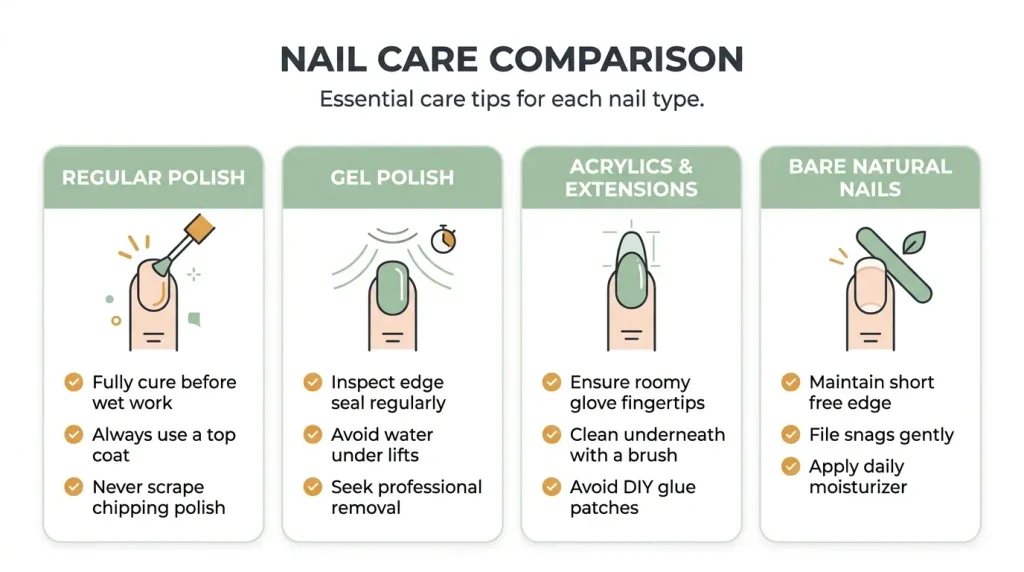
Regular polish
Let your manicure dry thoroughly before wet work, then wear gloves. Keep layers thin and avoid using the tips to scrape. A top coat may help reduce ordinary surface wear, but it isn’t a substitute for chemical protection.
Gel polish
Check for lifting before cleaning. Don’t glue down an edge that’s separated or pick at it after soaking. Water and residue can collect around gaps, so arrange proper removal or professional repair when the coating starts lifting.
Acrylics and long extensions
Choose gloves with enough fingertip room that extensions don’t push into the material. Use a brush instead of reaching under a nail with a pointed tool. If an extension cracks or lifts, avoid trapping moisture underneath with a quick DIY patch.
Bare natural nails
Keep the free edge comfortably short, gently smooth snags once dry, and moisturize consistently. Bare nails are easier to inspect for changes. If you’re deciding whether to take a manicure break, see whether nails are healthier without polish.
What Cleaning Habits Help Your Nails Most?
Do
- Read labels and choose compatible gloves
- Use tools instead of nail tips
- Dry gloves between uses
- Moisturize after handwashing
Don’t
- Mix cleaners or ignore ventilation
- Use torn or leaking gloves
- Stay in damp gloves for long periods
- Cover painful or lifting nails with polish
You don’t need a complicated schedule. Keep gloves where you wash dishes, keep your moisturizer by the sink, and use both consistently. For a wider maintenance plan beyond cleaning days, follow this simple nail-care routine for stronger nails.
Which Affordable Products Are Actually Useful?
Start with protective equipment, not a miracle-strengthening serum. The most effective purchases are the ones you’ll use every time you handle a cleaner.
Recommended Product
Reusable Waterproof Cleaning Gloves
A comfortable, intact pair makes dishwashing less drying for your hands; verify chemical compatibility before using stronger cleaners.
As an Amazon Associate, we earn from qualifying purchases.
Recommended Product
Thin Cotton Glove Liners
Liners may make longer wet chores more comfortable by separating sweaty skin from the waterproof glove; replace them when damp.
As an Amazon Associate, we earn from qualifying purchases.
Recommended Product
Fragrance-Free Hand Cream With Ceramides
A rich hand cream helps restore comfort to dry skin around your nails after repeated washing, without relying on strong fragrance.
As an Amazon Associate, we earn from qualifying purchases.
If you like a finishing touch, a jojoba cuticle oil pen fits easily beside your hand cream. It can condition the nail folds, but it won’t neutralize chemical residue or replace gloves.
How Long Will It Take for Dry or Peeling Nails to Improve?
Skin that feels dry after cleaning may become more comfortable within days of avoiding irritants and using moisturizer regularly. A peeling nail plate takes longer: the separated layers don’t fuse back together. They gradually move outward as the nail grows and can be trimmed away.
Fingernails generally need several months to replace their visible length, so judge progress by healthier new growth rather than demanding perfect tips next week. If your nails are already damaged, this guide to caring for damaged, weak nails can help you build a gentle recovery routine.
Pro Tip
Keep two pairs of cleaning gloves: one for dishes and one clearly labeled for bathroom work. This makes it easier to avoid transferring residue between chores. Store both clean, dry, and away from direct heat.
Frequently Asked Questions About Nails and Household Chemicals
Q: Can bleach make your nails brittle?
A: Repeated unprotected exposure to bleach-based cleaners can irritate surrounding skin and contribute to nail dryness or damage. Wear the protective gloves specified on the label, ventilate the area, and avoid direct contact.
Q: Are nitrile gloves better than rubber gloves for cleaning?
A: Neither is universally better. Suitability depends on the cleaner, glove formulation, thickness, and contact time. Follow the cleaner’s instructions and the glove manufacturer’s chemical-resistance information.
Q: Will nail polish protect my nails from cleaning products?
A: Polish adds a coating, but it isn’t a chemical-resistant barrier. Cleaners may still touch your nail folds, enter chips, or affect the coating itself. Proper gloves provide more dependable protection.
Q: Should I apply cuticle oil before or after cleaning?
A: After cleaning is more practical. Wash and dry your hands first, then apply cream and optional cuticle oil. Oil is a conditioning step, not personal protective equipment.
Q: When should I see a dermatologist about nail changes?
A: Seek advice for ongoing redness, swelling, pain, nail lifting, unexpected discoloration, or splitting that doesn’t improve with protection. Sudden changes and suspected chemical burns deserve prompt attention.
What’s the Easiest Way to Keep Your Nails Protected?
Make gloves your default for every wet chore, use cleaners exactly as directed, and moisturize after washing. Those repeatable habits do more for everyday nail protection than trying to repair damage once it happens. Save this guide to your Pinterest nail-care board so your next cleaning day is easier on your hands and your manicure.

Hi, I’m Jessica, the creator behind Unique Lash & Nails Katy.
I created this website for anyone who loves beautiful nails as much as I do. Here, I share trendy nail designs, seasonal manicure ideas, easy nail care tips, honest product recommendations, and step-by-step guides to help you create salon-worthy nails at home. Whether you’re looking for everyday inspiration or your next favorite nail trend, I hope you’ll find something you love.