Common Nail Care Mistakes With Ridged Nails: 9 Fixes
Quick Answer
The most common nail care mistakes with ridged nails include aggressive buffing, cutting cuticles, frequent acetone exposure, peeling off gel polish, skipping moisturizer, and using nails as tools. These habits can weaken nails and make existing ridges more noticeable. Protect your nails with gentle filing, daily moisturizing, gloves for wet chores, and careful polish removal. Vertical ridges are often harmless, but new horizontal grooves or other concerning changes deserve medical attention.
You’ve noticed tiny lines running across your natural nails, and now every manicure seems to highlight them. Maybe your polish looks uneven, or you’re tempted to buff the ridges away until your nails look perfectly smooth.
Before reaching for your nail buffer, there’s something important to understand: not every nail ridge is a sign of damage, and aggressive attempts to remove ridges can make your nails weaker.
This guide explains the everyday habits that can aggravate ridged nails, what to do instead, and how to build a gentle nail care routine without giving up beautiful manicures.


What Do Ridges on Your Nails Actually Mean?
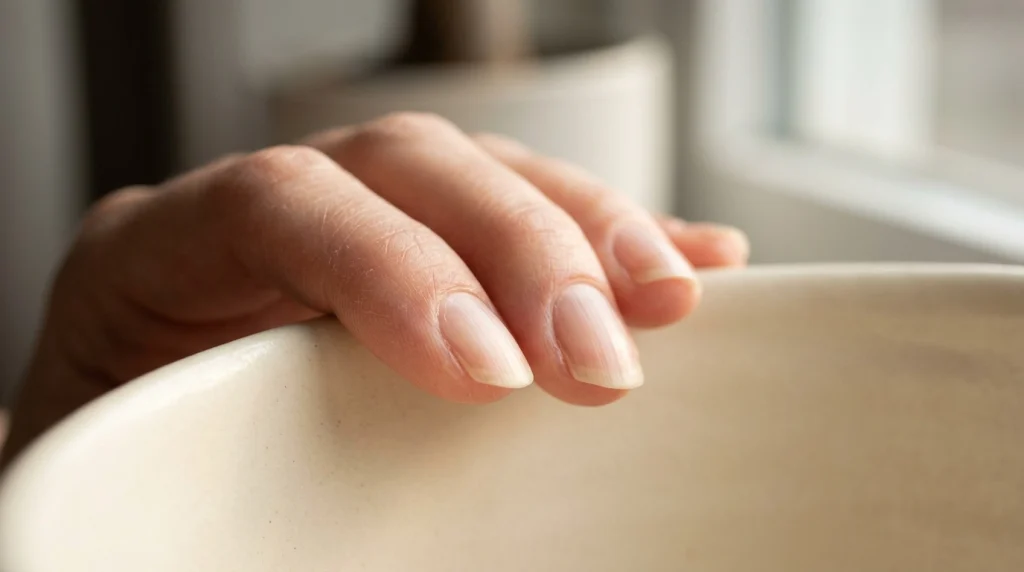
Nail ridges are raised lines or indentations in your nail plate. Some run from your cuticle toward the tip, while others cross the nail from side to side.
Your nails grow from a specialized area beneath the skin called the nail matrix. Changes in nail growth can affect the texture of the plate as it develops.
Vertical Nail Ridges
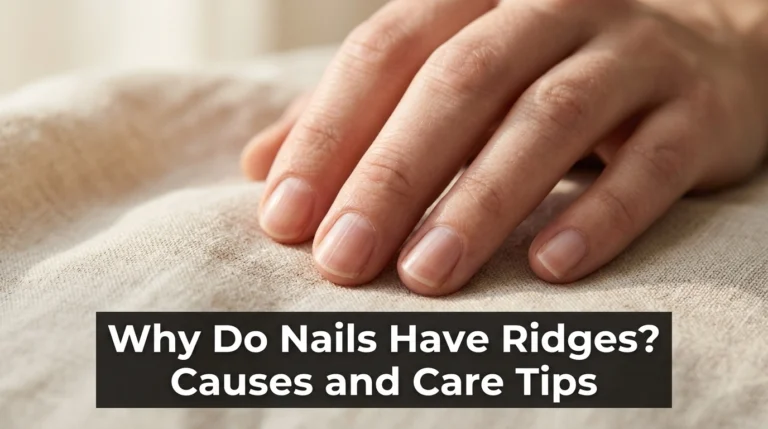
Vertical or longitudinal ridges extend from the base of your nail toward its free edge.
These lines commonly become more visible with age. Mild vertical ridges can be a normal variation in nail texture, even when your nails are otherwise healthy.
You might notice them more when your nails are dry, when light reflects across an unpolished surface, or when you apply a sheer manicure.
Vertical ridges aren’t automatically caused by vitamin deficiencies, dehydration, or poor manicures. However, brittle nails can also have lengthwise splitting, so pay attention to whether your nails peel, crack, or break.
Horizontal Nail Ridges
Horizontal ridges travel across the width of your nails. Deep horizontal grooves, sometimes called Beau’s lines, may develop when nail growth temporarily slows or stops.
Possible triggers include significant illness, injury to the nail matrix, or certain medical treatments.
Unlike ordinary fine vertical ridges, new or unexplained horizontal grooves deserve professional evaluation.
Important
If your ridges appear suddenly, become deep, affect several nails, or occur with discoloration, pain, swelling, or nail separation, consult a healthcare professional. Cosmetic nail care cannot diagnose or treat the underlying cause.
What Are the 9 Most Common Nail Care Mistakes With Ridged Nails?
Many manicure habits are harmless on strong nails but become more problematic when your nails are thin, brittle, or already damaged.
Here are nine mistakes worth correcting.
1. Buffing Nail Ridges Too Aggressively
When your nails have visible ridges, buffing seems like the fastest solution. A few strokes can make the surface appear smoother, which is why it’s tempting to repeat the process before every manicure.
Unfortunately, buffing removes material from the nail plate. Excessive pressure or repeated buffing can leave your nails thinner and more vulnerable to splitting.
What to do instead: Avoid trying to completely flatten natural ridges. If your nails are already thin or peeling, skip surface buffing entirely. Choose a ridge-filling base coat to create a smoother-looking manicure without removing nail layers.
Remember that a ridge-filling product changes the appearance of the surface temporarily. It doesn’t cure the underlying ridge.
2. Skipping Cuticle Oil and Hand Moisturizer
Your cuticles and the skin around your nails need regular care, especially if you wash your hands frequently.
When the surrounding skin becomes dry, you may develop hangnails, rough nail folds, and increased irritation. Dry, brittle nail plates may also become more prone to breaking.
One of the easiest improvements is to moisturize consistently.
What to do instead: Apply a small amount of cuticle oil around each nail, then massage a hand cream over your fingertips and nail surfaces. Repeat after washing your hands and before bedtime.
Jojoba-based oils are convenient because they spread easily and generally feel lightweight.
For more information on managing brittle nails, explore our nail care guides and daily care routines.
3. Cutting or Forcefully Pushing Back Your Cuticles
Your cuticle helps protect the area where your nail emerges from the skin.
Cutting living tissue around your nails or pushing it back forcefully can cause irritation, small injuries, and infection. Repeated trauma near the nail matrix may also contribute to abnormal nail growth.
What to do instead: Leave healthy cuticles intact. Moisturize the area and avoid scraping with metal tools. If excess skin is bothering you, ask a qualified nail professional to assess it rather than cutting it yourself.
Never dig beneath the cuticle to remove what looks like an extra layer. The skin barrier is more important than achieving a perfectly clean-looking nail base.
4. Using Acetone and Nail Polish Remover Too Frequently
Acetone is an effective solvent for many nail products, but repeated exposure can dry the nail plate and surrounding skin.
If you change your manicure every couple of days, your nails may experience repeated solvent exposure, rubbing, and scraping.
The resulting dryness and surface damage can make your existing ridges stand out more.
What to do instead: Remove polish gently with the appropriate product. Avoid prolonged unnecessary soaking and never scrape aggressively to remove stubborn coatings.
After removal, wash off residue as directed and moisturize your hands and nail folds.
Acetone-free remover isn’t automatically harmless, either. The removal technique and frequency matter as much as the solvent you choose.
5. Peeling Off Gel Polish or Acrylic Enhancements
Picking at lifting gel polish feels satisfying, but it can remove superficial layers of your natural nail along with the coating.
Repeated peeling may leave nails thin, rough, and uneven. Existing ridges can become more noticeable when additional surface damage develops.
What to do instead: Follow the manufacturer’s removal process, or visit a qualified nail professional. Some products are designed to soak off, while others require careful professional filing.
Never force a coating to separate from the natural nail. If removal becomes painful, stop.
If your nails feel fragile afterward, keeping them comfortably short and taking a break from enhancements may help reduce additional damage.
6. Exposing Your Nails to Water and Cleaning Chemicals
Regular handwashing is essential, but repeated prolonged exposure to water and cleaning products can contribute to brittle nails.
Your nail plate can absorb water and change temporarily as it becomes wet and dries again. Frequent exposure, especially alongside detergents, may encourage peeling and splitting in vulnerable nails.
What to do instead: Wear waterproof gloves while washing dishes or using household cleaners. Dry your hands afterward and apply moisturizer.
You don’t need to avoid normal showers or everyday handwashing. Focus on limiting unnecessary soaking and protecting your hands during wet chores.
Our guide on how hot water can affect your nails explains how to reduce repeated moisture-related stress.
7. Filing Nails Roughly or Using the Wrong Tools
A rough nail file can catch on fragile edges, especially when your nails are already splitting.
Filing with heavy pressure, sawing aggressively, or using a coarse abrasive can create tiny snags that develop into larger breaks.
What to do instead: Choose a fine-grit nail file or a smooth glass nail file for natural nails. File gently with controlled strokes and avoid pressing hard against the tip.
Keep your nails at a manageable length. A softly rounded or squoval shape can help reduce corners catching on clothing and everyday objects.
Don’t file directly over the ridges to flatten them. Shape the free edge instead.
8. Applying Thick Polish Without a Suitable Base Coat
When your natural nails are ridged, you may try to disguise the texture with several heavy coats of nail polish.
Thick polish layers can dry unevenly, develop dents, and create a bulky finish. They don’t correct the texture beneath the manicure.
What to do instead: Try a ridge-filling base coat followed by one or two thin layers of your chosen color, according to the product instructions.
Let each layer dry as recommended before adding another. Finish with a compatible top coat.
Sheer, pearly, or highly reflective finishes can emphasize surface irregularities. An opaque cream polish may create a more uniform appearance if visible ridges bother you.
Polish isn’t a medical treatment, and covering a suspicious nail change shouldn’t delay getting it checked.
9. Ignoring Nail Changes That Need Medical Attention
One of the biggest nail care mistakes is assuming every ridge can be solved with a beauty product.
Fine vertical ridges can be normal, but some nail changes reflect inflammation, injury, infection, or an underlying medical condition.
What to do instead: Pay attention to the direction, depth, and timing of new ridges. Notice whether your nails have also changed color, thickness, shape, or attachment.
Seek professional advice for sudden unexplained changes, deep horizontal grooves, persistent pain, swelling, or a new or changing dark streak.
Healthy-looking nails are important, but identifying a concerning change matters more than making every nail appear perfectly smooth.
What Is the Safest Daily Nail Care Routine for Ridged Nails?
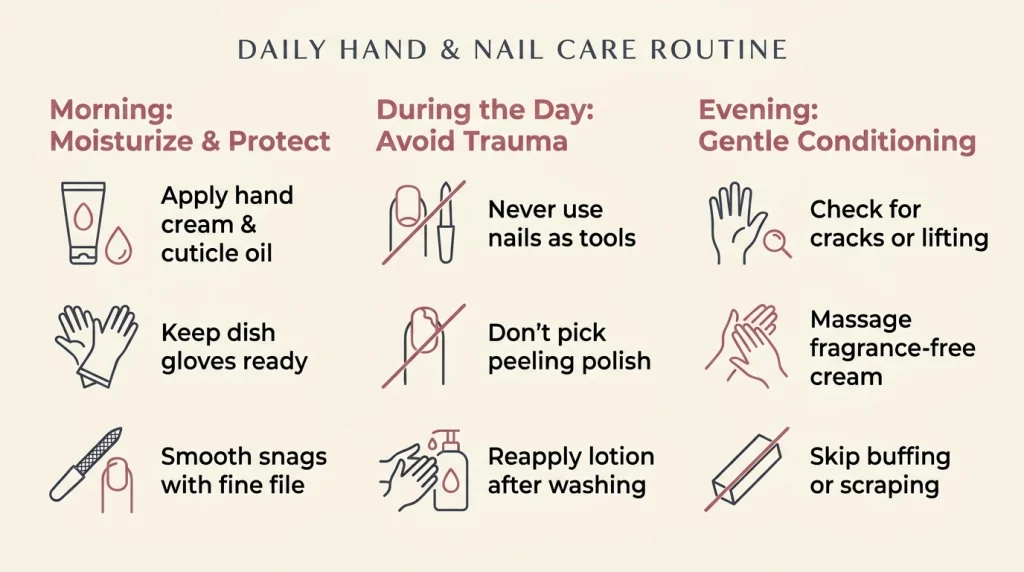
You don’t need an expensive collection of treatments or a complicated 10-step manicure routine.
A few consistent habits can reduce avoidable damage while allowing your natural nails to grow.
Morning: Moisturize and Protect
- Wash your hands normally and dry them gently.
- Apply hand cream over your nails and surrounding skin.
- Use a small amount of cuticle oil if your nail folds feel dry.
- Keep protective gloves available for cleaning and dishwashing.
If your nails frequently catch on clothing, check the edges and gently smooth any snags with a fine nail file.
During the Day: Avoid Repeated Trauma
- Don’t use your fingernails to open cans or scrape stickers.
- Avoid picking at polish or peeling nail layers.
- Reapply moisturizer after frequent handwashing.
- Limit prolonged contact with detergents and cleaning chemicals.
These small actions are especially useful if you spend much of your day typing, cleaning, gardening, or working with your hands.
Evening: Focus on Gentle Conditioning
Before bed, inspect your nails for new cracks, tenderness, or lifting.
Apply a fragrance-free hand cream and gently massage it into the skin around your nails. If you prefer cuticle oil, apply a small amount before the cream.
Don’t scrape, buff, or forcefully manipulate your nails as part of this routine.
Consistency matters more than applying large amounts of product at once.
What Should You Do and Avoid When Caring for Ridged Nails?
Do
- Moisturize daily
- File edges gently
- Protect nails during wet chores
- Choose gentle polish removal
- Monitor new nail changes
Don’t
- Buff away deep ridges
- Cut healthy cuticles
- Peel off gel polish
- Scrape nail surfaces
- Ignore pain or discoloration
Which Products Can Help You Care for Ridged Nails?
Products can’t eliminate every type of nail ridge, but a few basic items can make gentle nail care more convenient.
Choose products based on the problem you’re trying to address rather than buying every treatment marketed for damaged nails.
1. Ridge-Filling Base Coat for a Smoother-Looking Manicure
A ridge-filling base coat can temporarily minimize the appearance of uneven nail texture beneath regular polish.
Recommended Product Type
Nail Ridge-Filling Base Coat
Useful for creating a more even-looking manicure without aggressively buffing your natural nail surface.
As an Amazon Associate, we earn from qualifying purchases.
2. Cuticle Oil for Dry Nail Folds
A cuticle oil pen is convenient for applying a small amount of conditioning oil without leaving your entire hand greasy.
Recommended Product Type
Jojoba Cuticle Oil Pen
A portable way to condition dry skin around your nails after washing or before bedtime.
As an Amazon Associate, we earn from qualifying purchases.
3. Glass Nail File for Gentle Shaping
A smooth glass nail file can help you maintain short, even edges without relying on an aggressive abrasive.
Recommended Product Type
Fine Glass Nail File
Helpful for smoothing snags along fragile nail tips when used with light pressure.
As an Amazon Associate, we earn from qualifying purchases.
Can You Make Ridged Nails Look Smooth Without Damaging Them?
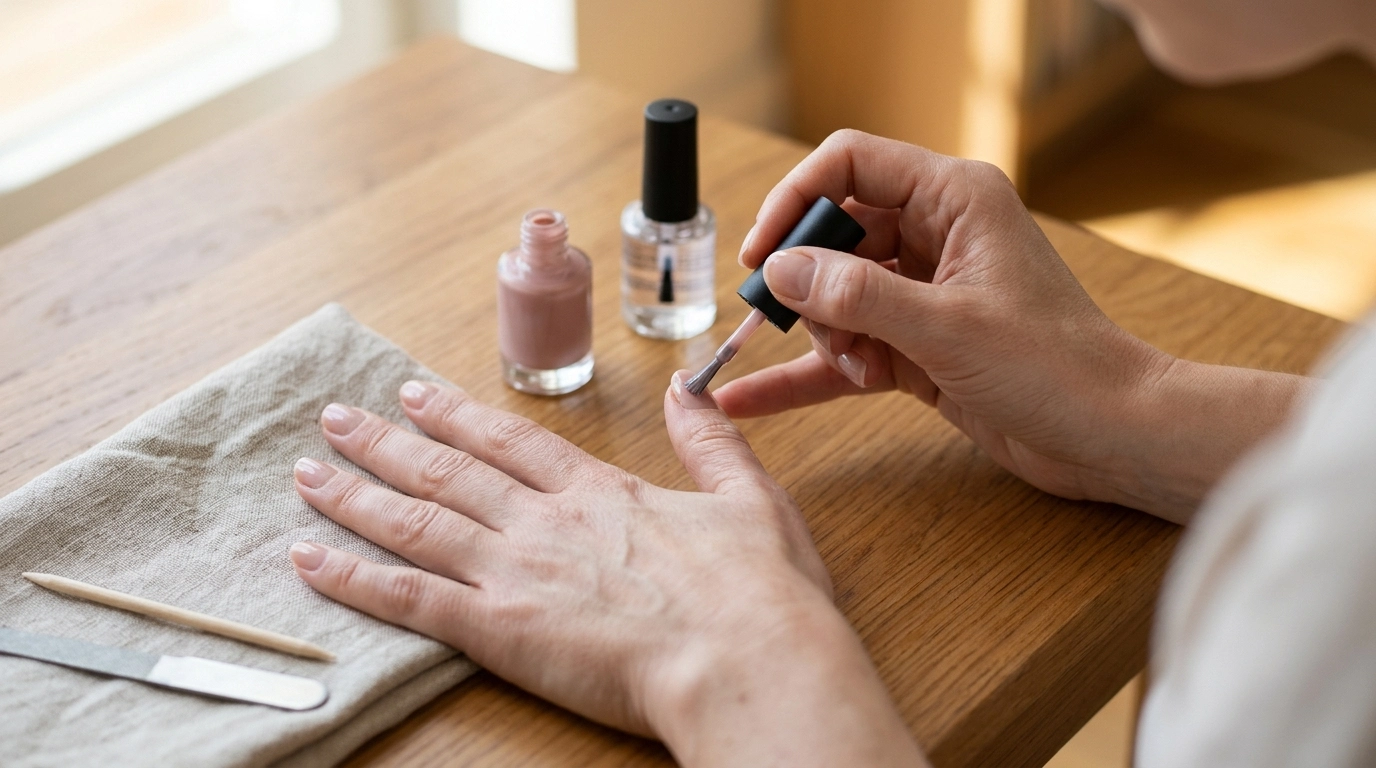
Yes. You can often improve the cosmetic appearance of mild ridges without trying to remove the ridges themselves.
Start with clean, dry nails. Gently shape the free edges and leave the ridged surfaces alone.
Apply a compatible ridge-filling base coat according to its instructions. Once it has dried sufficiently, add thin layers of your preferred nail polish.
A soft pink, beige, or opaque neutral color can give your manicure a neat, balanced appearance.
If you prefer a natural look, keep your nails clean, moisturized, and neatly shaped. You don’t need to polish or buff them to maintain healthy nails.
Our article on how to shine nails without polish discusses natural manicure options. For fragile or significantly ridged nails, avoid repeated surface buffing even when a technique promises extra shine.
Pro Tip
If your polish repeatedly highlights ridges, change the base coat and polish finish before reaching for a buffer. Cosmetic smoothing is generally preferable to repeatedly thinning your natural nail plate.
Does Your Diet Affect Nail Ridges?
Your nails need adequate nutrition for normal growth. Protein, iron, zinc, and other nutrients all contribute to healthy body function, including nail production.
However, ordinary vertical nail ridges don’t necessarily mean you’re deficient in a particular nutrient.
A balanced eating pattern with protein sources, vegetables, fruits, whole grains, and appropriate healthy fats is a reasonable foundation for overall nail health.
Don’t start high-dose biotin, iron, or other supplements simply because your nails are ridged. Supplements have potential risks, and biotin can interfere with certain laboratory tests.
If you also have unexplained fatigue, hair loss, persistent nail changes, or other symptoms, a healthcare professional can assess whether testing is appropriate.
For practical meal ideas, explore what to eat for stronger, healthier nails.
How Long Does It Take for Ridged Nails to Improve?
The answer depends on why your nails are ridged.
Age-related vertical ridges may remain visible despite excellent nail care. Moisturizers and cosmetic coatings can improve comfort or appearance, but they don’t permanently remove normal nail texture.
If your nails are brittle because of repeated cosmetic damage, reducing that damage can help protect new growth.
Fingernails generally grow slowly, often around 3 millimeters per month. Replacing an entire fingernail commonly takes approximately four to six months, although the timeline varies.
You’ll need patience as damaged portions gradually move toward the free edge and are trimmed away.
If the nail matrix has been injured or a medical condition continues to affect growth, the texture may not return to its previous appearance without appropriate treatment.
When Should You See a Dermatologist About Nail Ridges?
Many vertical ridges are harmless. Still, certain changes deserve an examination rather than another manicure treatment.
- New, deep horizontal grooves across one or several nails
- A new or changing dark brown or black nail streak
- Persistent redness, swelling, tenderness, or pus
- Nail lifting or separation from the nail bed
- Sudden changes in nail thickness, shape, or color
- Significant splitting or deterioration without a clear cause
Warning
Don’t cover a new or changing dark nail streak with polish and assume it’s harmless. Arrange a prompt medical evaluation. Likewise, seek care for painful, swollen, or infected-looking nails rather than attempting home cosmetic repairs.
Frequently Asked Questions About Ridged Nail Care
Q: Is it bad to buff ridges out of your nails?
A: Repeated or aggressive buffing can thin your nail plate and increase breakage. If your nails are fragile, avoid surface buffing and consider a ridge-filling base coat for temporary cosmetic smoothing.
Q: Can cuticle oil remove vertical nail ridges?
A: Cuticle oil can condition dry nail folds and help maintain a comfortable nail care routine, but it won’t permanently erase normal vertical ridges. Their underlying cause determines whether the texture can change.
Q: Does wearing nail polish make ridges worse?
A: Regular polish doesn’t necessarily worsen nail ridges. Problems are more likely when manicures involve aggressive preparation, repeated picking, harsh removal, or allergic reactions to nail products.
Q: Are vertical nail ridges a sign of vitamin deficiency?
A: Not necessarily. Fine vertical ridges commonly occur with normal aging. Certain nutritional deficiencies can affect nails, but ridges alone can’t establish a deficiency or tell you which supplement to take.
Q: Can ridged nails become smooth again?
A: Some nail texture changes may improve when an underlying injury or medical condition resolves and healthy nail grows out. Normal age-related vertical ridges may persist, even with careful daily nail care.
How Can You Avoid Common Nail Care Mistakes With Ridged Nails?
The best approach is to protect the nail plate rather than constantly trying to make it perfectly flat. Avoid excessive buffing, keep your cuticles intact, moisturize regularly, and remove nail products gently.
With consistent care, you can reduce unnecessary breakage and enjoy beautiful manicures while respecting your nails’ natural texture.
Save this guide to your Pinterest nail care board so you’ll have these gentle nail care reminders ready before your next manicure.
Editorial note: This article provides general nail care education and does not replace professional medical advice. Seek individual medical guidance for new, unexplained, or concerning nail changes.

Hi, I’m Jessica, the creator behind Unique Lash & Nails Katy.
I created this website for anyone who loves beautiful nails as much as I do. Here, I share trendy nail designs, seasonal manicure ideas, easy nail care tips, honest product recommendations, and step-by-step guides to help you create salon-worthy nails at home. Whether you’re looking for everyday inspiration or your next favorite nail trend, I hope you’ll find something you love.