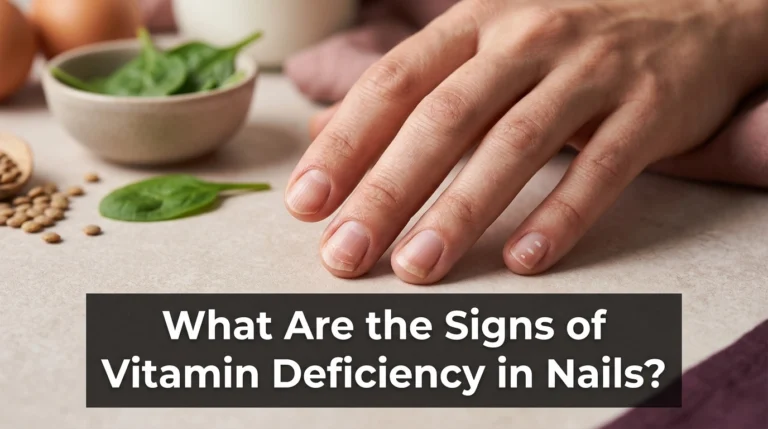
What Vitamins Are Good for Nail Health? A Food-First Guide
Quick Answer
Biotin, vitamins B12 and C, folate, iron, and zinc all help your body build and maintain normal nails, but a supplement usually makes the biggest difference only when you are deficient. Start with a varied diet containing enough protein, eggs, fish, beans, nuts, seeds, fruit, and vegetables. Don’t take high-dose biotin or iron “just in case”—ask a healthcare professional about testing if your nails change suddenly or stay brittle.
Biotin gets nearly all the attention in beauty aisles, yet your nails don’t run on one vitamin. They grow from living tissue under the skin, and that tissue needs protein, energy, vitamins, and minerals working together.
If your diet already meets those needs, swallowing more of one nutrient won’t automatically make your nails grow faster. The useful question is not “Which gummy has the biggest number?” It is “Am I missing something my body needs?” This guide helps you answer that without the supplement hype.


Which Vitamins and Minerals Matter Most for Your Nails?
 Save
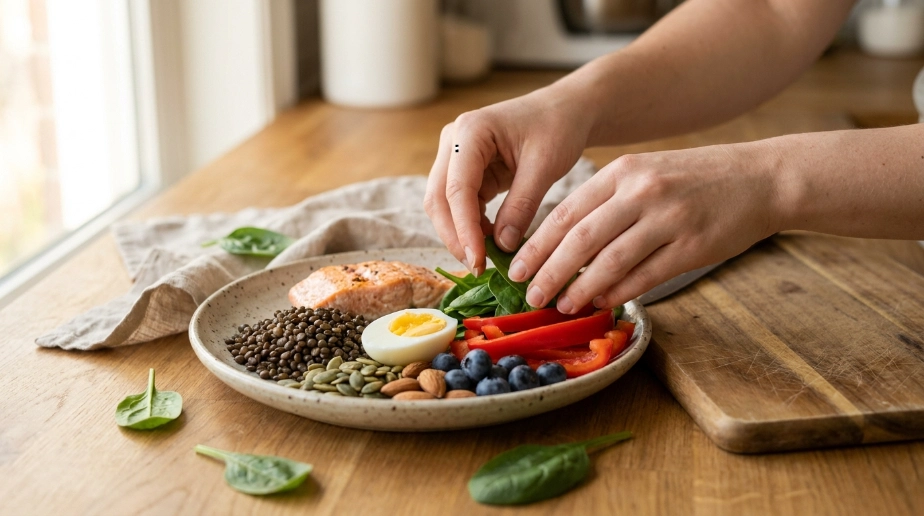
SaveYour visible nail plate is made mostly of keratin, a tough protein. New nail cells form in the matrix beneath the skin at the base of your nail, then flatten and move forward. Nutrients support that process indirectly by helping your body make proteins, divide cells, carry oxygen, and build connective tissue.
No nutrient can repair the part of the nail that has already split. Better nutrition supports new growth, which then has to travel from the base to the tip. That is why changes take months rather than days.
Biotin (Vitamin B7)
Biotin helps your body process fats, carbohydrates, and proteins. A true deficiency can cause brittle nails, but deficiency is uncommon in people who eat a varied diet. Eggs, salmon, meat, sunflower seeds, sweet potatoes, and some nuts provide biotin naturally.
A few small studies have found that high-dose biotin may increase nail thickness in some people with brittle nails. However, the evidence is limited and does not prove that biotin strengthens normal, well-nourished nails. If you want to try it, discuss the dose with your clinician instead of assuming a high-dose hair, skin, and nail gummy is harmless.
Warning
High-dose biotin can distort certain laboratory results, including thyroid and heart-related tests. Tell your doctor and the laboratory about every supplement you take before bloodwork. Don’t stop a prescribed product without medical advice.
Vitamin B12 and Folate (Vitamin B9)
Vitamin B12 and folate support DNA production and normal red blood cell formation, both important for rapidly dividing tissues. Severe deficiency may appear alongside nail color or pigmentation changes, fatigue, weakness, a sore tongue, or neurological symptoms, but nail appearance alone cannot diagnose it.
You get B12 from animal foods such as fish, meat, eggs, and dairy, plus fortified plant milks and cereals. Folate is abundant in leafy greens, beans, peas, oranges, and fortified grains. Vegans, people taking certain medications, older adults, and people with absorption conditions may need professional guidance on B12.
Vitamin C
Vitamin C helps your body make collagen, a structural protein in the tissues surrounding your nails. It also improves absorption of non-heme iron, the type found in plant foods. Citrus fruit, strawberries, kiwi, bell peppers, broccoli, and tomatoes make it easy to get vitamin C through meals.
Pairing lentils with tomatoes or iron-fortified cereal with berries is more purposeful than taking a random megadose. Vitamin C deficiency is uncommon when you regularly eat fruit and vegetables, and extra-large doses don’t turn into extra-fast nail growth.
Iron
Iron is a mineral, not a vitamin, but it belongs in any honest nail-health discussion. Your body needs it to make hemoglobin, which carries oxygen. Iron deficiency can sometimes be associated with thin, brittle, or spoon-shaped nails, especially when you also have fatigue, shortness of breath, dizziness, headaches, or heavy periods.
Good sources include beef, poultry, seafood, lentils, beans, tofu, spinach, and fortified cereals. Plant-based iron absorbs better when you eat it with vitamin C. Tea and coffee taken with the same meal can reduce absorption, so leave a little space between them if low iron is a concern.
Warning
Don’t self-treat suspected iron deficiency. Too much supplemental iron can cause constipation, nausea, dangerous toxicity, and interactions. A clinician can use your symptoms and blood tests—often including a complete blood count and ferritin—to decide whether you need it.
Zinc
Zinc supports cell division, protein production, and wound healing. Low zinc status can affect skin, hair, appetite, immunity, and nails, but white spots on your nails are not reliable proof of a zinc deficiency. Those spots commonly follow minor trauma to the nail matrix.
Oysters, meat, poultry, dairy, beans, nuts, seeds, and fortified cereals contain zinc. Long-term high-dose zinc can reduce copper absorption, so more is not better. Choose a varied diet first and get advice before using a separate zinc supplement for months.
Vitamin D
Vitamin D is essential for overall health, but evidence that extra vitamin D directly strengthens otherwise healthy nails is limited. It matters when a clinician identifies a deficiency or when your intake and sun exposure are low. Fatty fish, egg yolks, and fortified milk or plant beverages provide some vitamin D.
Because vitamin D needs vary with age, skin tone, location, health conditions, and sun exposure, testing and dosing decisions are better made with a healthcare professional than from the appearance of your nails.
Is Protein More Important Than a Nail Vitamin?
Protein deserves equal billing because keratin is a protein. If you are eating too little food overall or consistently missing protein, a beauty vitamin cannot compensate. Include a practical protein source at each meal: eggs, Greek yogurt, fish, chicken, tofu, tempeh, lentils, beans, or a combination of grains and legumes.
You don’t need an extreme high-protein diet. You need enough protein and calories for your body, spread through a balanced eating pattern. Restrictive dieting can show up in your hair, skin, and nails because your body prioritizes essential organs when resources are limited.
Nutrition also works alongside daily protection. Follow a simple routine for healthy nails so the new nail you grow isn’t repeatedly weakened by picking, harsh removal, and wet work.
What Should You Eat in a Day for Healthier Nails?
You don’t need a special “nail diet.” Use ordinary meals that cover several nutrients at once:
- Breakfast: Eggs with spinach and whole-grain toast, or fortified oatmeal topped with berries, pumpkin seeds, and Greek yogurt.
- Lunch: A lentil, chicken, or salmon bowl with leafy greens, bell peppers, tomatoes, and brown rice or quinoa.
- Snack: An orange with almonds, yogurt with sunflower seeds, or hummus with sliced peppers.
- Dinner: Fish, lean meat, tofu, or beans with broccoli and sweet potato.
That pattern supplies protein plus biotin, B vitamins, vitamin C, iron, and zinc without chasing one “miracle” ingredient. Rotate foods during the week so your nutrition stays broad.
Pro Tip
Keep a three-day food note before buying a supplement. If every day lacks protein, fruit, vegetables, or iron-rich foods, improving the pattern gives you a clearer and safer starting point than adding a high-dose gummy.
Should You Take a Hair, Skin, and Nails Supplement?
A supplement can be useful when a test confirms a deficiency, your diet excludes major food groups, absorption is impaired, or your clinician identifies a higher need. It is much less convincing as insurance for someone who already eats well and has nail damage from gel removal, cleaning chemicals, biting, or repeated soaking.
Read the Supplement Facts panel rather than the front label. Look for sensible amounts, avoid stacks that duplicate nutrients from several products, and choose brands that use independent quality testing. “Natural” does not guarantee a product is necessary, effective, or free of interactions.
Recommended Product
Third-Party-Tested Women’s Multivitamin
★★★★☆ Look for independent verification
A balanced multivitamin may help fill documented dietary gaps, but it should not replace varied meals or contain unnecessary megadoses.
As an Amazon Associate, we earn from qualifying purchases.
If you are pregnant, trying to conceive, breastfeeding, managing a medical condition, or taking medication, ask your healthcare professional before starting a new supplement. Prenatal nutrient needs are specific, so a generic beauty gummy is not an appropriate substitute for prenatal advice.
How Can You Tell Whether Your Nails Need Nutrition or Better Care?
Dry, peeling nails are often caused or worsened by repeated water exposure, solvents, over-buffing, picking off gel, or using nails as tools. Nutrient deficiency is only one possibility. Before assuming the cause, look at your habits and whether other symptoms are present.
If your nails mostly break at the tips after manicures or cleaning, start with protection. Keep them shorter, moisturize after washing, wear gloves for wet chores, and learn how to care for your nails properly. If several nails change without an obvious external cause, seek medical advice.
Contact a dermatologist or other qualified clinician for persistent changes in nail color, thickness, shape, texture, or attachment. Pain, swelling, drainage, a widening dark streak, clubbing, or a sudden change deserves prompt attention. Covering the area with polish makes it harder to monitor.
How Long Do Vitamins Take to Improve Nail Health?
If a true deficiency is found and corrected, you still have to wait for healthier nail to grow forward. Fingernails commonly take about six months to replace fully, while toenails take longer. You may see a band of healthier growth near the base first, but the damaged tip does not heal in place.
Take a clear photo once a month in the same lighting. Daily checking makes normal progress almost impossible to notice. This guide to how fast nails grow gives you realistic one- and two-week expectations.
If nothing changes after several months—or if the problem worsens—don’t keep increasing the supplement dose. Revisit the diagnosis with a professional. Fungal infection, eczema, psoriasis, thyroid disease, anemia, medication effects, and physical damage can look like a “vitamin problem.”
What Should You Do—and Avoid—for Stronger-Looking Nails?
Do
- +Eat enough protein and a variety of whole foods.
- +Pair plant iron with vitamin C-rich foods.
- +Ask about testing when nail changes persist.
Don’t
- −Diagnose a deficiency from nail appearance alone.
- −Take iron or high-dose zinc without guidance.
- −Expect gummies to undo picking or harsh removal.
Which Nail-Care Products Help While New Nails Grow?
 Save
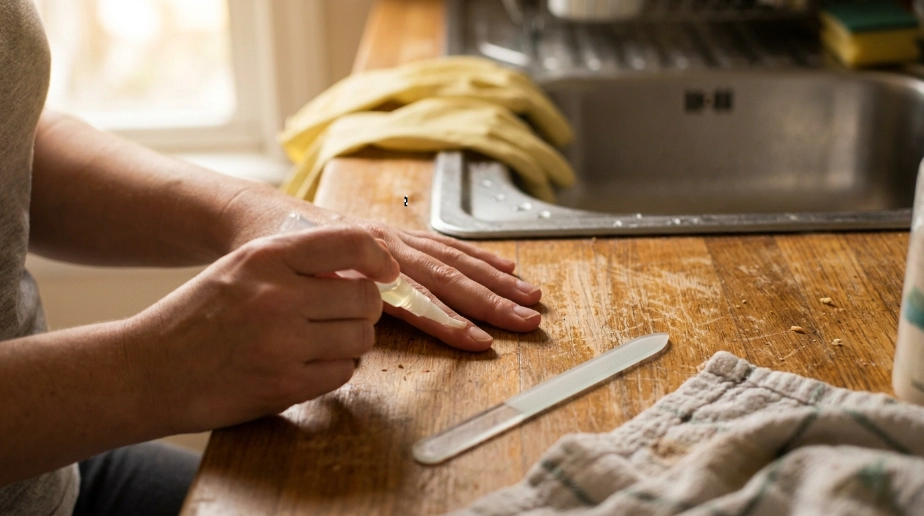
SaveNutrition supports growth from within, while simple care protects the nail plate you already have. These products do not deliver vitamins through the nail or cure a deficiency; they help reduce dryness, snagging, and avoidable breakage.
Recommended Product
Jojoba Cuticle Oil Pen
★★★★☆ Convenient for daily use
Keeping oil beside your bed or desk makes consistent moisturizing easier while damaged nail grows out.
As an Amazon Associate, we earn from qualifying purchases.
Recommended Product
Fine-Grain Glass Nail File
★★★★☆ Useful for smoothing small snags
Smoothing one rough edge quickly can prevent a catch from becoming a deeper split while you wait for healthy growth.
As an Amazon Associate, we earn from qualifying purchases.
Recommended Product
Reusable Household Cleaning Gloves
★★★★☆ Practical protection for wet work
Gloves reduce prolonged contact with water and cleaners, two everyday triggers that can worsen peeling and breakage.
As an Amazon Associate, we earn from qualifying purchases.
Combine these basics with the habits in what helps nails grow fastest. The goal is not to force growth overnight; it is to preserve each millimeter your body naturally produces.
Frequently Asked Questions About Vitamins for Nail Health
Q: What is the best vitamin for strong nails?
A: There is no single best vitamin for everyone. Biotin, B12, folate, and vitamin C support normal body processes involved in nail growth, while iron, zinc, protein, and adequate calories also matter. Correcting a confirmed deficiency is more useful than megadosing one nutrient.
Q: Does biotin really make nails grow faster?
A: Evidence is limited. Small studies suggest high-dose biotin may help some people with brittle nails, but it has not been proven to accelerate normal nails in well-nourished people. It can also interfere with laboratory tests.
Q: Can low iron cause weak or spoon-shaped nails?
A: Iron deficiency can be associated with brittle or spoon-shaped nails, but many other causes are possible. Ask a clinician about testing, especially if you also have fatigue, dizziness, shortness of breath, or heavy menstrual bleeding.
Q: What vitamin deficiency causes ridges in fingernails?
A: Ridges do not point to one specific deficiency. Fine vertical ridges can occur with normal aging, while deep horizontal grooves may follow illness, injury, or interrupted growth. Persistent or sudden changes should be assessed rather than self-diagnosed.
Q: How long should you take vitamins before your nails improve?
A: When a deficiency is correctly treated, improvement appears in new growth rather than repairing the old nail. Fingernails can take roughly six months to replace fully, so track monthly—not daily—and follow the treatment timeline your clinician recommends.
What Is the Smartest Way to Support Your Nails?
Build your foundation with enough protein, varied whole foods, and gentle daily care. Use supplements to correct a real need, not as a shortcut around meals or damaging manicure habits.
If your nails suddenly change or stay brittle despite better care, ask a qualified healthcare professional to look for the cause. Save this guide to Pinterest so you can return to the food list and safety checks before buying another beauty supplement.

Hi, I’m Jessica, the creator behind Unique Lash & Nails Katy.
I created this website for anyone who loves beautiful nails as much as I do. Here, I share trendy nail designs, seasonal manicure ideas, easy nail care tips, honest product recommendations, and step-by-step guides to help you create salon-worthy nails at home. Whether you’re looking for everyday inspiration or your next favorite nail trend, I hope you’ll find something you love.