What Is the Cuticle? Nail Anatomy & Easy Care Tips
Quick Answer
The cuticle is a thin layer of dead skin cells that adheres to the nail plate near the base of your nail. It helps seal the space between your nail and surrounding skin, protecting the nail area from unwanted moisture and microorganisms. Unlike the living skin around your nail, the cuticle itself is dead tissue. Gentle care helps maintain a healthy protective barrier.
That tiny strip of skin near the base of your nail does more than you might think. Although cuticles are easy to overlook during a manicure, they play an important role in keeping your nails healthy.
Understanding what the cuticle is can help you avoid common manicure mistakes, prevent irritation, and care for your natural nails more confidently.
Here’s how your cuticles work, how they differ from the surrounding skin, and what you should know before trimming or pushing anything back.


What Exactly Is the Cuticle?
The cuticle is a thin layer of nonliving, keratinized skin cells that extends from the skin at the base of your nail onto the nail plate.
As your nail grows, some cells from the underside of the proximal nail fold remain attached to the emerging nail. These cells form the cuticle.
Because the cuticle is made of dead skin cells, it doesn’t contain blood vessels or nerve endings. However, the living skin immediately behind it does.
This distinction matters when you’re getting a manicure. Removing loose dead tissue is different from cutting the healthy skin surrounding your nail.
Where Is the Cuticle Located?
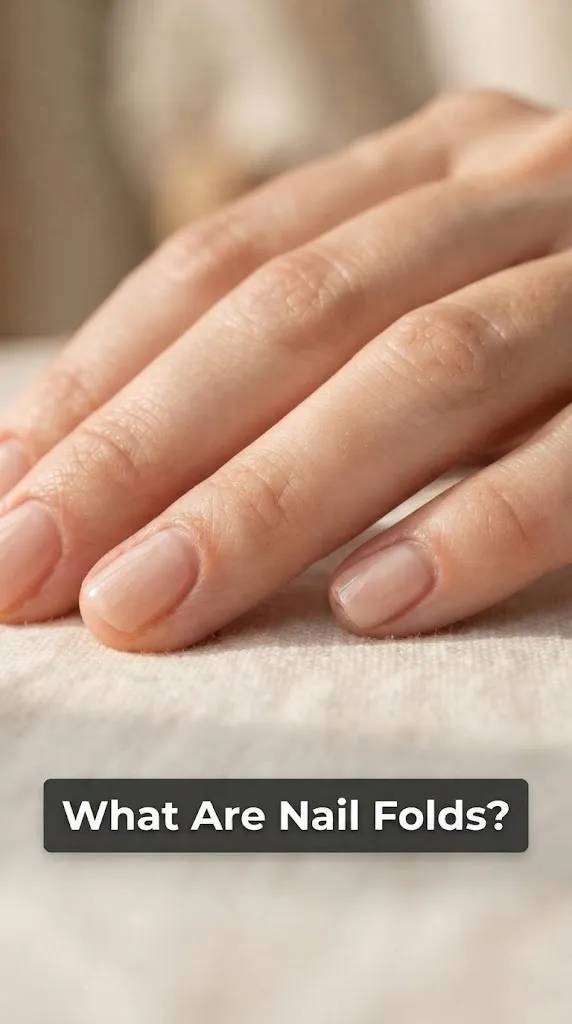
You can find your cuticle at the base of each fingernail and toenail, where the nail plate emerges from beneath the surrounding skin.
It often appears as a thin, nearly transparent film extending a short distance onto the nail surface.
To recognize it more easily, look for these features:
- Location: At the base of the visible nail plate.
- Appearance: Thin, translucent, or slightly whitish tissue.
- Texture: Usually soft, although it may become dry or flaky.
- Composition: Dead, keratinized skin cells.
- Purpose: Helping maintain the seal between the nail and surrounding skin.
The cuticle can be difficult to see on healthy nails because it is often very thin.
Why Do You Have Cuticles?
Your cuticles aren’t unnecessary skin. They’re part of the protective system surrounding your growing nails.
The nail plate forms beneath the skin at the nail base and gradually moves forward as new nail cells develop.
Without an effective seal around the emerging nail, moisture, irritants, and microorganisms could more easily reach vulnerable tissue.
1. They Help Maintain a Protective Seal
The cuticle works with the proximal nail fold to create a seal around the emerging nail plate.
This helps reduce opportunities for bacteria, fungi, and irritating substances to enter the space beneath the nail fold.
Damaging that seal through aggressive cutting or picking can increase the risk of inflammation and infection.
2. They Support a Healthy Nail-Growth Environment
Your nail matrix, which produces much of your nail plate, is located beneath the skin near the nail base.
The cuticle doesn’t produce nail cells or directly control how fast your nails grow.
Instead, it contributes to the protective barrier around the region where new nail tissue emerges.
3. They Help Limit Exposure to Irritants
Hand soap, cleaning products, detergents, and other substances regularly come into contact with your fingertips.
An intact nail-fold barrier helps protect sensitive underlying tissue from unnecessary exposure.
When the surrounding skin becomes cracked or damaged, irritation may become more likely.
Nail Anatomy Tip
Your cuticle is only one part of the nail’s protective system. The proximal nail fold and surrounding living skin are especially important for maintaining a healthy barrier.
What Is the Difference Between the Cuticle and Eponychium?
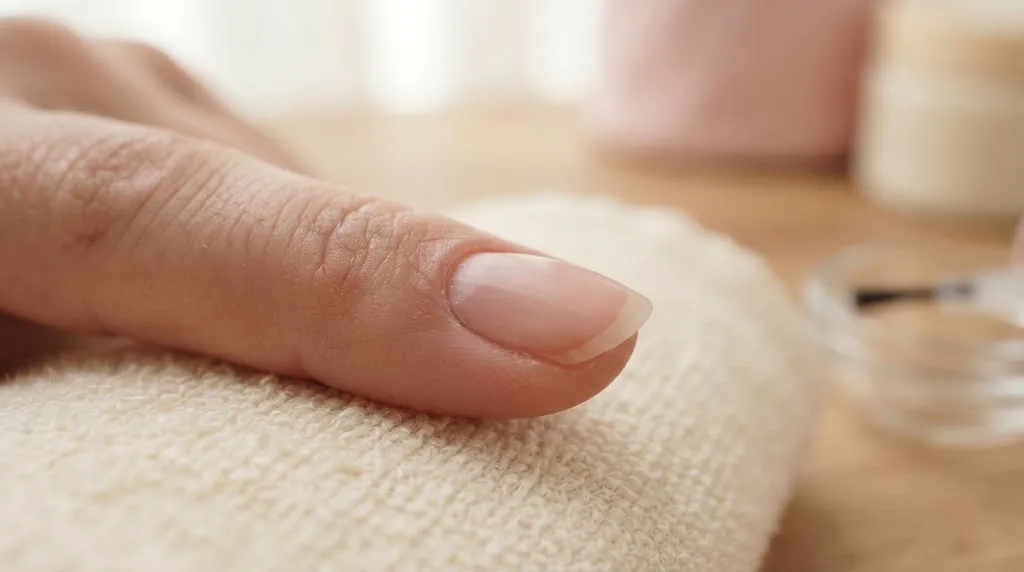
One of the most common nail anatomy misunderstandings is treating the cuticle and eponychium as exactly the same structure.
They’re closely related, but they aren’t identical.
The Cuticle
The cuticle is the thin layer of dead tissue attached to the surface of the nail plate near its base.
It is generally translucent and may become more noticeable when dry skin accumulates.
The Eponychium and Proximal Nail Fold
The eponychium is associated with the living tissue of the proximal nail fold at the base of the nail.
In everyday manicure language, people often use “eponychium” to describe the visible skin ridge behind the cuticle. Anatomical terminology can be more specific, but the practical distinction is simple: this surrounding skin is living tissue.
Unlike the dead cuticle layer, living nail-fold skin contains nerves and blood vessels.
Cutting or tearing it can cause pain, bleeding, inflammation, and infection.
Quick Comparison
| Feature | Cuticle | Living Nail-Fold Skin |
|---|---|---|
| Tissue | Dead cells | Living skin |
| Location | Adheres to nail plate | Surrounds nail base |
| Blood vessels | None | Present |
| Safe to cut? | Routine cutting unnecessary | No |
Knowing the difference helps you understand why professional nail-care guidance generally discourages cutting cuticles and surrounding living skin.
What Does a Healthy Cuticle Look Like?
Healthy cuticles are usually thin, flexible, and closely attached to the nail plate.
They shouldn’t cause pain or interfere with your daily activities.
Signs of a healthy nail-base area include:
- Skin that looks smooth and comfortable.
- No persistent redness or swelling.
- No cracks, bleeding, or open wounds.
- No tenderness when you touch the nail base.
- No pus or unusual discharge.
- A thin, intact seal where the nail emerges.
Your cuticles don’t need to look perfectly identical on every finger. Their appearance can vary naturally depending on skin type, hydration, and daily activities.
Why Do Cuticles Become Dry, Cracked, or Peeling?
Dry cuticles are common, especially when your hands frequently come into contact with water or cleaning products.
Several everyday habits can contribute to dryness around the nail base.
Frequent Handwashing
Washing your hands removes dirt and microorganisms, but repeated exposure to soap and water can also strip away some of the skin’s natural oils.
If you wash your hands frequently, apply fragrance-free hand cream afterward to help replace lost moisture.
Cleaning Products
Dishwashing liquids and household cleaners can irritate the skin around your nails.
Wearing protective gloves during wet cleaning tasks helps reduce direct exposure.
Cold or Dry Weather
Low humidity can increase moisture loss from your skin, making the nail-fold area feel tight or rough.
A richer moisturizer or a small amount of petroleum jelly can help protect dry skin.
Picking or Biting
Picking at loose skin can create small tears around the nail base.
These openings may become painful and can increase the risk of infection.
If you notice a hangnail, avoid pulling it. Carefully trim only the loose, detached piece with clean nail clippers.
Harsh Manicure Techniques
Repeated scraping, aggressive pushing, or cutting around the nail fold can damage delicate skin.
Some cuticle-removing chemicals may also cause irritation if they touch living skin or remain on longer than directed.
Should You Cut Your Cuticles?
Generally, no. Routine cuticle cutting isn’t necessary for healthy nails.
Although trimming can create a temporarily cleaner-looking manicure, removing protective tissue may compromise the seal around your nail.
Cutting too deeply can injure living skin, causing bleeding or increasing the risk of infection.
Warning
Avoid cutting, digging beneath, or aggressively pushing back the skin at your nail base. Damaging the nail-fold barrier can contribute to paronychia, an infection or inflammation of the skin surrounding the nail.
If your goal is a neat manicure, moisturizing and gently cleaning the nail surface are safer choices than cutting healthy tissue.
When visiting a nail salon, you can ask your nail technician not to cut your cuticles.
How Can You Care for Your Cuticles Safely?
You don’t need an elaborate routine to maintain healthy cuticles. Consistent moisture and gentle handling are usually more important than specialized treatments.
1. Wash Your Hands Gently
Use lukewarm water and a mild cleanser to remove everyday dirt.
Avoid scrubbing the nail base with sharp tools or stiff brushes that could damage the surrounding skin.
2. Apply Cuticle Oil or Moisturizer
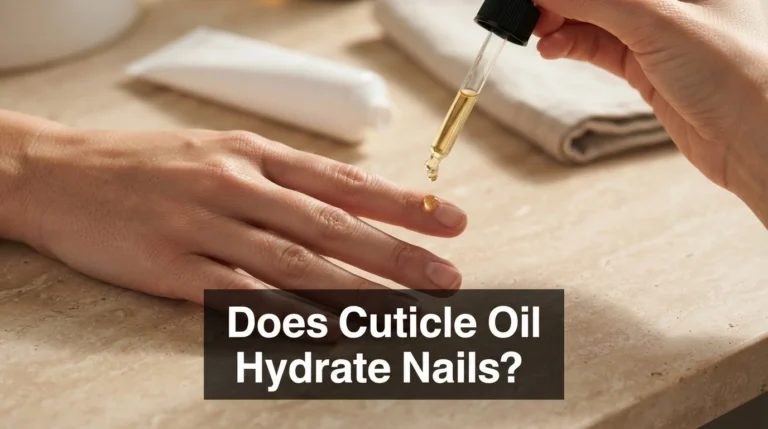
Massage a small amount of moisturizer into the skin around each nail.
Products containing jojoba oil, glycerin, or petrolatum can help soften dry skin and reduce moisture loss.
You can explore jojoba-based cuticle oils if you prefer a lightweight nail-care product.
3. Protect Your Hands During Wet Work
Wear household gloves when washing dishes or using cleaning products.
This reduces repeated exposure to detergents and prolonged moisture, both of which can irritate the skin.
4. Avoid Aggressive Cuticle Pushing
You generally don’t need to push your cuticles back as part of everyday nail care.
If you’re preparing for a manicure, avoid applying pressure to the living nail fold or scraping attached tissue.
Never force skin backward if you feel pain or resistance.
5. Moisturize Before Bed
Apply hand cream around your nails before sleeping.
If your skin is particularly dry, a thin layer of petroleum jelly over the moisturizer can help reduce overnight moisture loss.
For convenience, keep a small tube of hand cream beside your bed so moisturizing becomes a regular habit.
Pro Tip
Apply moisturizer immediately after washing your hands, while your skin is still slightly damp. This helps retain moisture and is often more useful than relying on occasional intensive treatments.
Which Products Help Keep Cuticles Healthy?
Simple moisturizing products are usually enough for routine cuticle care.
You don’t need to purchase several expensive nail treatments to maintain comfortable, healthy skin.
Cuticle Oil
Cuticle oil helps soften dry skin and improve its appearance.
Look for lightweight oils with ingredients such as jojoba oil or vitamin E.
Vitamin E is commonly included in moisturizing formulas, although it isn’t necessary for everyone and may irritate sensitive skin.
Browse cuticle oil pens if you want an easy-to-carry option for your bag or desk.
Fragrance-Free Hand Cream
A good hand cream can moisturize both your cuticles and the surrounding skin.
Choose a formula containing glycerin, ceramides, or petrolatum if your hands frequently feel dry.
Fragrance-free options are particularly useful when your skin is sensitive or easily irritated.
Petroleum Jelly
Petroleum jelly creates an occlusive layer that helps reduce water loss from the skin.
Apply a small amount around your nail folds after moisturizing, especially during cold weather.
You can compare petroleum jelly skin protectants if you need an inexpensive option for very dry hands.
Affiliate disclosure: As an Amazon Associate, we earn from qualifying purchases.
What Are the Most Common Cuticle Care Mistakes?
Even small manicure habits can irritate the delicate skin around your nails.
Cutting Too Much Skin
Removing living tissue can cause bleeding and disrupt the protective nail-fold barrier.
Better approach: Leave healthy attached skin intact and focus on moisturizing.
Pulling Hangnails
Pulling a hangnail can tear the surrounding skin and create a painful opening.
Better approach: Use clean nail clippers to remove only the loose, detached portion without cutting into healthy skin.
Using Sharp Tools Under the Nail Fold
Sharp manicure tools can cause injuries that may not be immediately obvious.
Better approach: Avoid digging or scraping around the nail base.
Ignoring Irritation
Persistent redness, swelling, or tenderness isn’t simply a cosmetic concern.
Better approach: Stop irritating manicure practices and seek medical advice if symptoms persist or worsen.
Applying Strong Products to Broken Skin
Cuticle removers, acetone, and fragranced products may sting or irritate damaged skin.
Better approach: Allow injured skin to heal and use gentle, fragrance-free moisturizers.
Cuticle Care: What Should You Do and Avoid?
Do
- Moisturize daily.
- Use gentle hand cleansers.
- Wear gloves when cleaning.
- Keep manicure tools clean.
- Protect cracked skin.
- Leave healthy cuticles intact.
Don’t
- Cut living nail-fold skin.
- Pull loose hangnails.
- Force cuticles backward.
- Share unclean tools.
- Use harsh products on wounds.
- Ignore swelling or pus.
Can Damaged Cuticles Grow Back?
Minor damage to the cuticle and surrounding skin often improves as the skin heals and the nail continues growing.
However, recovery depends on which tissues were injured and how severe the damage is.
Superficial dryness or mild irritation may improve with gentle care and regular moisturizing.
Deeper injuries involving the nail fold or nail matrix can take longer to heal and may occasionally cause lasting changes.
To support recovery:
- Stop cutting or picking the affected area.
- Keep the skin clean and protected.
- Apply a gentle moisturizer regularly.
- Avoid irritating nail products until the skin heals.
- Seek medical advice for increasing pain, swelling, redness, or discharge.
Don’t try to speed recovery by scraping away peeling tissue. Allow damaged skin to heal naturally.
When Should You Worry About Your Cuticles?
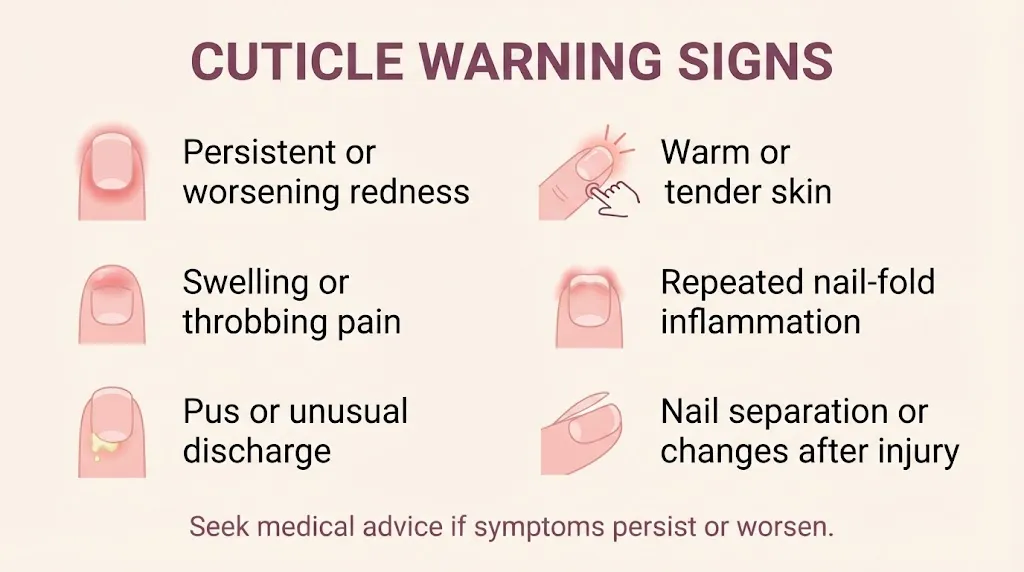
Dryness alone is usually manageable at home, but some symptoms may indicate an infection or another skin condition.
Contact a healthcare professional if you notice:
- Persistent or worsening redness around the nail.
- Noticeable swelling or throbbing pain.
- Pus or unusual discharge.
- Skin that feels unusually warm or tender.
- Repeated inflammation around several nails.
- Nail separation or unusual changes following an injury.
These symptoms can occur with paronychia, a condition involving inflammation or infection of the nail folds.
If redness spreads, you develop a fever, or the pain becomes severe, seek prompt medical care. People with diabetes, poor circulation, or weakened immune systems should seek medical advice early when signs of infection appear.
Important
Never attempt to drain pus or cut away infected nail-fold tissue yourself. Nail infections may require professional treatment, and attempting to open the area can worsen the injury.
Does Cuticle Care Help Your Nails Grow Faster?
Cuticle care doesn’t directly increase the speed of nail growth.
Your nails grow from specialized cells in the nail matrix, not from the cuticle itself.
However, protecting the skin around the nail base helps maintain a healthier environment for normal nail development.
Regular moisturizing may also reduce dry skin and discourage picking, which can help prevent avoidable damage around your nails.
If your goal is longer natural nails, concentrate on reducing breakage, avoiding trauma, and maintaining a balanced diet rather than relying on products that promise unusually fast nail growth.
Frequently Asked Questions About Cuticles
Q: Is the cuticle dead skin?
A: Yes. The cuticle is made of dead, keratinized skin cells attached to the nail plate. The surrounding nail-fold skin is living tissue and should not be cut or damaged.
Q: Is it bad to push back your cuticles?
A: Aggressive cuticle pushing can injure the protective nail-fold barrier. It’s best to avoid pushing or scraping attached tissue, especially if the area is sensitive, inflamed, or painful.
Q: Why do my cuticles peel?
A: Peeling around the nail base commonly results from dryness, repeated handwashing, irritants, or picking. Regular moisturizing and avoiding trauma can help, but persistent peeling may need medical evaluation.
Q: What happens if you remove your cuticles?
A: Removing cuticles can disrupt the seal between your nail and surrounding skin. Aggressive removal may lead to irritation, small injuries, and an increased risk of nail-fold infection.
Q: How often should you apply cuticle oil?
A: You can apply cuticle oil once or twice daily if your skin feels dry. There’s no required schedule, and an ordinary fragrance-free hand cream can also provide effective moisture.
Final Thoughts: Why Your Cuticles Matter
Your cuticles may be small, but they help protect the delicate area where your nails emerge. Keeping them intact, moisturized, and free from unnecessary trauma is one of the simplest ways to support healthy nail care.
For beautiful natural nails, choose gentle maintenance over aggressive trimming. Save this guide to your Pinterest nail-care board so you can revisit these tips before your next manicure.

Hi, I’m Jessica, the creator behind Unique Lash & Nails Katy.
I created this website for anyone who loves beautiful nails as much as I do. Here, I share trendy nail designs, seasonal manicure ideas, easy nail care tips, honest product recommendations, and step-by-step guides to help you create salon-worthy nails at home. Whether you’re looking for everyday inspiration or your next favorite nail trend, I hope you’ll find something you love.