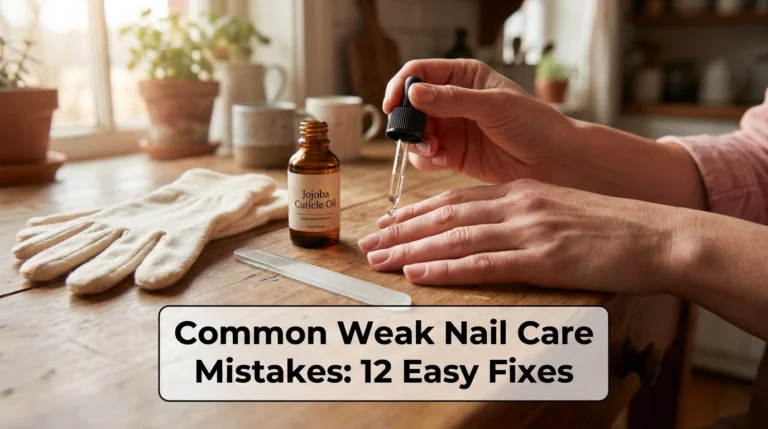
Common Brittle Nail Care Mistakes: 12 Fixes
Quick Answer
The most common brittle nail care mistakes include excessive water exposure, peeling gel polish, aggressive filing, cutting cuticles, skipping moisturizer, and using harsh nail treatments. To reduce breakage, keep your nails comfortably short, moisturize regularly, wear gloves during wet chores, and remove manicures gently. Consistent protection helps healthier nails grow in over time.
Does it feel like your nails split or peel every time they start growing? You’re not alone. Brittle nails can make even a beautiful manicure frustrating, especially when the tips keep breaking before you reach your favorite length.
Sometimes the biggest problem isn’t what you’re missing from your nail care routine. It’s what you’re accidentally doing to your nails every day.
Let’s look at 12 common brittle nail care mistakes, why they matter, and exactly what you can change to protect your natural nails.


Why Do Your Nails Become Brittle in the First Place?
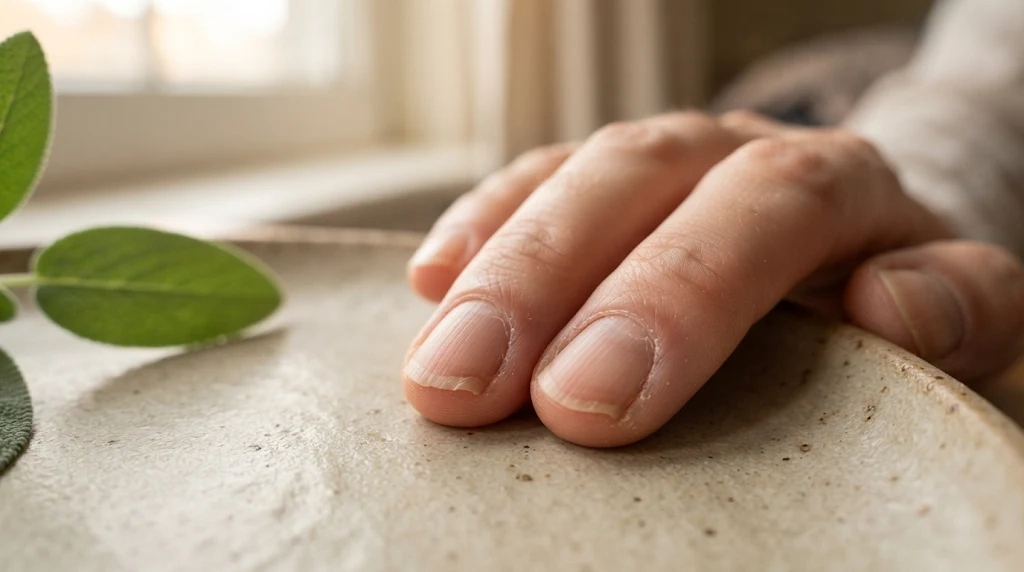
Your nails are made primarily from keratin, a strong structural protein. Healthy nail plates still need enough flexibility to tolerate everyday movement and pressure without cracking.
Repeated water exposure, household chemicals, mechanical trauma, and harsh manicures can make nails more vulnerable to peeling and splitting. Aging, certain medical conditions, and individual nail characteristics may also contribute.
Two common patterns of brittle nail damage are:
- Onychoschizia: Horizontal splitting or peeling into thin layers, often near the nail tips.
- Onychorrhexis: Longitudinal ridging or splitting that runs along the nail plate.
These patterns don’t automatically identify the underlying cause. That’s why understanding your habits is more useful than immediately buying another nail strengthener.
For more background, explore this guide on strengthening weak, thin, and brittle nails.
What Are the 12 Most Common Brittle Nail Care Mistakes?
1. Exposing Your Nails to Too Much Water
Frequent wetting and drying is one of the most overlooked mistakes in brittle nail care. Washing dishes, cleaning bathrooms, and keeping your hands submerged for long periods can put extra stress on already fragile nails.
Nails absorb water and change as they dry. Repeated cycles can contribute to splitting, especially when detergent or friction is involved.
What to do instead: Wear protective gloves during dishwashing and wet cleaning. Choose comfortably fitting gloves and consider cotton liners when you need to wear them for longer periods.
Afterward, dry your hands carefully and apply moisturizer directly to the nails and surrounding skin.
Common mistake: Wearing damp gloves for too long. Trapped moisture and irritation can create additional problems, so change wet liners promptly.
2. Skipping Nail and Cuticle Moisturizer
You probably remember to moisturize your face, but do you give your fingernails the same attention?
Dry nail surfaces and rough surrounding skin can make existing brittleness more noticeable. Moisturizing products help improve the condition and flexibility of nails and nearby skin, although they cannot instantly repair a cracked nail plate.
What to do instead:
- Apply fragrance-free hand cream after washing your hands.
- Massage a little moisturizer directly over each nail.
- Use petroleum jelly around particularly dry cuticles before bed.
- Reapply whenever your hands feel dry or tight.
Look for moisturizers containing glycerin, petrolatum, mineral oil, or other ingredients that help reduce moisture loss.
Common mistake: Applying cuticle oil only before taking manicure photographs. Occasional use may soften the skin temporarily, but consistent care is much more helpful.
3. Filing Your Nails Too Aggressively
Rough filing can turn a tiny snag into a larger split. Repeatedly sawing at fragile tips or aggressively buffing the top of the nail may remove or damage parts of the nail plate.
What to do instead: Use a fine-grit file or a smooth glass nail file. Work gently and stop once the edge feels smooth.
Keep the shape practical. A short rounded or softly squared tip is often easier to protect than a very long, sharply pointed nail.
Common mistake: Buffing away every visible ridge. Excessive surface buffing thins your nails and can make existing brittleness worse.
4. Peeling Off Gel Nail Polish
When gel polish starts lifting, pulling it off can seem quicker than arranging a proper removal. Unfortunately, the coating may take layers of natural nail with it.
That leaves your nails thinner and more vulnerable to bending, splitting, and discomfort.
What to do instead: Follow the appropriate removal instructions for your particular gel system. For soak-off products, avoid scraping or forcing off material that hasn’t loosened.
If you aren’t sure which product was used, ask your nail technician before attempting removal.
Warning
Never forcefully peel, scrape, or pry gel or acrylic products from your nails. If removal causes pain, bleeding, or visible lifting of the natural nail, stop and seek appropriate professional advice.
Common mistake: Assuming that a lifted corner means the entire manicure can safely be pulled away.
5. Using Nail Polish Remover Too Frequently
Changing nail colors every day may be fun, but frequent remover use can make brittle nails harder to manage.
Both acetone-based and non-acetone removers can dry the nail surface. Rubbing repeatedly with soaked cotton adds friction.
What to do instead: Change polish less frequently when your nails are splitting. Use the remover recommended for your polish type and avoid unnecessary soaking or scrubbing.
After removal, wash away residue if directed by the product instructions and moisturize the nails and surrounding skin.
Common mistake: Believing that every remover labeled “acetone-free” is automatically harmless. The complete formula and how often you use it both matter.
6. Cutting Your Cuticles Too Deeply
Neatly groomed cuticles can make a manicure look professional, but cutting protective tissue around your nails isn’t a harmless beauty shortcut.
The cuticle helps seal the area where the nail plate emerges. Damaging that protective barrier may increase irritation and infection risk.
What to do instead: Leave healthy cuticles intact and soften rough surrounding skin with moisturizer.
If you have a hangnail, carefully trim only the loose piece of skin with a clean tool. Never pull it away with your fingers or teeth.
Common mistake: Repeatedly cutting living skin because you want a completely invisible cuticle line.
7. Using Your Fingernails as Tools
Your nails are not designed to open cans, scrape stickers, lift lids, or pry objects apart.
These everyday actions create concentrated pressure at the nail tip. If your nails are already brittle, even a small amount of force can start a crack.
What to do instead: Use a key, spoon, bottle opener, or another suitable tool rather than your fingernail.
Keep a small nail file nearby so you can smooth snags before they catch on fabric.
Common mistake: Ignoring a small split because the rest of the nail still looks healthy. Minor damage can spread when it catches repeatedly.
8. Keeping Brittle Nails Too Long
Long nails look beautiful in Pinterest photos, but extra length creates more leverage when your fingers touch hard objects.
If your natural nails are fragile, maintaining an ambitious length can lead to repeated breaks.
What to do instead: Shorten your nails until the fingertip, rather than the nail edge, takes most of the pressure when you touch a flat surface.
You can still enjoy elegant short manicures, soft-square shapes, nude polish, and minimalist nail art.
Common mistake: Trying to maintain long extensions while the underlying nails are visibly damaged or painful.
9. Applying Very Hard Nail Strengtheners
A product marketed as a nail hardener sounds like the obvious solution to brittle nails. But harder doesn’t always mean healthier.
Some nail hardeners make the plate less flexible, which may worsen cracking in certain people. Formaldehyde-containing hardeners are a particular concern for nails that are already brittle.
What to do instead: Prioritize moisture, protection, and gentle maintenance before purchasing intensive strengthening treatments.
If you’re considering a specialized treatment, check its ingredients and ask a dermatologist whether it suits your nail condition.
Common mistake: Continuously applying multiple strengthening products without considering whether they are making your nails stiffer or more fragile.
10. Wearing Artificial Nails Over Existing Damage
Acrylic, gel, and other enhancements can disguise peeling nails, but they don’t necessarily solve the problem underneath.
Preparation, adhesives, filing, and removal may further stress a nail plate that is already thin or splitting.
What to do instead: If your nails are visibly damaged, allow them time without enhancements while focusing on gentle care.
When you’re ready for your next manicure, choose a qualified technician who uses appropriate preparation and removal techniques.
Common mistake: Covering a painful, discolored, or lifting nail with an artificial enhancement instead of investigating the cause.
11. Relying on Supplements Without Checking the Cause
Biotin gummies and nail-growth supplements are popular online, but supplements don’t automatically correct brittle nails.
Evidence supporting biotin for otherwise healthy people with brittle nails is limited. High-dose biotin can also interfere with certain laboratory tests, including important heart-related tests.
What to do instead: Eat a balanced diet that provides adequate protein, iron, and other essential nutrients.
If your nails suddenly become fragile or you have symptoms such as unusual fatigue, discuss possible underlying causes with a healthcare professional before taking supplements.
Common mistake: Taking large doses of biotin without telling your healthcare provider or laboratory team.
12. Expecting Damaged Nails to Recover Overnight
You might apply a nourishing oil on Monday and feel disappointed when your nails still peel on Friday.
However, the visible nail plate is already formed. Deeply damaged sections generally need to grow forward and be trimmed away rather than being permanently repaired by a cosmetic product.
What to do instead: Focus on preventing new damage and caring for emerging nail growth.
Keep your routine consistent for several weeks, and evaluate progress by looking for fewer new splits rather than expecting existing cracks to disappear.
Common mistake: Switching products every few days because your damaged tips haven’t transformed immediately.
Which Brittle Nail Care Mistakes Should You Fix First?
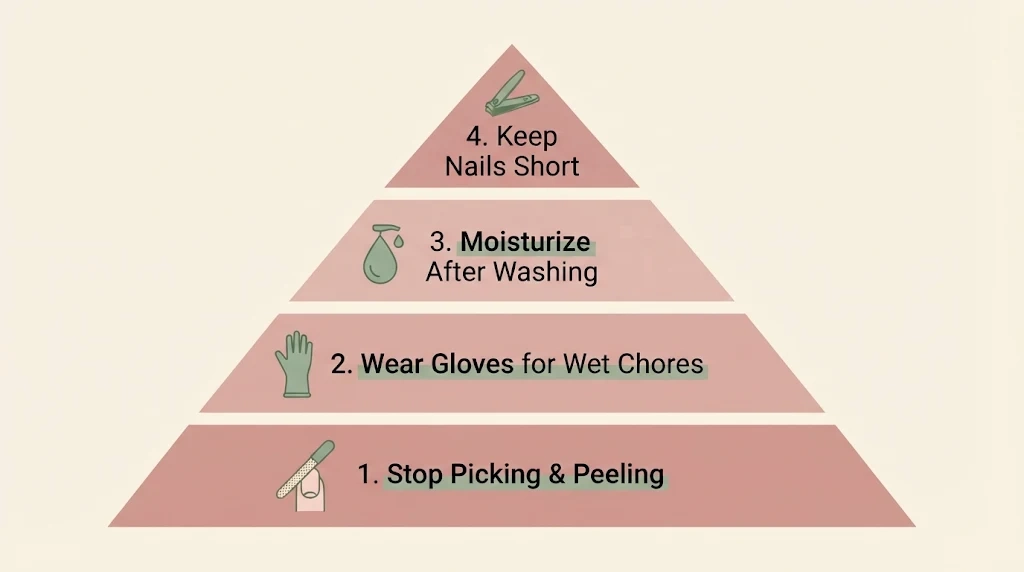
Trying to change all 12 habits at once can feel overwhelming. Start with the mistakes that expose your nails to the most repeated stress.
- First priority: Stop picking, peeling, scraping, or aggressively filing your natural nails.
- Second priority: Wear gloves for wet chores and reduce unnecessary exposure to cleaning chemicals.
- Third priority: Apply moisturizer consistently, especially after washing your hands.
- Fourth priority: Keep your nails short enough to avoid repeated impact and snagging.
These changes are inexpensive, practical, and easier to maintain than complicated product routines.
You can find additional prevention ideas in our article on how to protect your nails with daily habits.
What Daily Routine Helps Prevent Brittle Nails?

You don’t need a complicated salon routine to protect brittle nails. A few small habits throughout the day can reduce avoidable damage.
Morning: Start With Gentle Protection
- Inspect your nails for snags or lifting polish.
- Gently file any rough tips before they catch on clothing.
- Apply hand cream over your nails and surrounding skin.
- Keep your nails free from unnecessary pressure while getting ready.
Time needed: About two minutes.
During the Day: Reduce Everyday Damage
- Wear gloves while washing dishes or using cleaning products.
- Dry your hands after washing and reapply moisturizer.
- Avoid scratching labels or opening packaging with your nails.
- Never bite or pull at peeling edges.
Time needed: A few seconds whenever protection or moisturizing is needed.
Evening: Moisturize and Check Your Nails
- Wash your hands gently and dry them thoroughly.
- Massage a fragrance-free cream into each nail and fingertip.
- Apply a small amount of petroleum jelly around dry cuticles.
- Leave any peeling or cracked nail layers alone.
Time needed: About three minutes.
Pro Tip
Keep a small tube of fragrance-free hand cream beside your kitchen sink and another near your bed. Placing moisturizer where you already wash your hands or get ready for sleep makes consistent nail care easier.
For a more complete routine, follow our daily nail care guide.
What Should You Do and Avoid When Caring for Brittle Nails?
Do
- Keep nails comfortably short.
- Moisturize after handwashing.
- Wear gloves for wet cleaning.
- File rough edges gently.
- Use clean manicure tools.
- Allow damaged areas to grow out.
Don’t
- Peel off gel polish.
- Cut healthy cuticles.
- Over-buff nail surfaces.
- Use nails to open objects.
- Overuse harsh removers.
- Cover painful nail changes.
Which Products Are Actually Useful for Brittle Nail Care?
Instead of purchasing several expensive treatments, start with basic products that address dryness, friction, and everyday exposure.
Disclosure: Some product links below are Amazon affiliate search links. As an Amazon Associate, we earn from qualifying purchases. Product availability and individual suitability can vary.
Recommended Product
Fragrance-Free Moisturizing Hand Cream
A moisturizer containing glycerin or petrolatum is useful for caring for dry nails, fingertips, and surrounding skin after frequent handwashing.
As an Amazon Associate, we earn from qualifying purchases.
Recommended Product
Fine-Grit Glass Nail File
A smooth glass nail file can help you gently shape fragile tips and remove snags without unnecessarily rough treatment.
Find Glass Nail Files on Amazon
As an Amazon Associate, we earn from qualifying purchases.
Recommended Product
Cotton-Lined Cleaning Gloves
Protective gloves help reduce direct nail contact with dishwater, detergents, and household cleaning products.
Find Cleaning Gloves on Amazon
As an Amazon Associate, we earn from qualifying purchases.
For particularly dry nail edges, plain petroleum jelly is another inexpensive option. You can apply a small amount around your nails before bedtime.
How Long Does It Take for Brittle Nails to Improve?
Brittle nail recovery depends on what caused the problem and how much existing damage is present.
Consistent moisturizing may improve dryness and the appearance of your surrounding skin fairly quickly, but deeper nail damage takes longer to grow out.
- First 1–2 weeks: You may notice softer cuticles and fewer new snags if you’re reducing friction and protecting your nails.
- After 4–8 weeks: Newly grown nail may be easier to maintain if damaging habits have stopped.
- After several months: More of the previously damaged nail plate can be trimmed away as new nail advances.
- Approximately 4–6 months: A fingernail may take around this long to replace its visible length, although growth rates vary.
These are general expectations, not guaranteed treatment results. If an underlying medical condition is contributing, daily nail care alone may not resolve the brittleness.
Why Are Your Nails Still Breaking After You Change Your Routine?
Your nail tips keep peeling
Immediate fix: Shorten the nails slightly and gently smooth loose edges without pulling them. Prevention: Reduce repeated water exposure, harsh remover use, and excessive filing.
Your nails break after every manicure
Immediate fix: Avoid another enhancement if your nails are damaged or sore. Prevention: Review how products are prepared and removed, and avoid aggressive buffing or picking.
Your cuticles look rough and cracked
Immediate fix: Apply fragrance-free cream or petroleum jelly and avoid trimming irritated skin. Prevention: Moisturize after handwashing and use protective gloves during cleaning.
Your nails remain brittle despite careful treatment
Immediate fix: Review any new products, medications, or health changes with a healthcare professional. Prevention: Seek an accurate diagnosis instead of repeatedly changing supplements and nail treatments.
When Should You See a Dermatologist About Brittle Nails?
Although everyday nail care habits often contribute to brittleness, some nail changes deserve medical attention.
Make an appointment with a healthcare professional if you notice:
- Sudden brittleness affecting several nails without a clear explanation.
- Persistent nail pain, swelling, redness, or drainage.
- Significant nail thickening, discoloration, or separation from the nail bed.
- A new or changing dark streak within a nail.
- Repeated splitting that continues despite gentle care.
- Nail changes accompanied by unusual fatigue, hair loss, or other symptoms.
Some cases are associated with skin conditions, infections, nutritional deficiencies, thyroid disorders, or other health concerns. A dermatologist can help identify the cause and recommend appropriate treatment.
Important
Don’t cover a painful, infected-looking, or unexplained discolored nail with polish or extensions to hide it. Seek professional assessment, especially if changes are worsening.
How Can You Build Better Nail Care Habits for the Long Term?
The easiest way to avoid brittle nail care mistakes is to make gentle care part of your usual routine rather than treating it as an emergency after a break.
Choose three habits to practice every day: moisturize, protect, and avoid unnecessary pressure. Then check your nails once a week for snags and excessive length.
You don’t need to give up colorful polish or trendy Pinterest manicures permanently. Instead, learn how your nails respond to different products and allow them time to recover when they show signs of damage.
Our guide on how to maintain healthy nails offers more practical ideas for keeping your routine simple.
Frequently Asked Questions About Brittle Nail Care Mistakes
Q: What is the biggest mistake people make with brittle nails?
A: One major mistake is repeatedly exposing fragile nails to water, cleaning chemicals, or mechanical damage without protection. Peeling manicures and aggressive buffing can also worsen existing brittleness.
Q: Should you avoid nail polish if your nails are brittle?
A: Not necessarily. Regular nail polish may be suitable for some brittle nails, but frequent removal and aggressive preparation can increase damage. Avoid covering painful or unexplained nail changes.
Q: Can cuticle oil fix brittle nails?
A: Cuticle oil can help condition dry skin around your nails, but it cannot permanently repair a nail plate that has already split. Moisturizing and preventing new damage are more realistic goals.
Q: Is it better to keep brittle nails short?
A: Yes. Keeping brittle nails comfortably short reduces leverage and makes them less likely to snag or break during everyday activities. Gently smooth the edges after trimming.
Q: What should you avoid putting on weak nails?
A: Avoid harsh or irritating products, particularly formaldehyde-containing nail hardeners, and don’t repeatedly expose your nails to aggressive removers. Stop using any product that causes discomfort or irritation.
Protect Your Nails by Avoiding These Everyday Mistakes
Common brittle nail care mistakes are often small habits repeated over time. Keeping your nails short, moisturizing regularly, wearing gloves, and avoiding aggressive manicures can help reduce preventable breakage.
Start with one or two changes today and stay consistent while healthier nail growth replaces damaged sections.
Save this guide to your Pinterest nail care board so you can revisit these tips whenever your nails need extra attention.

Hi, I’m Jessica, the creator behind Unique Lash & Nails Katy.
I created this website for anyone who loves beautiful nails as much as I do. Here, I share trendy nail designs, seasonal manicure ideas, easy nail care tips, honest product recommendations, and step-by-step guides to help you create salon-worthy nails at home. Whether you’re looking for everyday inspiration or your next favorite nail trend, I hope you’ll find something you love.