How to Repair and Recover Damaged Nails: Easy Tips
Quick Answer
To repair and recover damaged nails, trim weak edges, moisturize your nails and cuticles daily, protect your hands from water and cleaning products, and pause damaging manicures. Existing damaged nail layers cannot heal themselves, but you can prevent further breakage while healthier nails grow from the base. Most fingernails need approximately four to six months to grow out completely.
If your nails are peeling, splitting, bending, or looking unusually thin after a manicure, you probably want them healthy again as quickly as possible.
The good news? Many everyday causes of nail damage can be managed with simple changes. You don’t need expensive salon treatments or a complicated collection of strengthening products.
Learning how to repair and recover damaged nails starts with understanding what caused the damage, protecting the fragile areas, and creating a consistent routine that supports healthy new growth.


How Can You Tell If Your Nails Are Damaged?
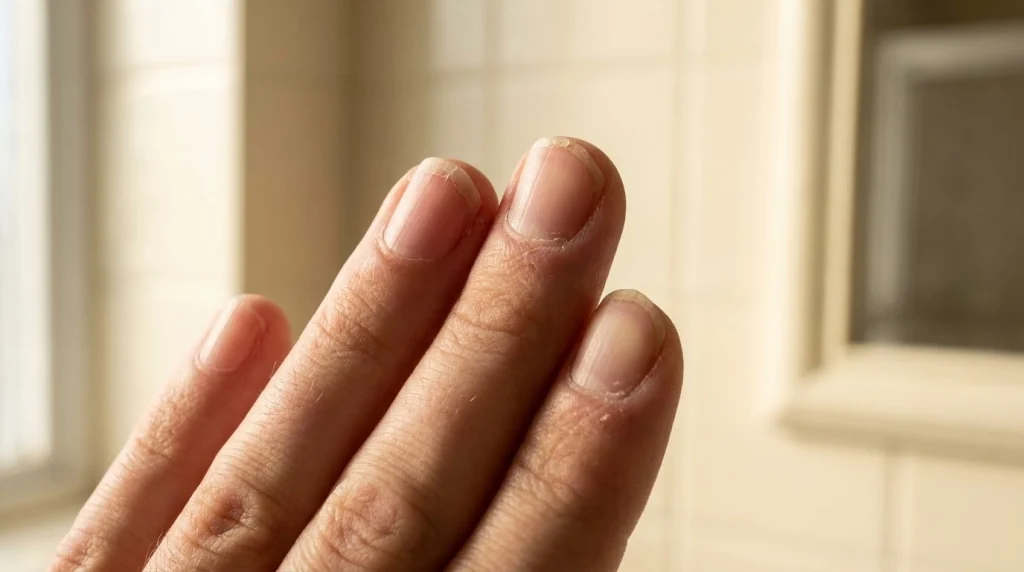
Before choosing a treatment, take a close look at your natural nails. Different types of damage need slightly different approaches.
Here are common signs that your nails need extra attention:
- Peeling layers: Thin sections separate near the nail tips, sometimes after repeated water exposure or manicure removal.
- Brittle nails: Your nails snap, chip, or crack during ordinary activities.
- Soft, bendy nails: The nail plate feels thinner or more flexible than usual, particularly after aggressive filing.
- Rough surfaces: You notice scratches, ridges, or uneven texture following removal of gel or acrylic products.
- Dry cuticles: The surrounding skin feels tight, flaky, or uncomfortable.
- Repeated splitting: Small cracks appear at the nail edges before your nails reach your preferred length.
- White surface patches: Chalky spots may appear after mechanical damage, although other conditions can look similar.
These changes don’t automatically indicate a medical problem. However, damage that develops without an obvious reason, affects multiple nails, or continues worsening deserves professional assessment.
Warning
Seek medical advice if you notice increasing pain, swelling, pus, significant nail lifting, unexplained dark streaks, or unusual discoloration. Cosmetic treatments should not be used to cover possible infections or injuries involving the nail bed.
Why Do Nails Become Weak, Brittle, or Damaged?
Your nails are made primarily of keratin, a structural protein. The visible nail plate consists of hardened cells that cannot regenerate after being damaged.
New nail develops beneath the skin at the nail matrix and gradually moves forward. This explains why recovery depends on protecting existing nails while healthier new nail grows.
1. Repeated Gel and Acrylic Manicures
Gel and acrylic products don’t automatically destroy healthy nails. The problem often comes from excessive filing, forceful removal, adhesives, and repeated exposure to irritating chemicals.
Peeling off an attached enhancement may pull away superficial layers of your natural nail, leaving it noticeably thinner.
If this sounds familiar, follow our detailed guide to caring for brittle nails after gel or acrylic removal.
2. Frequent Water Exposure
Your nails absorb water and expand slightly when wet. Repeated wetting and drying can contribute to splitting and peeling, especially when your nails are already fragile.
Washing dishes without gloves, frequent cleaning, and prolonged exposure to moisture may make the problem worse.
3. Aggressive Filing and Buffing
Filing too deeply into the nail surface removes protective material. Repeated buffing may make nails look smooth temporarily, but it can also leave them thinner and more vulnerable to damage.
4. Harsh Nail Products
Frequent use of polish removers, certain adhesives, and strong chemical cleaners can contribute to dryness or irritation.
Some people also develop allergic reactions to ingredients used in gel and acrylic nail systems.
5. Nail Biting and Picking
Biting your nails or pulling peeling layers can create cracks and damage the surrounding skin.
Repeated trauma near the base of your nail can sometimes interfere with normal nail growth.
6. Underlying Health Conditions
Not every nail problem comes from a manicure. Skin conditions, infections, nutritional deficiencies, and certain medical conditions can change nail texture or appearance.
If your nails have changed suddenly or remain abnormal despite gentle care, ask a healthcare professional about possible underlying causes.
How Do You Repair and Recover Damaged Nails Safely?
Your recovery plan should focus on three goals: minimizing breakage, reducing irritation, and allowing healthier nails to grow.
Start with these practical methods.
Method 1: Shorten Fragile Nails
Best for: Nails that split, catch on clothing, or break before reaching your desired length.
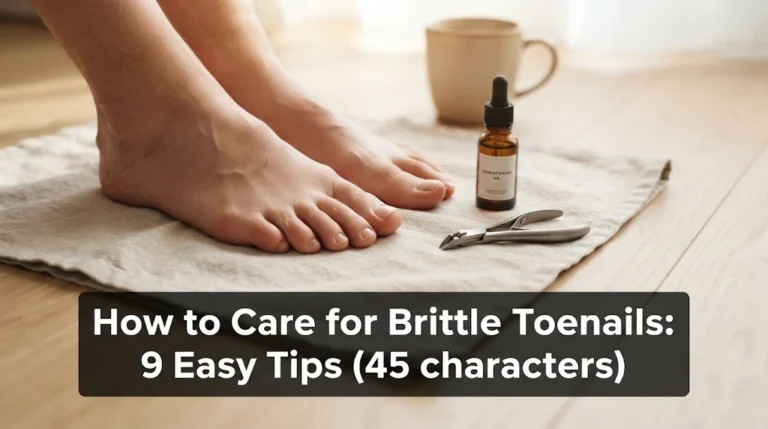
Keeping your nails comfortably short reduces leverage on weakened sections. Trim only the free edge and gently smooth any rough corners.
A short, softly rounded shape is often easier to maintain during recovery than long, pointed extensions.
Benefits: Fewer accidental snags, easier maintenance, and less stress on weakened tips.
Limitation: Trimming protects damaged nails but cannot rebuild layers that have already been removed.
Method 2: Moisturize Your Nails Every Day
Best for: Dry, brittle nails and flaky skin around your cuticles.
Apply a fragrance-free hand cream after washing your hands. Massage a small amount across each nail and the surrounding skin.
At bedtime, apply petroleum jelly or a rich moisturizer around your nail folds to help reduce moisture loss.
A cuticle oil containing jojoba oil can also make dry nail surfaces and surrounding skin feel more conditioned.
Benefits: Less dryness, improved comfort, and more flexible nail edges.
Limitation: Moisturizers cannot permanently repair deep cracks or replace lost nail layers.
Method 3: Take a Break From Artificial Enhancements
Best for: Thin, peeling, or tender nails following gel, dip powder, or acrylic removal.
Consider leaving your nails bare for one to two weeks initially, or longer if thinning and peeling remain noticeable.
A break reduces repeated exposure to filing, adhesives, and removal chemicals. It also gives you the opportunity to examine the natural nail for unexpected changes.
Benefits: Less repeated trauma and more opportunity for consistent moisturizing.
Limitation: A short break won’t replace already damaged sections; those must gradually grow out.
Method 4: Protect Your Nails During Household Tasks
Best for: Nails weakened by frequent dishwashing, cleaning, or exposure to detergents.
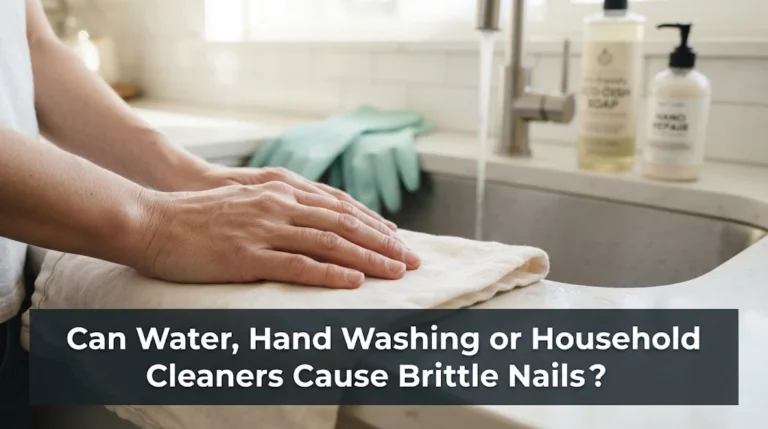
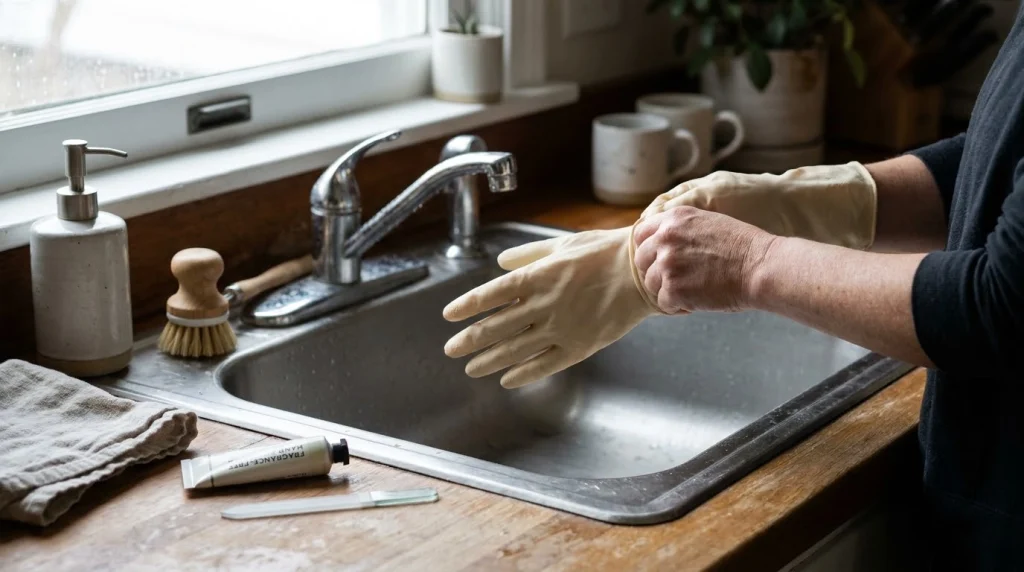
Wear waterproof household gloves when handling cleaning products or spending extended periods in water.
If gloves become damp or sweaty inside, remove them, dry your hands, and change to a dry pair.
Benefits: Less repetitive water exposure and reduced contact with irritating cleaners.
Limitation: Gloves work only when used consistently and kept reasonably dry inside.
Method 5: Avoid Unnecessary Nail Hardeners
Best for: People whose nails feel especially rigid, brittle, or prone to snapping.
A hardener may temporarily change how a nail feels, but making a fragile nail very rigid isn’t always helpful. Some formulas can irritate the surrounding skin or increase brittleness.
For already thin nails, prioritize trimming, hydration, and protection rather than repeatedly applying strong hardening treatments.
Benefits: Avoiding inappropriate products reduces unnecessary irritation and repeated product removal.
Limitation: There is no topical product that instantly restores the original thickness of an overfiled nail.
What Daily Routine Helps Damaged Nails Recover?
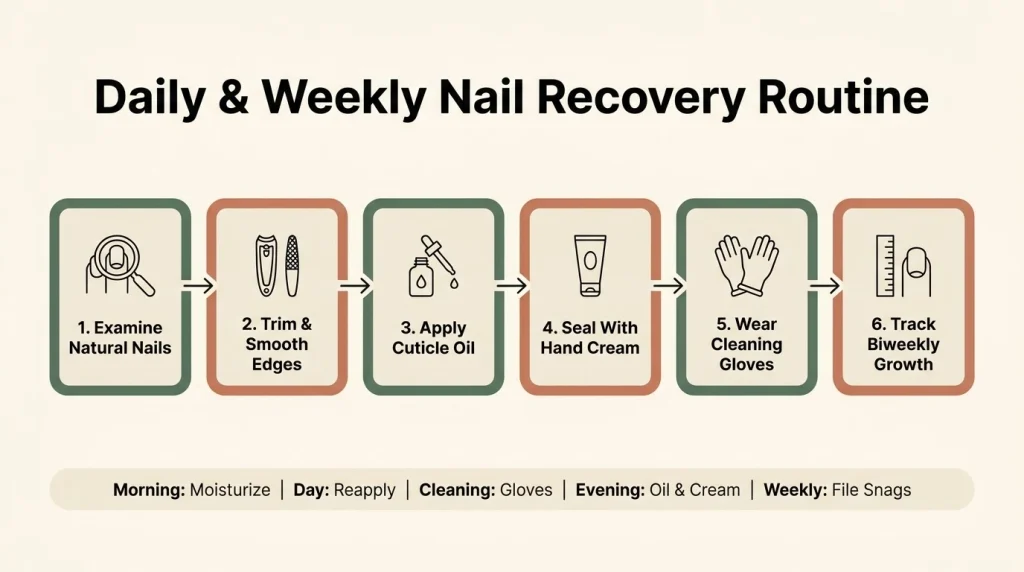
You don’t need to spend an hour on nail care. A simple, repeatable routine is usually more useful than occasional intensive treatments.
Your Simple Nail Recovery Plan
- Morning: Apply moisturizer to your hands, nail plates, and cuticles.
- During the day: Reapply after handwashing when possible.
- Before cleaning: Put on protective gloves.
- Evening: Apply cuticle oil or a rich moisturizing product.
- Weekly: Check for snags and gently file only the free edges if needed.
Step 1: Examine Your Natural Nails
Check for peeling tips, surface scratches, and unusual color changes. Look carefully at any nail that seems to be separating from the skin beneath it.
Only continue home care when the issue appears minor and there are no signs of infection or significant injury.
Common mistake: Assuming every discoloration is ordinary manicure damage without checking for other symptoms.
Step 2: Trim and Smooth the Edges
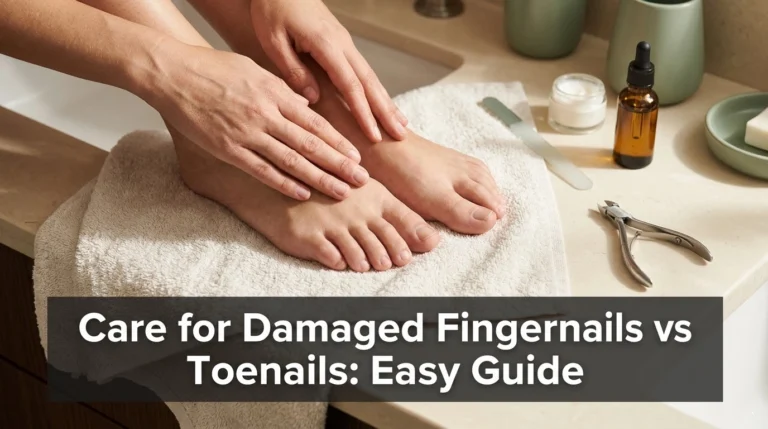
Use clean nail clippers to shorten vulnerable tips. Follow with a fine nail file to remove any sharp corners that could catch on fabric.
Keep filing gentle and concentrate on the free edge rather than the nail surface.
Common mistake: Buffing the entire nail plate to eliminate every visible rough patch.
Step 3: Apply Cuticle Oil
Place a small drop of oil near each nail and massage it over the nail plate and surrounding skin.
This is particularly useful after washing your hands or when the skin around your nails feels dry.
Common mistake: Expecting oil to bond peeling nail layers back together permanently.
Step 4: Seal in Moisture With Hand Cream
Choose a moisturizing cream containing ingredients such as glycerin or petrolatum. Massage it over your fingertips, cuticles, and hands.
For additional overnight care, use a thicker layer before bed.
Common mistake: Moisturizing only the palms while forgetting the fingertips and nail folds.
Step 5: Protect Your Hands From Irritants
Use gloves while washing dishes, cleaning bathrooms, or handling detergents. Avoid using your fingernails to scrape labels or pry open packaging.
These simple protective habits can reduce repeated mechanical stress during the recovery period.
Common mistake: Wearing wet gloves for prolonged periods, which can irritate the surrounding skin.
Step 6: Track Progress Without Over-Treating
Look at the new nail growing near your cuticles every couple of weeks. Gradual improvement should appear as the damaged area moves toward the tip.
Resist the temptation to constantly change products or test nail strength by bending the tips.
Common mistake: Assuming a nail has failed to recover because visible damage remains after only a few days.
How Long Does It Take for Damaged Nails to Recover?
Recovery depends on the cause, severity, and location of the damage.
Fingernails typically grow around 2.5 to 3 millimeters each month. Completely replacing a fingernail often takes approximately four to six months, sometimes longer.
Here’s a practical way to understand your progress:
- First few days: Trimming and filing snags can immediately make nails easier to manage.
- One to two weeks: Consistent moisturizing may reduce visible dryness and improve comfort.
- Four to eight weeks: New nail growth may become more noticeable near the cuticles.
- Three to six months: Much of the previously damaged nail may grow toward the free edge or be replaced.
- Longer recovery: Deep injuries involving the nail matrix may take longer and can occasionally leave lasting changes.
Remember that these are approximate timelines, not guaranteed results. The goal is to prevent new damage while the nail continues growing.
If you’re looking for a broader maintenance routine after the damaged sections grow out, explore our guide on how to strengthen nails with gentle daily habits.
What Should You Do and Avoid During Nail Recovery?
Do
- Keep nails comfortably short.
- Apply moisturizer regularly.
- Wear gloves for cleaning.
- File small snags gently.
- Use clean manicure tools.
- Watch for unusual changes.
Don’t
- Peel off attached gel.
- Over-buff fragile nails.
- Bite or pick nail layers.
- Cut protective cuticles.
- Cover a suspected infection.
- Expect overnight regrowth.
Which Products Help Protect Damaged Nails?
Most nail recovery routines need only a few inexpensive essentials. Choose products that address specific problems rather than buying every treatment marketed for nail growth.
Disclosure: As an Amazon Associate, we earn from qualifying purchases.
1. Fine Glass Nail File
Recommended Product
Fine Glass Nail File for Natural Nails
A fine glass file can help you smooth minor snags without aggressively scraping the nail surface. It’s particularly practical when maintaining short, fragile nails.
As an Amazon Associate, we earn from qualifying purchases.
2. Jojoba-Based Cuticle Oil
Recommended Product
Jojoba Cuticle Oil
Jojoba-based cuticle oil is useful for conditioning dry nail surfaces and the surrounding skin. Choose a simple formula if fragrance tends to irritate your hands.
As an Amazon Associate, we earn from qualifying purchases.
3. Fragrance-Free Moisturizing Hand Cream
Recommended Product
Fragrance-Free Hand Cream for Dry Skin
A cream containing glycerin, petrolatum, or other moisturizing ingredients can help reduce dryness around your nails and support a more comfortable daily care routine.
As an Amazon Associate, we earn from qualifying purchases.
4. Protective Household Gloves
A comfortable pair of waterproof cleaning gloves is another useful addition to your routine, particularly if you wash dishes frequently.
Look for gloves that fit securely without restricting movement. Cotton-lined designs can be more comfortable during longer chores, but make sure the lining stays dry.
You can explore cotton-lined household cleaning gloves on Amazon.
What If Your Nails Are Still Peeling, Splitting, or Breaking?
Sometimes the problem continues even after you begin a recovery routine. Focus on identifying the cause rather than repeatedly applying new products.
Problem: Your nails keep peeling at the tips
Immediate fix: Shorten loose edges carefully and moisturize your nails regularly.
Prevention: Reduce prolonged water exposure, avoid picking at peeling layers, and protect nails during household chores.
Problem: Your nails feel thin after acrylic removal
Immediate fix: Keep nails short and avoid additional buffing, filing of the surface, or new extensions.
Prevention: Choose appropriate removal methods and request minimal natural-nail filing during future manicures.
Problem: A nail keeps cracking in the same place
Immediate fix: If the crack is limited to the free edge, gently shorten and smooth it. Seek medical advice for cracks involving attached tissue, bleeding, or pain.
Prevention: Avoid mechanical stress and monitor whether new nail develops normally.
Problem: Your cuticles are dry and irritated
Immediate fix: Apply fragrance-free moisturizer and stop using products that cause burning or itching.
Prevention: Avoid cutting the cuticles, picking at hangnails, and exposing your skin to irritating manicure chemicals.
For repeated cracks and splits, our detailed guide to splitting and cracked nails explains additional causes and protective strategies.
Can You Prevent Nail Damage From Happening Again?
Once your nails become stronger, prevention is the best way to maintain your progress.
You don’t necessarily need to stop wearing nail polish or enjoying nail art. Instead, pay attention to the practices that put unnecessary stress on your natural nails.
Choose Gentle Manicure Preparation
Ask your nail technician to avoid excessive natural-nail filing and aggressive cuticle removal.
Healthy cuticles help protect the area where new nails develop. Cutting or repeatedly pushing them back can increase the risk of irritation and infection.
Never Forcefully Remove Gel or Acrylic
Different nail systems require different removal techniques. Some soak-off products can be removed with the appropriate acetone procedure, while hard gels may require careful professional filing.
If a product doesn’t release easily, don’t scrape or pry it away.
Protect Your Hands During Gel Manicures
When using a curing lamp, protect exposed hand skin with appropriate UV-protective gloves or broad-spectrum, water-resistant SPF 30 or higher sunscreen.
Remember that LED curing lamps can also emit ultraviolet radiation.
Eat a Balanced Diet
Your body needs adequate protein and essential nutrients to support normal nail growth.
Focus on varied meals containing protein-rich foods, vegetables, fruits, and other nutrient sources rather than depending on unproven nail-growth supplements.
Don’t start high-dose biotin or other supplements simply because your nails are weak. Discuss persistent nail problems with a healthcare professional, especially if you suspect a deficiency.
Recognize When Your Nails Need Professional Care
Persistent nail lifting, discoloration, thickening, unusual growth, or pain may require medical evaluation.
A dermatologist can help distinguish ordinary cosmetic damage from infections, inflammatory conditions, or other nail disorders.
For more everyday prevention strategies, see our guide on how to protect your nails from common damage.
Frequently Asked Questions About Damaged Nail Recovery
Q: Can severely damaged nails grow back healthy?
A: Many damaged nails can eventually be replaced by healthy new growth if the nail matrix remains healthy. Severe injuries involving the growth area may cause persistent changes, so significant damage should be evaluated professionally.
Q: Does cuticle oil repair damaged nails?
A: Cuticle oil helps condition the nail surface and surrounding skin, but it cannot permanently rebuild removed nail layers. Its main benefit is reducing dryness while your nails grow out.
Q: Should I put gel polish over damaged nails?
A: It’s generally better to avoid gel polish over thin, painful, peeling, or suspiciously discolored nails. Additional preparation and removal can cause further damage or conceal an underlying problem.
Q: How can I make damaged nails stronger naturally?
A: Keep your nails short, moisturize regularly, wear gloves during wet chores, and avoid picking or aggressive filing. These habits help protect existing nails as healthier new nail develops.
Q: How long should I stop getting acrylic nails?
A: A break of several weeks may help you stop repeated damage, but visibly thinned nails can require months to grow out. Avoid new enhancements while your nails remain fragile, painful, or abnormal.
Final Thoughts: Give Your Nails Time to Recover
Learning how to repair and recover damaged nails isn’t about finding one miracle product. It’s about protecting fragile nails, moisturizing consistently, and allowing healthier new growth to replace the damaged sections.
Start with short nails, gentle daily care, and fewer damaging manicure habits. Small changes made consistently can help prevent repeated breakage.
Save this guide to your Pinterest nail care board so you can revisit your recovery routine whenever your nails need extra attention.

Hi, I’m Jessica, the creator behind Unique Lash & Nails Katy.
I created this website for anyone who loves beautiful nails as much as I do. Here, I share trendy nail designs, seasonal manicure ideas, easy nail care tips, honest product recommendations, and step-by-step guides to help you create salon-worthy nails at home. Whether you’re looking for everyday inspiration or your next favorite nail trend, I hope you’ll find something you love.