Is Vaseline Good for Nails? Benefits, Uses & Overnight Tips
Quick Answer
Yes, putting Vaseline on your nails can be good for dry, brittle nails and rough cuticles because petroleum jelly creates a protective barrier that slows moisture loss. It works best when you apply a thin layer after washing or moisturizing your hands. Vaseline can make the nail area feel softer and help reduce dryness-related chipping, but it cannot rebuild damaged nail layers, cure an infection, or dramatically speed up nail growth.
If your nails feel dry no matter how much hand cream you use, the answer may not be adding another complicated treatment. A tiny amount of Vaseline can be surprisingly useful.
Vaseline is especially helpful when your fingertips, cuticles, and the skin around your nails lose moisture from frequent handwashing, acetone, cold weather, cleaning products, or repeated manicures.
The key is understanding what petroleum jelly actually does. It doesn’t magically feed your nails or repair damage overnight. Instead, it helps you hold onto moisture that’s already there.


What Does Vaseline Actually Do for Your Nails?
Vaseline is a petroleum jelly-based occlusive. An occlusive forms a protective layer over the surface where you apply it, slowing down the amount of moisture that escapes.
Think of it as a seal rather than a glass of water. Vaseline doesn’t hydrate a completely dry nail by adding water on its own. That’s why it works especially well when you apply it after washing your hands, using hand cream, or moisturizing your cuticles.
Your nail routine matters too. If you’re repeatedly exposing your hands to water, acetone, harsh cleaners, or aggressive manicure removal, even a good moisturizer has a harder job. A simple routine built around moisture and protection can make a bigger difference than constantly switching products. If you want a complete maintenance system, follow this healthy nail care routine.
What Are the Benefits of Putting Vaseline on Your Nails?
 Save
SaveThe biggest benefits are related to moisture retention and protection rather than faster biological nail growth.
1. It Helps Dry Cuticles Feel Softer
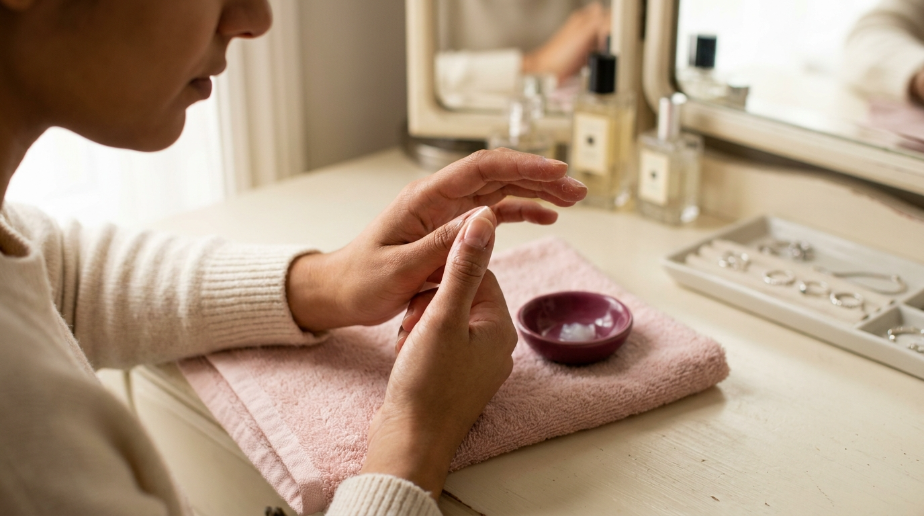
Dry cuticles can become rough, flaky, and tempting to pick. Applying a small amount of Vaseline over slightly damp skin helps trap moisture around the nail folds, which can make the area feel softer and more comfortable.
This is particularly useful at night because you’re less likely to wash the product away immediately.
2. It Can Help Reduce Dryness-Related Brittleness
Very dry nails may feel rigid and can chip or split more easily when they hit something. Keeping the nail and surrounding skin moisturized helps maintain a more conditioned surface.
Vaseline isn’t a nail hardener. In fact, the goal isn’t necessarily to make your nails harder. A nail that is extremely dry and rigid can still break. Moisture and gentle handling are often more useful than constantly applying strengthening products.
3. It Protects the Skin Around Your Nails
If the skin beside your nails becomes dry after washing dishes, sanitizing your hands, or removing polish, petroleum jelly can create a temporary barrier over that vulnerable area.
That makes it a useful finishing step after hand cream, especially during winter or whenever your hands are being washed repeatedly.
4. It Can Make Rough Nail Edges Look More Conditioned
Petroleum jelly creates a smoother-looking surface temporarily, so dry nails often appear healthier immediately after application.
Just remember that this visual improvement isn’t the same as repairing damaged nail tissue. If your nails have been thinned by peeling gel, excessive buffing, or acrylic removal, the damaged portion generally needs to grow toward the tip before you can trim it away.
If you’re already dealing with peeling or over-filed nails, use this damaged nail recovery guide alongside your moisturizing routine.
5. It’s Easy to Use Consistently
A nail-care product only helps if you actually use it. Vaseline is inexpensive, requires no complicated technique, and takes less than a minute to massage around your fingertips.
That simplicity makes it easy to turn into a nightly habit.
Can Vaseline Actually Heal Damaged Nails?
Vaseline can support a dry nail while it grows, but it cannot glue damaged nail layers back together.
If part of your visible nail plate has peeled, cracked, or been filed too thin, applying petroleum jelly won’t recreate the missing material. What it can do is keep the nail area from becoming unnecessarily dry while you protect the weak section and wait for healthier nail to grow forward.
Warning
Don’t use Vaseline as a substitute for medical treatment if a nail is painful, swollen, producing pus, significantly separating from the nail bed, or developing unexplained persistent discoloration. Those changes need proper evaluation rather than another cosmetic moisturizer.
If you’re wondering whether the nail itself can return to normal, this guide explains how damaged nails grow back and what affects recovery.
Does Vaseline Make Your Nails Grow Faster?
Not directly.
Your nail grows from the matrix underneath the skin near the base of the nail. Putting petroleum jelly on the visible nail plate doesn’t suddenly tell that growth center to work twice as fast.
Vaseline may still help your nails look like they’re growing better because moisturized, protected nails may experience less dryness-related splitting and breakage. Keeping more of the length you already grow can make a noticeable difference over several weeks.
That’s an important distinction. You’re supporting length retention rather than creating miracle-speed growth.
For a complete growth-focused routine, see what actually helps nails grow and retain length.
What’s the Best Way to Put Vaseline on Your Nails?
You don’t need to cover your hands in a thick layer. A small amount is enough.
Method 1: The 60-Second Nighttime Routine
- Wash your hands with lukewarm water and dry them until they’re still slightly comfortable and hydrated rather than completely parched.
- Apply your normal hand cream or cuticle oil if you use one.
- Take a tiny amount of Vaseline and massage it over each nail, cuticle, and sidewall.
- Leave it on overnight.
This method works well because petroleum jelly sits over the moisture you’ve already added instead of being applied to extremely dry skin by itself.
Pro Tip
Keep your petroleum jelly beside your toothbrush or phone charger. Pairing nail care with something you already do every night makes consistency much easier than relying on memory.
Method 2: Vaseline Over Cuticle Oil
If your cuticles are especially dry, massage in a small amount of cuticle oil first. Give it a minute to spread across the nail folds, then add a thin layer of petroleum jelly over the top.
The oil conditions the area while the petroleum jelly helps slow moisture loss.
You don’t need five different oils at once. A simple jojoba-based cuticle oil plus an occlusive layer is enough for most everyday dryness.
Method 3: Overnight Nail Slugging
For very dry hands, apply hand cream generously, massage Vaseline around the nails and fingertips, then wear clean cotton moisturizing gloves overnight.
This is a more intensive option, so you probably won’t need it every night. Try it occasionally when your hands feel especially dry from winter weather, cleaning, travel, or repeated washing.
How Often Should You Put Vaseline on Your Nails?
For mild dryness, once before bed is a practical starting point.
If you’re washing your hands frequently or your cuticles become dry throughout the day, you can reapply a very small amount when needed. You don’t need a thick coating every few hours.
Consistency matters more than quantity. A tiny nightly application for several weeks is more useful than covering your hands once and forgetting about nail care afterward.
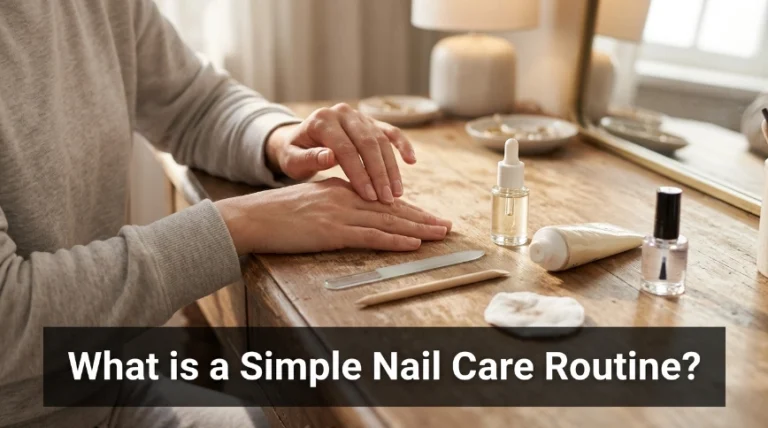
If you want to build Vaseline into a complete weekly routine, this simple nail care routine for beginners shows how moisturizing fits alongside filing, cuticle care, and basic maintenance.
Who Benefits Most From Using Vaseline on Their Nails?
Vaseline makes the most sense if you regularly deal with:
- Dry or flaky cuticles.
- Rough skin around your nails.
- Brittle-feeling nails after polish removal.
- Frequent handwashing.
- Cold or dry weather.
- Dryness after using hand sanitizer.
- Nails that chip when the surrounding skin becomes very dry.
- Post-manicure dryness when the natural nail isn’t injured or infected.
It can also be useful if you want a very simple nighttime nail-care product instead of buying several separate treatments.
What Should You Do and Avoid When Using Vaseline for Nails?
Do
- +Apply it after moisturizing or washing.
- +Massage a thin layer around the cuticles.
- +Protect your hands with gloves during wet chores.
Don’t
- −Expect it to rebuild peeled nail layers.
- −Use it as treatment for a suspected infection.
- −Keep cutting or aggressively pushing dry cuticles.
Which Products Work Well With a Vaseline Nail Routine?
 Save
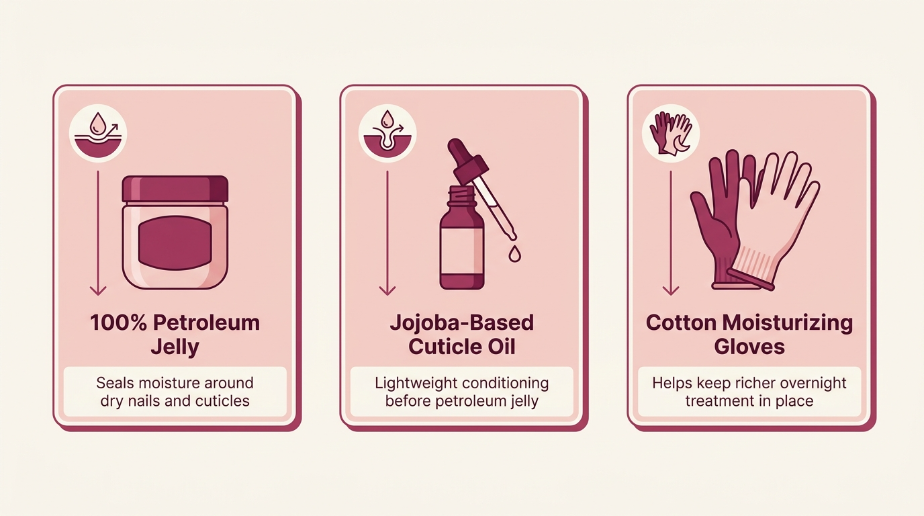
SaveYou don’t need a crowded shelf. Three inexpensive basics cover most of what you need for moisture and protection.
Recommended Product
100% Petroleum Jelly
A plain petroleum jelly is all you need to create the moisture-sealing layer around dry nails and cuticles.
As an Amazon Associate, we earn from qualifying purchases.
Recommended Product
Jojoba-Based Cuticle Oil
Cuticle oil gives you a lightweight conditioning step before petroleum jelly seals the area overnight.
As an Amazon Associate, we earn from qualifying purchases.
Recommended Product
Cotton Moisturizing Gloves
Soft cotton gloves keep a richer nighttime hand-and-nail treatment from rubbing directly onto your bedding.
As an Amazon Associate, we earn from qualifying purchases.
What Pro Tips Make Vaseline Work Better for Your Nails?
Pro Tip
Apply petroleum jelly after your evening shower or handwashing instead of waiting until your cuticles already feel painfully dry. Sealing in moisture early is easier than trying to rescue severely dehydrated skin later.
Pro Tip
Massage the product around the sides of each nail instead of concentrating only on the center of the nail plate. That’s where dry skin, hangnails, and rough cuticle edges often become most noticeable.
Pro Tip
If you’re preparing to apply polish, remove oily residue from the nail plate first. Petroleum jelly left on the surface can interfere with how well polish adheres, so save your richer application for after your manicure or before bed.
When Is Vaseline Not Enough for Your Nails?
Dryness usually responds to gentle moisturizing and protection, but not every nail problem is caused by dryness.
Pay attention when a nail becomes painful, increasingly swollen, thick and crumbly, significantly lifted, or persistently discolored. Those changes shouldn’t be covered up and treated as an ordinary cosmetic issue.
You should also rethink your routine if your nails repeatedly peel after removing gel or acrylic. Adding Vaseline can help with dryness, but continuing to scrape, peel, drill, or over-buff the nail will keep creating new damage.
Moisture works best when you also remove the habit that’s causing the problem.
Frequently Asked Questions About Putting Vaseline on Your Nails
Q: Is it good to put Vaseline on your nails every night?
A: Yes, if your nails and cuticles are dry, a thin nightly layer can be a simple way to reduce moisture loss. Apply it after hand cream, cuticle oil, or washing so you’re sealing in existing moisture rather than relying on petroleum jelly alone.
Q: Does Vaseline strengthen weak nails?
A: Vaseline isn’t a nail strengthener in the traditional sense. Its main benefit is helping dry nails and surrounding skin retain moisture, which may reduce the brittleness and roughness that can contribute to chipping.
Q: Can Vaseline make nails grow overnight?
A: No. Your nails grow gradually from the nail matrix, and petroleum jelly doesn’t dramatically increase that biological growth rate. Its value is protecting moisture and helping you maintain the nail length you’re already growing.
Q: Is Vaseline or cuticle oil better for nails?
A: You don’t necessarily have to choose. Cuticle oil provides a lightweight conditioning step, while petroleum jelly works well as a thicker final layer. For very dry cuticles, using oil first and a tiny amount of Vaseline afterward is a practical combination.
Q: Can I put Vaseline on my nails after removing gel polish?
A: Yes, petroleum jelly can help with dryness after gel removal. However, if you’ve peeled or filed away layers of the natural nail, Vaseline can’t replace that missing material. Keep the nails protected and allow the damaged area to grow out.
So, Is Putting Vaseline on Your Nails Worth It?
Yes—especially if dry nails, flaky cuticles, or rough skin around your fingertips are your main problem. Use Vaseline as a moisture-sealing step rather than a miracle nail treatment: moisturize first, apply a thin layer around your nails, and give the routine time to work.
Keep your expectations realistic, protect your nails from repeated damage, and save this guide to Pinterest so your simple nighttime nail routine is always easy to find.

Hi, I’m Jessica, the creator behind Unique Lash & Nails Katy.
I created this website for anyone who loves beautiful nails as much as I do. Here, I share trendy nail designs, seasonal manicure ideas, easy nail care tips, honest product recommendations, and step-by-step guides to help you create salon-worthy nails at home. Whether you’re looking for everyday inspiration or your next favorite nail trend, I hope you’ll find something you love.