How to Protect Nails From Excessive Manicures
Quick Answer
To protect nails from excessive manicures, avoid aggressive filing and buffing, never peel off gel or acrylic products, moisturize your cuticles daily, and choose gentle application and removal methods. Inspect your natural nails between appointments and pause enhancements if you notice thinning, soreness, or peeling. These habits help prevent repeated damage while allowing you to enjoy beautiful manicures.
Time Needed
5–10 Minutes Daily
Difficulty
Beginner
Items Needed
4–5 Basic Products
Results
Ongoing Protection
You love fresh manicures, gorgeous gel colors, and Pinterest-inspired nail designs. But when your nails start peeling, bending, or feeling unusually thin, you may wonder whether frequent salon visits are doing more harm than good.
The good news? You don’t necessarily have to give up manicures. Learning how to protect nails from excessive manicures helps you enjoy nail art while reducing preventable damage.
This guide explains exactly what to change before, during, and after your appointments so your natural nails stay as healthy as possible.


Can Excessive Manicures Damage Your Natural Nails?
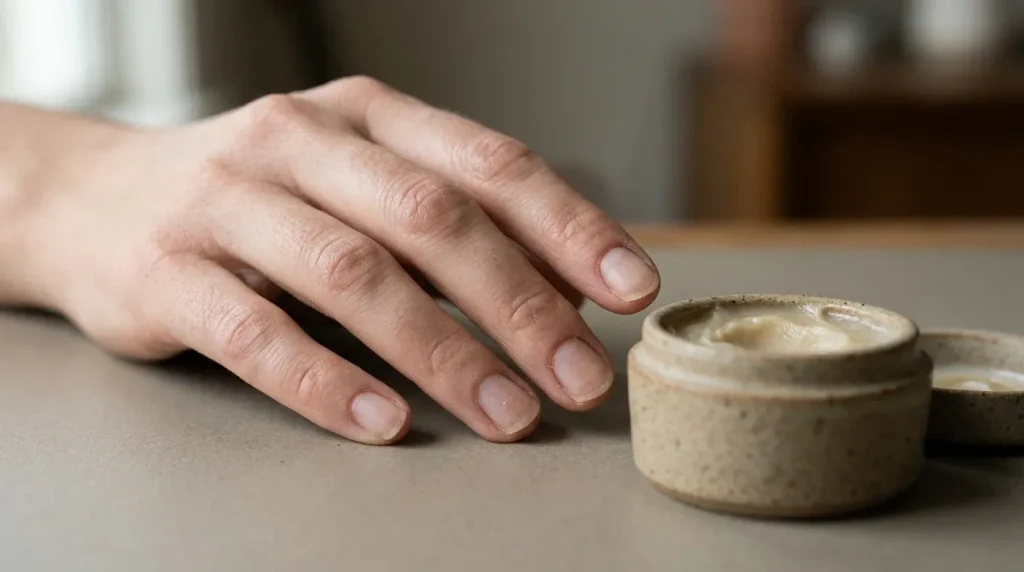
Yes. Frequent manicures can damage natural nails, particularly when they involve repeated surface filing, aggressive cuticle work, harsh removal techniques, or picking off nail enhancements.
Your nail plate consists primarily of hardened keratin. Although it appears solid, its layers can become thinner or separate when exposed to repeated physical trauma.
Gel polish, acrylics, and dip powder aren’t automatically damaging for everyone. The application and removal techniques often make the biggest difference.
Common sources of manicure-related damage include:
- Over-filing: Removing too much natural nail material weakens the nail plate.
- Peeling gel polish: Pulling off coatings can remove superficial nail layers.
- Aggressive acrylic removal: Prying enhancements away can cause splitting and painful lifting.
- Excessive buffing: Repeatedly smoothing the surface gradually reduces nail thickness.
- Cuticle cutting: Damaging protective skin around the nail increases irritation and infection risks.
- Product reactions: Certain nail adhesives and acrylates can cause allergic contact dermatitis.
Damage is often cumulative. One properly performed manicure may cause little trouble, while repeated rough preparation and removal can gradually leave your nails fragile.
If your nails already show damage, follow this guide to repairing a damaged nail at home for practical recovery advice.
What Do You Need to Protect Your Nails Between Manicures?
You don’t need an expensive collection of treatments. A handful of useful products can support your natural nails between appointments.
- Jojoba-based cuticle oil: Helps condition dry nails and surrounding skin.
- Fragrance-free hand cream: Reduces dryness after frequent handwashing.
- Fine-grit or glass nail file: Smooths rough edges without aggressive filing.
- Protective household gloves: Reduce contact with cleaning chemicals and prolonged water exposure.
- Gentle nail polish remover: Removes compatible traditional polish without scraping.
Keep these products somewhere convenient. A cuticle oil beside your bed and hand cream near your sink make a consistent routine much easier.
How to Protect Nails From Excessive Manicures Step by Step
The safest approach combines smarter salon decisions with gentle maintenance at home. Follow these steps to reduce repeated nail trauma.
1. Inspect Your Natural Nails Before Each Appointment
Remove old products safely and look closely at your nails. Check for splitting, unusual thinning, painful areas, or lifting from the nail bed.
If your nails feel sore or look damaged, postpone enhancements and focus on gentle care. Covering a damaged nail makes it harder to monitor changes.
Common mistake: Applying a fresh acrylic or gel set immediately to hide peeling, thinning, or soreness.
2. Request Gentle Filing and Nail Preparation
Ask your nail technician to minimize filing on your natural nail plate. Removing excess nail material can leave your nails flexible, sensitive, and vulnerable to peeling.
Some manicure systems require surface preparation, but it should never feel painful or produce excessive heat.
Common mistake: Assuming intense drilling or substantial thinning is necessary for a long-lasting manicure.
3. Stop Cutting Your Cuticles Aggressively
Your cuticle helps protect the area where new nails grow. Cutting healthy tissue or repeatedly pushing it back aggressively can cause small injuries.
Instead, moisturize the cuticle area and carefully trim only loose hangnails with clean tools when necessary.
Common mistake: Removing healthy skin around the nail because perfectly bare cuticles appear cleaner in manicure photos.
4. Remove Gel, Dip, and Acrylic Products Correctly
Never peel or pry enhancements from your natural nails. Follow the manufacturer’s recommended removal method or visit a qualified nail technician.
Soak-off products may require acetone, while certain hard gels need professional filing. If a coating resists removal, don’t scrape harder.
Common mistake: Picking at lifted polish because it seems faster than proper removal.
5. Moisturize Your Nails and Cuticles Every Day
Massage a small drop of cuticle oil around each nail once or twice daily. Follow with hand cream, especially after washing your hands.
Consistent moisturizing helps reduce dryness and keeps the surrounding skin comfortable. It won’t rebuild nail layers already filed away.
Common mistake: Using cuticle oil only immediately after a salon appointment.
6. Choose Shorter, More Practical Nail Lengths
Long enhancements can create additional leverage when they catch on clothing or hit hard surfaces. Shorter lengths generally make everyday activities easier to manage.
If your natural nails are already weak, try a short oval, round, or softly squared shape until the damaged areas grow out.
Common mistake: Keeping very long enhancements on thinning nails despite repeated snags or painful pressure.
7. Protect Your Hands During Household Chores
Wear protective gloves when washing dishes, cleaning bathrooms, or handling household chemicals. Repeated wetting and drying can worsen peeling in already fragile nails.
Dry your hands thoroughly afterward and apply hand cream. Keep your nails away from harsh scrubbing and unnecessary chemical exposure.
Common mistake: Protecting your nails at the salon but exposing them to strong cleaning products without gloves every day.
8. Take a Recovery Break When Your Nails Need One
If your nails become thin, sensitive, or severely peeling, pause additional enhancements. Keep them short, moisturized, and protected while new nail grows.
Healthy nails don’t require routine breaks simply to breathe. A recovery period helps because it removes repeated filing, adhesive exposure, and removal trauma.
Common mistake: Expecting a few polish-free days to completely restore nail layers that were physically removed.
Which Manicure Habits Are Most Likely to Cause Damage?
Some salon habits deserve extra attention because they expose your natural nails to unnecessary stress.
Repeated Electric Filing
Electric files can be useful in trained hands, but excessive contact with your natural nail plate can remove important layers. Ask your technician to explain which areas need filing and why.
Picking at Lifting Gel Polish
When gel begins lifting near the edge, water and debris may enter the gap. Picking at the coating can also pull off nail layers. Arrange appropriate removal instead of peeling it yourself.
Frequent Acrylic Replacement
Completely removing and rebuilding acrylic sets unnecessarily can increase exposure to filing and removal procedures. Discuss whether safe maintenance is possible for your particular nail condition.
Repeated Skin Cutting
Cutting deeply around the nail folds can produce inflammation, soreness, and infection. A neat manicure shouldn’t require damaging healthy skin.
Warning
Stop a manicure immediately if you experience significant pain, burning, bleeding, or intense heat from filing. Itching, blistering, or a rash around gel or acrylic products may indicate an allergy. Seek medical evaluation for persistent symptoms, pus, spreading redness, or nail lifting rather than hiding the problem under another manicure.
How Can You Tell When Your Nails Need a Manicure Break?
Your natural nails give you clues when repeated treatments become too aggressive.
- Your nails bend much more easily than usual.
- The surface appears thin, rough, or excessively scratched.
- Layers peel away near the free edge.
- Your nails feel sensitive during normal activities.
- White surface patches appear after removing enhancements.
- Your cuticle area stays red or irritated.
- Several nails break repeatedly despite being kept short.
Not every nail change comes from manicures. Infection, skin conditions, nutritional problems, and other medical factors can produce similar symptoms.
If your nails don’t improve or the cause isn’t obvious, consider professional assessment rather than assuming cosmetic damage.
What Should You Do and Avoid Between Manicures?
Do
- Apply cuticle oil regularly.
- Use hand cream after washing.
- Choose gentle nail preparation.
- Remove enhancements correctly.
- Inspect nails between sets.
- Keep damaged nails short.
Don’t
- Peel gel polish off.
- Over-buff natural nails.
- Cut healthy cuticle tissue.
- Ignore painful filing.
- Apply products over infection.
- Use nails as scraping tools.
For a simple maintenance system, explore this everyday natural nail care routine.
What Products Actually Help Protect Manicure-Damaged Nails?
Products can’t instantly restore lost nail thickness, but useful maintenance tools can reduce dryness, minimize snagging, and protect fragile nails.
1. Jojoba-Based Cuticle Oil
Jojoba-based oil is a practical choice for dry cuticles and nail edges. Massage a small amount around each nail after handwashing or before bedtime.
Recommended Product Type
Jojoba Cuticle Oil
An easy everyday conditioning option for dry nail edges and surrounding skin.
As an Amazon Associate, we earn from qualifying purchases.
2. Fine-Grit Glass Nail File
A smooth glass nail file helps you shape natural nails and remove minor snags without using aggressive filing techniques.
Use light pressure and stop once the edge feels smooth. Avoid repeatedly filing thin areas on the upper nail surface.
Recommended Product Type
Fine-Grit Glass Nail File
A reusable tool for gentle shaping and smoothing rough natural nail edges.
As an Amazon Associate, we earn from qualifying purchases.
3. Fragrance-Free Hand Cream
Frequent handwashing can dry out your nails and surrounding skin. A fragrance-free cream containing glycerin, petrolatum, or ceramides helps maintain moisture.
Rub it over your hands and around the nail folds rather than stopping at your fingertips.
Recommended Product Type
Fragrance-Free Moisturizing Hand Cream
A useful moisturizer for maintaining comfortable skin and cuticles between salon visits.
As an Amazon Associate, we earn from qualifying purchases.
4. Reusable Protective Cleaning Gloves
Protective gloves reduce repeated exposure to household detergents and prolonged water contact, which can aggravate brittle nails.
Choose a comfortable, properly fitting pair and allow your hands to dry if moisture builds up inside.
Recommended Product Type
Reusable Household Cleaning Gloves
A simple protective barrier for your hands during dishwashing and household cleaning.
As an Amazon Associate, we earn from qualifying purchases.
How Long Does It Take for Nails to Recover From Excessive Manicures?
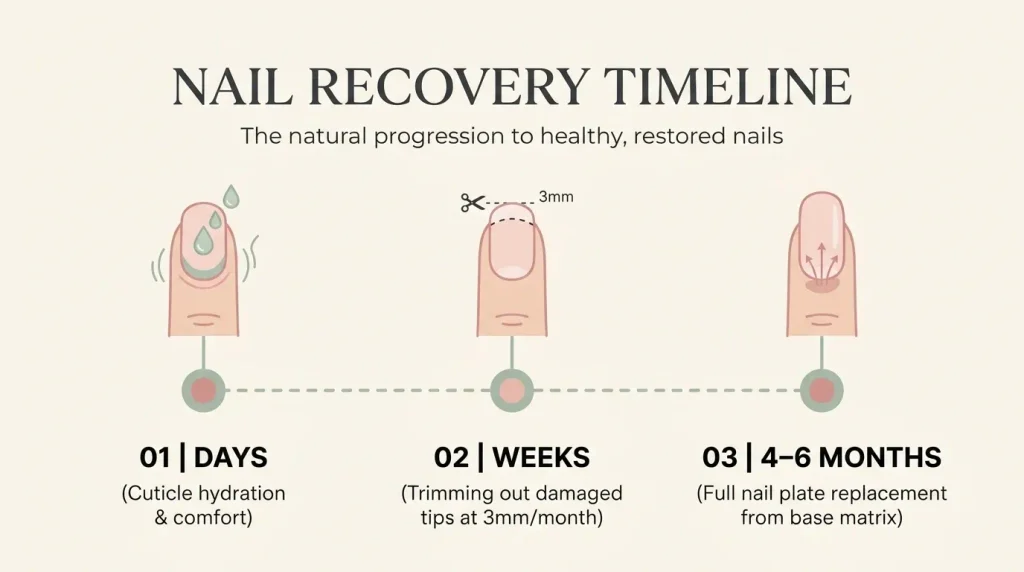
Recovery depends on how much damage occurred and whether the nail growth structures remain healthy.
Dry cuticles may feel more comfortable within several days of regular moisturizing. Minor peeling at the tips can gradually disappear as you trim away the damaged sections.
However, a significantly thinned nail plate cannot immediately rebuild its missing layers. Healthy new nail must grow forward from the base.
Fingernails typically grow about 3 millimeters per month, although growth varies between individuals.
A complete fingernail replacement often takes approximately four to six months. More extensive injury can take longer, especially when the nail matrix is affected.
Rather than expecting a one-week miracle, focus on protecting the nail that is growing in.
For additional recovery strategies, see how to make your nails healthy again.
What Expert Habits Help Keep Nails Healthy After Frequent Manicures?
Track Your Nails Between Appointments
Take a clear photo of your natural nails after each safe removal. Compare the surface, thickness, and condition over time rather than relying on memory.
This makes it easier to recognize changes that develop gradually.
Choose a Technician Who Respects Nail Health
A good technician should be willing to explain removal methods, use clean tools, avoid painful filing, and adjust services to your nail condition.
Don’t feel pressured to accept aggressive preparation simply because you want a longer-lasting manicure.
Maintain Your Manicure Instead of Picking at It
If polish begins chipping or an enhancement lifts, avoid pulling on it. Arrange safe repair or removal as appropriate.
Picking is especially risky because the coating may still be firmly attached to portions of the natural nail.
Pro Tip
Before booking your next manicure, ask the salon how it removes your chosen product and whether it files the natural nail surface during maintenance. These two questions can reveal more about potential damage than simply asking which manicure lasts longest.
How Can You Build a Nail-Friendly Manicure Routine?
Protecting your nails becomes easier when your everyday habits work together.
Every Day
- Apply cuticle oil once or twice if your nail area feels dry.
- Moisturize after washing your hands.
- Avoid using your fingernails to open packaging or scrape surfaces.
Every Week
- Check for chips, lifting, and rough edges.
- Gently file minor snags before they turn into cracks.
- Look for redness, irritation, or changes around your cuticles.
Before Every New Manicure
- Assess the condition of your natural nails.
- Discuss gentle preparation and removal with your technician.
- Avoid new enhancements on painful or visibly damaged nails.
- Choose a comfortable nail length for your daily activities.
If you prefer a low-maintenance beauty routine, this guide to healthy nail care products explains how to keep your product collection simple.
Frequently Asked Questions About Excessive Manicures
Q: How often should you take a break from gel manicures?
A: There isn’t one mandatory break schedule for everyone. If your natural nails remain comfortable and undamaged, breaks aren’t needed simply for breathing. Pause gel manicures if your nails become thin, sore, irritated, or noticeably peeling.
Q: Can too many manicures permanently damage your nails?
A: Most minor surface damage can grow out over time. However, severe injuries affecting the nail matrix may cause lasting growth changes. Avoid painful filing, traumatic removal, and repeated injuries around the nail base.
Q: Are regular manicures safer than acrylic nails?
A: Traditional polish manicures generally require less intensive application and removal than acrylic enhancements. However, safety still depends on clean tools, gentle preparation, proper removal, and avoiding damage to your natural nails.
Q: Does cuticle oil repair nails damaged by manicures?
A: Cuticle oil conditions dry nail surfaces and surrounding skin, but it cannot replace nail layers lost through excessive filing. Damaged nail sections must gradually grow out while you protect the new nail.
Q: Can you wear nail polish while recovering from manicure damage?
A: Gentle traditional polish may be an option for mildly damaged nails without pain or concerning changes. Avoid aggressive buffing, thick enhancements, and traumatic removal. Leave affected nails uncovered and seek medical advice if you notice infection, significant lifting, or persistent irritation.
Final Thoughts: Protect Your Nails Without Giving Up Beautiful Manicures
Learning how to protect nails from excessive manicures means choosing gentle techniques, removing products safely, moisturizing consistently, and recognizing when your natural nails need recovery time.
You can still enjoy beautiful nail art while making your nail health a priority. Save this guide to your Pinterest nail care board so you can revisit these tips before your next manicure appointment.

Hi, I’m Jessica, the creator behind Unique Lash & Nails Katy.
I created this website for anyone who loves beautiful nails as much as I do. Here, I share trendy nail designs, seasonal manicure ideas, easy nail care tips, honest product recommendations, and step-by-step guides to help you create salon-worthy nails at home. Whether you’re looking for everyday inspiration or your next favorite nail trend, I hope you’ll find something you love.