How Moisturizing and Cuticle Care Support Weak Nails
Quick Answer
Moisturizing and cuticle care support weak nails by reducing dryness, helping the nail plate remain flexible, and protecting the delicate skin around the nail base. Apply a fragrance-free hand cream after washing, use cuticle oil or petroleum jelly at bedtime, and avoid cutting your cuticles. Combine these habits with gloves for wet chores and gentle filing to help reduce preventable breakage over time.
Do your nails keep peeling just when they’re finally getting longer? Maybe your cuticles feel rough, your nail tips split easily, or your manicure never seems to last.
You don’t necessarily need an expensive nail-strengthening treatment. A consistent moisturizing routine and gentle cuticle care may make a meaningful difference, especially when dryness and everyday damage contribute to your weak nails.
Here’s how to care for fragile nails, choose useful moisturizing products, and build a routine that supports healthier-looking nail growth without unnecessary steps.


Why Do Weak Nails Need Moisturizing and Cuticle Care?
Your fingernails are made primarily of keratin, a protein that forms the hard nail plate. Although nails appear solid, their structure contains layers that can become damaged through repeated stress, excessive moisture exposure, harsh products, and rough manicure techniques.
When your nails are brittle, the outer edges may split or peel. If they’re unusually soft, they may bend and tear under ordinary pressure.
Moisturizing helps maintain the condition of the nail surface and surrounding skin. It can reduce dryness-related brittleness, although it cannot permanently repair already separated nail layers or correct every underlying cause of weak nails.
Cuticle care provides a different benefit. The cuticle helps maintain the protective seal where your nail emerges from the surrounding skin. Preserving this barrier reduces opportunities for irritation and infection.
These two practices work together:
- Moisturizing: Helps maintain nail flexibility and reduces dryness around your fingertips.
- Cuticle protection: Helps preserve the natural barrier around the nail base.
- Gentle grooming: Reduces mechanical damage caused by scraping, clipping, and picking.
- Consistent protection: Helps prevent avoidable breakage while healthier nail gradually grows forward.
If your nails have become fragile recently, understanding the common reasons nails become weak can help you identify habits or conditions worth addressing.
How Does Moisturizing Help Strengthen Weak Nails?

Moisturizers don’t transform thin nails into permanently thicker ones. Instead, they support the condition of the existing nail plate and the surrounding skin, which can make your nails less vulnerable to certain types of damage.
1. It Helps Reduce Dryness-Related Brittleness
Repeated handwashing, detergents, nail polish removers, and dry weather can leave nails and fingertips feeling rough.
Moisturizing creams containing ingredients such as glycerin, petrolatum, or mineral oil help maintain moisture and reduce dryness.
Apply cream to your entire fingertip, not just the back of your hands. Massage a small amount across the nail surface, sidewalls, and skin surrounding the nail base.
For additional protection, use a thin layer of petroleum jelly before bed. This helps reduce moisture loss from the surrounding skin and is particularly useful when your hands feel dry after a busy day.
2. It Supports Nail Flexibility
A nail needs enough flexibility to tolerate ordinary activities without cracking. Excessive brittleness can make a nail snap when it encounters pressure.
Regular moisturizing may help reduce the dryness that contributes to this problem. However, nail flexibility also depends on the nail’s underlying structure and the amount of damage it has experienced.
Be cautious about products promising to make nails extremely hard. Greater stiffness doesn’t always mean better resistance to breakage.
3. It Keeps Surrounding Skin Comfortable
Dry skin around the nails can become flaky, rough, and prone to small cracks. These uncomfortable areas may tempt you to pick at the skin, creating further irritation.
A fragrance-free moisturizer can help maintain a softer, more comfortable skin barrier.
When the skin around your nails looks smooth, your natural manicure also appears neater without aggressive trimming.
4. It Supports Better Long-Term Nail Care
One moisturizing session won’t reverse months of nail damage. The benefit comes from repeating gentle habits and avoiding additional injury.
Keeping moisturizer beside your hand soap and cuticle oil near your bedside makes the routine easier to maintain.
Over time, your existing damaged nail gradually moves toward the free edge, where it can be trimmed away. Consistent protection gives newer nail growth a better chance of avoiding the same external damage.
Why Is Cuticle Care Important for Weak Nails?
Your cuticle is a thin layer of dead tissue attached to the nail plate near its base. It helps maintain a seal between the nail and surrounding skin.
The living skin immediately behind this seal is part of the proximal nail fold. This area protects structures involved in nail formation.
When cuticles and nail folds are damaged by cutting, forceful pushing, or picking, the protective barrier may become compromised.
This can increase the likelihood of inflammation, discomfort, and infection.
Proper cuticle care focuses on preserving the natural barrier rather than removing it.
What Happens When You Cut Your Cuticles?
Cutting the skin around your nail base can create tiny injuries, even when the manicure initially appears neat.
These openings may allow microorganisms and irritants to affect sensitive tissue.
Repeated aggressive manicures can also contribute to inflammation around the nail folds. In some cases, significant injury near the nail matrix may interfere with normal nail development.
That’s why protecting cuticles matters more than achieving a perfectly exposed nail base.
Learn more about what the cuticle is and how it protects your nails before attempting any cuticle grooming.
Warning
Never cut living skin around your nails or forcefully push back cuticles. These practices can damage the protective nail-fold barrier and increase the risk of inflammation or infection. Ask your nail technician to leave your cuticles intact.
Which Moisturizing Methods Work Best for Weak Nails?

Different moisturizing products serve slightly different purposes. You don’t need to use every option. Choose the ones that suit your skin, routine, and budget.
Method 1: Fragrance-Free Hand Cream for Daily Moisture
A fragrance-free hand cream is one of the simplest choices for ongoing nail care.
Look for ingredients such as glycerin, petrolatum, or ceramides. These ingredients help support skin hydration and barrier care.
Best for: Frequent handwashing, mildly dry cuticles, and everyday maintenance.
How to use: Apply cream after washing and drying your hands. Massage the remaining product over your nail plates and surrounding skin.
Pros: Affordable, practical, and easy to use throughout the day.
Cons: Lightweight lotions may not provide enough lasting protection for very dry skin.
Method 2: Cuticle Oil for Convenient Nail-Base Care
Cuticle oil is useful when you prefer a small, portable product that can be applied directly around your nails.
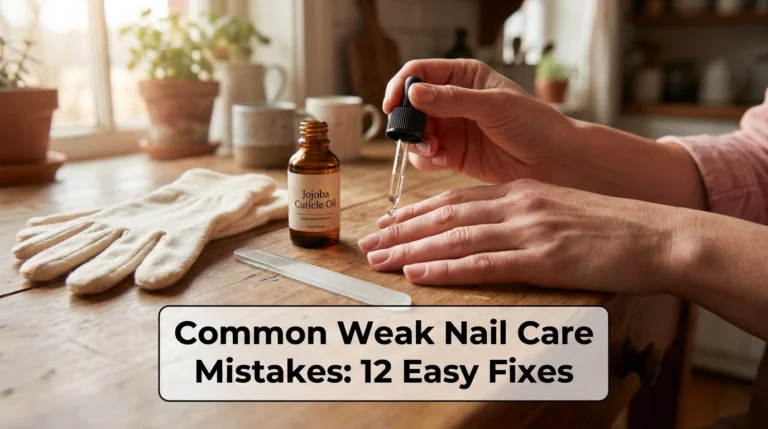
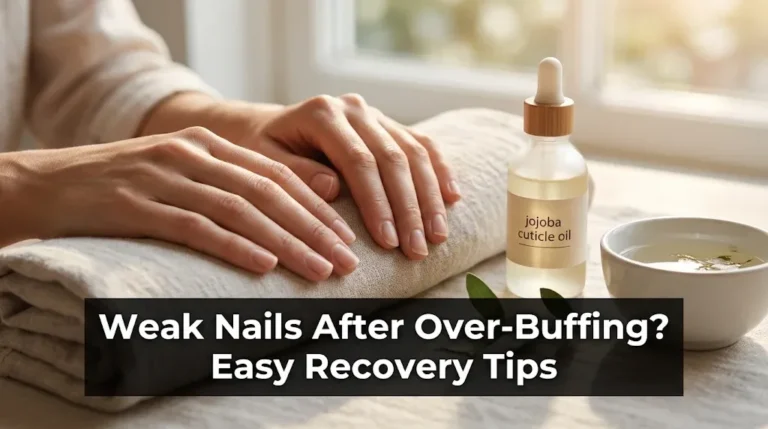
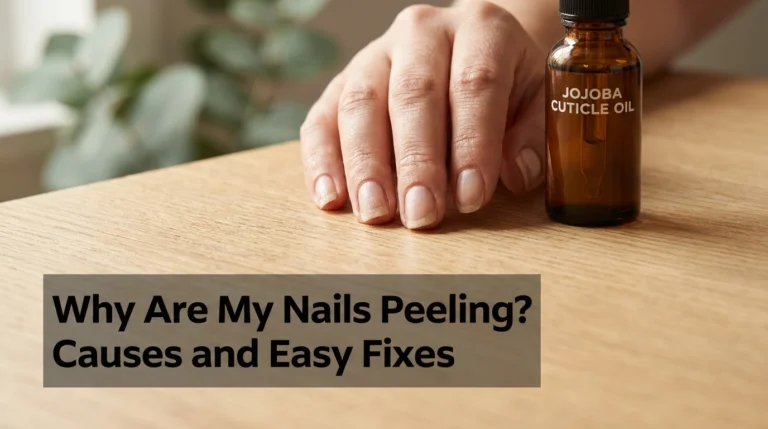
Jojoba oil and other cosmetic plant oils are commonly used in nail-care formulas. They help condition the skin and leave dry nail areas feeling smoother.
Best for: Dry cuticles, rough-looking nail edges, and people who prefer a lightweight treatment.
How to use: Apply a small drop around each nail base and massage gently for approximately 20–30 seconds.
Pros: Convenient, easy to carry, and helpful for conditioning the cuticle area.
Cons: Some fragranced or essential-oil-containing formulas may irritate sensitive skin.
Choose a simple, fragrance-free formula if your skin reacts easily.
Method 3: Petroleum Jelly for Overnight Protection
Petroleum jelly is an inexpensive option for dry fingertips, nails, and cuticles.
It acts as an occlusive, helping reduce moisture loss from the skin. Applying it after a moisturizing cream or while the skin is slightly damp can be especially useful.
Best for: Very dry skin, winter nail care, and overnight moisturizing.
How to use: Apply a small amount to clean nails and surrounding skin before sleeping.
Pros: Widely available, economical, and suitable for many people with sensitive skin.
Cons: The texture can feel greasy, making nighttime application more convenient.
Method 4: Rich Barrier Cream for Repeated Handwashing
If you wash your hands frequently, a richer cream may be more useful than a very light lotion.
Products containing glycerin, ceramides, and other moisturizing ingredients can help support the skin barrier.
Best for: People who frequently wash dishes, clean, or work in environments that require regular handwashing.
How to use: Apply after washing and drying your hands, paying extra attention to your fingertips.
Pros: Convenient for both hand and nail care.
Cons: Some heavier formulas take longer to absorb.
What Daily Moisturizing and Cuticle Care Routine Should You Follow?
You can build an effective routine around ordinary daily activities. The goal is consistency rather than spending a long time on nail treatments.
Every Morning: Protect Your Nails Before the Day Begins
- Wash your hands gently and dry them thoroughly.
- Apply fragrance-free hand cream across your nails and fingertips.
- Check for rough nail edges that might catch on clothing.
- Keep a small moisturizer in your bag for use after handwashing.
This routine takes only a couple of minutes and helps you start the day with comfortable, moisturized fingertips.
During the Day: Reduce Water and Chemical Exposure
Water exposure is unavoidable, and normal handwashing is important. The problem is prolonged or repeated wet work without appropriate protection.
Wear waterproof household gloves when washing dishes or cleaning with detergents.
Dry your hands after washing, then reapply moisturizer when practical.
If gloves become damp inside, remove them, dry your hands, and allow the gloves to dry before wearing them again.
Every Evening: Condition Your Cuticles
- Clean your hands and dry them gently.
- Apply a small amount of cuticle oil around your nail bases.
- Massage the oil into the surrounding skin.
- Follow with hand cream if your skin feels dry.
- Add a thin layer of petroleum jelly when extra overnight protection is needed.
Don’t worry if your routine isn’t elaborate. A few repeatable habits are more useful than switching between complicated treatments.
Once a Week: Check Your Nail Condition
Set aside a few minutes to inspect and maintain your nails.
- Trim overly long nails with clean, sharp clippers.
- Smooth snagged edges using a fine nail file.
- Look for new splitting or peeling.
- Check the nail folds for redness or irritation.
- Assess whether your moisturizing routine needs adjusting.
A short, softly rounded nail shape can help reduce catching and accidental breakage.
For more ideas, follow a simple daily and weekly nail care routine that works with your schedule.
Pro Tip
Keep your hand cream next to your soap dispenser and your cuticle oil near your bed. Connecting nail care to habits you already perform makes consistent moisturizing much easier.
How Long Does Moisturizing Take to Improve Weak Nails?
Moisturizing can improve how dry nails and surrounding skin feel relatively quickly. Structural improvement, however, depends on the cause of the weakness and how much damaged nail needs to grow out.
Within the First Few Days
Your cuticles may feel softer and less tight as you begin applying moisturizer consistently.
Dry-looking skin can appear smoother, and you may notice less discomfort around your nail edges.
These are moisturizing benefits, not evidence that damaged nail layers have already regenerated.
After Two to Four Weeks
If external damage is contributing to your weak nails, you may begin noticing fewer new snags or chips after several weeks of careful maintenance.
Results vary. Some people need longer, especially when nails have experienced significant filing, chemical exposure, or repeated enhancement removal.
After Three to Six Months
Fingernails typically grow approximately 3 millimeters per month, although growth rates vary.
A fingernail may take around six months to replace most or all of its visible plate.
That means damaged sections need time to move toward the tip before they can be trimmed away.
Moisturizing supports maintenance during this process, but it doesn’t make nail growth dramatically faster.
For a more detailed explanation, explore how long it takes to strengthen weak nails.
What Should You Do and Avoid When Caring for Weak Nails?

Do
- Moisturize after washing.
- Keep cuticles intact.
- Wear gloves for wet chores.
- File nail tips gently.
- Choose gentle nail products.
- Keep nails comfortably short.
Don’t
- Cut living cuticle skin.
- Peel off gel polish.
- Use nails as tools.
- Buff thin nails aggressively.
- Pull or bite hangnails.
- Ignore painful nail changes.
Which Nail Care Products Are Worth Using?
You don’t need an expensive collection of nail products. Prioritize moisturizing, gentle grooming, and protection from daily damage.
The following Amazon links open product searches so you can compare current listings, ingredients, and sizes. They aren’t claims of personal product testing or verified customer ratings.
Recommended Product
CeraVe Moisturizing Cream
A fragrance-free moisturizing cream containing ceramides and other moisturizing ingredients can help care for dry hands and the skin surrounding weak nails.
As an Amazon Associate, we earn from qualifying purchases.
Recommended Product
CND SolarOil Nail & Cuticle Care
This nail and cuticle conditioning oil is a convenient option for adding a dedicated moisturizing step to your evening routine. Check the ingredient list if you have fragrance sensitivities.
As an Amazon Associate, we earn from qualifying purchases.
Recommended Product
Vaseline Original Healing Jelly
Plain petroleum jelly helps reduce moisture loss and is an affordable option for conditioning dry nails and cuticles before bedtime.
As an Amazon Associate, we earn from qualifying purchases.
Recommended Product
Reusable Waterproof Household Gloves
Protective gloves help reduce prolonged exposure to dishwater and cleaning solutions, making them a useful addition to a weak-nail care routine.
As an Amazon Associate, we earn from qualifying purchases.
What Are the Most Common Mistakes in Weak Nail Care?
Using Cuticle Oil but Ignoring Hand Cream
Cuticle oil can condition the nail base, but it shouldn’t replace moisturizing the rest of your hands when your skin is dry.
Better approach: Use hand cream after washing and add cuticle oil when convenient.
Cutting Cuticles to Make Nails Look Neater
Removing protective tissue may temporarily change the appearance of your manicure, but it can also cause unnecessary irritation.
Better approach: Keep the nail base moisturized and leave intact cuticles alone.
Applying Products Only When Nails Break
Waiting until a nail splits means the damage has already occurred.
Better approach: Moisturize regularly and protect your nails before doing wet chores.
Expecting Oil to Repair Split Nail Layers
Oil may make a damaged nail feel smoother, but it cannot permanently fuse separated nail layers together.
Better approach: Keep damaged tips short, file snags gently, and allow healthier nail to grow forward.
What Extra Habits Help Protect Fragile Nails?
Protect Your Most Frequently Used Fingertips
If your dominant hand experiences more breakage, examine how you use those fingers.
Opening packaging, typing aggressively, and picking at labels can put repeated pressure on nail tips.
Keep the most vulnerable nails slightly shorter and use tools instead of your nails whenever possible.
Moisturize Immediately After Polish Removal
Nail polish removers can leave the nail surface and surrounding skin feeling dry.
After removing polish, wash away the residue according to the remover’s instructions, dry your hands, and apply moisturizer.
Never scrape off stubborn gel or peel artificial enhancements from the natural nail.
Choose Shorter Nails During Recovery
Long nails are more likely to catch on objects and experience leverage at the free edge.
A shorter nail shape can reduce these mechanical stresses while weakened sections grow out.
If breakage continues, combine this habit with the site’s guide to stopping nails from breaking.
Track Progress Monthly, Not Daily
Take a photograph of your nails every four weeks under similar lighting.
Compare the amount of peeling, the condition of your cuticles, and the appearance of new growth near the nail base.
Daily inspection can make gradual changes difficult to notice. Monthly comparisons are more useful for identifying patterns.
When Is Moisturizing Not Enough for Weak Nails?
Not every nail problem comes from dryness or cosmetic damage.
Persistent weakness can sometimes be associated with skin disorders, nail infections, iron deficiency, thyroid conditions, or other medical concerns.
Seek medical advice if you notice:
- Sudden weakness affecting several nails.
- Persistent pain, redness, swelling, or discharge.
- Nails separating from the underlying nail bed.
- New or unexplained dark discoloration.
- Significant changes in nail thickness or shape.
- Fragility that persists despite reducing external damage.
A dermatologist can assess whether your nail changes are primarily related to everyday wear or require further evaluation.
Important Safety Reminder
If your nail folds become increasingly painful, swollen, or develop pus, seek professional medical care. Do not try to cut away inflamed skin or drain an infection yourself. People with diabetes, poor circulation, or weakened immunity should seek advice early when signs of infection appear.
Frequently Asked Questions About Moisturizing and Cuticle Care for Weak Nails
Q: Does cuticle oil actually strengthen weak nails?
A: Cuticle oil helps condition the skin around your nails and can reduce dryness. It doesn’t permanently thicken the nail plate or repair existing splits, but it can support a gentler nail-care routine.
Q: How often should you moisturize weak nails?
A: Apply hand cream after washing whenever practical, especially if your skin feels dry. You can also apply cuticle oil or petroleum jelly at bedtime for additional conditioning.
Q: Is petroleum jelly or cuticle oil better for weak nails?
A: Both can support nail-area care. Petroleum jelly is especially useful for reducing moisture loss, while cuticle oil is convenient for quick application. Choose whichever suits your skin and routine.
Q: Can moisturizing make thin nails thicker?
A: Moisturizing cannot permanently increase nail thickness. It may reduce dryness-related brittleness, while protecting nails from repeated damage can improve their condition as new nail grows.
Q: Should you push back cuticles before applying oil?
A: No. You can apply oil directly to the cuticle area without pushing anything back. Leaving the natural protective barrier intact helps avoid unnecessary irritation or injury.
Final Thoughts: Small Nail Care Habits Make a Difference
Moisturizing and cuticle care support weak nails by reducing dryness, maintaining comfortable surrounding skin, and protecting the delicate nail-base barrier. Pair these habits with gentle filing, shorter nails, and protection during wet chores for a practical long-term routine.
You don’t need perfect nails overnight. Consistent care and realistic expectations give fragile nails a better chance to grow with less avoidable damage.
Save this guide to your Pinterest nail-care board so you can revisit these simple moisturizing habits whenever your nails need extra attention.

Hi, I’m Jessica, the creator behind Unique Lash & Nails Katy.
I created this website for anyone who loves beautiful nails as much as I do. Here, I share trendy nail designs, seasonal manicure ideas, easy nail care tips, honest product recommendations, and step-by-step guides to help you create salon-worthy nails at home. Whether you’re looking for everyday inspiration or your next favorite nail trend, I hope you’ll find something you love.