How to Prevent Weak Nails: Easy Daily Care Tips
Quick Answer
To prevent weak nails, keep them short, moisturize your nails and cuticles after washing, and wear protective gloves during cleaning or dishwashing. Avoid aggressive filing, repeated polish removal, and picking off gel manicures. Eat a balanced diet and give damaged nails time to grow out. Consistent gentle care is more useful than relying on nail hardeners alone.
Are your nails constantly peeling, bending, splitting, or breaking just when they start growing? Weak nails can make even a simple manicure frustrating. The good news is that you can reduce many everyday causes of nail damage without expensive treatments.
Learning how to prevent weak nails starts with protecting your natural nail plate, not covering every problem with another layer of polish. This guide shows you a practical routine that fits into your daily life.
Daily time: 3–5 minutes
Difficulty: Beginner
Essentials: Moisturizer, nail file, gloves
Results: Gradual improvement as nails grow


Why Do Your Nails Become Weak and Brittle?
Your nails are made primarily of keratin, a structural protein arranged in layers. When these layers are repeatedly exposed to moisture changes, chemicals, friction, or physical trauma, the nail plate can become more vulnerable to peeling and splitting.
Understanding the cause matters because different habits can produce similar-looking damage. A nail that splits after frequent dishwashing may need protection from water, while damage following gel removal may require a gentler manicure routine.
Repeated Water Exposure
Your nails absorb water and then release it as they dry. Repeated wet-to-dry cycles can contribute to splitting, particularly when you wash dishes, clean surfaces, or work with wet hands throughout the day.
Water exposure isn’t something you need to eliminate. The goal is to avoid unnecessary prolonged soaking and protect your hands during wet household tasks.
Harsh Nail Products and Removers
Frequent use of nail polish remover, cleaning solvents, and irritating manicure products can make existing brittleness worse. Both acetone and non-acetone removers can dry your nails, so switching removers doesn’t remove the need for gentle handling.
Repeated gel removal, excessive buffing, and peeling artificial nails can also take layers of the natural nail plate with them.
Everyday Physical Damage
Using your nails to scrape labels, open packages, or lift objects places pressure on their free edges. Long nails have more opportunity to catch on something, which increases the chance of bending or breaking.
Even small daily impacts can become a problem when the nail plate is already fragile.
Nutrition and Medical Factors
Some nail problems are associated with iron deficiency, thyroid conditions, skin diseases, and other medical issues. However, most cases of brittle nails aren’t automatically caused by a vitamin deficiency.
If your nails suddenly change, become unusually thin, or remain fragile despite careful handling, a healthcare professional can help investigate the underlying cause.
What Are the Early Signs of Weak Nails?
You don’t need to wait for a painful break to recognize fragile nails. Look for these common changes:
- Peeling layers: Thin sections separate at the nail tips.
- Frequent splitting: The free edge cracks during ordinary activities.
- Repeated chipping: Small pieces break off even when nails are short.
- Unusual softness: Nails bend easily or feel less resilient than usual.
- Rough edges: Snags appear soon after filing.
- Persistent brittleness: Several nails repeatedly break despite gentle care.
Some natural ridging can occur with age and doesn’t necessarily indicate disease. However, new discoloration, nail lifting, pain, inflammation, or sudden changes deserve medical attention.
Important Nail Safety Warning
Don’t hide unexplained nail changes beneath acrylics or gel polish. If you notice swelling, pain, green or dark discoloration, nail separation, or a new dark streak, arrange an evaluation with a dermatologist. Nail problems sometimes require treatment rather than cosmetic strengthening.
What Do You Need to Prevent Weak Nails?
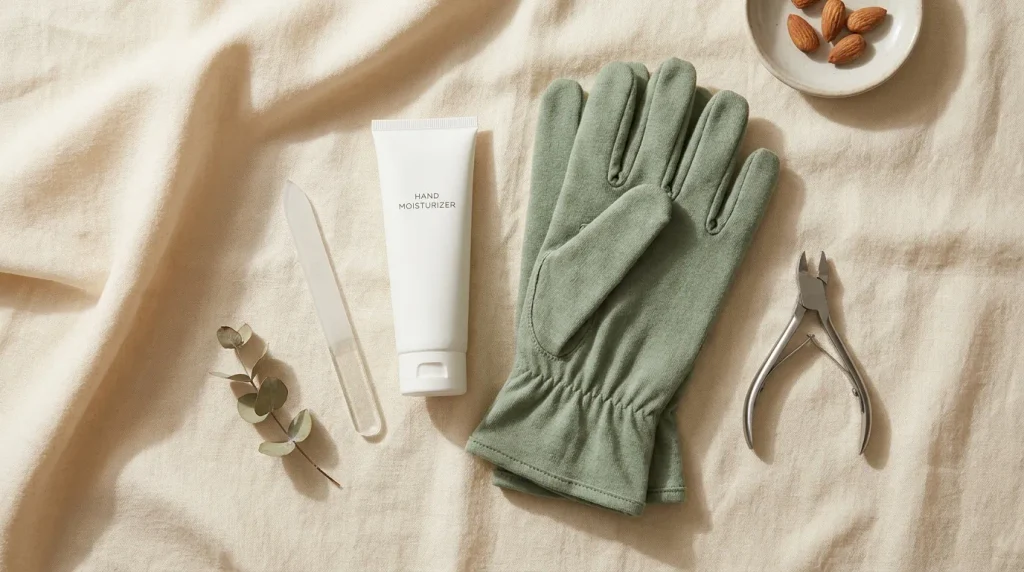
You can build a useful nail care routine with a few basic items. You don’t need an expensive collection of treatments or multiple strengthening products.
- Gentle nail file: A fine-grit glass file for smoothing rough edges.
- Hand moisturizer: A fragrance-free cream or ointment for nails, cuticles, and skin.
- Protective gloves: Cotton-lined household gloves for cleaning and dishwashing.
- Nail clippers: Sharp, clean clippers that trim without crushing the nail.
- Optional cuticle oil: A conditioning oil for dry cuticles and surrounding skin.
Choose products that are comfortable enough to use regularly. Consistency matters more than complicated routines.
How to Prevent Weak Nails Step by Step
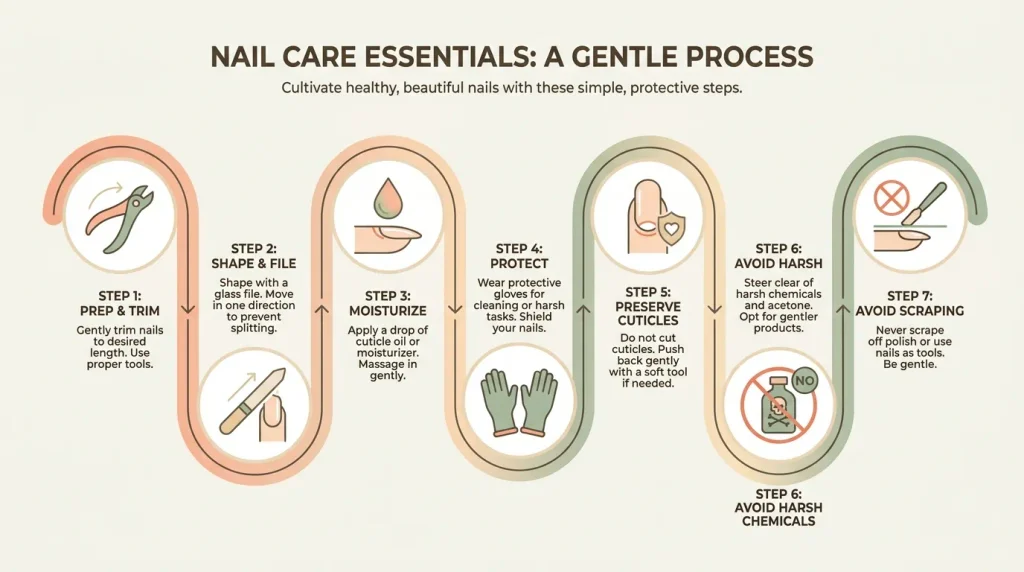
Follow these seven steps to reduce common sources of nail damage. You can start today, even if your nails are already short or peeling.
Step 1: Trim Your Nails to a Manageable Length
Start with clean, dry nails. Use sharp clippers to trim straight across, then slightly round the corners so they don’t catch on clothing. Keeping your nails relatively short reduces leverage and everyday mechanical stress.
For especially brittle nails, aim for a length where your fingertip touches a flat surface before your nail does.
Common mistake: Cutting deeply into the corners or trimming nails extremely short. This can irritate the surrounding skin and create discomfort.
Step 2: Smooth Rough Edges With a Fine Nail File
Use a fine-grit file to smooth small snags before they turn into splits. Support your finger while filing and use light, controlled movements. A softly rounded or squoval shape is often practical for nails that break easily.
Avoid filing the top surface of the nail plate. Removing material from that surface can make already fragile nails thinner.
Common mistake: Aggressively sawing with a rough file or repeatedly buffing the nail surface to make it look shiny.
Step 3: Moisturize Your Nails After Every Hand Wash
After washing your hands, dry them gently and massage a small amount of moisturizer over your nails, cuticles, and fingertips. Look for ingredients such as glycerin, petrolatum, or mineral oil.
An ointment can be especially helpful when your hands feel dry. Keep a small tube beside your sink or in your handbag so moisturizing becomes automatic.
Common mistake: Applying cream only to the backs of your hands and forgetting the nails and cuticle area.
Step 4: Wear Gloves During Wet Household Tasks
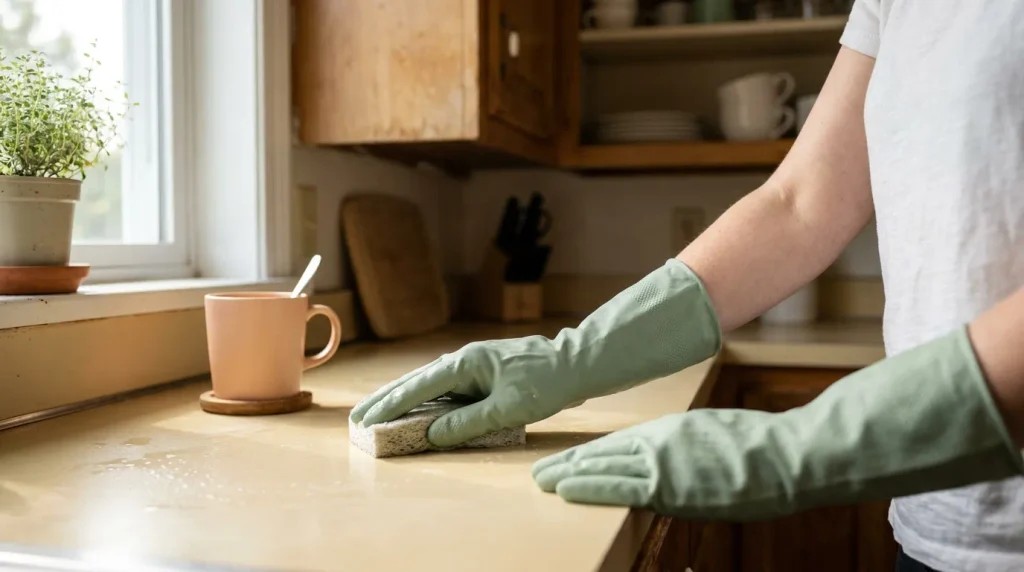
Wear protective gloves when washing dishes, cleaning bathrooms, or handling detergents. If possible, choose cotton-lined gloves that reduce direct contact with moisture and irritating cleaning products.
Remove the gloves afterward, dry your hands, and apply moisturizer. If the inside becomes wet, let the gloves dry thoroughly before using them again.
Common mistake: Wearing wet gloves for long periods. Trapped moisture can irritate your skin and defeat part of the protective purpose.
Step 5: Protect Your Cuticles From Unnecessary Damage
Your cuticle helps seal the area between your nail plate and the surrounding skin. Leave it intact instead of cutting or aggressively pushing it backward.
For dryness, massage a little moisturizer or conditioning oil around the nail folds. If you develop a hangnail, carefully clip the loose piece with a clean tool rather than pulling it.
Common mistake: Cutting healthy cuticles during every manicure. This can damage the protective barrier and increase infection risk.
Step 6: Reduce Aggressive Manicure Treatments
If your nails peel after gel manicures, take a break from procedures that involve scraping, extensive buffing, or repeated removal. Never peel gel polish or acrylic enhancements from the natural nail.
When removing polish, follow the product instructions and avoid unnecessary exposure to solvents. Afterward, moisturize your nails and surrounding skin.
Common mistake: Assuming all nail hardeners repair damaged nails. Some make nails excessively rigid, while formaldehyde-containing formulas may worsen brittleness.
Step 7: Stop Using Your Nails as Everyday Tools
Use a tool to open packages, peel labels, or lift objects instead of prying with your fingernails. Small changes like these protect the tips from bending and separating into layers.
Pay attention to activities that repeatedly damage the same nail. Adjusting the movement or using your fingertips instead may reduce breakage.
Common mistake: Protecting your nails during manicures but regularly scraping hard surfaces with them.
Which Nail Care Products Are Actually Useful?
Simple protective products are often more useful than treatments promising instant nail growth. The options below support specific parts of your routine without claiming to repair the entire nail plate overnight.
Affiliate disclosure: As an Amazon Associate, we earn from qualifying purchases. Product availability, current prices, and customer ratings are not verified here.
Recommended Product Type
Fine-Gr it Glass Nail File
A smooth glass nail file helps you shape short nails and remove snags with less aggressive abrasion than a coarse file. Use gentle strokes without filing the top surface.
Recommended Product Type
Fragrance-Free Moisturizing Hand Cream
A cream containing glycerin or other moisturizing ingredients is useful after washing your hands. Choose a texture you’ll apply consistently rather than a formula with unnecessary fragrance.
Recommended Product Type
Cotton-Lined Household Cleaning Gloves
Reusable protective gloves help limit repeated exposure to water and detergents. Select a comfortable fit and replace gloves that develop holes or retain moisture.
Optional Nail Care Product
Jojoba-Based Cuticle Oil
A cuticle oil can make dry nail folds feel more comfortable and supplement your moisturizing routine. It doesn’t replace protective gloves or restore missing layers of a damaged nail.
What Should Your Daily Nail Care Routine Look Like?
You don’t need a complicated schedule to protect fragile nails. A few repeatable habits make it easier to limit damage.
Morning Routine
- Check nail edges for small snags.
- Apply hand moisturizer to your nails and cuticles.
- Keep protective gloves available for household work.
- Avoid picking or pulling at peeling nail layers.
During the Day
- Reapply moisturizer after handwashing.
- Use tools instead of fingernails to open packages.
- Wear gloves when cleaning or handling detergents.
- Dry your hands thoroughly after wet tasks.
Before Bed
- Massage moisturizer over each nail and cuticle.
- Apply a thicker ointment if your hands are especially dry.
- Trim or gently file any snag that could catch overnight.
- Keep your manicure routine gentle and avoid unnecessary buffing.
Pro Tip
Keep moisturizer beside your hand soap. Connecting nail care to a habit you already perform is easier than remembering a separate treatment several times a day.
What Foods Help Support Healthy Nail Growth?
Your nail matrix, where the nail develops, requires adequate nutrients to produce healthy nail tissue. A balanced diet supports normal nail growth, but no specific food can immediately repair existing splits.
Protein-Rich Foods
Protein provides amino acids used to build keratin and other body proteins. Include suitable sources such as eggs, beans, lentils, fish, dairy, tofu, or poultry according to your dietary needs.
Iron-Containing Foods
Iron deficiency can sometimes contribute to nail changes. Meat, legumes, fortified cereals, and leafy greens provide dietary iron. Combining plant-based iron sources with vitamin C-containing foods may improve absorption.
Foods Containing Zinc and B Vitamins
Nuts, seeds, whole grains, eggs, legumes, and other varied foods provide nutrients involved in normal cell growth and tissue maintenance.
Rather than purchasing a nail supplement immediately, focus on balanced meals. If you suspect a nutritional deficiency, ask a healthcare professional whether testing is appropriate.
Supplement Safety
Evidence that biotin supplements improve brittle nails is limited. High-dose biotin can also interfere with important blood tests, including some cardiac tests. Don’t start high-dose supplements or iron tablets solely for weak nails without appropriate medical advice.
What Should You Do and Avoid When Your Nails Are Weak?
Do
- Keep nails relatively short.
- Use a fine nail file.
- Moisturize after washing.
- Wear gloves for wet work.
- Leave cuticles intact.
- Eat a balanced diet.
- Seek advice for unusual nail changes.
Don’t
- Peel off gel polish.
- Scrape with your nails.
- Cut healthy cuticles.
- Overbuff nail surfaces.
- Use harsh removers repeatedly.
- Depend on hardeners alone.
- Ignore painful nail changes.
How Long Does It Take for Weak Nails to Improve?
Improvement depends on the cause and how much of your nail is already damaged. Moisturizing can make dry nails and surrounding skin feel more comfortable quickly, but a split nail plate doesn’t permanently fuse back together.
Fingernails generally grow about 3 millimeters per month, although the rate varies. Replacing an entire fingernail often takes approximately four to six months. This means visibly healthier new nail growth can take weeks to months to appear.
If you protect your nails consistently, you may experience fewer new snags or breaks before the damaged portions fully grow out. Results aren’t guaranteed, especially when brittleness has an underlying medical cause.
A Practical Four-Week Nail Care Plan
- Week 1: Trim and shape your nails, begin moisturizing regularly, and start using gloves.
- Week 2: Identify habits that repeatedly cause splitting, such as picking or scraping with your nails.
- Week 3: Continue gentle care and monitor whether new breakage is becoming less frequent.
- Week 4: Check for smoother edges and healthier-looking new growth near the cuticle. Maintain the routine for the following months.
The four-week plan is a habit-building schedule, not a promise that damaged nails will fully recover in 28 days.
Can Gel, Acrylic, or Press-On Nails Make Weak Nails Worse?
They can, especially when application or removal damages the natural nail surface. Acrylic enhancements and gel manicures may involve filing, adhesives, chemical exposure, or removal techniques that aggravate existing brittleness.
Press-on nails can also cause problems if you pull them off forcefully or use irritating adhesives. Even products marketed as gentle can create damage when removed incorrectly.
If your nails are currently peeling or splitting, consider avoiding artificial enhancements while the damaged portion grows out. A natural, short manicure is usually easier to protect.
If you continue getting manicures, choose a hygienic salon, discuss your nail condition with the technician, and avoid procedures that cause pain or require aggressive filing.
What If Your Nails Keep Breaking Despite Good Care?
Occasional breakage isn’t unusual, but repeated splitting can be frustrating. Try matching the problem to a specific adjustment rather than adding more products.
Nails Split at the Tips
Immediate action: Trim above the damaged area when possible and smooth the edge gently. Prevention: Reduce wet-to-dry exposure, wear gloves, and keep nails short while the splitting grows out.
Nails Peel After Gel Removal
Immediate action: Stop scraping or buffing the peeling area. Prevention: Avoid picking off enhancements and use safer professional removal techniques in future.
Nails Feel Dry and Rough
Immediate action: Apply a fragrance-free cream or ointment. Prevention: Moisturize after washing and at bedtime while minimizing unnecessary chemical exposure.
All Nails Suddenly Become Fragile
Immediate action: Review recent product changes, medications, or other symptoms. Prevention: Continue gentle care and arrange a medical evaluation if the change is unexplained or persistent.
When Should You See a Dermatologist for Weak Nails?
Many cases of mild brittleness improve with better nail protection. Still, cosmetic care alone isn’t appropriate for every nail problem.
Seek professional advice if you notice:
- A sudden change affecting several nails.
- Persistent splitting despite months of gentle care.
- Pain, redness, swelling, or drainage around the nails.
- Unexpected dark streaks or significant discoloration.
- Nails lifting away from the nail bed.
- Unusual nail changes with fatigue, hair loss, or other symptoms.
A dermatologist can examine the nail plate and surrounding skin. Depending on your symptoms, they may recommend testing or treatment for an underlying condition.
Frequently Asked Questions About Weak Nails
Q: What is the fastest way to prevent weak nails?
A: Start by keeping your nails short, moisturizing after handwashing, wearing gloves for wet tasks, and avoiding aggressive manicures. These steps reduce ongoing damage, although existing splits must grow out.
Q: Does cuticle oil make weak nails stronger?
A: Cuticle oil can help condition dry skin and nail folds, but it isn’t a guaranteed treatment for brittle nails. Pair it with regular moisturizing and protection from water and chemicals.
Q: Should you use nail hardener on brittle nails?
A: Not automatically. Some hardeners make nails too rigid, increasing the chance of splitting. Formaldehyde-containing formulas are particularly concerning. Ask a dermatologist about suitable options if brittleness persists.
Q: Can weak nails become healthy again?
A: Often, yes, particularly when brittleness results from everyday damage. Better protection may reduce breakage while healthier nail growth gradually replaces the damaged portion. Medical causes may require treatment.
Q: Do you need biotin supplements for strong nails?
A: Most people shouldn’t automatically take biotin for weak nails. Evidence of benefit is limited, and high doses can interfere with laboratory tests. Discuss supplements with a healthcare professional before taking them.
Final Thoughts: Protect Your Nails Before They Break
Learning how to prevent weak nails is about developing protective habits you can maintain every day. Gentle filing, regular moisturizing, shorter nails, and gloves during household tasks can help reduce repeated damage.
Start with a simple routine, allow time for healthier nail growth, and seek professional advice if your nails change unexpectedly. Save this guide to your Pinterest nail care board so you can revisit these habits whenever your nails need extra attention.

Hi, I’m Jessica, the creator behind Unique Lash & Nails Katy.
I created this website for anyone who loves beautiful nails as much as I do. Here, I share trendy nail designs, seasonal manicure ideas, easy nail care tips, honest product recommendations, and step-by-step guides to help you create salon-worthy nails at home. Whether you’re looking for everyday inspiration or your next favorite nail trend, I hope you’ll find something you love.