Nail Hygiene During Travel: 9 Easy Hygiene Tips
Quick Answer
To maintain nail hygiene during travel, keep your nails short and clean, wash your hands with soap and water, and gently clean underneath your nails. Pack a personal nail file, clean clippers, hand sanitizer containing at least 60% alcohol, and moisturizing cream. Avoid sharing nail tools, keep your feet dry, and check your nails daily for irritation or signs of infection.
Traveling should be about exploring new places, not worrying about dirty nails, irritated cuticles, or an unexpected nail infection. Between airport security lines, hotel bathrooms, public transportation, and outdoor activities, your hands encounter plenty of unfamiliar surfaces.
Fortunately, maintaining nail hygiene during travel doesn’t require a complicated beauty routine. You only need a few essentials and consistent habits that fit naturally into your vacation.
This guide covers what to pack, how to clean your nails safely, and what to do when a nail problem appears far from home.


Why Is Nail Hygiene Important When Traveling?
Your nails can collect dirt, debris, and microorganisms during ordinary activities. Traveling introduces unfamiliar environments and may make your usual cleaning routine less convenient.
According to the Centers for Disease Control and Prevention (CDC), dirt and germs can accumulate beneath fingernails. Keeping nails clean and trimmed helps reduce the risk of spreading germs and developing certain nail infections.
Common travel situations that deserve extra attention include:
- Airports and transportation: You frequently touch luggage handles, ticket machines, railings, and other shared surfaces.
- Beach vacations: Sand and other debris can collect underneath your nails.
- Hotels and public bathrooms: You may need to use unfamiliar washing facilities.
- Camping and hiking: Soil, mud, and outdoor equipment can leave visible debris around your nails.
- Swimming pools and changing rooms: Wet communal areas can expose your feet to fungi that cause skin infections.
Touching a public surface doesn’t automatically cause a nail infection. However, cleaning your hands before eating and after contamination is a sensible precaution.
Healthy nails also depend on avoiding physical damage. If you’re packing for an active holiday, see our guide on how to protect nails during travel for practical advice about luggage handling, nail length, and manicure protection.
What Should You Pack in a Travel Nail Hygiene Kit?
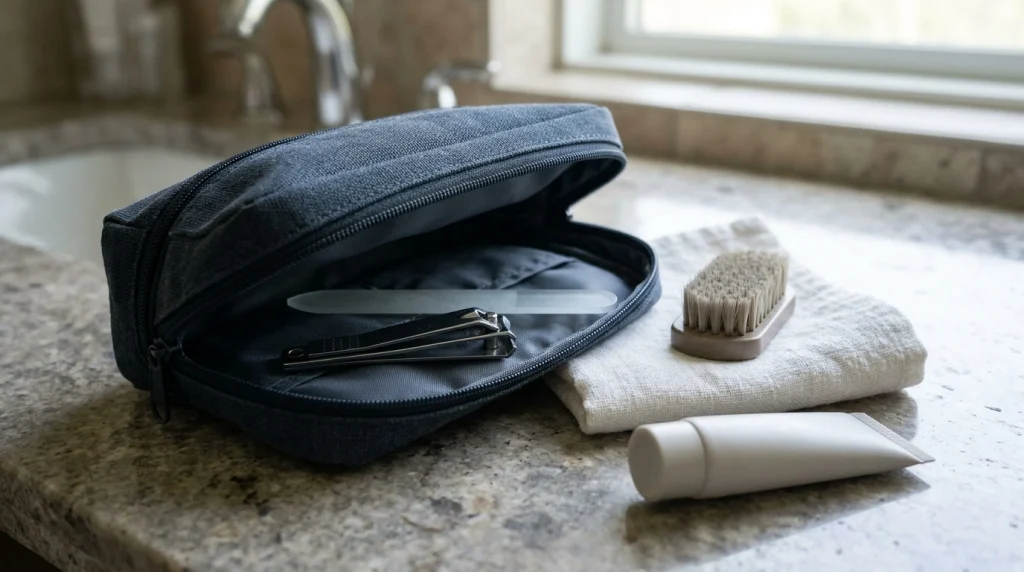
A portable nail hygiene kit helps you maintain your routine without relying on shared or unfamiliar grooming tools.
You don’t need to carry your entire manicure collection. Choose compact items that solve everyday cleanliness problems.
- Clean nail clippers: Useful for trimming excessive length or an uncomfortable loose edge.
- Fine nail file: Helps smooth rough corners without tearing the nail.
- Soft nail brush: Useful for gently removing visible dirt beneath and around your nails when soap and water are available.
- Travel-size soap: A helpful backup when suitable washing supplies aren’t available.
- Hand sanitizer: Choose an alcohol-based product containing at least 60% alcohol.
- Hand cream: Helps relieve dryness caused by frequent washing and exposure to dry environments.
- Clean tissues or small towel: Useful for drying your hands after washing.
- Small protective pouch: Keeps grooming equipment separated from dirty clothing and other luggage.
Clean and completely dry reusable tools before placing them in your pouch. Keep visibly dirty items separate until you can wash them properly.
PRO TIP
Create two small compartments inside your travel pouch: one for clean grooming tools and another for used items that need cleaning. This makes it easier to avoid putting a dirty nail brush directly beside clean clippers.
Useful Travel Nail Care Products
Compact nail grooming set: A small personal set is convenient when you need to trim or smooth your nails away from home.
Browse travel nail grooming kits on Amazon
Soft nail cleaning brush: Choose a brush with soft bristles that can be washed and dried after use. Avoid aggressive scrubbing that irritates the nail folds.
Browse soft nail cleaning brushes on Amazon
Travel-size fragrance-free hand cream: A small tube provides convenient moisture after washing without taking up much luggage space.
Browse travel-size hand creams on Amazon
Affiliate disclosure: As an Amazon Associate, we earn from qualifying purchases.
Packing reminder: Check your airline, airport, and destination rules before packing sharp grooming tools, liquids, or flammable nail products. Restrictions can vary.
How Do You Maintain Nail Hygiene During Travel?
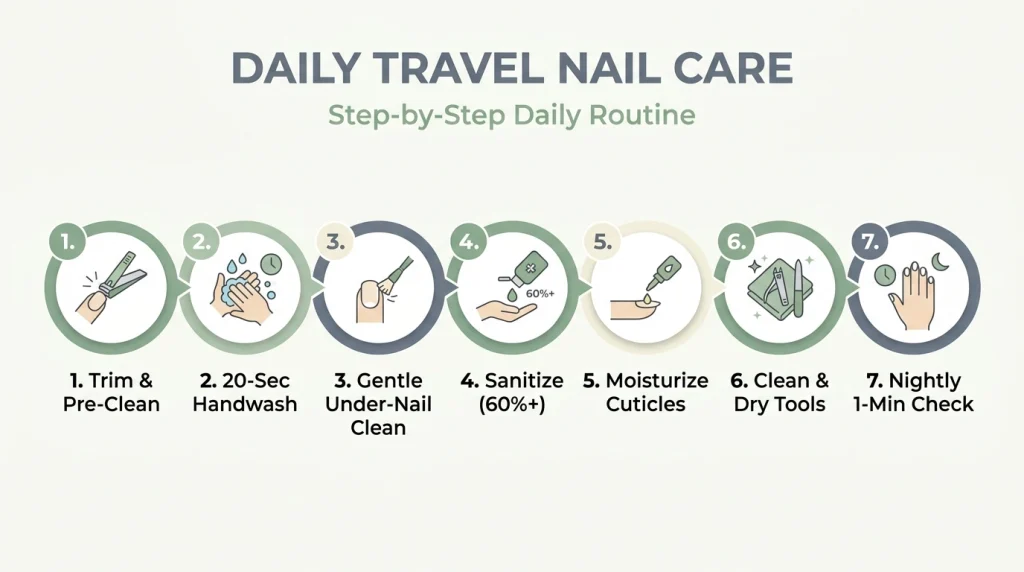
Follow this practical routine before departure and throughout your trip. Most daily maintenance takes only a few minutes.
TIME NEEDED
3–5 minutes daily
DIFFICULTY
Beginner
ESSENTIALS
Soap, water, clean tools
FREQUENCY
Throughout your trip
Step 1: Trim and Clean Your Nails Before Leaving
Inspect your fingernails and toenails before departure. Trim fingernails to a manageable length and smooth any sharp edges with a clean file.
Cut toenails approximately straight across without digging into their corners. Wash your hands afterward and clean your grooming equipment before storing it.
Common mistake: Cutting nails extremely short or removing the surrounding cuticle can damage protective skin and cause discomfort.
Step 2: Wash Your Hands Thoroughly
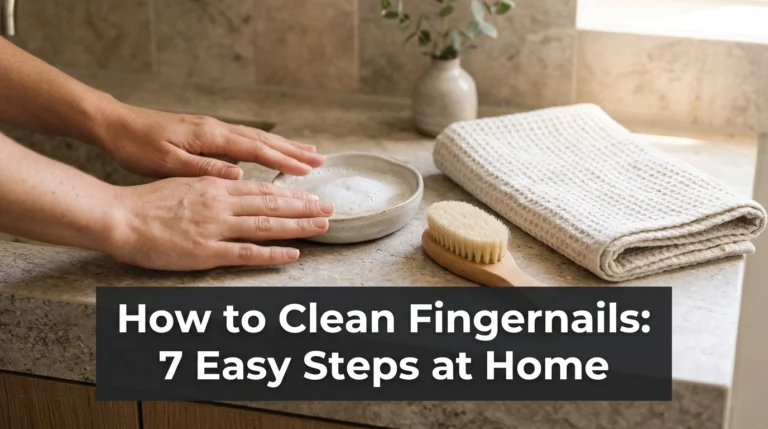
Wet your hands with clean running water, apply soap, and lather thoroughly. Clean your fingertips, between your fingers, and around your nails.
Scrub for at least 20 seconds, rinse thoroughly, and dry using a clean towel or disposable paper towel.
Wash especially before eating, after using the bathroom, and after handling visibly dirty objects.
Common mistake: Rinsing fingertips quickly without cleaning the spaces around the nails leaves visible debris behind.
Step 3: Gently Remove Dirt Beneath Your Nails
When dirt collects underneath your nails, use soap, water, and gentle friction to remove it. A soft, clean nail brush may help with stubborn visible debris.
Avoid scraping beneath the nail with pointed metal instruments. Aggressive cleaning can injure the sensitive tissue underneath your nail plate.
Rinse the brush afterward and let it dry completely before packing.
Common mistake: Assuming that harder brushing means cleaner nails. Excessive pressure can irritate the surrounding skin.
Step 4: Use Hand Sanitizer When Washing Isn’t Available
If soap and water aren’t readily available, use hand sanitizer containing at least 60% alcohol. Apply enough to cover your hands and rub all surfaces until dry.
Remember that sanitizer isn’t a complete replacement for washing. If your hands or nails are visibly dirty or greasy, clean them with soap and water when possible.
Common mistake: Using a tiny drop of sanitizer that doesn’t cover the fingertips, thumbs, and surrounding hand surfaces.
Step 5: Moisturize Your Hands and Cuticles
Repeated handwashing and exposure to dry air can leave your skin uncomfortable. After washing and drying your hands, massage a small amount of moisturizer into your fingers and nail folds.
Pay particular attention to rough skin beside your nails. Don’t cut or aggressively push back healthy cuticles, because they help protect the nail area.
Choose fragrance-free cream if scented products irritate your skin.
Common mistake: Pulling away dry or peeling skin around the nail rather than protecting it and allowing it to heal.
Step 6: Keep Your Personal Nail Tools Clean
Wash reusable grooming equipment according to the manufacturer’s cleaning instructions. Remove visible debris, use appropriate cleaning products, and let the tools dry before storage.
Don’t share clippers, cuticle nippers, or other tools that may contact damaged skin. If you’re visiting a nail salon, verify that reusable instruments are properly sterilized between clients.
Common mistake: Putting damp tools into a sealed pouch without cleaning or drying them.
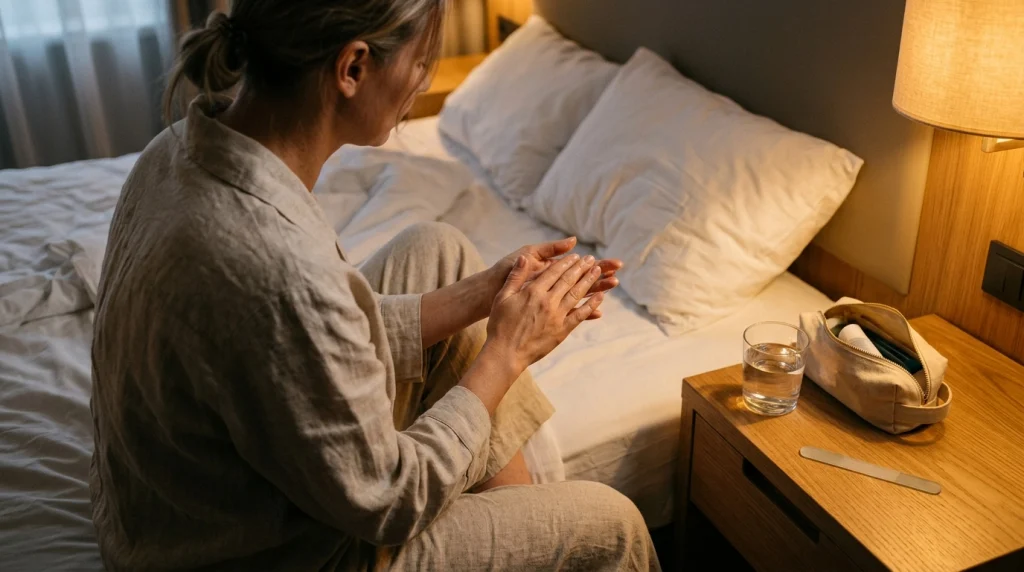
Step 7: Check Your Nails Before Bed
Take one minute each evening to inspect your fingernails and toenails. Check for trapped debris, painful edges, broken skin, or unusual changes.
Wash and dry your hands when necessary, moisturize dry areas, and smooth minor snags only when they aren’t painful or attached to injured tissue.
Common mistake: Ignoring an increasingly painful or swollen nail because you’re busy enjoying your vacation.
How Should You Adjust Nail Hygiene for Different Types of Travel?
Airplane and Airport Travel
Keep sanitizer accessible for times when handwashing isn’t immediately possible. Wash before eating and after visiting the restroom, and avoid biting your nails while waiting in queues.
Keep your personal nail kit in permitted luggage and use moisturizer after washing if your skin becomes dry.
Beach and Swimming Vacations
Sand can collect beneath fingernails and around toenails. After visiting the beach, wash away visible sand and dry your hands and feet thoroughly.
Wear shower sandals around communal changing rooms and public pool showers. Avoid sharing towels or nail grooming equipment.
If you notice peeling or irritation between your toes, don’t assume it’s only dry skin. Persistent or spreading symptoms may need professional evaluation.
Camping and Outdoor Adventures
Outdoor activities frequently expose your hands to soil, plants, and equipment. Keep nails reasonably short, wear suitable protective gloves when needed, and wash your hands after handling dirty gear.
For an especially active itinerary, the habits in our nail protection during gardening guide can also help you manage soil exposure and prevent nail damage.
Don’t depend on sanitizer alone to remove visible mud. Use appropriate clean water and soap whenever available.
Long Road Trips
Frequent stops, food packaging, and shared facilities make consistent handwashing important. Keep sanitizer and soap accessible, and carry a clean towel or disposable tissues.
Avoid clipping nails while sitting in a moving vehicle. Wait until you have a stable, well-lit place where you can handle your tools safely.
Are Gel Nails, Acrylics, and Press-Ons Hygienic for Travel?
You can travel with polished or enhanced nails, but proper maintenance matters. Long extensions may make cleaning underneath your free edges more challenging.
Gel nails: Keep the surrounding skin clean and avoid picking at lifted edges. If you notice moisture trapped beneath an enhancement or unusual discoloration, arrange a professional assessment rather than sealing it under additional polish.
Acrylic nails: Pay attention to cracks, lifting, and painful pressure. Never force an attached acrylic nail off, because doing so can injure your natural nail.
Press-on nails: Apply them only to clean, healthy nails according to the manufacturer’s instructions. Remove them safely if they loosen, and don’t trap dirt or moisture underneath by repeatedly gluing down a separated edge.
For travel, shorter, smoothly finished nails are often easier to clean and maintain. If your natural nails are already peeling, consider our guide to preventing nail peeling before adding enhancements.
What Nail Hygiene Mistakes Should You Avoid?
Warning
Do not ignore significant nail pain, swelling, pus, spreading redness, or a nail that is separating from its bed. Avoid covering suspicious changes with artificial nails or polish. Seek medical advice, especially if you have diabetes, poor circulation, or a condition affecting your immune system.
Several common habits can make nail problems worse:
- Sharing nail clippers: Personal grooming tools may transfer microorganisms if not properly processed.
- Cutting healthy cuticles: This can damage a protective barrier and create an opportunity for infection.
- Biting nails: This brings your fingers into contact with your mouth and can damage the skin around your nails.
- Ignoring damp feet: Prolonged moisture and communal wet surfaces can contribute to fungal skin problems.
- Using sharp objects to clean nails: Digging too deeply can injure the tissue underneath your nail.
- Picking a hangnail: Pulling torn skin can create a larger injury.
The goal isn’t perfectly polished nails every day. It’s maintaining clean nails and intact, comfortable skin.
What Should You Do and Avoid While Traveling?
DO
- Wash with soap and water regularly.
- Keep nails clean and trimmed.
- Carry personal grooming tools.
- Dry your feet after swimming.
- Moisturize dry nail folds.
- Inspect nails for unusual changes.
DON’T
- Share unprocessed nail tools.
- Cut or tear healthy cuticles.
- Bite nails or pull hangnails.
- Keep wet socks on all day.
- Scrape deeply beneath nails.
- Hide signs of infection with polish.
What Should You Do If a Nail Problem Appears During Travel?
Dirt Is Stuck Under Your Nail
Wash the nail with soap and clean water. Use a soft brush if needed, but don’t force a pointed object underneath. Trim excess free-edge length later if dirt repeatedly collects there.
Your Cuticle Area Becomes Dry or Cracked
Clean the area gently, apply fragrance-free moisturizer, and avoid picking the skin. If a crack bleeds, protect it with a clean dressing. Seek care if redness, pain, or swelling increases.
Your Nail Becomes Painful or Swollen
Stop manipulating the nail and remove pressure from the affected area. Increasing swelling, pus, spreading redness, or severe pain warrants prompt medical evaluation. Don’t try to drain an infection yourself.
Your Nail Breaks or an Enhancement Lifts
Gently file a small, painless rough edge if it is entirely within the free edge. Don’t tear away an attached nail or glue down a damaged enhancement. Protect the nail and seek professional help for significant injury or lifting.
How Can You Maintain Nail Hygiene With a Busy Travel Schedule?
The easiest routine is one you’ll remember without rearranging your itinerary.
Morning: Inspect your nails while getting ready. Wash your hands, check your fingertips for dirt, and apply moisturizer if needed.
During the day: Wash at appropriate times, especially before eating and after using the restroom. Use sanitizer when handwashing facilities aren’t available.
After outdoor or water activities: Remove visible debris, rinse as needed, and dry your hands and feet.
Before bed: Look for new irritation, smooth minor painless snags, and moisturize dry skin.
You can continue this routine when you return home. If your normal activities also put stress on your nails, our guide to protecting nails at work offers useful everyday adjustments.
PRO TIP
Keep your nail hygiene pouch beside your toothbrush in your hotel room. This simple placement makes your nightly nail check part of a routine you already follow, rather than another travel task to remember.
Frequently Asked Questions About Nail Hygiene During Travel
Q: How often should you clean your nails while traveling?
A: Clean around and underneath your nails during regular handwashing and whenever visible dirt accumulates. Wash before eating, after using the bathroom, and after activities that leave your hands dirty.
Q: Can hand sanitizer clean underneath your nails?
A: Hand sanitizer can reduce many germs on your hands, but it doesn’t physically remove trapped dirt effectively. Use soap and clean running water when your nails are visibly dirty.
Q: Is it safe to get a manicure while traveling?
A: It can be, provided the salon follows appropriate hygiene and instrument sterilization practices. Avoid nail services over broken skin, suspected infections, or painful nail changes.
Q: How do you prevent toenail hygiene problems on vacation?
A: Wash and dry your feet, change damp socks, wear properly fitting shoes, and use sandals in communal wet areas. Keep toenails clean and trimmed without digging into their corners.
Q: What is the most important item in a travel nail hygiene kit?
A: Soap and access to clean running water are more important than specialized nail products. When washing isn’t available, an alcohol-based hand sanitizer containing at least 60% alcohol is a useful temporary option.
Keep Your Nails Clean and Healthy Wherever You Go
Good nail hygiene during travel comes down to a few dependable habits: clean your hands properly, keep nails manageable, use personal grooming tools, and watch for signs of irritation.
Pack a small hygiene kit, follow your daily routine, and enjoy your trip without unnecessary nail worries.
Save this guide to your Pinterest travel beauty board so your nail hygiene checklist is easy to find before your next adventure.

Hi, I’m Jessica, the creator behind Unique Lash & Nails Katy.
I created this website for anyone who loves beautiful nails as much as I do. Here, I share trendy nail designs, seasonal manicure ideas, easy nail care tips, honest product recommendations, and step-by-step guides to help you create salon-worthy nails at home. Whether you’re looking for everyday inspiration or your next favorite nail trend, I hope you’ll find something you love.